Bulldog (English) Eye Problems
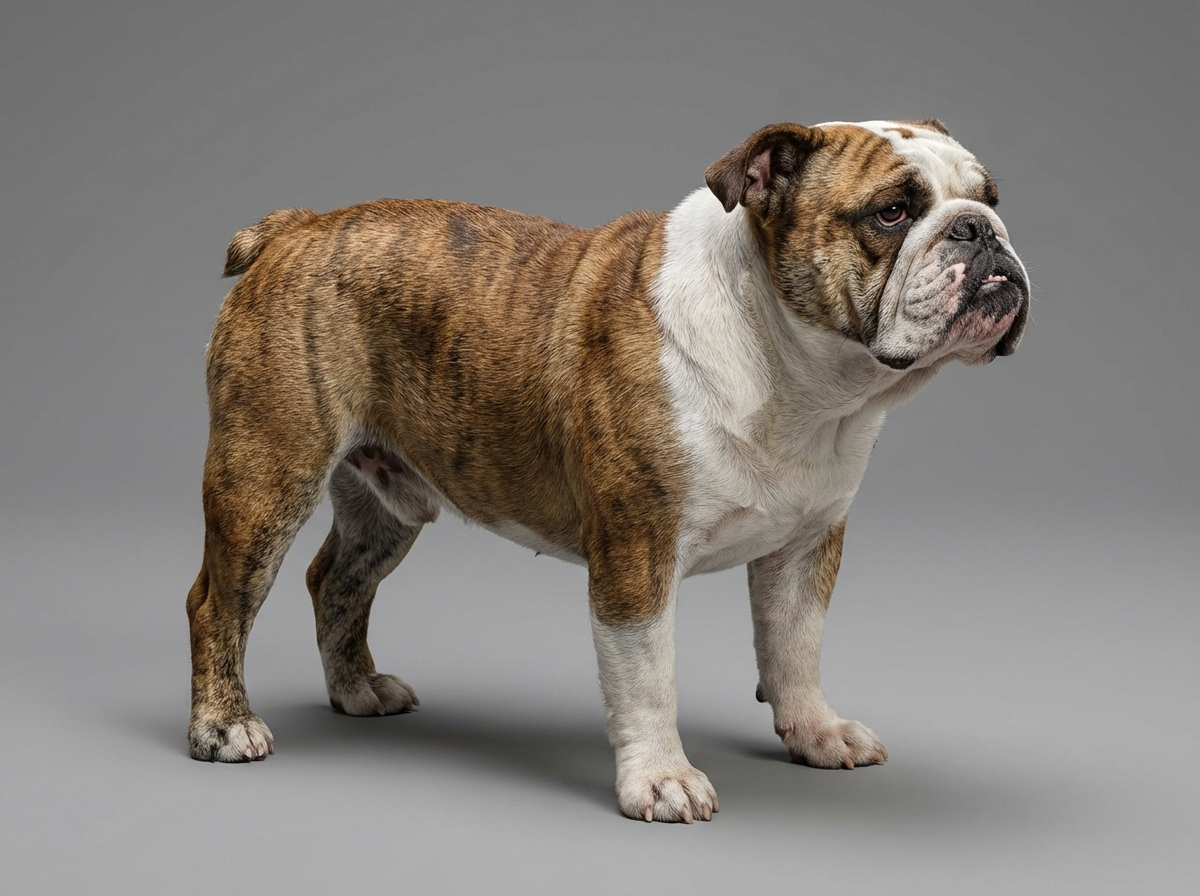
Bulldog (English) eye problems can be a serious concern for your pet's health. These issues often stem from their unique facial structure and can lead to discomfort or even vision loss if not addressed.
What you can try
- Keep your Bulldog's face clean by wiping away any debris around the eyes daily. Use a soft, damp cloth to gently clean the area.
- Monitor their eye discharge. If you notice excessive tearing or discharge, clean it regularly and consult your vet if it persists.
- Provide a comfortable environment by reducing allergens and irritants. Regularly vacuum and use air purifiers to minimize dust and pollen.
Mistakes that make Eye Problems worse
Avoiding certain common behaviors can help improve your Bulldog's eye problems. Here are some mistakes to watch out for and safer alternatives.
- Ignoring symptoms - Many owners dismiss early signs of eye problems, like redness or excessive tearing. Instead, schedule a vet visit as soon as you notice anything unusual.
- Using harsh cleaning products - Some owners use strong cleaners around their Bulldog’s eyes, which can irritate them further. Opt for vet-approved eye wipes or saline solutions instead.
- Skipping regular check-ups - Neglecting routine vet visits can lead to undetected eye issues. Make it a habit to take your Bulldog for eye exams at least once a year.
- Not managing tear staining - Allowing tear stains to build up can worsen irritation and attract bacteria. Regularly clean the area gently with a damp cloth to prevent this.
- Overexposure to sunlight - Bulldogs are sensitive to bright light, which can strain their eyes. Always ensure they have access to shaded areas when outdoors, especially during sunny days.
- Neglecting eye protection - Some owners forget to protect their Bulldogs' eyes during outdoor activities. Consider using protective goggles during hikes or playtime in rough terrain.
- Ignoring breed-specific needs - Bulldogs have unique eye health considerations due to their facial structure. Educate yourself on the specifics and adjust care accordingly.
When Bulldog (English) Eye Problems Are an Emergency
Certain signs of Bulldog (English) eye problems should prompt an immediate call to your vet. If your Bulldog is experiencing severe redness, swelling, or discharge from the eyes, these can indicate serious conditions that need urgent care. Additionally, if your dog is squinting excessively, pawing at the eyes, or showing signs of pain, it’s best to seek veterinary help right away.
When to Watch and Wait
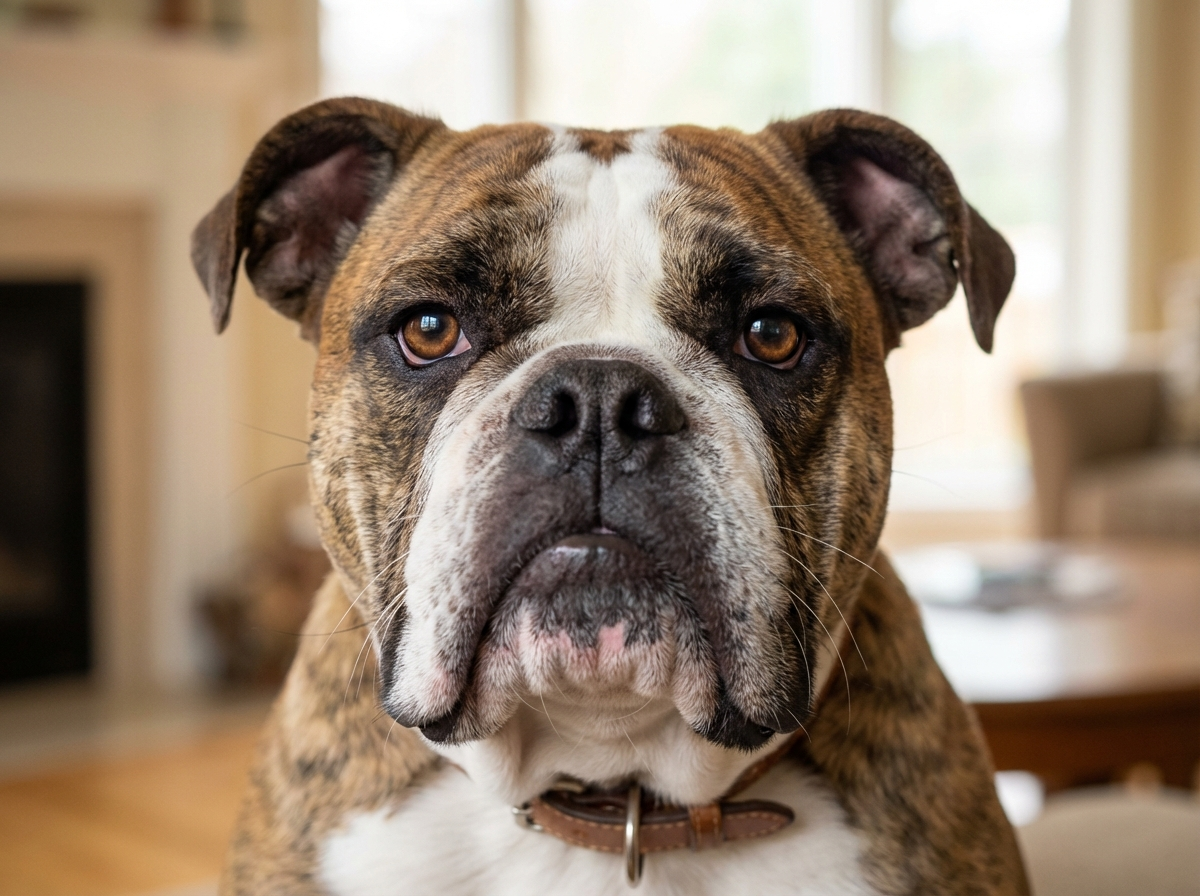
In some cases, Bulldog (English) eye problems can be monitored at home. If your dog has minor redness or slight discharge but is otherwise acting normally, you may not need to rush to the vet. You can implement a watch-and-wait approach while keeping an eye on their symptoms and consulting your vet if things don’t improve within a few days.
Frequently asked questions
Why does my Bulldog (English) have eye problems?
Bulldogs (English) are prone to various eye problems due to their unique facial structure. Their eyes can be more exposed to injury and conditions like cherry eye or dry eye. Regular vet check-ups can help catch these issues early.
What are common eye problems in Bulldogs (English)?
Common eye problems in Bulldogs (English) include cherry eye, dry eye, and corneal ulcers. These issues can lead to discomfort and may require medical treatment. Keeping an eye on your dog's behavior can help you notice changes early.
How can I prevent eye problems in my Bulldog (English)?
To prevent eye problems, ensure your Bulldog's eyes are clean and free from debris. Regular vet visits are crucial for monitoring eye health. Additionally, keeping your dog away from rough play can minimize the risk of injury.
What should I do if my Bulldog (English) has eye discharge?
If your Bulldog has eye discharge, gently clean the area with a damp cloth. Monitor for other symptoms like redness or squinting, and consult your vet if the discharge persists. Early intervention can prevent more serious issues.
Are Bulldog (English) eye problems hereditary?
Yes, many eye problems in Bulldogs (English) can be hereditary due to their breeding. Responsible breeding practices can help reduce the likelihood of these conditions. Always ask breeders about health clearances related to eye health.
When should I take my Bulldog (English) to the vet for eye problems?
Take your Bulldog to the vet if you notice signs like excessive tearing, redness, or changes in behavior related to their eyes. Early detection is key for effective treatment of eye problems.
Can Bulldog (English) eye problems be treated at home?
While some minor issues can be managed at home, it's best to consult your vet for any eye problems. Home remedies can sometimes lead to complications if not done correctly. Always prioritize professional guidance.
What causes Bulldog (English) eye problems?
Bulldog (English) eye problems can arise from several factors, including their unique facial structure. Conditions like cherry eye and corneal ulcers are common. Regular vet check-ups can help catch these issues early.
How can I tell if my Bulldog (English) needs medical attention for eye problems?
Look for signs such as excessive tearing, redness, or swelling around the eyes. If your Bulldog shows discomfort or has difficulty seeing, it's time to consult a vet. Early intervention can prevent more serious issues.
Are eye problems more common in older Bulldogs (English)?
Yes, as Bulldogs age, they may be more susceptible to eye problems like cataracts and glaucoma. Regular veterinary exams are crucial to monitor eye health in older dogs and catch any issues early.
What are some home remedies for Bulldog (English) eye problems?
While home remedies can sometimes soothe minor irritation, it's important to consult a vet for serious eye issues. Using a saline solution to gently rinse the eyes may help, but always prioritize professional advice.
Can Bulldog (English) eye problems affect their behavior?
Absolutely, if a Bulldog is experiencing discomfort or pain from eye problems, it may become more irritable or withdrawn. Addressing their eye issues can improve their overall mood and behavior.
Related guides