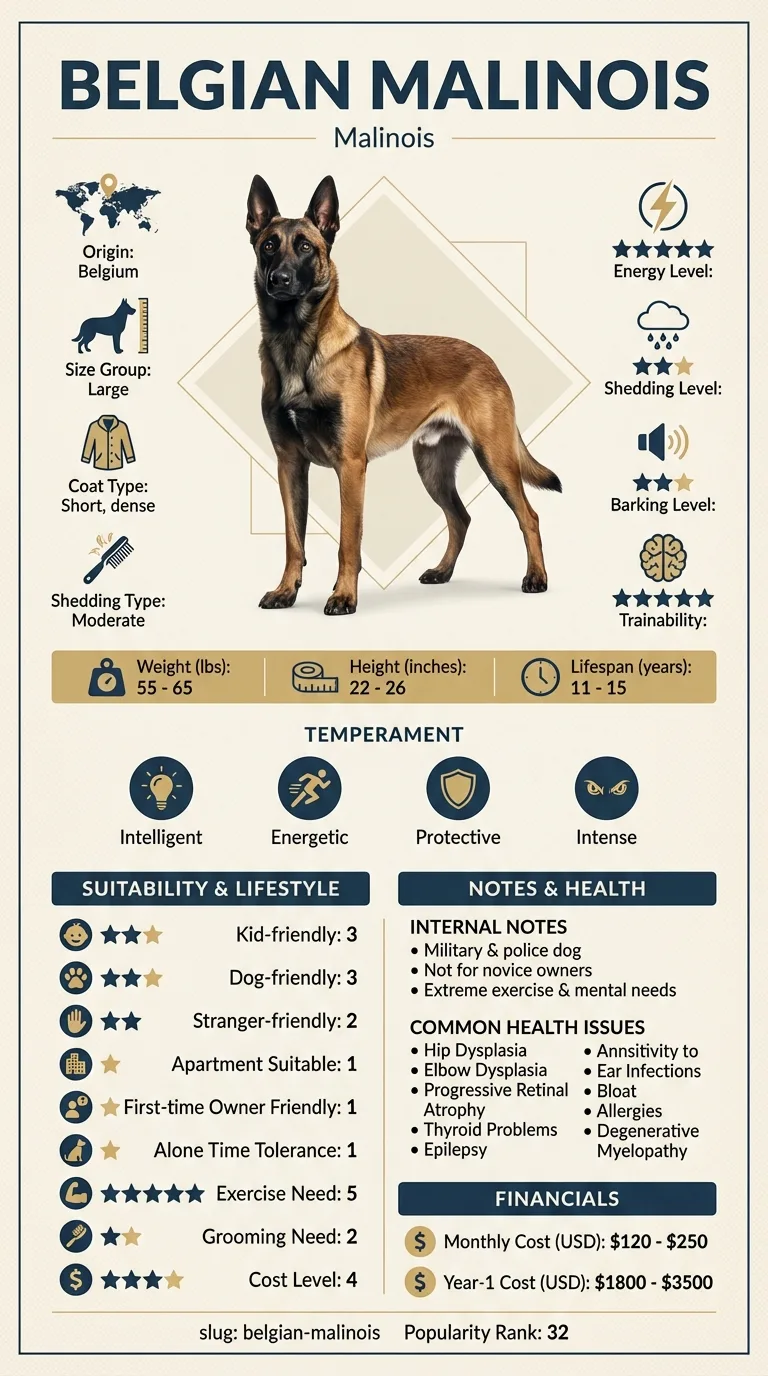
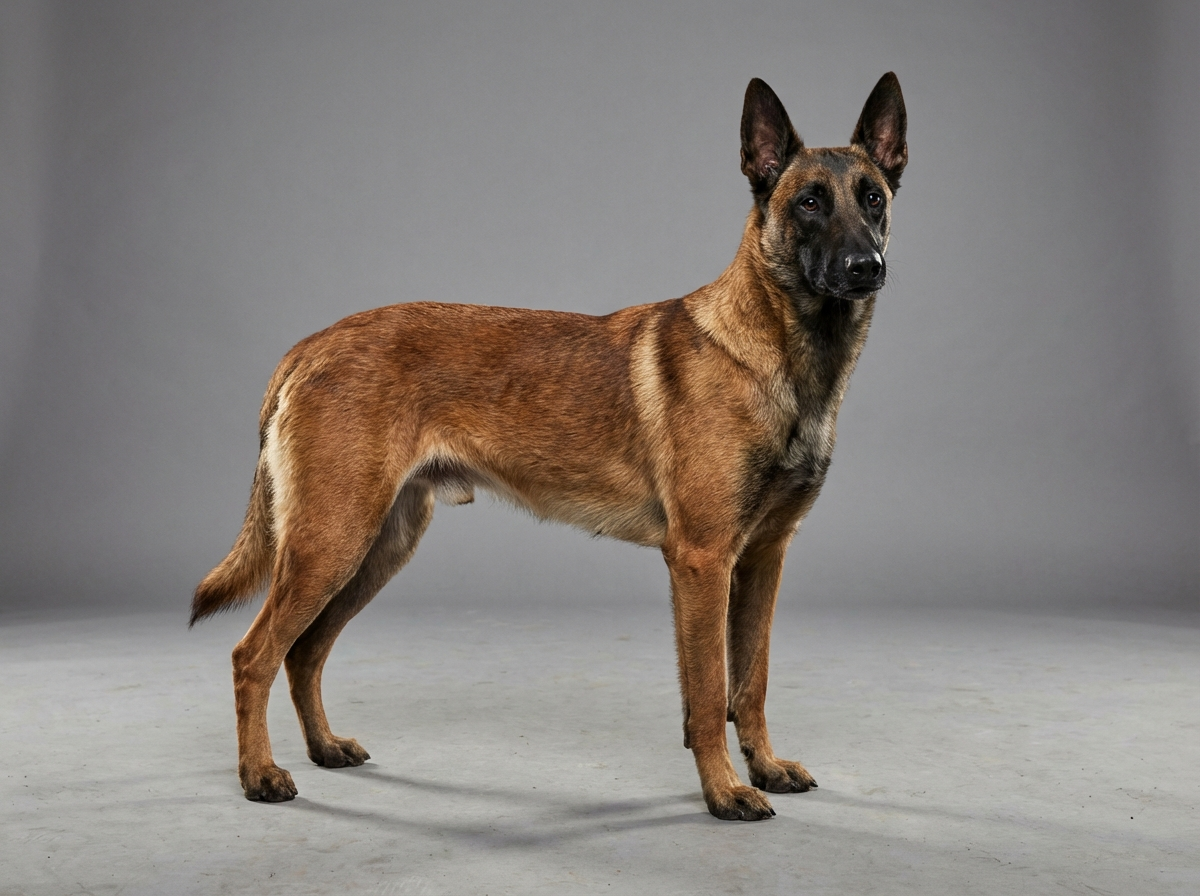
Belgian Malinois Immune-Mediated Thyroiditis: What You Need to Know
Belgian Malinois immune-mediated thyroiditis is a serious autoimmune condition affecting your dog's thyroid.

What you can try
- Maintain a balanced diet with high-quality dog food, focusing on nutrients that support thyroid health.
- Ensure your Malinois gets regular exercise, as physical activity helps maintain overall health and immune function.
- Create a calm environment. Provide a quiet space for your dog to relax and reduce exposure to stressors.
Mistakes that make this worse
Avoiding common pitfalls can help manage Belgian Malinois immune-mediated thyroiditis more effectively. Here are some mistakes to steer clear of:
- Ignoring early symptoms: Many owners overlook early signs like weight changes or lethargy. Regular check-ups can help catch issues before they worsen.
- Delaying veterinary visits: Waiting too long to see a vet can lead to complications. Schedule appointments as soon as you notice any unusual behavior.
- Inconsistent medication: Skipping doses or not following the vet's instructions can hinder treatment. Set reminders to ensure your Malinois gets their medication on time.
- Neglecting diet: Feeding low-quality food can exacerbate health issues. Invest in a balanced diet that supports your dog's thyroid health.
- Overlooking exercise needs: While exercise is important, too much stress can worsen thyroid issues. Find a balance of physical and mental activities suited to their energy level.
- Withholding training: Not addressing behavior issues can lead to anxiety, making health problems worse. Consistent training helps improve their confidence and behavior.
- Ignoring stress factors: Stress can impact your dog's immune system. Create a calm environment and provide a safe space for your Malinois.
When Belgian Malinois Immune-Mediated Thyroiditis Is an Emergency
Emergency signs include severe lethargy, sudden weight loss, or changes in appetite. If your dog is displaying these symptoms along with vomiting or diarrhea, contact your vet immediately. These could indicate a severe hormonal imbalance requiring urgent treatment.
Mild cases can often be monitored. If your Belgian Malinois shows slight lethargy or minor changes in their coat quality, keep a close eye on them. Regular check-ins with your vet can help establish a plan to manage their condition without immediate concern.
Red flags to watch for include difficulty breathing, seizures, or signs of extreme discomfort. If your dog exhibits any of these, don't hesitate—call your vet right away. Early detection and treatment are key to managing immune-mediated thyroiditis effectively.
If you're unsure whether to wait or call, it's always better to err on the side of caution. Your vet can provide guidance on what to look for and when to act. Keeping a list of your dog's symptoms can also be helpful when communicating with your veterinarian about their condition.

Frequently asked questions
What is Belgian Malinois immune-mediated thyroiditis?
Belgian Malinois immune-mediated thyroiditis is an autoimmune disease affecting the thyroid gland. This condition can lead to hormonal imbalances, impacting your dog's energy levels, weight, and overall health. Early detection and treatment are crucial for managing symptoms.
Why does my Belgian Malinois have immune-mediated thyroiditis?
The exact cause of immune-mediated thyroiditis in Belgian Malinois is not fully understood. Genetics may play a role, as certain breeds are predisposed to autoimmune disorders. Environmental factors and diet could also contribute to the onset of this condition.
How can I manage my Belgian Malinois's immune-mediated thyroiditis?
Management typically involves regular veterinary check-ups and possibly medication to regulate thyroid hormone levels. A balanced diet and proper exercise are essential to support your dog's health. Monitoring for symptoms like lethargy or weight changes can help catch issues early.
What are the symptoms of immune-mediated thyroiditis in Belgian Malinois?
Common symptoms include weight gain, lethargy, hair loss, and skin problems. You may also notice changes in behavior, such as increased sensitivity to cold. If you see these signs, it's best to consult your veterinarian for a proper diagnosis.
Can training help with my Belgian Malinois's immune-mediated thyroiditis?
While training won't cure immune-mediated thyroiditis, it can improve your dog's overall well-being. Engaging training sessions can stimulate your dog's mind and help manage any behavioral issues resulting from the condition. Consistent, positive reinforcement training is key.
Is immune-mediated thyroiditis in Belgian Malinois hereditary?
Yes, there is a genetic component to immune-mediated thyroiditis, meaning some dogs may be more susceptible than others. If you have a Belgian Malinois, it's important to be aware of their family health history. Regular health screenings can help catch issues early.
What are the signs of immune-mediated thyroiditis in a Belgian Malinois?
Signs of immune-mediated thyroiditis in your Belgian Malinois may include weight gain, lethargy, and changes in coat quality. You might also notice increased sensitivity to cold or skin infections. If you observe any of these symptoms, it's essential to consult your vet for a proper diagnosis.
Can immune-mediated thyroiditis in Belgian Malinois affect their behavior?
Yes, immune-mediated thyroiditis can impact your Malinois's behavior. This condition may cause fatigue and irritability, which can lead to changes in their normal activity levels. It's important to monitor their behavior and discuss any concerns with your veterinarian.
Is immune-mediated thyroiditis hereditary in Belgian Malinois?
Immune-mediated thyroiditis can have a genetic component, making some Belgian Malinois more susceptible. Breeders should conduct health screenings to reduce the risk of passing on this condition. If you're considering a Malinois, ask about the health history of the puppy's parents.
How is immune-mediated thyroiditis treated in Belgian Malinois?
Treatment for immune-mediated thyroiditis typically involves hormone replacement therapy, which can help manage symptoms. Regular veterinary check-ups are crucial to monitor hormone levels and adjust medication as needed. Always work closely with your vet for the best treatment plan.
How can I help my older Belgian Malinois with immune-mediated thyroiditis?
For older Belgian Malinois with immune-mediated thyroiditis, focus on a balanced diet and regular, gentle exercise. Providing a comfortable environment and routine vet visits is essential for managing their health. Always consult your vet to tailor the care specific to your dog's needs.