What are some Belgian Malinois anxiety quick tips?
Some quick tips for managing Belgian Malinois anxiety include regular exercise, mental stimulation, and creating a calm environment. Consistency in training and routines also helps reduce anxiety.
Belgian Malinois anxiety can be a significant challenge for owners.
This guide is for Belgian Malinois owners who are struggling with their dog's anxiety and looking for effective training methods.
Belgian Malinois anxiety often manifests as nervousness or restlessness. Owners might notice their dog pacing, whining, or being overly alert. This can lead to destructive behaviors if not addressed.
If your Belgian Malinois anxiety persists despite your efforts, consider professional training. A certified trainer can help implement strategies tailored to their needs.
If your dog's anxiety leads to destructive behaviors or health issues, consult a vet or animal behaviorist. They can provide additional insights and treatment options.
Using the right tools can significantly aid in managing Belgian Malinois anxiety. Here are some helpful categories.
Adjusting your daily routine can significantly help with Belgian Malinois anxiety. Start by establishing a consistent schedule for feeding, walks, and playtime. This predictability can provide comfort to your pup.
Additionally, consider increasing exercise to meet their high energy levels, which can reduce anxiety and promote relaxation.
Aim for at least 60 minutes of vigorous activity each day. This could include activities like running, agility training, or even interactive games like fetch. Along with physical exercise, mental stimulation is crucial.
Puzzle toys, training sessions, and scent work can keep their minds engaged and help alleviate anxiety.
It's also essential to create a comfortable environment when you're away. Gradually increase the alone-time your Malinois spends alone to help them adjust. Start with short periods and gradually extend the time as they become more comfortable.
You can also provide them with safe toys or a cozy blanket to help ease the transition when you leave.
Lastly, be mindful of your own energy and emotions. Dogs often pick up on their owner's stress. If you're calm and confident, your Malinois is more likely to feel secure.
Implementing these lifestyle changes can lead to a happier, more relaxed dog.
Tracking progress with your Belgian Malinois anxiety can be challenging but rewarding. Look for small 'micro-wins' as signs of improvement. These might include your dog being calmer during short periods alone or showing less fear during thunderstorms.
Any small change in behavior is a positive step forward.
However, setbacks can happen. If your Malinois suddenly becomes more anxious after a period of improvement, it might be a signal that the training plan needs adjustment. Recognize that anxiety management is often not a straight line; there may be ups and downs along the way.
It's crucial to remain patient and consistent with your training efforts.
As you observe changes, keep a journal to document your dog's behavior. Note any specific triggers, times of day, or situations that cause anxiety. This record will help you see patterns and determine what strategies are working.
If you notice that your Malinois is showing more confidence or engaging in play more often, celebrate these milestones! These signs indicate that your training efforts are paying off, and your dog is feeling more secure.
When Sarah adopted Max, her Belgian Malinois, she quickly noticed his anxiety. He would bark excessively and chew on furniture whenever she left him alone. After trying calming music and puzzle toys at home, she realized that these methods weren't enough. Sarah then sought advice from a professional trainer who specialized in Belgian Malinois anxiety. Together, they developed a structured routine, gradually increasing Max's alone time while rewarding him with treats for staying calm. They also worked on basic commands and crate training to provide Max with a safe space. Over several weeks, Sarah saw a remarkable change. Max became more relaxed and confident, and the anxious barking diminished significantly. Now, he enjoys his alone time, and Sarah can leave without worry.
Key takeaway: With patience, structure, and professional guidance, owners can effectively manage Belgian Malinois anxiety and help their dogs thrive.
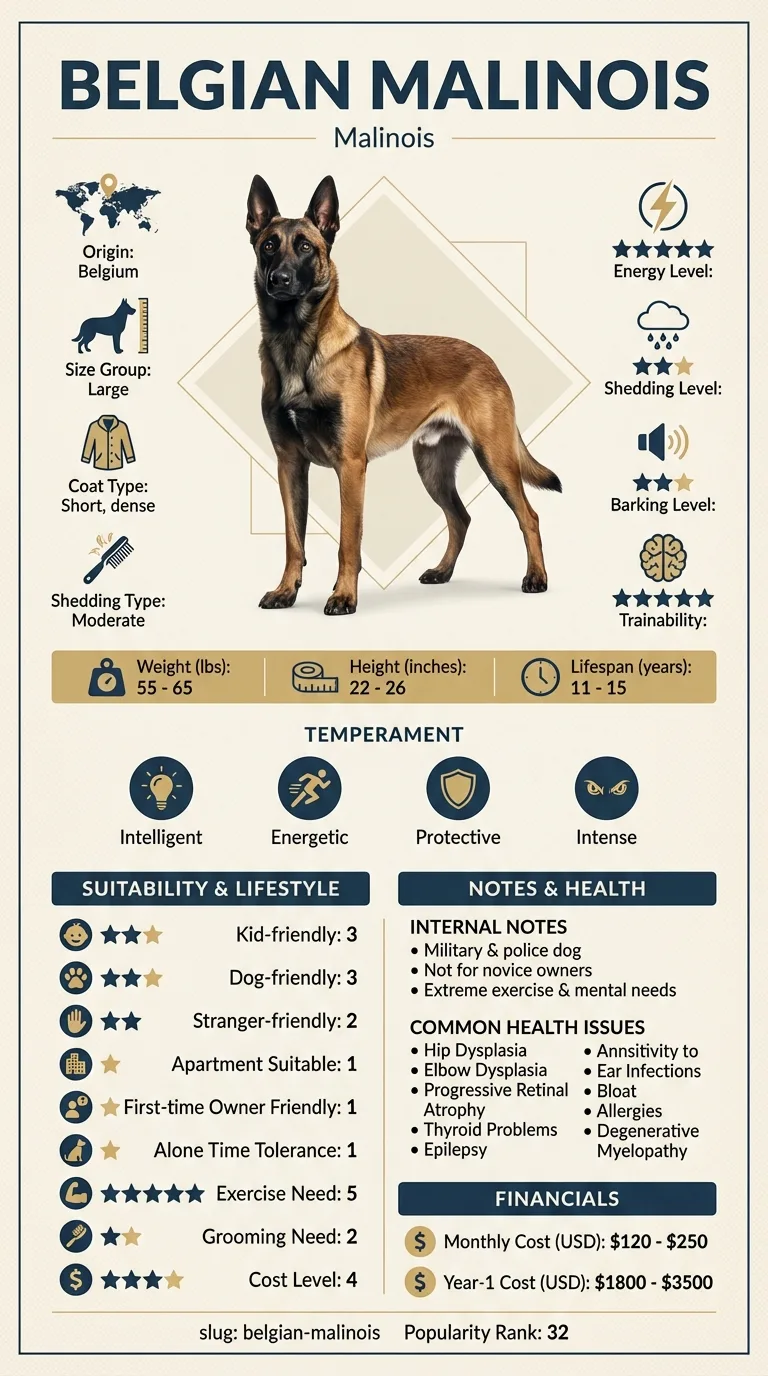
Belgian Malinois anxiety can stem from various factors, including genetics, lack of socialization, or insufficient exercise. This breed is highly energetic and needs mental stimulation to stay calm. If your Malinois seems anxious, it's essential to evaluate their daily routine and environmental factors.
Signs of Belgian Malinois anxiety may include excessive barking, pacing, destructive behavior, or withdrawal. They might also show signs of distress when left alone. Observing their behavior in different situations can help you identify if anxiety is a concern.
To stop Belgian Malinois anxiety, ensure they receive plenty of exercise and mental challenges. Training sessions, interactive toys, and structured play can help reduce anxiety. Consistency and positive reinforcement are key for effective training.
Yes, Belgian Malinois anxiety can often be managed with proper training techniques. Enrolling in anxiety training programs or working with a professional trainer can provide targeted strategies. Socialization with other dogs and people also plays a significant role in building their confidence.
If your Belgian Malinois has separation anxiety, start by gradually increasing the time they spend alone. Create a safe space with their favorite toys and consider using calming aids, like anxiety wraps or pheromone diffusers. A consistent routine can help them feel more secure.
Common triggers for Belgian Malinois anxiety include loud noises, being left alone, and changes in their environment. This breed is sensitive and may react strongly to unfamiliar situations. Identifying these triggers can help in creating a calming environment.
Older Belgian Malinois may experience anxiety due to health issues or changes in routine. Providing a stable environment, regular exercise, and mental stimulation can help. It's also wise to consult a vet for tailored advice and potential medical interventions.
CBD oil may help reduce anxiety in some dogs, including Belgian Malinois. However, it's essential to consult with your veterinarian to determine the appropriate dosage and ensure it's safe for your dog. Not all dogs respond the same way, so monitoring is crucial.
If your Belgian Malinois shows anxiety during travel, start with short trips to acclimate them to being in a vehicle. Use calming aids like a favorite toy or blanket and consider training them to associate the car with positive experiences. Gradually increase travel duration as they become more comfortable.
To manage separation anxiety in your Belgian Malinois, gradually increase the time you leave them alone. Provide engaging toys or puzzles to keep them occupied. Enrolling in Belgian Malinois anxiety training classes can also help teach your dog how to cope when you're away.
Some quick tips for managing Belgian Malinois anxiety include regular exercise, mental stimulation, and creating a calm environment. Consistency in training and routines also helps reduce anxiety.
A Belgian Malinois typically needs at least 1-2 hours of exercise daily. Include both physical activity and mental challenges to keep them engaged.
Yes, professional training can be very beneficial. Trainers can provide tailored strategies to address your dog's specific anxiety issues.
In some cases, medication prescribed by a veterinarian can help manage severe anxiety. Always consult with your vet before starting any medication.
To improve socialization, expose your Belgian Malinois to various environments, people, and other dogs gradually. Positive experiences during these interactions will help build their confidence.
This guide is not medical advice. If your dog shows pain, sudden behavior change, or worsening symptoms, consult a licensed veterinarian.
Some links may be affiliate links. We may earn a commission at no extra cost to you. We only suggest products we believe are helpful for dog owners.
Not sure which breed is right for you? Take our 2-minute quiz to find out.
Take the quiz