Health
What are quick tips for Belgian Malinois kidney stones?
Ensure your Malinois drinks plenty of water daily and feeds a balanced diet. Regular vet visits are crucial for monitoring kidney health.

Quick answer
What are quick tips for Belgian Malinois kidney stones?
Ensure your Malinois drinks plenty of water daily and feeds a balanced diet. Regular vet visits are crucial for monitoring kidney health.
Belgian Malinois kidney stones can be a painful and serious issue for your dog. Understanding this condition is key to preventing it.
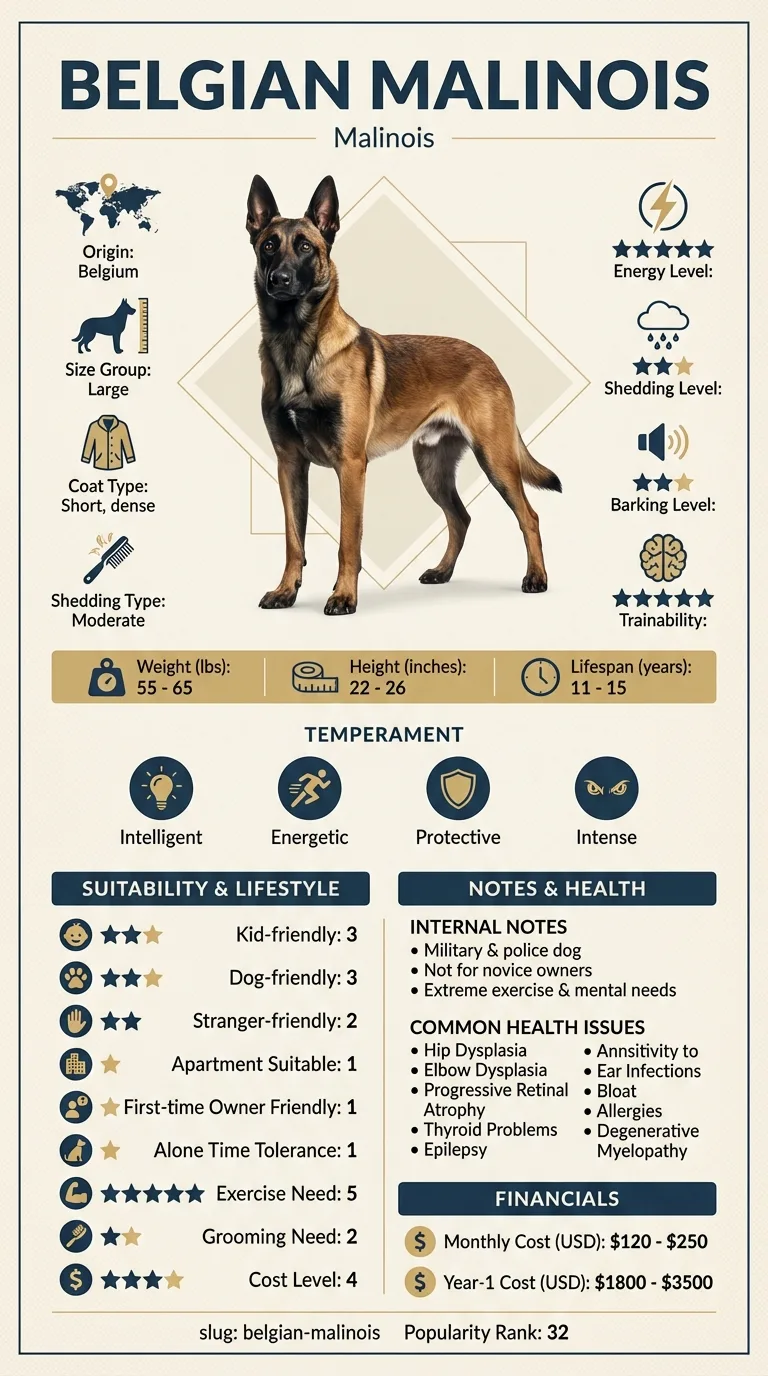
This issue often affects dedicated Belgian Malinois owners who may be unaware of the specific health risks associated with the breed. Busy families and working individuals may struggle to spot the early signs of kidney stones in their dogs, leading to potential complications.
This guide is not medical advice. If your dog shows pain, sudden behavior change, or worsening symptoms, consult a licensed veterinarian.
Some links may be affiliate links. We may earn a commission at no extra cost to you. We only suggest products we believe are helpful for dog owners.
We research and check what we publish, but we do not warrant that any figure, date, price, or statement is accurate, complete, or current, and we accept no liability for any loss, cost, injury, or other harm arising from the use of this site. Use it as one reference among several. You remain responsible for your own decisions and for your dog's care - confirm anything that matters with a licensed veterinarian or another qualified professional before you act on it. Full disclaimer.
Check this first
It’s important to know when Belgian Malinois kidney stones require immediate attention. If your dog shows signs of distress, you should call your vet right away. Symptoms like severe vomiting, inability to urinate, or blood in the urine are red flags that mean you need to act fast.
Mild cases can often be monitored with a plan. If your dog has occasional discomfort but still drinks water, seems active, and has normal bathroom habits, you may just need to keep an eye on them. Regular vet check-ups can help catch any issues early.
Here are some signs that indicate an emergency:
- Severe pain or discomfort - Persistent vomiting - Inability to urinate - Blood in the urine - Lethargy or weakness
On the other hand, symptoms that can be watched include:
- Occasional mild discomfort - Slight changes in eating habits - Increased thirst without other severe symptoms
Always trust your instincts. If you feel something isn’t right, it’s better to be safe and consult your veterinarian.
If any of these apply, call your vet or an emergency clinic now. The rest of this page is for the cases that are not an emergency.
Belgian Malinois kidney stones can cause discomfort and pain for your furry friend. This condition, known as urolithiasis, is when hard mineral deposits form in the kidneys or urinary tract. For many Malinois, this issue can lead to frequent urination, straining to urinate, or even blood in the urine, which can be distressing to witness.
Kidney stones are relatively common in Belgian Malinois, particularly in those that are not adequately hydrated or fed a balanced diet. Owners should be vigilant, as these stones can lead to serious health issues if not addressed promptly.
Belgian Malinois are prone to kidney stones due to their genetics and diet. Their high energy levels and activity often lead them to consume a diet that may not always be balanced, increasing the risk for urinary issues. Additionally, some Malinois may have a predisposition to certain metabolic conditions that can facilitate stone formation.
Environmental factors can also contribute to kidney stones in Belgian Malinois. If they don’t have access to fresh water, they may become dehydrated, leading to concentrated urine. Stressful situations or a lack of regular exercise can further exacerbate their health problems, making them more susceptible to developing stones.
If your dog experiences frequent urinary problems or shows signs of kidney stones, it's essential to consult a vet. They can provide a proper diagnosis and recommend treatments, including medication or dietary adjustments.
Avoiding common pitfalls can help manage your Belgian Malinois's kidney stones more effectively. Here are some behaviors to steer clear of.
Start here: Belgian Malinois Most Common Genetic Disorders: Screening
See all Belgian Malinois health problems, which breeds are prone to kidney stones, or the full Belgian Malinois breed guide for temperament, exercise needs and ownership costs.
Managing Belgian Malinois kidney stones typically takes several weeks to months of consistent care, dietary adjustments, and regular vet check-ups.
Success means fewer or no reoccurrences of kidney stones, improved hydration, and overall better urinary health for your dog.
Sam, a busy nurse in Chicago, noticed that his Belgian Malinois, Bella, was frequently straining to urinate. After a vet visit confirmed kidney stones, Sam felt overwhelmed. He learned he needed to change Bella's diet to include more water-rich foods and prescribed specialized kibble. Sam also started taking Bella on longer walks to encourage hydration. With persistence over several months, Bella's health improved significantly, and she hasn’t had another episode since.
Key takeaway: Consistent dietary management and regular vet care are key to overcoming kidney stones in Belgian Malinois.
Belgian Malinois can develop kidney stones due to various factors, such as diet, genetics, and dehydration. High protein diets and insufficient water intake can contribute to stone formation. Regular vet check-ups can help monitor your dog's health and catch issues early. This answer relates to Belgian Malinois kidney stones.
To prevent kidney stones, ensure your Malinois stays well-hydrated by providing fresh water at all times. You should also feed a balanced diet that’s appropriate for their age and activity level. Regular exercise can help maintain their overall health and reduce the risk of stones.
While some preventive measures can be taken at home, such as changing their diet and ensuring hydration, kidney stones usually require veterinary intervention. Home remedies are not sufficient for treating existing stones. Always consult your vet for the best treatment options.
To help manage kidney stones, consider switching to a vet-recommended diet that supports urinary health. Foods low in purines and high in moisture can aid in prevention. Always consult your vet before making any dietary changes.
If your Belgian Malinois is frequently urinating, straining to urinate, or showing signs of pain while urinating, these could be symptoms of kidney stones. You might also notice blood in their urine or changes in appetite and energy levels. If you observe any of these signs, it's essential to consult your veterinarian promptly.
Yes, diet plays a crucial role in managing your Belgian Malinois's kidney health. Providing a balanced diet with appropriate hydration can help reduce the risk of kidney stones. Always consult your vet for recommendations tailored to your dog's specific needs.
Kidney stones can occur in Belgian Malinois of any age, but they may be more prevalent in older dogs due to changes in kidney function and metabolism. Regular check-ups with your veterinarian can help detect issues early, especially in senior dogs.
Both kidney stones and urinary tract infections can cause similar symptoms, like straining to urinate or blood in the urine. However, kidney stones often lead to more severe pain and may cause blockages. A vet can perform tests to diagnose the exact issue and recommend the best treatment.
Treatment options for kidney stones in Belgian Malinois vary depending on the severity and type of stones. Common treatments include dietary changes, increased hydration, and in some cases, surgical intervention. Always seek veterinary advice for the most effective treatment plan for your dog.
Ensure your Malinois drinks plenty of water daily and feeds a balanced diet. Regular vet visits are crucial for monitoring kidney health.
Look for symptoms like frequent urination or straining. If your dog has a history of urinary issues, consult your vet.
Yes, kidney stones are a common health issue in Belgian Malinois. Regular check-ups can help catch problems early.
Feed a vet-approved diet that is low in purines and high in moisture. Always consult your vet for specific recommendations.
Yes, regular exercise promotes overall health and can aid in preventing kidney stones. Keep your Malinois active with daily walks and playtime.
A one-page prep sheet for this condition: the signs, the questions to ask, what to get priced. Unlocks here.
You get: Vet visit prep sheet
No spam. One-click unsubscribe. See our privacy policy.
Preview page 1 before you decide.