Behavior
What are quick tips for managing luxating patellas?
Keep your Belgian Malinois at a healthy weight, provide low-impact exercises, and consult your vet regularly for check-ups.

Quick answer
What are quick tips for managing luxating patellas?
Keep your Belgian Malinois at a healthy weight, provide low-impact exercises, and consult your vet regularly for check-ups.
Luxating patellas can be a challenging issue for Belgian Malinois owners. This condition involves the dislocation of the kneecap, leading to pain and mobility issues.
Busy owners, especially those who are first-time dog parents, may struggle with managing luxating patellas. Additionally, active families with high-energy Belgian Malinois may find it difficult to balance exercise and care when this issue arises.
This guide is not medical advice. If your dog shows pain, sudden behavior change, or worsening symptoms, consult a licensed veterinarian.
Some links may be affiliate links. We may earn a commission at no extra cost to you. We only suggest products we believe are helpful for dog owners.
We research and check what we publish, but we do not warrant that any figure, date, price, or statement is accurate, complete, or current, and we accept no liability for any loss, cost, injury, or other harm arising from the use of this site. Use it as one reference among several. You remain responsible for your own decisions and for your dog's care - confirm anything that matters with a licensed veterinarian or another qualified professional before you act on it. Full disclaimer.
Check this first
Recognizing when luxating patellas in your Belgian Malinois is an emergency is crucial for their health. There are key signs that indicate immediate veterinary attention is needed. Look for symptoms like severe limping, inability to bear weight on a leg, or visible pain when you touch their knee. If your dog is yelping or seems unusually distressed, these are red flags that mean you should call your vet right away.
On the other hand, milder cases can often be monitored at home. If your Malinois occasionally shifts their weight or seems to have a momentary limp but quickly resumes normal activity, this might not be an emergency. You can create a plan to observe their behavior and introduce gentle exercises to strengthen their legs. Keeping track of how often these occurrences happen can help your vet assess the situation more effectively.
It’s essential to ensure your dog is comfortable and not in severe pain. If you notice swelling around the knee or if the dislocation seems to persist, do not hesitate to seek help. Early intervention can prevent further complications and ensure your Belgian Malinois maintains a good quality of life.
If any of these apply, call your vet or an emergency clinic now. The rest of this page is for the cases that are not an emergency.
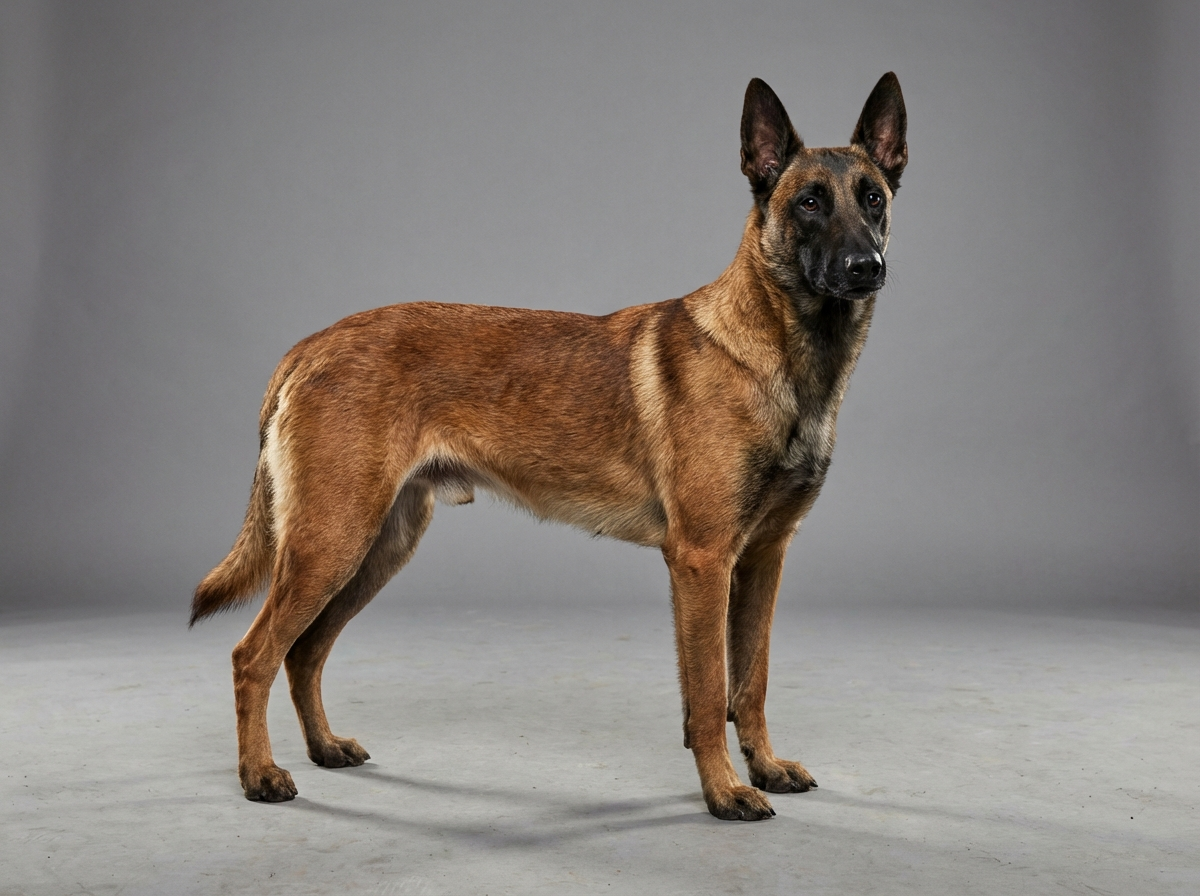
Belgian Malinois luxating patellas is a common issue where the kneecap dislocates from its normal position. This condition can cause pain and difficulty in movement, especially during activities like running or jumping. Owners may notice their dog favoring one leg or experiencing sudden lameness.
Luxating patellas are relatively common in Belgian Malinois, especially as they age or if they have a genetic background that predisposes them to joint issues. Many owners may not notice the symptoms until their dog shows signs of discomfort during exercise or play.
Belgian Malinois are prone to luxating patellas due to their genetic makeup. This condition often arises from inherited structural issues in the knee joint. Because they are large, active dogs, their high energy levels can exacerbate the problem.
Environmental factors can also contribute to luxating patellas. An unbalanced diet or excessive weight can place extra strain on their knees. Additionally, lack of proper exercise or training can lead to weakened muscles that support the joint.
If your dog shows signs of pain, discomfort, or difficulty in movement, it's essential to consult a veterinarian. They can assess the severity of the luxating patellas and recommend the best course of action, which may include medications or surgery.
Avoid these common mistakes to help your Belgian Malinois with luxating patellas.
Start here: Belgian Malinois Most Common Genetic Disorders: Screening
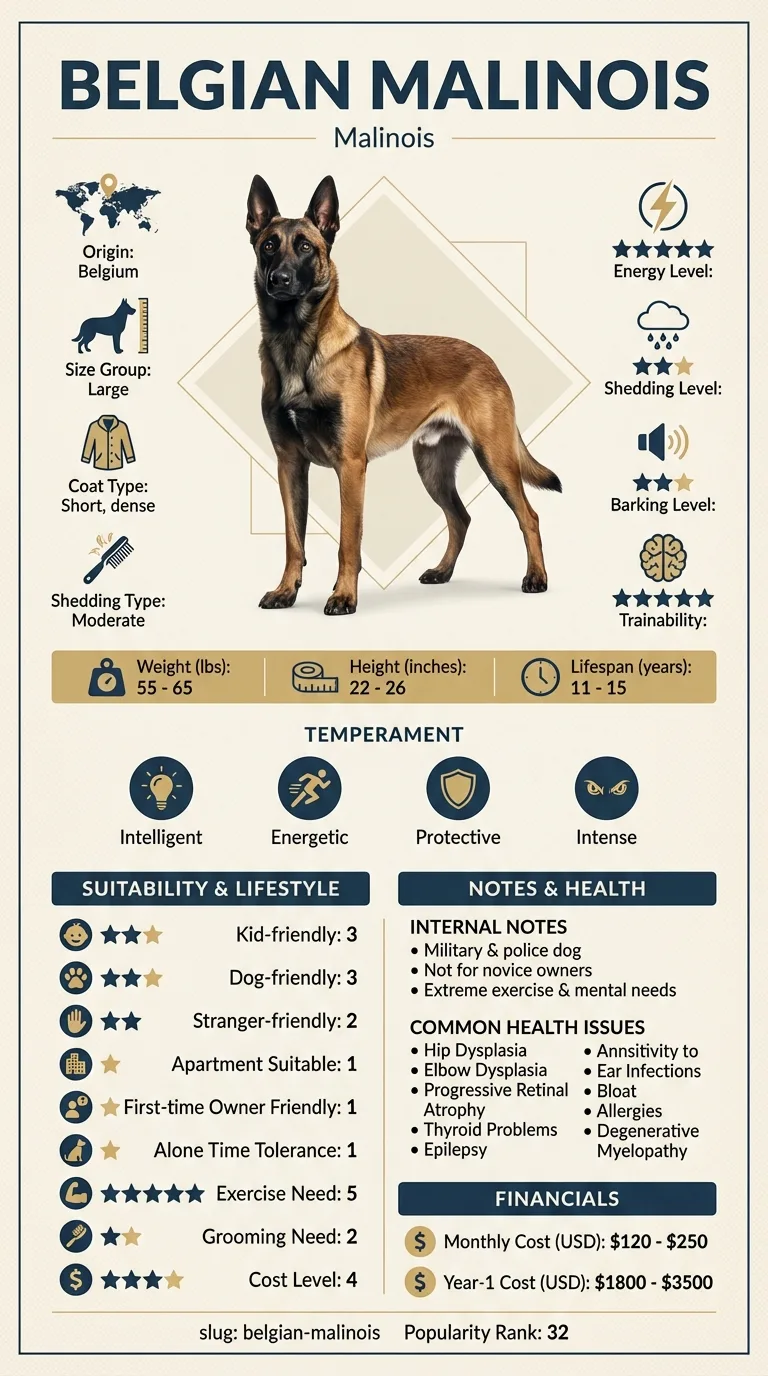
See all Belgian Malinois health problems, which breeds are prone to luxating patellas, or the full Belgian Malinois breed guide for temperament, exercise needs and ownership costs.
Addressing luxating patellas in a Belgian Malinois may take several weeks to months of consistent care and follow-up with your vet.
Success means your dog shows improved mobility, reduced pain, and can engage in regular activities without discomfort.
Sarah, a busy nurse in Denver, adopted Max, a Belgian Malinois, thinking he would be a great companion for her active lifestyle. However, she soon noticed Max limping and struggling to jump, which turned out to be luxating patellas. After consulting her vet, Sarah learned about a combination of weight management, physical therapy, and training exercises to help Max. With patience and consistency, Sarah dedicated time each day to help Max strengthen his legs through controlled exercises. Slowly, Max regained his confidence and mobility, eventually joining Sarah on hikes without any issues.
Key takeaway: With the right support and training, dogs with luxating patellas can lead happy, active lives.
Luxating patellas in Belgian Malinois can occur due to genetic predisposition or improper alignment of the knee joint. This condition can lead to pain and difficulty in movement. Regular vet check-ups can help identify and manage this issue early. This answer relates to Belgian Malinois luxating patellas.
To manage luxating patellas, ensure your Malinois maintains a healthy weight to reduce stress on the joints. Regular, low-impact exercises can strengthen the muscles around the knees. Always consult your veterinarian for specific treatment options tailored to your dog.
In some cases, surgery may be needed if the luxation is severe and causes significant pain or mobility issues. Your veterinarian can help assess the situation and recommend the best course of action. Non-surgical treatments may also be effective for milder cases.
Training can help improve muscle strength and joint stability, which may alleviate some symptoms. Focus on low-impact exercises and consult a professional trainer experienced with this issue. Always prioritize your dog's comfort and health during training.
Yes, older dogs may experience worsening symptoms due to joint degeneration. They might also have a more challenging time recovering from any associated surgeries. Regular vet check-ups are crucial for managing their condition.
While some factors are genetic, maintaining a healthy weight and providing regular exercise can help minimize risks. Avoid activities that put excessive strain on their knees, especially during their growth phase. Consult your vet for tailored advice.
Creating a comfortable space with soft bedding can help your dog rest. You can also assist them with gentle range-of-motion exercises, but always check with your vet first. Consider using ramps instead of stairs to ease their movements.
If your dog shows signs of severe pain, has trouble using their leg, or if symptoms worsen, it's time to see a vet. Early intervention can prevent further complications. Regular check-ups are essential for managing their condition.
Keep your Belgian Malinois at a healthy weight, provide low-impact exercises, and consult your vet regularly for check-ups.
Look for signs like limping, reluctance to exercise, or yelping when moving. These can indicate discomfort.
Consider incorporating joint supplements or specific dog foods that promote joint health. Always consult your vet for recommendations.
Low-impact exercises like swimming and controlled leash walks can help strengthen the muscles without straining the joints.
A one-page prep sheet for this condition: the signs, the questions to ask, what to get priced. Unlocks here.
You get: Vet visit prep sheet
No spam. One-click unsubscribe. See our privacy policy.
Preview page 1 before you decide.