Health
What are Belgian Malinois heart murmurs quick tips?
Monitor your dog's health closely and schedule regular vet visits. Maintain a balanced diet and appropriate exercise tailored to their condition.

Quick answer
What are Belgian Malinois heart murmurs quick tips?
Monitor your dog's health closely and schedule regular vet visits. Maintain a balanced diet and appropriate exercise tailored to their condition.
Belgian Malinois heart murmurs can be concerning for any owner. They may indicate underlying health issues that could affect your dog's quality of life.
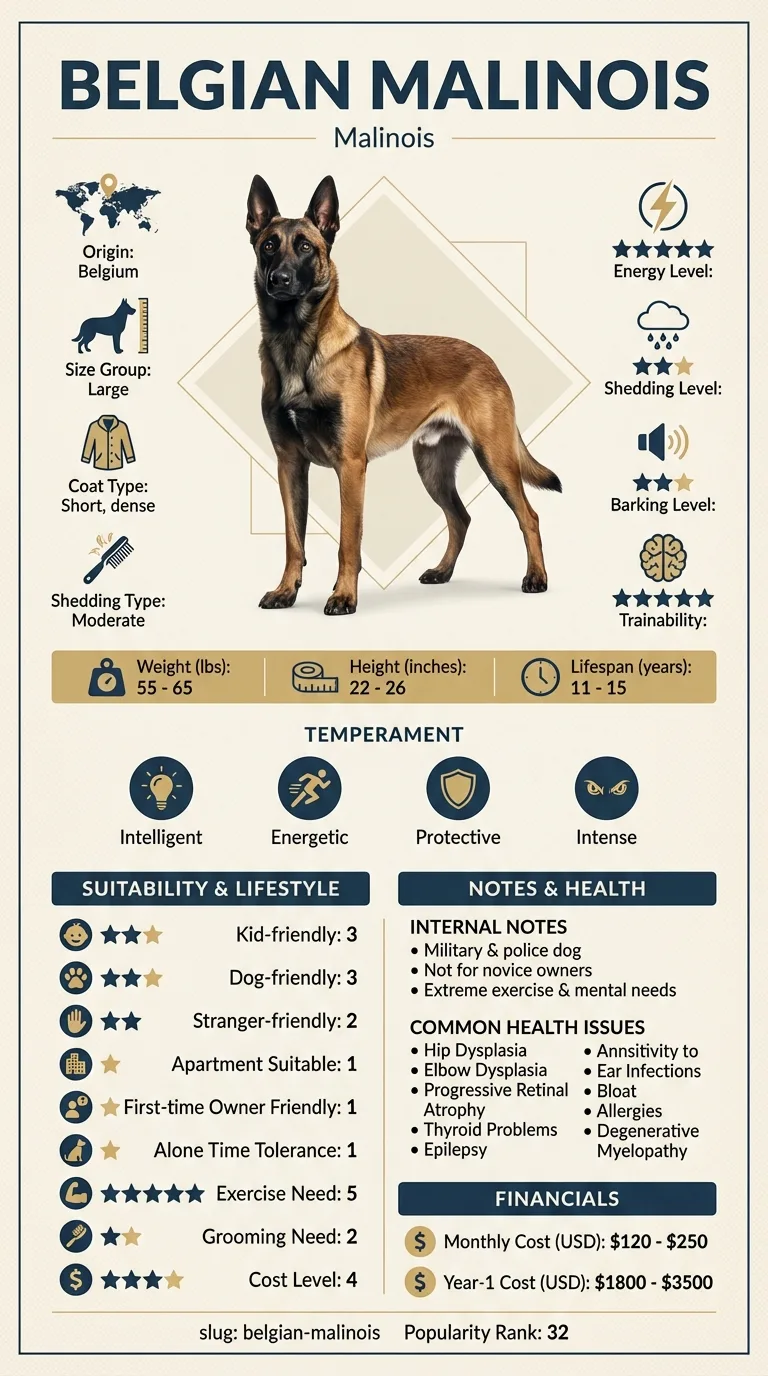
Owners of Belgian Malinois, especially first-time dog owners, often struggle with recognizing and managing heart murmurs. This breed is known for its high energy and intelligence, but health concerns like these can be overwhelming.
This guide is not medical advice. If your dog shows pain, sudden behavior change, or worsening symptoms, consult a licensed veterinarian.
Some links may be affiliate links. We may earn a commission at no extra cost to you. We only suggest products we believe are helpful for dog owners.
We research and check what we publish, but we do not warrant that any figure, date, price, or statement is accurate, complete, or current, and we accept no liability for any loss, cost, injury, or other harm arising from the use of this site. Use it as one reference among several. You remain responsible for your own decisions and for your dog's care - confirm anything that matters with a licensed veterinarian or another qualified professional before you act on it. Full disclaimer.
Check this first
Understanding when Belgian Malinois heart murmurs are an emergency is crucial for your dog's health. Certain signs indicate that immediate veterinary attention is necessary, while other situations can be monitored at home. Recognizing these differences can save your dog's life and help you manage their health effectively.
If any of these apply, call your vet or an emergency clinic now. The rest of this page is for the cases that are not an emergency.
Belgian Malinois heart murmurs are a common concern among owners of this energetic breed. This condition often manifests as abnormal heart sounds during routine vet check-ups. Owners may notice their dog becoming easily fatigued or having difficulty breathing during exercise, which can be alarming.
Heart murmurs are relatively common in Belgian Malinois, especially as they age. Many dogs may experience some degree of murmur, but not all will lead to serious health problems. Regular vet check-ups are essential for monitoring this condition.
Belgian Malinois are prone to certain genetic conditions that can lead to heart murmurs. These heart issues often stem from valve diseases, which can be more common in specific breeds like the Malinois due to their unique physiology.
Environmental factors such as obesity, lack of exercise, and stress can also contribute to heart murmurs. A Belgian Malinois that isn't properly exercised may develop heart problems over time, making it crucial to maintain an active lifestyle for this energetic breed.
Talk to your vet if you observe symptoms like coughing, difficulty breathing, or if your dog seems to tire easily. These could indicate more serious heart conditions, and timely veterinary advice is crucial for your Belgian Malinois's health.
Avoiding certain behaviors can significantly help manage Belgian Malinois heart murmurs. Here are common mistakes to steer clear of.
Start here: Belgian Malinois Most Common Genetic Disorders: Screening
See all Belgian Malinois health problems, which breeds are prone to heart murmurs, or the full Belgian Malinois breed guide for temperament, exercise needs and ownership costs.
Addressing heart murmurs in your Belgian Malinois can take several weeks to months, depending on the severity and underlying causes. Regular vet check-ups and a consistent treatment plan can lead to noticeable improvements over time.
Success looks like a stable heart condition, improved energy levels, and a happy, active dog. You'll notice your Malinois enjoying daily activities without excessive fatigue or distress.
If your Belgian Malinois shows any of these symptoms, seek emergency veterinary care immediately. Time is critical in these situations.

In less severe situations, you may be able to monitor your dog at home. Here are signs that can be observed without immediate vet intervention:

When Lisa adopted her Belgian Malinois, Max, she quickly fell in love with his energetic spirit. However, during a routine vet visit, she learned that Max had a heart murmur. Initially worried, Lisa followed her vet's advice, which included dietary changes and a tailored exercise plan. With patience and dedication, Max's condition improved, and he became more playful and healthy. Lisa learned to recognize the signs of fatigue and adjusted Max's activities accordingly, ensuring he stayed happy and active.
Key takeaway: With proper care and attention, managing heart murmurs in Belgian Malinois is possible. Early intervention and a supportive routine can lead to a healthier, happier dog.
Belgian Malinois may develop heart murmurs due to valve disease or other heart conditions. These murmurs can indicate underlying health issues that need to be addressed. Regular vet check-ups are essential for early detection. This answer relates to Belgian Malinois heart murmurs.
While you can't directly stop heart murmurs, you can manage your Malinois's health through regular vet visits and appropriate treatments. A balanced diet, exercise, and maintaining a healthy weight are also crucial. Always follow your vet's advice for any specific care or medication.
If your Malinois is diagnosed with a heart murmur, consult your vet for a treatment plan. This may include medication, dietary changes, and regular monitoring. Keep an eye on your dog's activity levels and report any changes in behavior to your vet.
Yes, some heart murmurs can be hereditary, particularly those associated with genetic heart conditions. If you have concerns about your dog's lineage, discuss this with your breeder or vet. Responsible breeding practices can help reduce the incidence of such issues.
Signs of a serious heart issue include lethargy, coughing, difficulty breathing, and fainting. If you notice any of these symptoms, seek veterinary care immediately. Early intervention can significantly improve your dog's quality of life.
Training techniques should focus on gentle, low-impact activities to avoid overexertion. Engage your Malinois in mental exercises and light obedience training instead. Always consult your vet before starting any new training regimen.
The long-term outlook for a Belgian Malinois with heart murmurs depends on the underlying cause and how well it is managed. With proper care and veterinary support, many dogs can lead happy, active lives. Regular check-ups are crucial for ongoing health monitoring.
Yes, heart murmurs in older Belgian Malinois can indicate more serious conditions, such as valve disease. As dogs age, their hearts can develop issues that may require more intensive management. Regular check-ups with your vet are essential for older dogs.
To help your Belgian Malinois with heart murmurs, ensure they have a low-stress environment and avoid excessive exercise. Regular, moderate activity is important, but be mindful not to overexert them. Working closely with your veterinarian will help you create an appropriate care plan.
Yes, some dog breeds are more susceptible to heart murmurs, including larger breeds like the Belgian Malinois. Genetics can play a role in these conditions, so it’s important to be aware of your dog’s breed-related health risks. Regular veterinary check-ups can help catch any issues early.
If your Belgian Malinois is diagnosed with heart murmurs, follow your veterinarian's recommendations closely. Treatment may include medication or lifestyle changes to manage the condition. Early detection and appropriate care can significantly improve your dog's quality of life.
Monitor your dog's health closely and schedule regular vet visits. Maintain a balanced diet and appropriate exercise tailored to their condition.
Provide a stress-free environment and avoid strenuous activities. Follow your vet's recommendations for diet and medication.
Yes, a healthy diet can support heart health. Consult your vet for specific dietary recommendations that suit your dog's needs.
Not all heart murmurs are serious, but they can indicate underlying issues. Regular vet check-ups are essential for monitoring your dog's heart health.
A one-page prep sheet for this condition: the signs, the questions to ask, what to get priced. Unlocks here.
You get: Vet visit prep sheet
No spam. One-click unsubscribe. See our privacy policy.
Preview page 1 before you decide.