Living
What are the best dogs for apartments?
French Bulldog, Boston Terrier and Cavalier King Charles Spaniel score highest on our apartment scale (9, 8 and 7 out of 10). All three bark at 2 out of 5 and need under 45 minutes of exercise a day.

The best dog breeds for apartments are quiet, tolerant of being left alone, and satisfied by walks instead of a yard. On our scoring the French Bulldog, Boston Terrier and Cavalier King Charles Spaniel lead — and the quietest breed in our whole 66-breed dataset is a Mastiff.
"Most apartment lists sort by size, which is the least useful signal there is. A 6 lb Chihuahua that barks at every lift chime will get you a complaint letter long before a 130 lb Mastiff that sleeps through the day. This list ranks 15 breeds on the three things a flat really tests: how much noise the dog makes, how it copes with a working day alone, and whether its exercise needs can be met on pavement."
Renters and owners in flats, condos and small houses without a yard — including first-time owners, people who work from home, and anyone whose building has a weight limit or a noise clause in the lease.

Every breed on this site carries an apartment score from 0 to 10 in our lifestyle model, built from barking level, exercise need, alone-time tolerance, size and grooming load. We ranked the 66 breeds we document by that score, then kept the 15 that stay workable in a real building: 10 small, 3 medium, 1 large and 1 giant. Weights, barking levels and alone-time figures in the table are the same numbers the breed pages use.
A good apartment dog is quiet, settles when left alone, and gets enough exercise from walks. Those three traits decide whether flat life works. Size only matters where a lease sets a weight limit, or where the building has no lift.
Barking is the trait that ends tenancies. Shared walls turn a 4/5 barker into a complaint, while a 2/5 barker goes unnoticed. Alone-time tolerance is the second filter: a Cavalier or Havanese scores 1 out of 5 and will struggle with a nine-hour workday no matter how small it is, whereas a French Bulldog scores 5 and naps through it.
Exercise need is third. A dog rated 2 out of 5 is satisfied by two 20-minute walks; one rated 5 needs an hour of hard work every day, which in a city means you are out in the rain at 6am whether you feel like it or not. Grooming load matters for a different reason — in a small space, a heavy shedder is on every surface you own within a week.
What does not predict success: cuteness, popularity, and the marketing phrase "apartment breed". Several breeds sold as apartment dogs are among the most vocal we score.
Ranked by apartment score, highest first. Barking is 1 (rarely) to 5 (constantly); alone-time tolerance is 1 (needs company) to 5 (copes with a full workday). Weights are adult ranges from our breed data.
| Breed | Size | Weight | Barking | Alone-time tolerance | Apartment score |
|---|---|---|---|---|---|
| French Bulldog | Small | 20–30 lb | 2/5 | 5/5 | 9/10 |
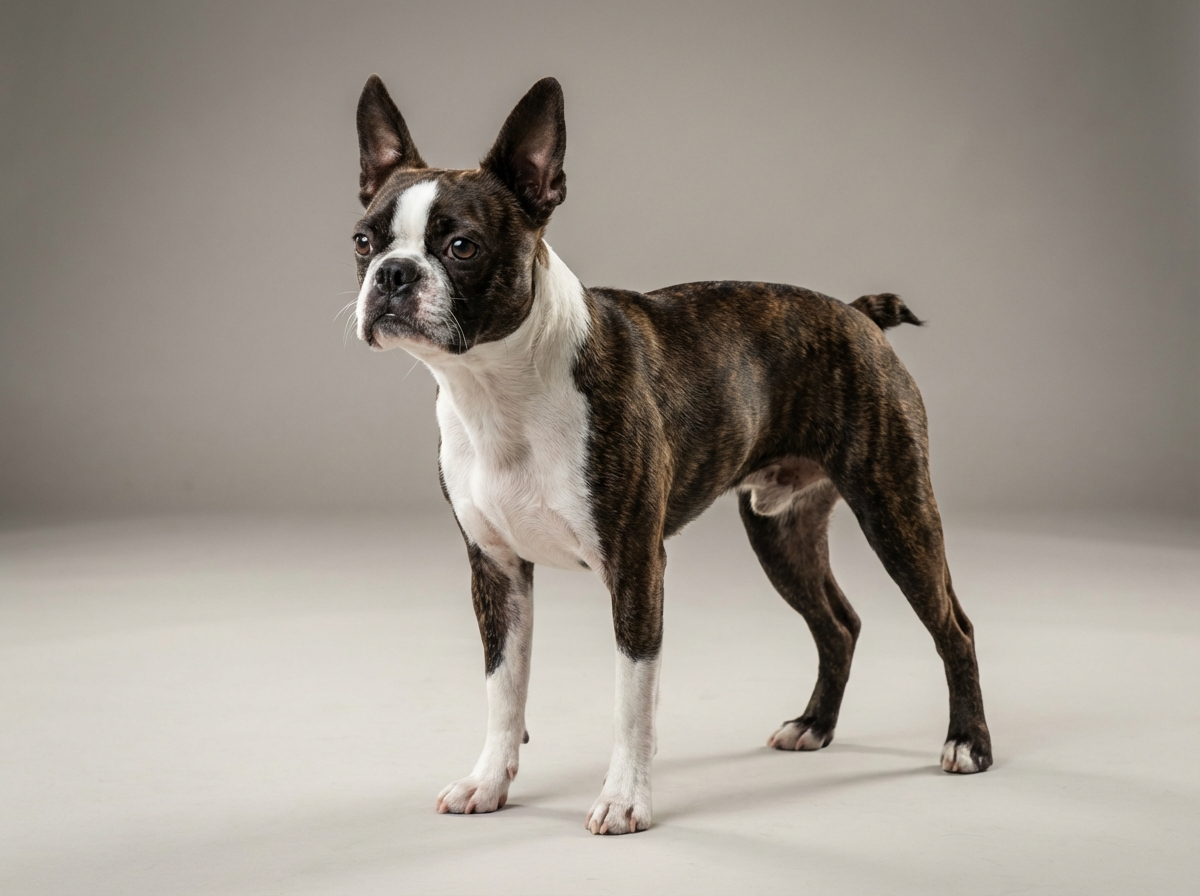
| Boston Terrier | Small | 12–25 lb | 2/5 | 3/5 | 8/10 |
| Cavalier King Charles Spaniel | Small | 13–18 lb | 2/5 | 1/5 | 7/10 |
| Shih Tzu | Small | 9–16 lb | 3/5 | 3/5 | 7/10 |
| Pug | Small | 14–18 lb | 2/5 | 2/5 | 7/10 |
| Bichon Frise | Small | 12–18 lb | 3/5 | 2/5 | 7/10 |
| Maltese | Small | 3–7 lb | 3/5 | 2/5 | 7/10 |
| Poodle (Miniature) | Small | 10–15 lb | 3/5 | 2/5 | 7/10 |
| Havanese | Small | 7–13 lb | 3/5 | 1/5 | 6/10 |
| Papillon | Small | 5–10 lb | 4/5 | 2/5 | 6/10 |
| Bulldog (English) | Medium | 40–50 lb | 2/5 | 3/5 | 7/10 |
| Basset Hound | Medium | 40–65 lb | 2/5 | 2/5 | 6/10 |
| Chinese Shar-Pei | Medium | 45–60 lb | 2/5 | 3/5 | 6/10 |
| Poodle (Standard) | Large | 45–70 lb | 3/5 | 2/5 | 4/10 |
| Mastiff (English Mastiff) | Giant | 120–250 lb | 1/5 | 3/5 | 4/10 |
Read the table by column, not by row order. If your building is noise-sensitive, sort on barking: the Mastiff comes out on top at 1 out of 5, ahead of the Bulldog, Basset Hound, French Bulldog, Boston Terrier, Cavalier, Pug and Chinese Shar-Pei at 2 out of 5. If you work full-time in an office, alone-time tolerance is the only column that matters and the list shortens to the French Bulldog, Boston Terrier, Shih Tzu, Bulldog, Shar-Pei and Mastiff. If a lease caps you at 30 lb, the top ten small breeds are your whole world.
The strongest small apartment dogs are the French Bulldog, Boston Terrier and Shih Tzu: all three bark at 2–3 out of 5, need under 45 minutes of exercise a day, and were bred to live indoors with people. They are the safest picks for a first dog in a flat.
After those three the choice depends on your schedule rather than the breed's quality. Work from home, or share the flat with someone who does? The Cavalier King Charles Spaniel and Havanese are the warmest dogs on the list, and both are miserable alone — a Cavalier scores 1 out of 5 for alone-time tolerance. Out of the house nine hours a day? Skip both, and look at the Frenchie (5/5), Boston Terrier or Shih Tzu (3/5).
If someone in the household reacts to dog hair, four of the small breeds score 10 out of 10 on our allergy-friendly scale: Shih Tzu, Maltese, Bichon Frise and Miniature Poodle. None of them is hypoallergenic in the literal sense — no dog is — but their coats shed far less into a small, carpeted space. The trade is grooming: expect a clip every four to six weeks and $60–$130 a visit depending on your city.
The two small breeds that need the most from you are the Miniature Poodle and the Papillon. Both are highly trainable and both get noisy and destructive when bored, which in a flat is the failure mode you will hear about from neighbours. Twenty minutes of deliberate training a day fixes it; walks alone do not.
Yes, a large dog can live in an apartment — and five of the 15 breeds here weigh more than 40 lb. The English Bulldog, Basset Hound and Chinese Shar-Pei are calm, quiet, medium-sized dogs that ask for two slow walks a day. The Standard Poodle and Mastiff are the large and giant options.
The English Bulldog is the clearest example of why weight is the wrong filter: at 40–50 lb it scores 7 out of 10 for apartment life, ahead of many terriers a quarter its size, because it barks at 2 out of 5 and its exercise need is 2 out of 5. The cost is medical — this is the most expensive breed on the list to keep healthy, and heat is genuinely dangerous for it.
The Basset Hound is equally calm indoors but has one loud problem: the bay. It is low-frequency, it carries through walls, and no amount of training removes it entirely. Consider it only if your neighbours are not directly behind your living room wall.
The Standard Poodle is the large breed most likely to succeed. It sheds almost nothing, it is quiet in the flat, and it folds into a small living room — provided it gets a real hour outside every day. The Mastiff is the outlier: the lowest barking score in our entire dataset, an exercise need of 2 out of 5, and a dog that sleeps most of the day. What rules it out is almost never temperament; it is the weight limit in the lease and the absence of a lift.
In a flat, the three failure modes are noise complaints, separation anxiety and an under-exercised dog wrecking the place. None of them is predicted by weight. Plan for all three before you choose a breed.
Noise is manageable if you pick for it. A dog scoring 1–2 on barking will still alert at the door; the difference is that it stops. Dogs at 4–5 — the Chihuahua, Pomeranian, Yorkshire Terrier, Dachshund and Miniature Schnauzer among the small breeds — need active training from the first week, and in a building with thin walls that training is not optional. Corridor traffic, lift chimes and the bin lorry are the usual triggers, and a flat exposes all three.
Separation anxiety is the reason most apartment placements fail in the first six months. Breeds bred to be companions — Cavalier, Havanese, Maltese, Bichon — are the most affected, and the pattern is barking, howling or destruction in the first hour after you leave. If you work outside the home, either choose a breed rated 3 or higher for alone-time tolerance, or build a dog walker into the budget from day one.
Exercise is the easiest of the three to solve and the one people most often underestimate. Without a yard, everything happens on your schedule: two or three walks a day in all weather, plus indoor enrichment on the days that fall apart. Breeds rated 2 out of 5 for exercise need make that sustainable. Breeds rated 4–5 turn it into a second job.
Six popular breeds we would not put in a flat without a specific plan. In every case the problem is barking, exercise need or alone-time tolerance — not the number on the scales.
None of these is a ban. Plenty of Huskies live in city apartments with owners who run at 6am, and plenty of Chihuahuas are quiet because someone trained them at 10 weeks old. The point is that each one imports a known problem into a space that amplifies it, so the decision needs to be deliberate rather than a default. If you already own one of them, the breed's own problem pages on this site cover the behaviour work in detail.
Every figure on this page comes from the same dataset that powers the breed pages on this site: 66 documented breeds, each with a barking level, exercise need, alone-time tolerance, shedding level, grooming need and adult weight range, plus six lifestyle scores from 0 to 10.
The apartment score is one of those six. It weighs barking, exercise need, alone-time tolerance and grooming load, and it deliberately does not weigh popularity or price. That is why the ranking here does not match the usual top-ten lists: the breeds that sell well in cities are not always the breeds that cope with them.
We update these numbers when the underlying breed data changes, and the same figures appear on each breed's own page, so you can check any row of the table against its source. Where a breed's suitability depends on your schedule rather than the breed itself — the Cavalier and Havanese are the clearest cases — we say so rather than averaging it away. Our editorial approach and the sources behind the breed data are documented on the editorial policy and sources pages.
The quietest popular small breed on our scoring, and the one that copes best with a working day alone.
A Frenchie barks less than almost anything else its size, needs two short walks rather than a run, and settles on a sofa for hours. That combination is what an apartment actually asks for.
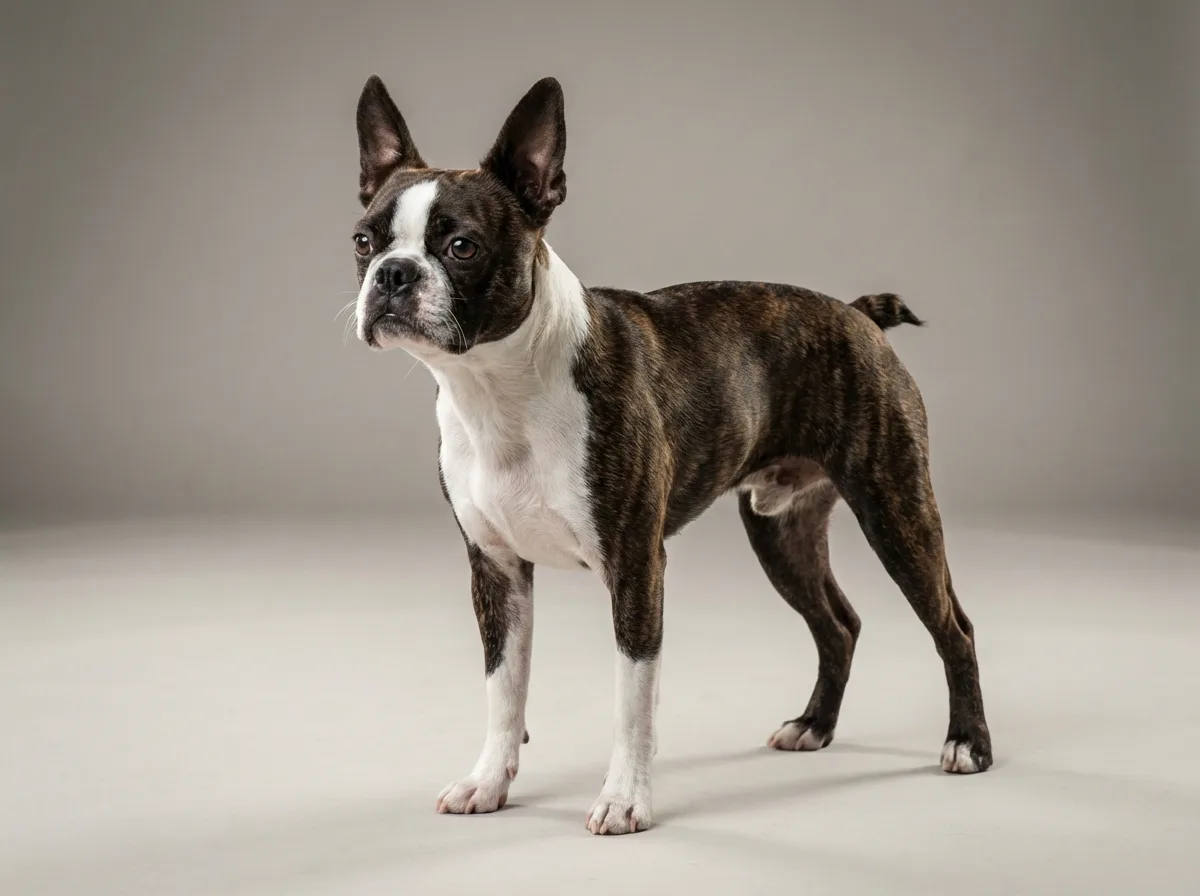
Frenchie temperament in a lighter, longer-nosed dog that handles stairs and summer better.
Quiet, short-coated and content with a 30-minute walk plus indoor play, the Boston fits a one-bedroom flat without the Frenchie's heat sensitivity.
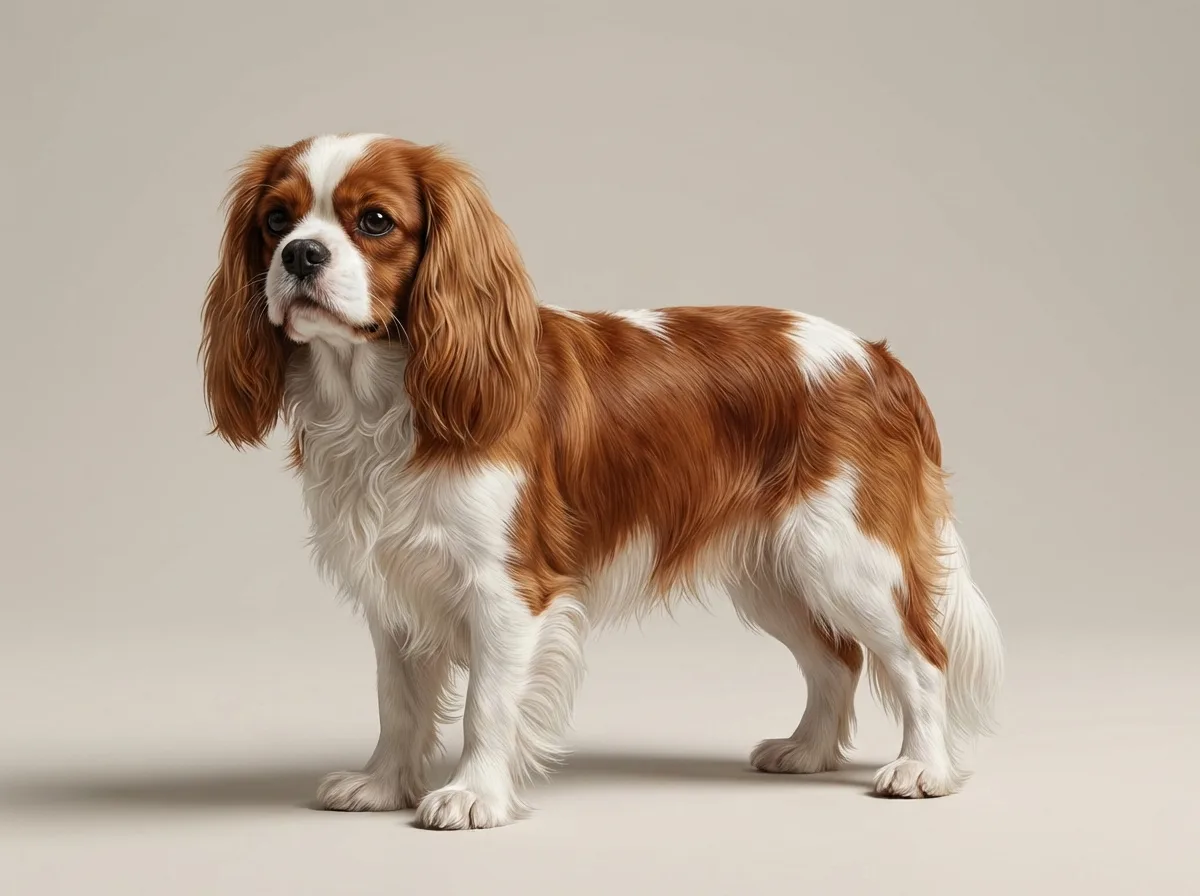
The friendliest small dog on this list, provided someone is home most of the day.
Cavaliers are quiet with neighbours, small enough for any flat, and unusually tolerant of lifts, cafés and visitors.
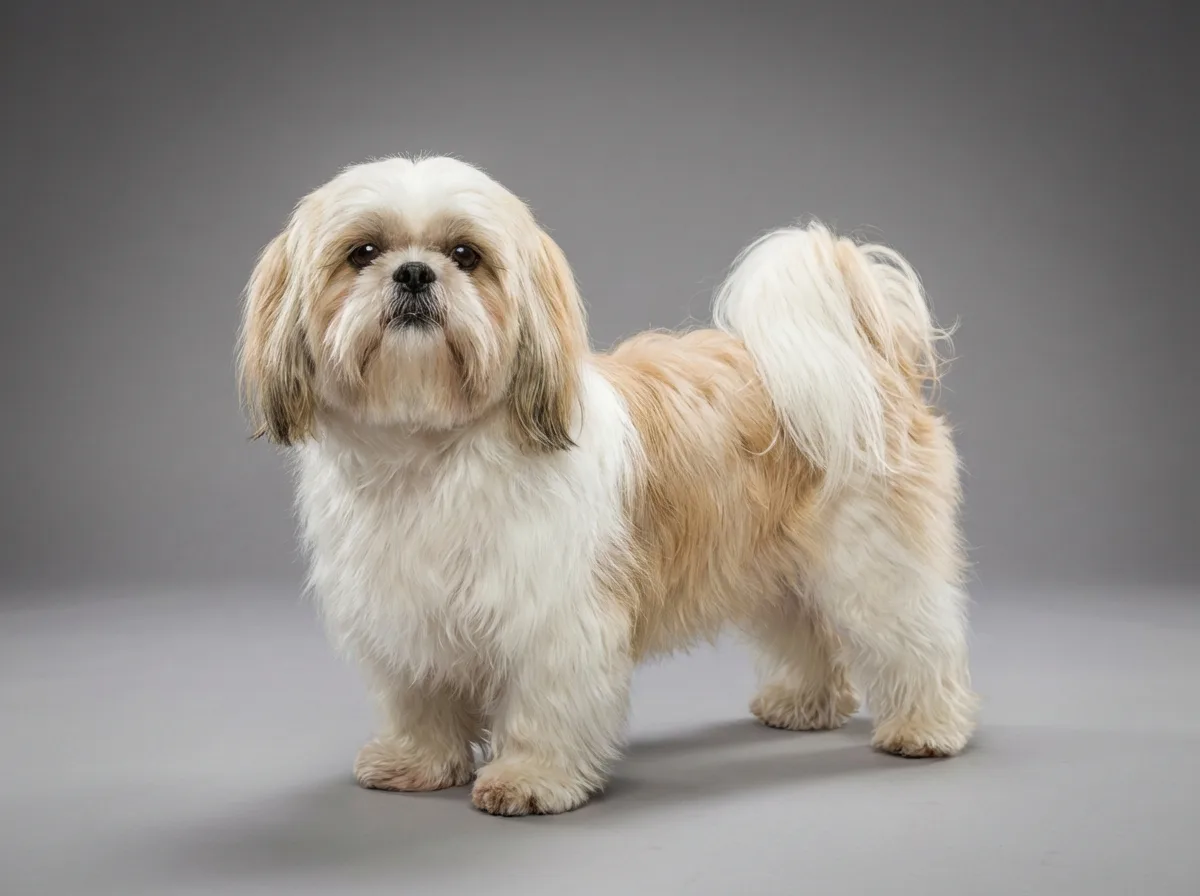
A lap dog bred for indoor life that needs grooming money rather than exercise space.
Nine to sixteen pounds, happy with two short walks, and one of the most allergy-friendly coats we score. Apartment life is what the breed was built for.
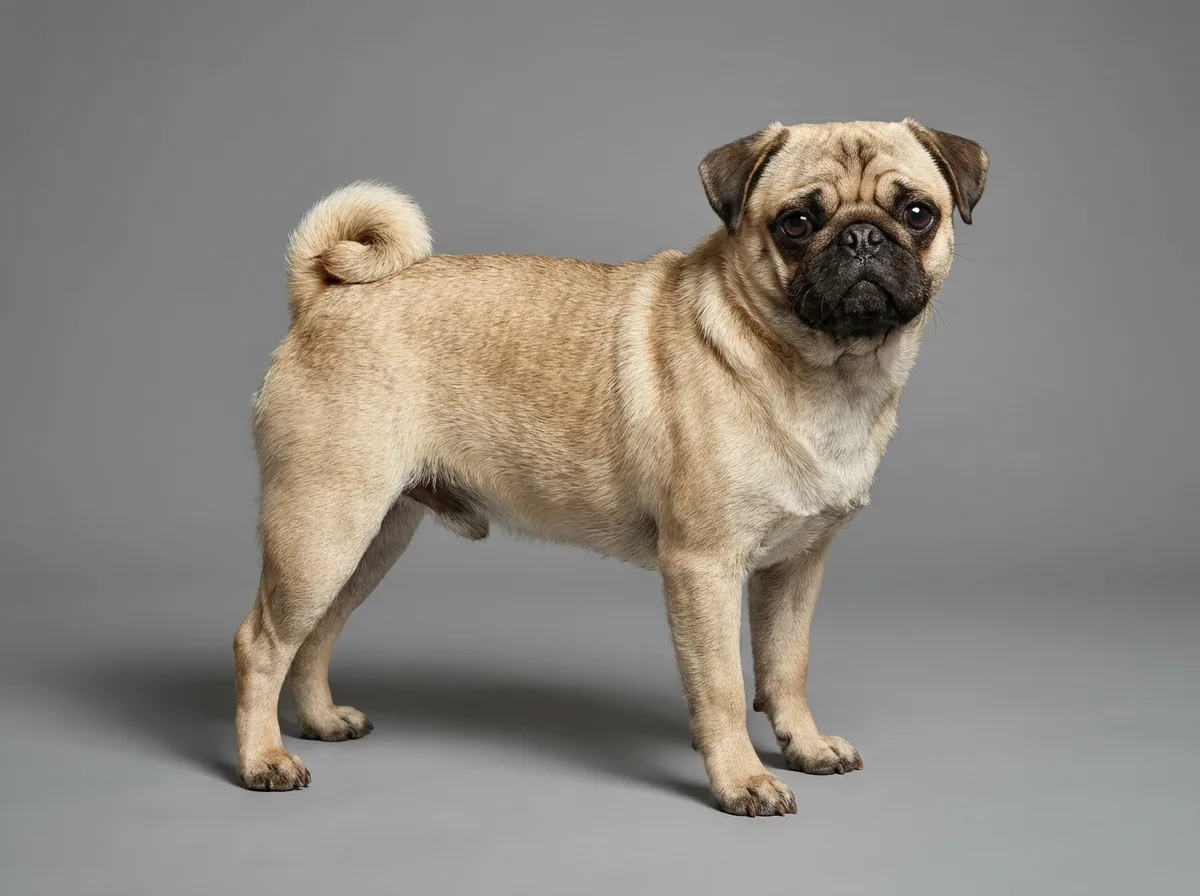
Low exercise needs and a very low bark score, with a health file you have to take seriously.
Pugs want company and a sofa more than a yard, which makes them easy neighbours in a shared building.
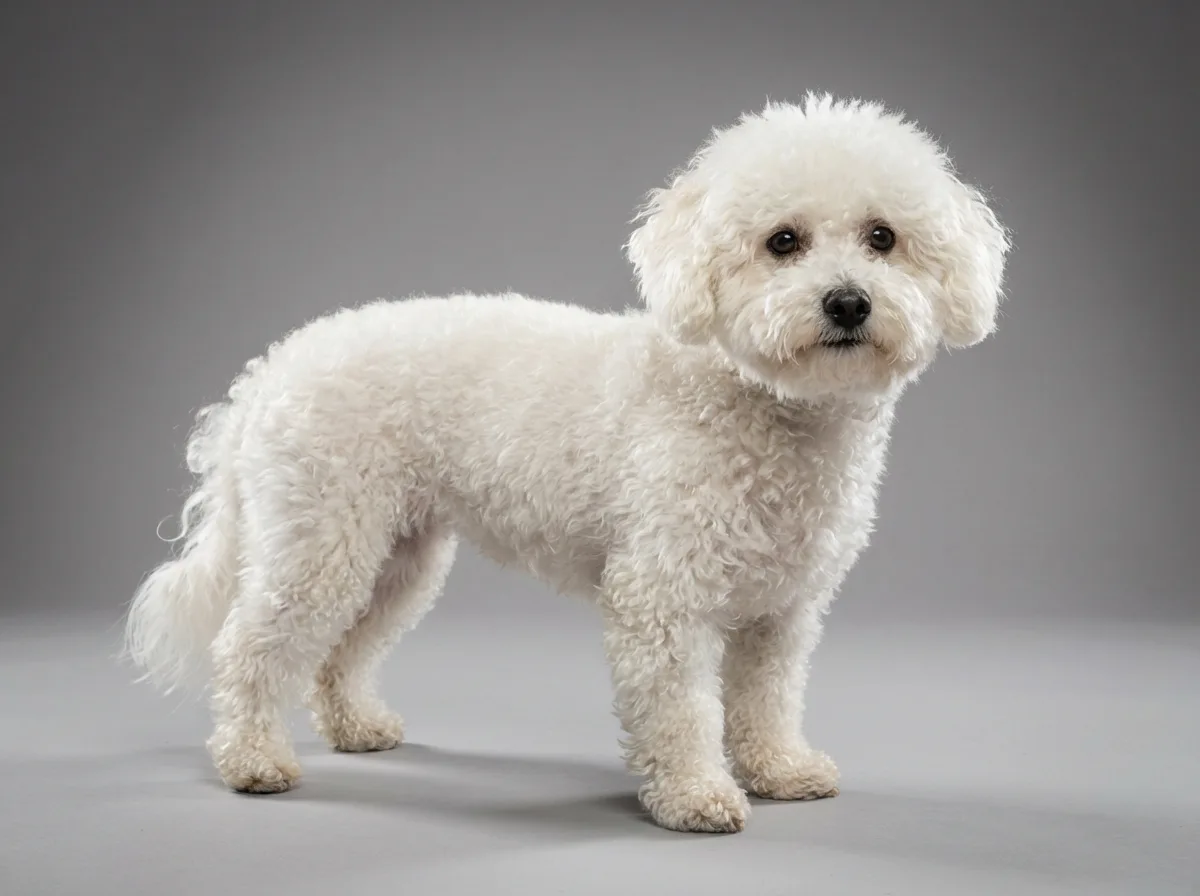
A low-shedding coat and a cheerful temperament that suits shared corridors and lifts.
The Bichon is small, sociable and one of the best options if someone in the flat reacts to dog hair.
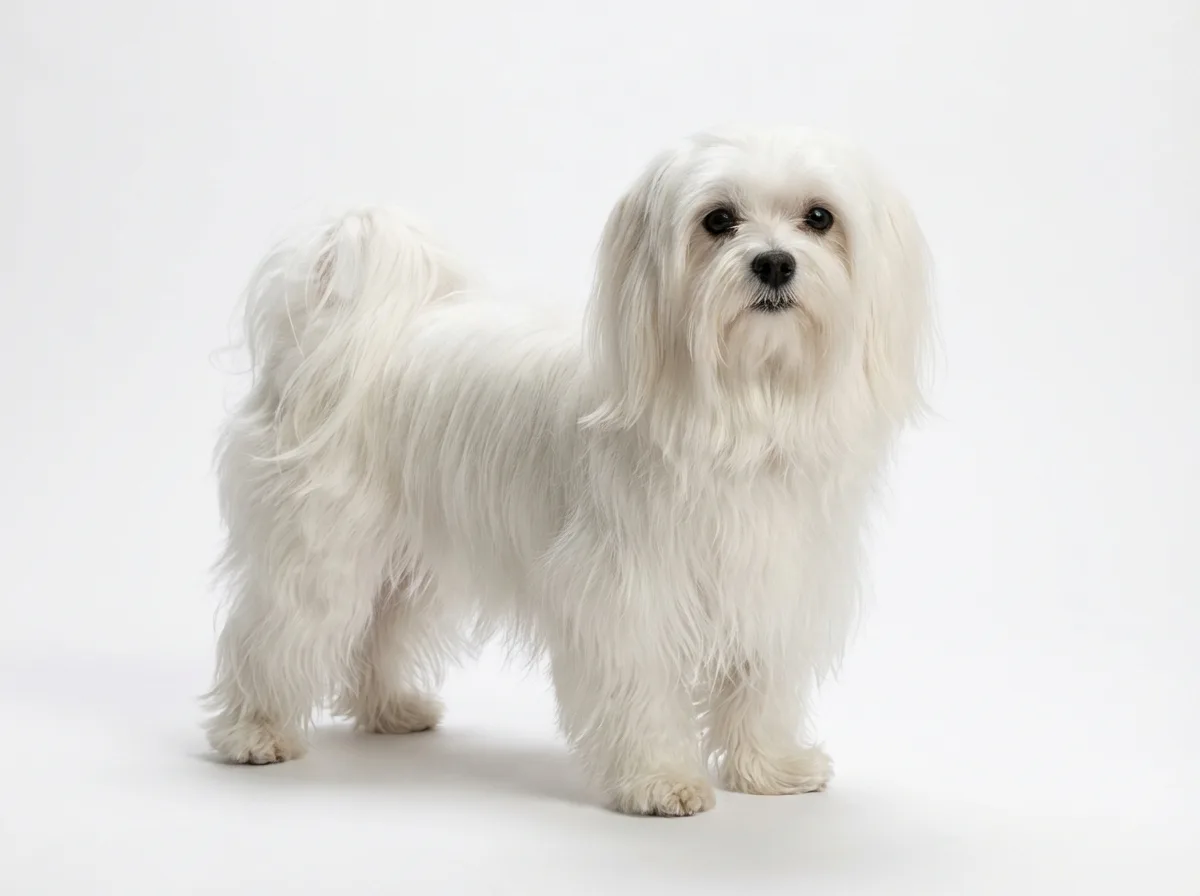
The lightest breed here at 3–7 lb, and easy to carry through a building that bans dogs from lifts.
A Maltese needs almost no space and very little exercise, and its coat drops next to nothing on the furniture.
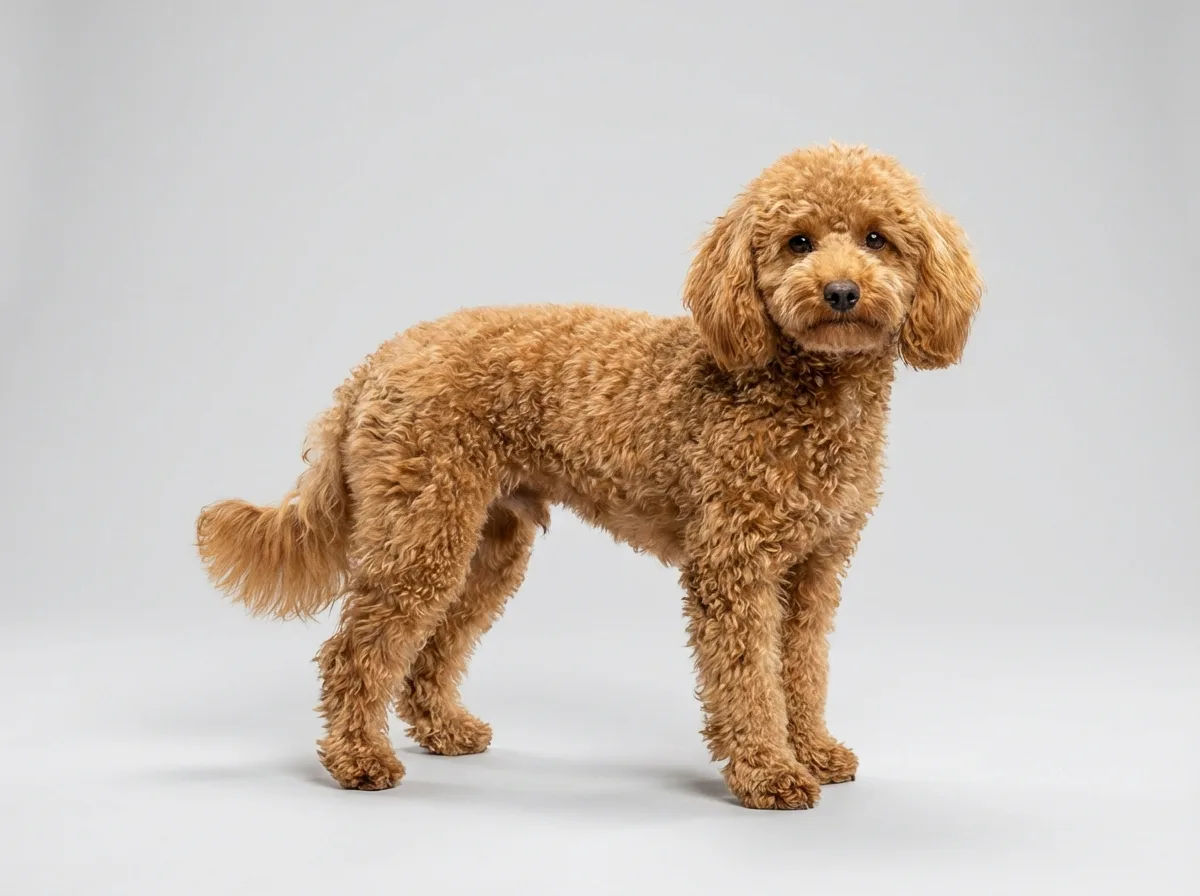
The smartest breed on this list, and the one most likely to invent problems if under-worked.
A Miniature Poodle is compact, allergy-friendly and quiet, and it will take training in a hallway as seriously as a field.
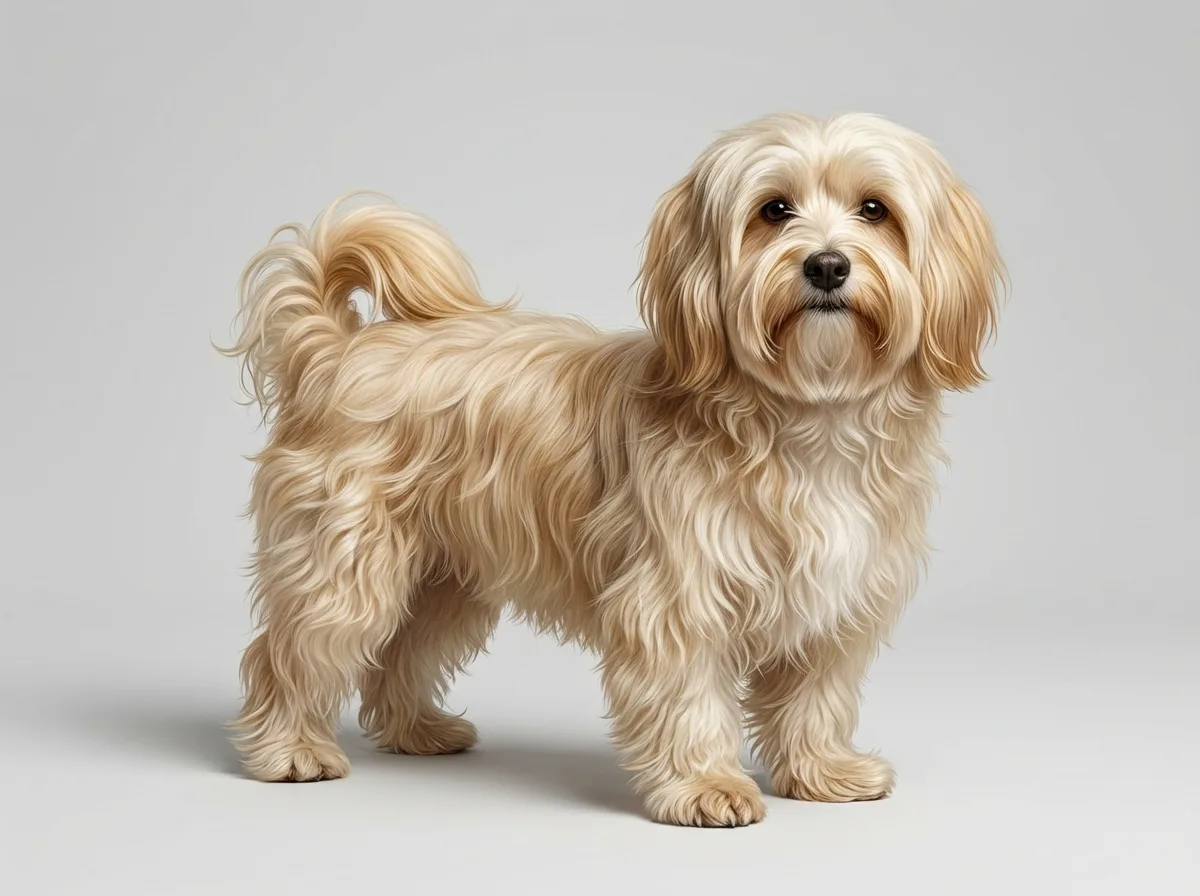
Bred as a companion dog for city houses; it wants to be with you, not outside.
Small, low-shedding and easy in a lift, the Havanese suits people who work from home or share the flat with someone who does.
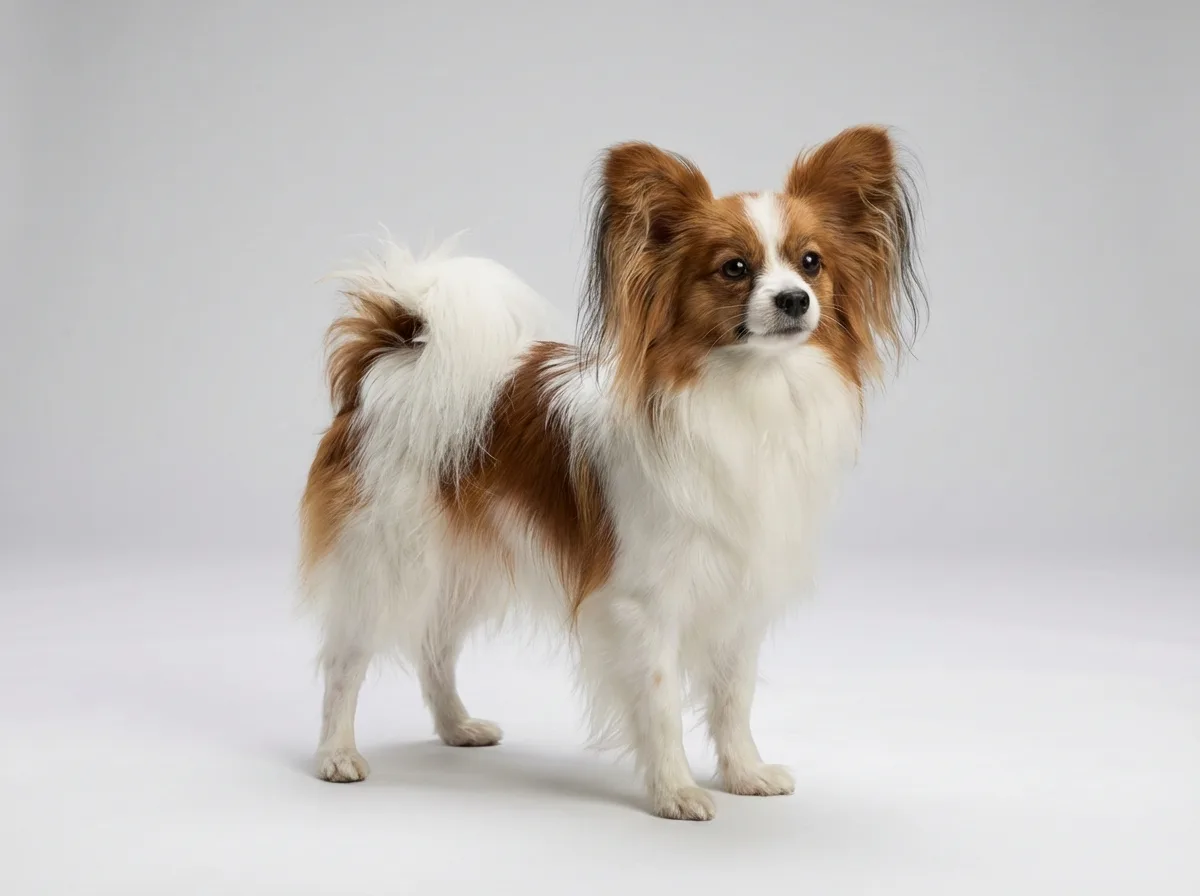
The most trainable small dog here, and the best pick if you want agility without a yard.
Five to ten pounds, no undercoat to shed on the sofa, and enough brain to be entertained indoors on a wet week.
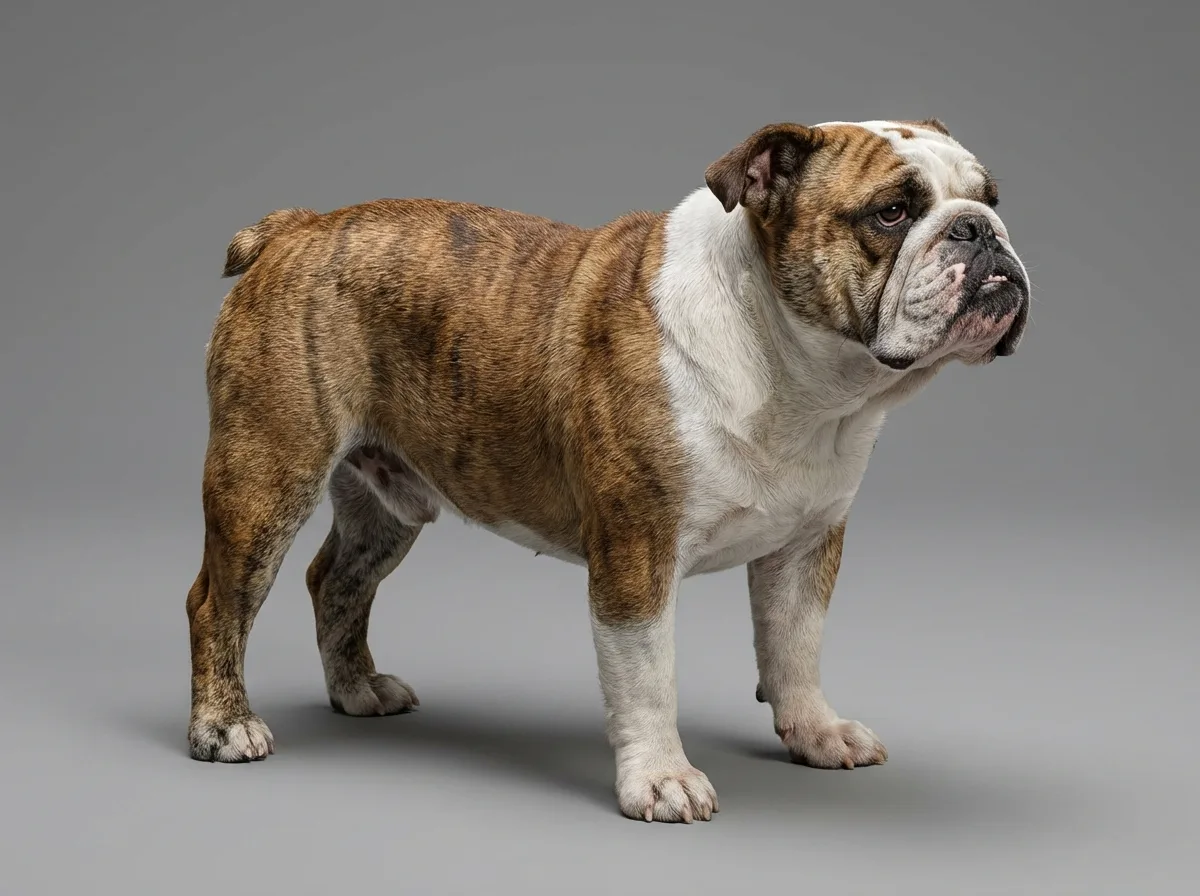
The medium-sized proof that weight matters far less than energy in a flat.
Forty to fifty pounds of dog that wants two slow walks and a nap. On our scoring the Bulldog beats most terriers a quarter of its size.
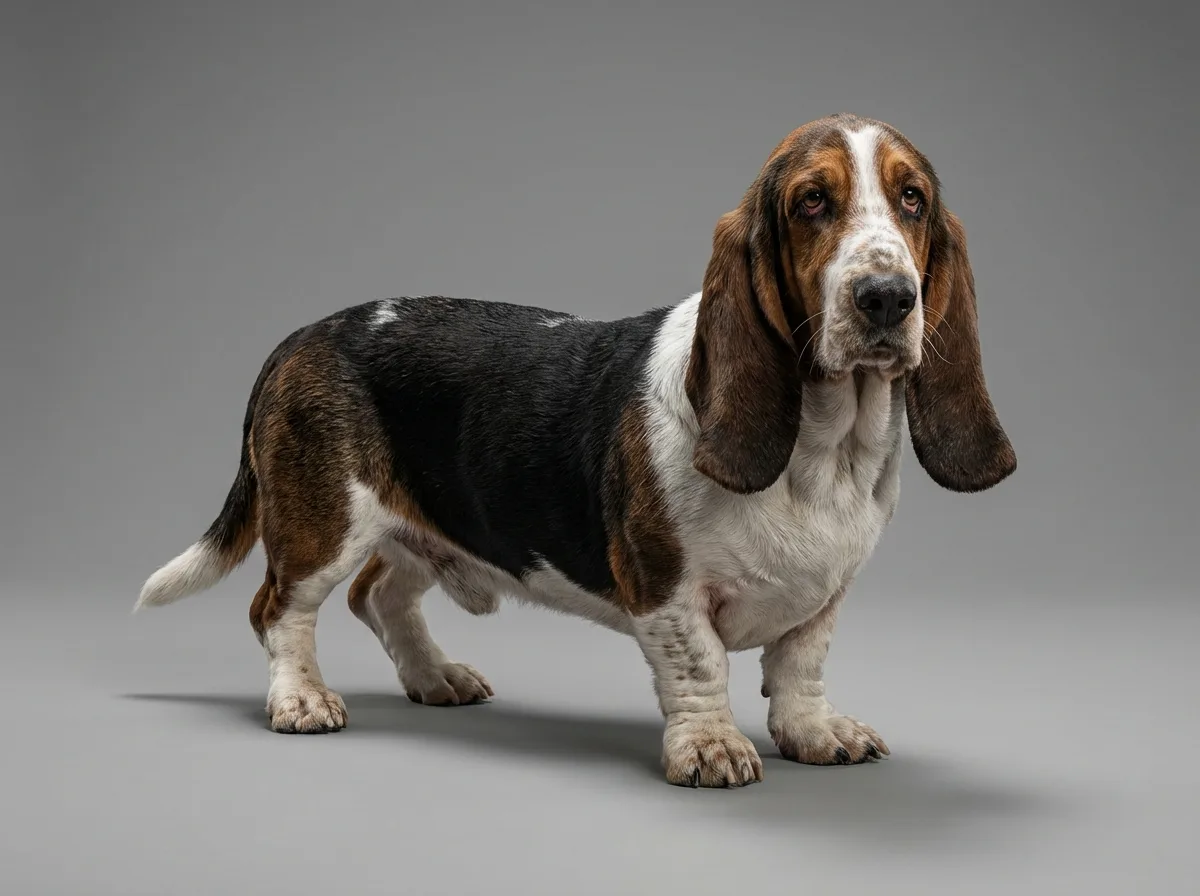
Low-energy and famously calm indoors — with a voice that carries through walls.
A Basset is happy with a steady 30-minute sniff-walk and will sleep the rest of the day in 700 square feet.
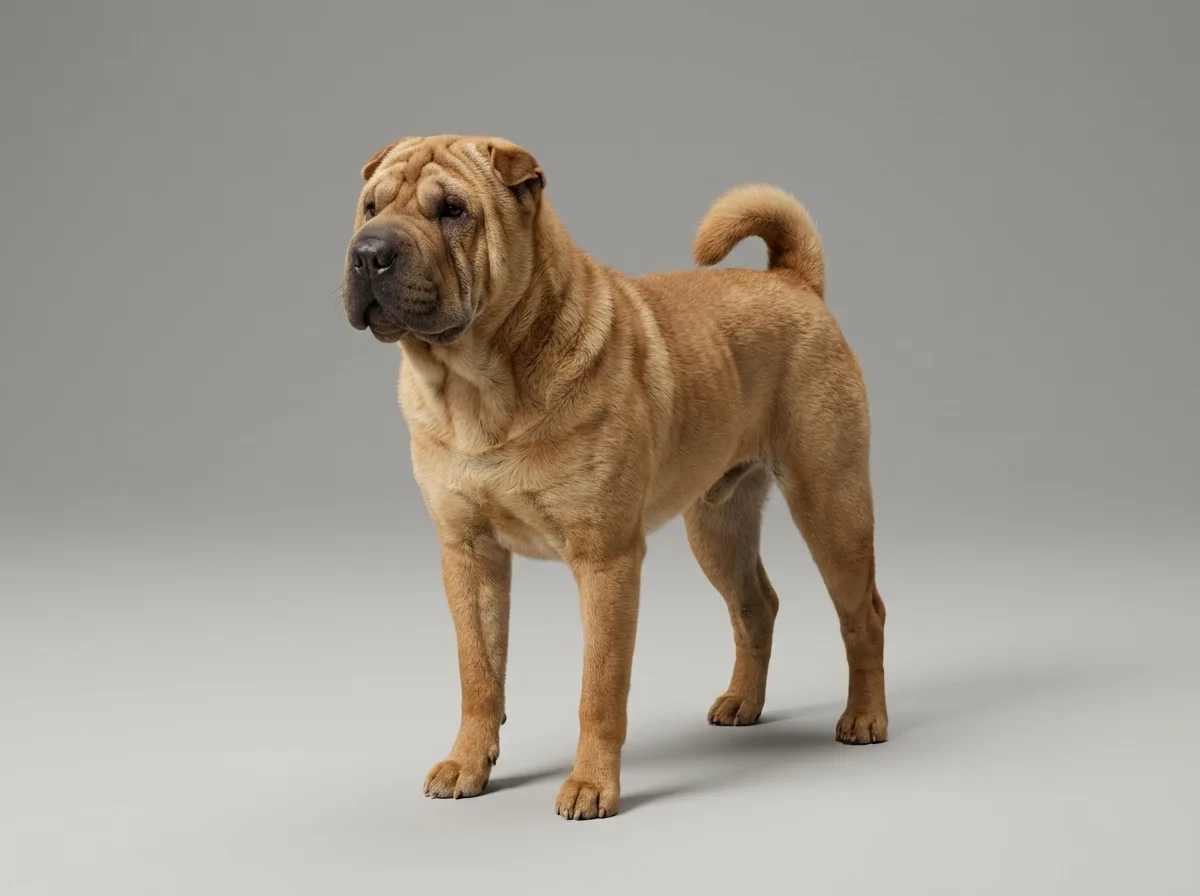
A quiet, aloof dog that treats a small flat as a den rather than a cage.
Low barking, moderate exercise and a short coat make the Shar-Pei workable in an apartment for an experienced owner.
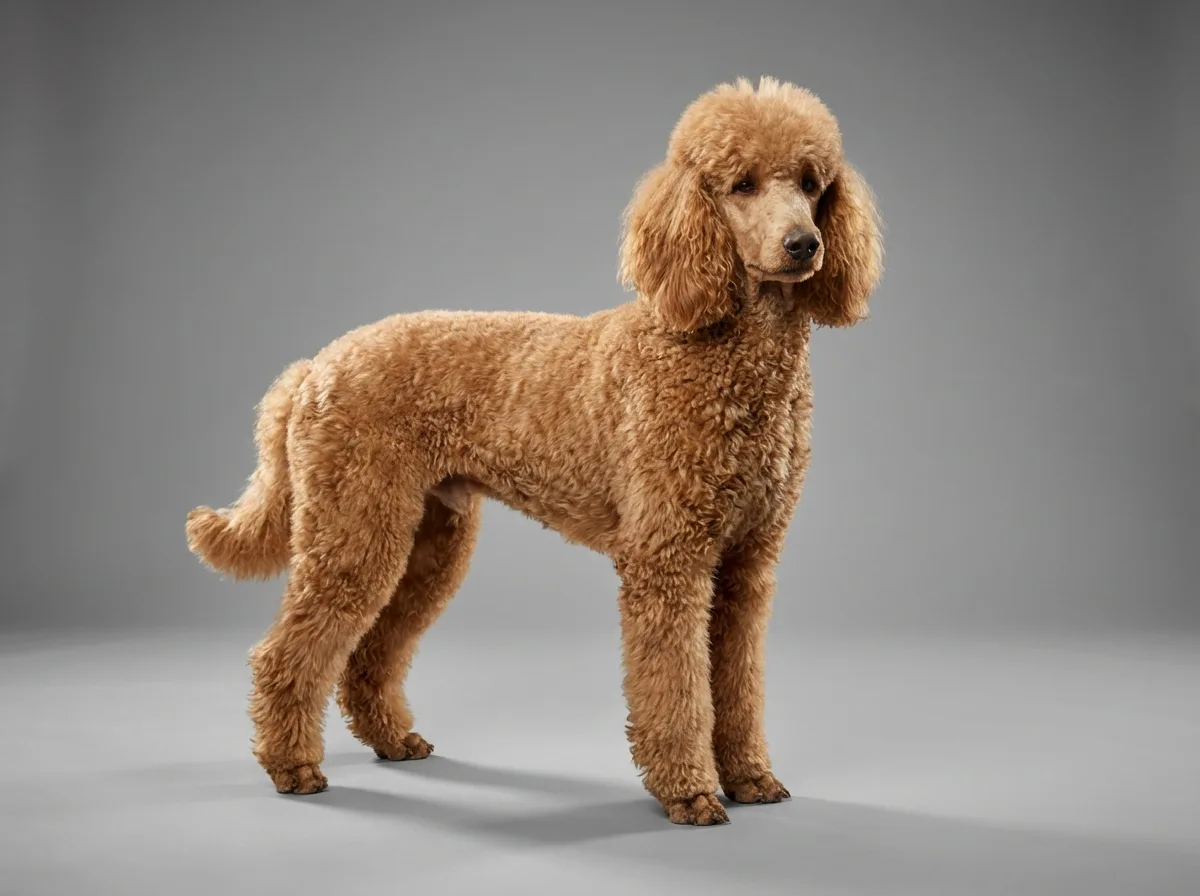
The large breed most likely to work in a flat, if you can commit to real daily exercise.
A Standard Poodle is quiet indoors, sheds almost nothing, and folds itself away in a small living room — as long as it gets an hour outside.
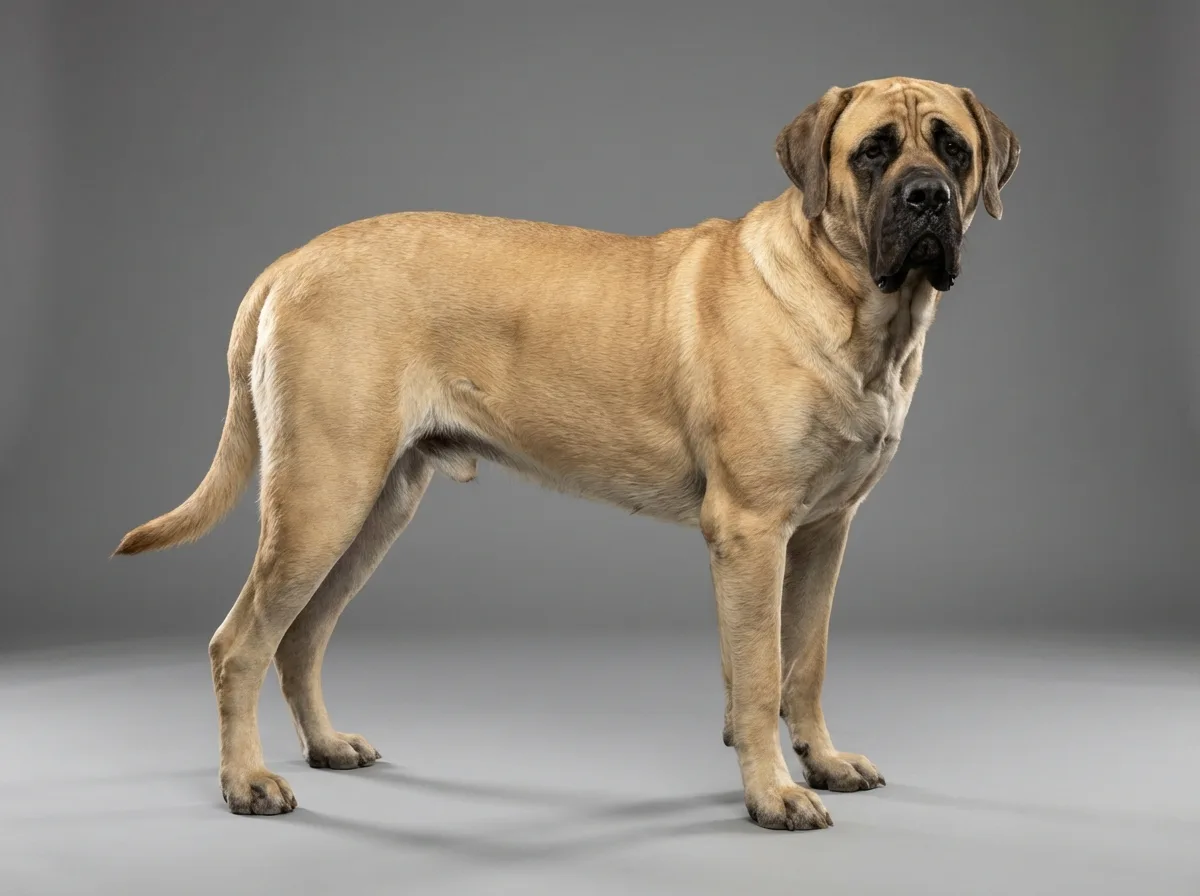
The lowest barking score in our whole dataset, in a dog that sleeps most of the day.
Giant breeds surprise people: a Mastiff needs two short walks and a floor to lie on, and neighbours rarely hear it at all.
A reader in a third-floor walk-up narrowed a shortlist to a Yorkshire Terrier and a French Bulldog, assuming the smaller dog was the safer choice for a shared building. On our scoring the Yorkie barks at 4 out of 5 and tolerates being alone at 2 out of 5; the Frenchie sits at 2 and 5. She was out of the flat from 8am to 6pm four days a week. She went with the French Bulldog, added a midday walker two days a week for the first month, and had no complaints from the neighbours below. The stairs, not the square footage, turned out to be the real constraint — a brachycephalic dog on three flights in July needs the walk timed for the morning.
Key takeaway: In a flat, choose on barking and alone-time tolerance first, size third — then check the stairs and the lease before you commit.
The French Bulldog, Boston Terrier and Cavalier King Charles Spaniel top our apartment scoring, followed by the Shih Tzu, Pug, Bichon Frise, Maltese and Miniature Poodle. All are quiet, need under 45 minutes of exercise a day, and were bred to live indoors with people rather than to work outdoors.
Among dogs, a small companion breed with a low barking level and good alone-time tolerance — the French Bulldog and Boston Terrier are the clearest picks. The honest answer is that the best apartment pet depends on your hours: if you are out nine hours a day, a dog rated 1 or 2 for alone-time tolerance will not cope, however small it is.
Choose from the breeds rated 3 or higher for alone-time tolerance: the French Bulldog (5/5), Boston Terrier, Shih Tzu, English Bulldog, Chinese Shar-Pei and Mastiff (all 3/5). Cavaliers, Havanese, Maltese and Dachshunds sit at 1–2 out of 5 and need either someone at home or a midday walker booked from the first week.
Pick on barking level first. The Mastiff (1/5), French Bulldog, Boston Terrier, Pug, Cavalier, English Bulldog, Basset Hound and Chinese Shar-Pei (all 2/5) are the quietest breeds we score. Avoid the Chihuahua at 5 out of 5 and the Pomeranian, Yorkshire Terrier, Dachshund, Papillon and Miniature Schnauzer at 4 out of 5.
Yes — the French Bulldog scores 9 out of 10 on our apartment scale, the highest of the 66 breeds we document. It barks at 2 out of 5, needs about two 20-minute walks a day, and tolerates being alone better than any other popular small breed. The caveats are health, not housing: it is brachycephalic, so heat, air travel and hard exercise carry real risk, and it is among the most expensive small breeds to insure.
Yes. Five breeds on this list weigh over 40 lb, and the Mastiff has the lowest barking score in our dataset. Large calm breeds often suit a flat better than small vocal ones, because floor space matters less than noise and exercise need. What usually rules them out is the lease — weight limits and buildings without lifts — rather than the dog.
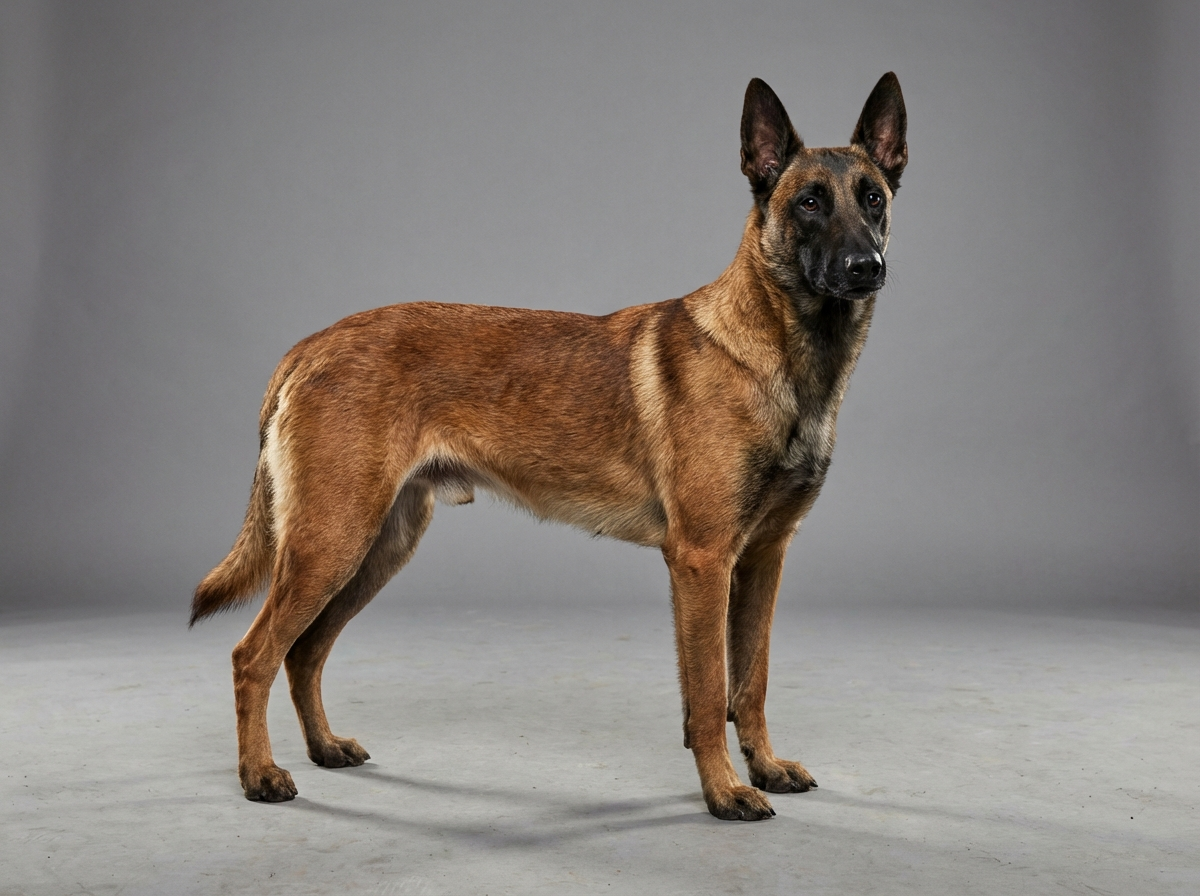
Plan for two to three walks a day totalling 40–60 minutes for the low-energy breeds on this list, plus 10–20 minutes of indoor enrichment such as training, chews or puzzle feeders. Breeds rated 4–5 for exercise need — Huskies, Border Collies, Malinois — need an hour or more of real work daily, which is what makes them a poor fit without outdoor space.
Many do, usually through a weight limit, a cap on the number of pets, or a list of restricted breeds in the lease or the building's insurance policy. Check the lease and the building's insurer before you choose a breed, not after — restrictions are set by the landlord and the insurer, and they vary by building and by city rather than following any national rule.
French Bulldog, Boston Terrier and Cavalier King Charles Spaniel score highest on our apartment scale (9, 8 and 7 out of 10). All three bark at 2 out of 5 and need under 45 minutes of exercise a day.
The Mastiff, at 1 out of 5 for barking — the lowest score in our dataset. Among small breeds, the French Bulldog, Boston Terrier and Pug are the quietest at 2 out of 5.
No. Breeds with an exercise need of 2 out of 5 are satisfied by two 20-minute walks plus indoor play. A yard mainly saves you time, not the dog's wellbeing.
Take the Lifestyle Match quiz to see which of these breeds truly fits your day-to-day life.
Take the quizThe shortlist for your situation, with the one reason to skip each breed.
You get: Shortlist + avoid-if notes
No spam. One-click unsubscribe. See our privacy policy.

DogBreedCompass is an information website. Everything here - including breed traits, cost estimates, health explanations and calculator results - is general reference material shared for information only. It is not veterinary, medical, legal, or financial advice, and reading it does not create a veterinarian-client-patient or any other professional relationship.
We research and check what we publish, but we do not warrant that any figure, date, price, or statement is accurate, complete, or current, and we accept no liability for any loss, cost, injury, or other harm arising from the use of this site. Use it as one reference among several. You remain responsible for your own decisions and for your dog's care - confirm anything that matters with a licensed veterinarian or another qualified professional before you act on it.
Read the full disclaimer for the complete position on accuracy, liability and your responsibility as the reader.
Not sure which breed is right for you? Take our 2-minute quiz to find out.
Take the quiz