Training
What are some quick tips for French Bulldog anxiety?
For quick relief from French Bulldog anxiety, try creating a safe space, using calming aids, and practicing positive reinforcement training.

Quick answer
What are some quick tips for French Bulldog anxiety?
For quick relief from French Bulldog anxiety, try creating a safe space, using calming aids, and practicing positive reinforcement training.
Is your French Bulldog anxious or fearful? You're not alone, and there are ways to help them feel better.

This guide is for French Bulldog owners who are noticing signs of anxiety in their pets, whether they're first-time owners or seasoned dog lovers. If your Frenchie seems nervous or distressed in certain situations, this guide will provide you with actionable tips and training strategies.
French Bulldog anxiety can often stem from their affectionate nature and need for companionship. They might experience anxiety due to separation from their owners or changes in their environment.
If home strategies don't improve the situation after a few weeks, consider seeking a trainer who specializes in anxiety.
If anxiety leads to severe destructive behavior, excessive barking, or health issues, it's important to consult a vet or behaviorist.
There are several helpful tools and products designed to alleviate anxiety in French Bulldogs. From calming aids to training resources, these can support your dog's well-being.




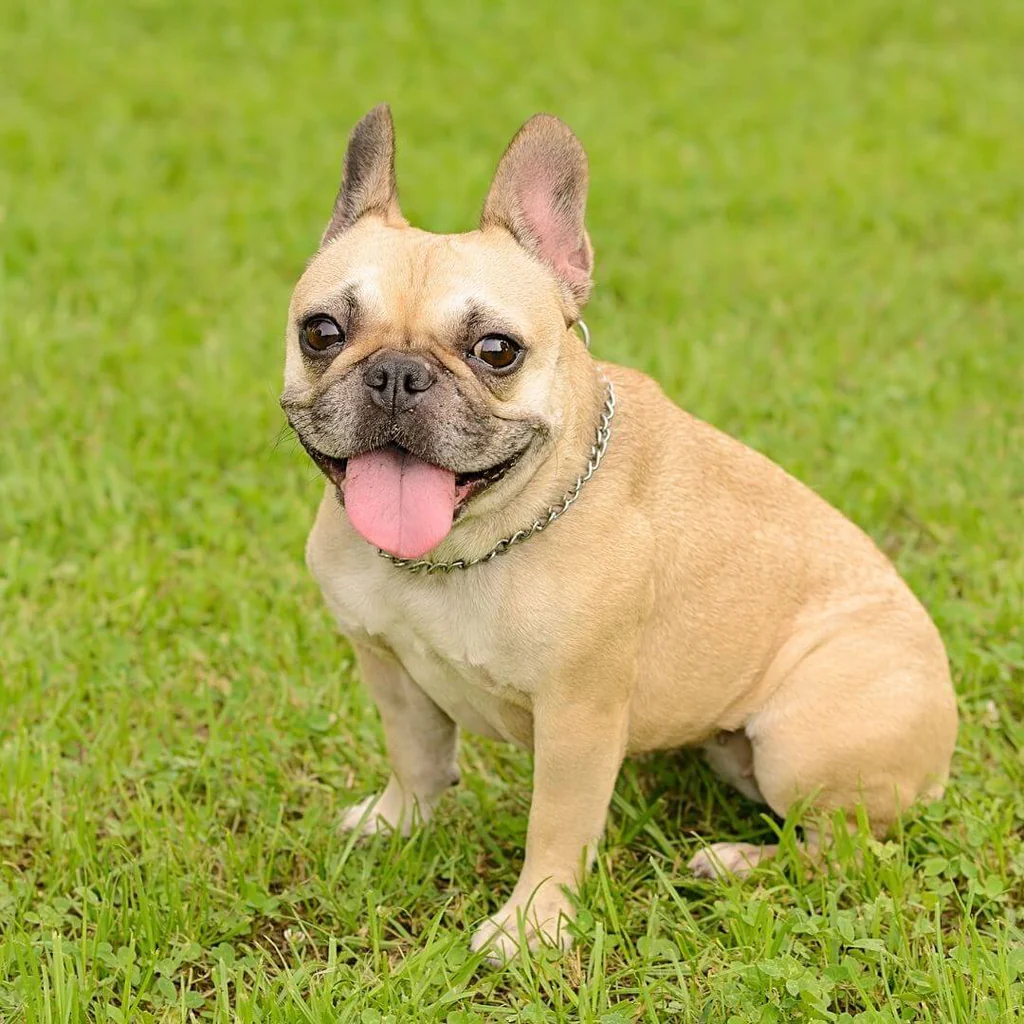

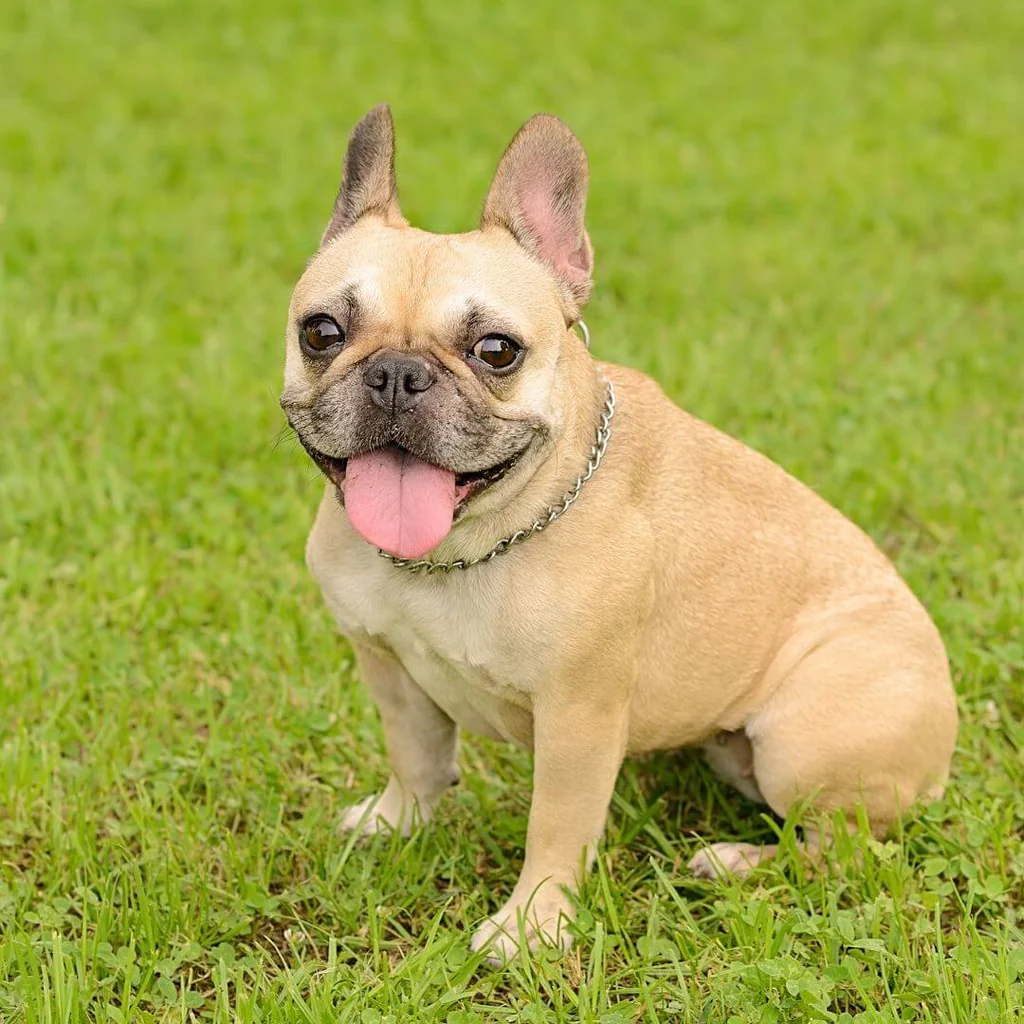



Anxiety in this breed is easy to miss because two of its signs look like the breed itself. French Bulldogs breathe noisily and pant readily, so heavy panting and restlessness get written off as normal. In an anxious dog they come with other things: pacing, an inability to settle, clinginess that escalates when you move towards the door, and vocalising that starts as soon as you leave.
Other signs are clearer. Destructive chewing focused on exit points rather than on toys. House-soiling in an otherwise clean dog. Refusing food while you are out, then eating the moment you return. Excessive licking or chewing at the paws, which in this breed can also be a skin allergy and is worth a vet's opinion either way.
The breed's history explains most of it. French Bulldogs were developed as companion dogs to sit with people all day, and they generally do not cope well with long stretches alone. That is a compatibility question to answer before buying, not a training problem to solve afterwards.
Start with a vet visit, because in this breed discomfort and anxiety look alike. Restlessness and panting can come from a breathing problem, pain, or skin irritation, and no amount of behaviour work fixes a physical cause.
Once health is ruled out, the approach is gradual absence training: leave for a length of time short enough that the dog stays calm, return before it becomes distressed, and extend slowly over weeks. Departures and returns should be low-key — a long emotional goodbye raises the stakes rather than lowering them.
Two supports do most of the practical work. Cover during the day, so the dog is not rehearsing panic for eight hours while you train, and enrichment that leaves it genuinely tired: for a brachycephalic dog that means scent games, food puzzles and short training sessions rather than long walks, which it cannot safely do in warm weather.
If the dog is injuring itself or making no progress, ask your vet about referral to a veterinary behaviourist. Severe separation-related distress is a recognised condition and medication alongside behaviour work is sometimes appropriate.
Oliver, a 3-year-old French Bulldog, struggled with severe separation anxiety. His owner, a busy nurse in Chicago, often left him alone for long shifts. Oliver would bark non-stop and chew furniture. After researching strategies, his owner created a cozy space for him and used a calming collar. With consistent training and playtime before shifts, Oliver began to feel more secure and relaxed when left alone.
Key takeaway: Creating a comforting environment and sticking to routines can significantly reduce anxiety in French Bulldogs.
French Bulldog anxiety can stem from various factors, including their sensitive nature, past experiences, or changes in their environment. It's essential to identify triggers to help manage their stress.
To stop French Bulldog anxiety, consider implementing a consistent routine, providing plenty of exercise, and using calming techniques like training and environmental enrichment.
Most cannot, comfortably. The breed was developed as a constant companion and four hours is a realistic ceiling for many individuals without a specific plan in place. If your working day is long, budget for a midday walker or daycare from the start rather than waiting to see whether the dog copes.
Usually not. Separation-related distress is about the absence of a person, and a second dog is more often a second dog with the same problem. It also doubles the cost of a breed that is already expensive to insure. Address the behaviour first; consider a second dog only because you want one.
Evidence for over-the-counter calming products is thin, and they do not address the underlying learning. They may take a small edge off mild cases alongside a training plan. For anything more than mild, discuss prescription options with your vet rather than working through supplements on your own.
For quick relief from French Bulldog anxiety, try creating a safe space, using calming aids, and practicing positive reinforcement training.
Helping an anxious French Bulldog involves understanding their triggers, providing consistent training, and ensuring they have a calming environment.
Anxiety and pain look alike from the outside. Get the prep sheet for this breed's separation-anxiety page and take it to the vet.
You get: Vet visit prep sheet
No spam. One-click unsubscribe. See our privacy policy.
Preview page 1 before you decide.



This guide is not medical advice. If your dog shows pain, sudden behavior change, or worsening symptoms, consult a licensed veterinarian.
Some links may be affiliate links. We may earn a commission at no extra cost to you. We only suggest products we believe are helpful for dog owners.
We research and check what we publish, but we do not warrant that any figure, date, price, or statement is accurate, complete, or current, and we accept no liability for any loss, cost, injury, or other harm arising from the use of this site. Use it as one reference among several. You remain responsible for your own decisions and for your dog's care - confirm anything that matters with a licensed veterinarian or another qualified professional before you act on it. Full disclaimer.
Not sure which breed is right for you? Take our 2-minute quiz to find out.
Take the quiz