Can I Have a Dog in an Apartment? Essential Tips for Pet Owners
Thinking about getting a dog while living in an apartment? This guide will help you understand the rules and tips for keeping dogs in small spaces.
Can I Have a Dog in an Apartment?
Many potential dog owners wonder, 'Can I have a dog in an apartment?' The good news is that yes, you can! However, it requires careful consideration of your living space, lifestyle, and the needs of your dog. Deciding to welcome a furry friend into your apartment is a big commitment, and understanding the ins and outs of apartment living with a dog is crucial.
Apartment dog rules can vary and may include restrictions on breed, size, or even the number of pets allowed. Knowing these rules ahead of time can help you avoid any surprises when you move in or renew your lease. Additionally, some buildings might charge pet deposits or monthly pet fees. It’s essential to check with your landlord and understand what’s expected if you want to rent with dogs.
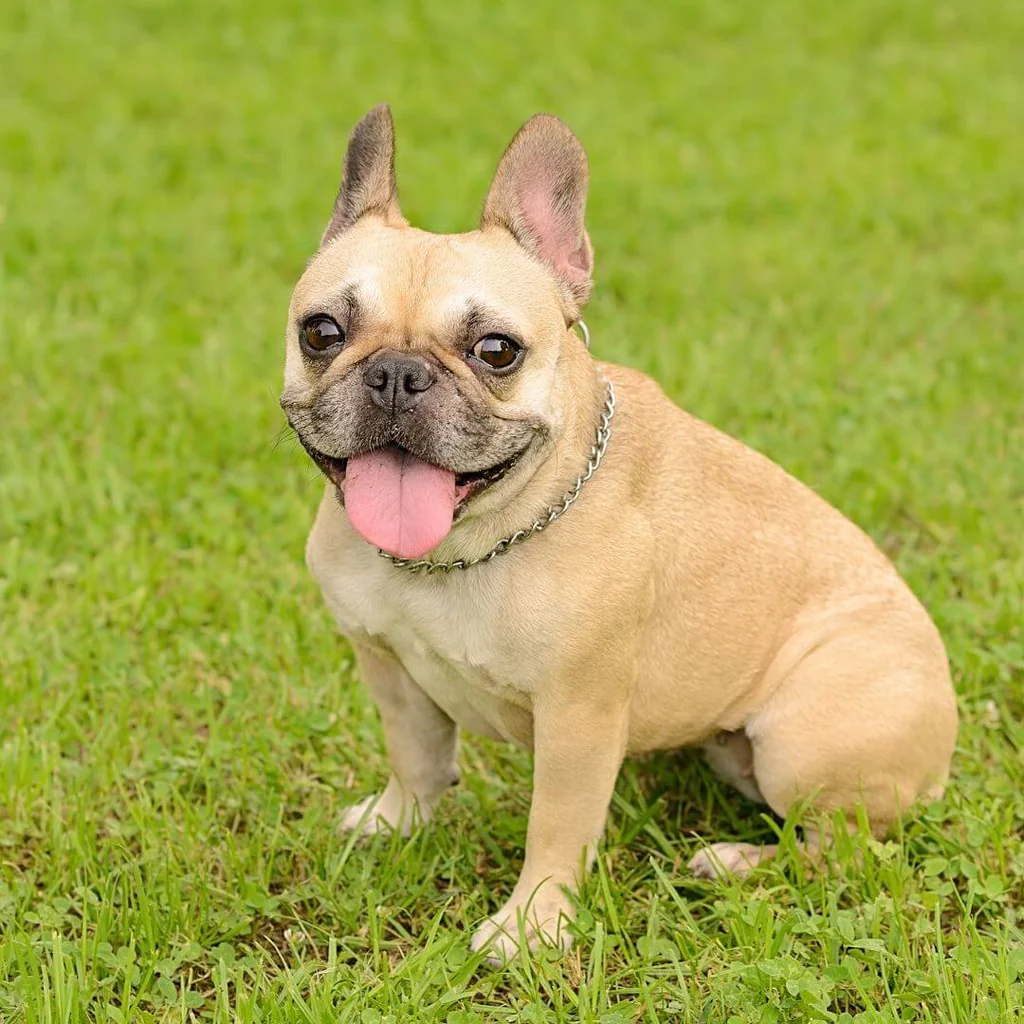
Keeping dogs in small spaces can be challenging, but it’s entirely feasible with the right approach. Dogs still need exercise, mental stimulation, and social interaction. Smaller breeds like Pugs or French Bulldogs are often better suited for apartment living due to their lower energy needs, while larger breeds may require more effort to ensure they get enough exercise. You’ll need to establish a routine for walks and playtime to keep your dog happy and healthy.
To make apartment living work for you and your dog, consider the available amenities. Dog-friendly apartments that offer access to parks, dog runs, or pet washing stations can significantly enhance your experience. Additionally, think about how you’ll manage your dog’s behavior while indoors. Training is vital to prevent issues like barking, chewing, or accidents.
In this guide, we’ll explore tips for managing life with a dog in an apartment, including how to choose the right breed, setting up a comfortable living space, and creating a daily routine that works for both you and your pet. You'll also learn about the costs involved in maintaining a pet in an apartment setting, which can differ from owning a dog in a house.
By the end of this guide, you’ll have a clear understanding of how to successfully integrate a dog into your apartment lifestyle, ensuring that both you and your new furry friend can thrive together in a cozy space.
Steps to Successfully Have a Dog in an Apartment
Follow these steps to make sure you can comfortably and happily have a dog in your apartment.

- Check Your Lease Agreement
- Research Dog-Friendly Apartment Policies
- Choose the Right Breed
- Prepare Your Apartment
- Establish a Routine
- Find Nearby Dog-Friendly Spaces
- Invest in Training
- Create a Safe Space for Your Dog
- Plan for Emergencies
Common Mistakes When Having a Dog in an Apartment
Owning a dog in an apartment can be rewarding, but many owners make mistakes that can lead to issues for both them and their pets. Here are some common pitfalls and why they can backfire.

- Not considering dog size and breed suitability.
- Neglecting exercise and mental stimulation needs.
- Ignoring noise and barking issues.
- Failing to train properly for apartment living.
- Overlooking pet policies and rules.
- Not creating a safe living environment.
- Underestimating the importance of socialization.
Myths vs. Facts about Having a Dog in an Apartment
Let's debunk some common myths about living with dogs in apartments. These misconceptions can make potential pet owners hesitant, but understanding the facts can help you make informed decisions.

- Myth: Dogs need large spaces to be happy.
- Myth: It's cruel to keep a dog in an apartment.
- Myth: All apartments are unsuitable for dogs.
- Myth: Small dogs are easier to keep in apartments than big dogs.
- Myth: You can't train a dog in a small space.
Advanced Tips for Having a Dog in an Apartment
If you're considering bringing a dog into your apartment, there are several advanced strategies to ensure a happy and healthy environment for both you and your furry friend.
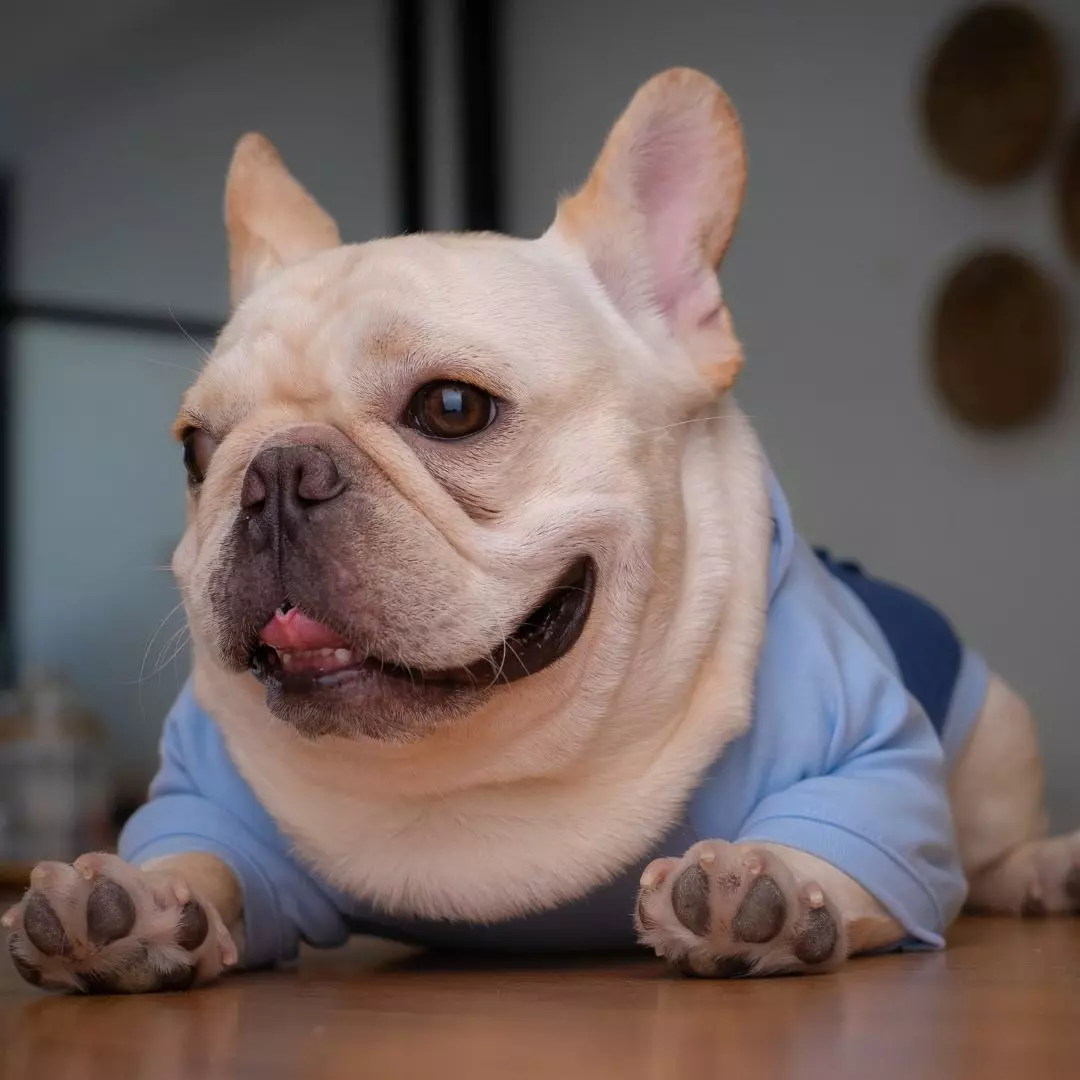
- Choose the Right Breed: Some breeds adapt better to apartment living than others. For example, smaller breeds like French Bulldogs and Pugs are often more comfortable in tight spaces. Additionally, consider the dog's energy level; lower-energy breeds are usually more suited for smaller living areas.
- Create a Routine: Establish a consistent schedule for walks, playtime, and feeding. Dogs thrive on routine, which helps them feel secure in their environment. Regular walks can also help burn off excess energy, making your dog less likely to misbehave indoors.
- Use Vertical Space: If you're short on floor space, think vertically. Install shelves or use dog ramps to allow your pet to explore different levels. This can create a stimulating environment, especially for energetic dogs.
- Consider Noise Control: Apartments can be noisy, and some dogs may struggle with sounds from neighbors or street traffic. Invest in soundproofing solutions, such as rugs and curtains, to help minimize distractions and create a calming atmosphere.
- Engage in Interactive Play: Use puzzle toys and interactive games to mentally stimulate your dog. This is especially important in smaller spaces where physical exercise might be limited. Engaging your dog in play can prevent boredom and reduce anxiety.
Insider Secrets for Apartment Dog Owners
Living in an apartment with a dog can be rewarding but requires some insider knowledge. Here are key insights to help you navigate the challenges of apartment living with your furry friend.
- Choose the right breed for small spaces.
- Invest in vertical space for play and comfort.
- Establish a routine that includes regular outdoor time.
- Communicate with your landlord about pet policies.
- Use soundproofing techniques to minimize noise.
Checklist: Can I Have a Dog in an Apartment?
Use this checklist to determine if you can successfully have a dog in your apartment. Follow these steps to ensure a happy living situation for both you and your furry friend.
- Check your lease agreement for pet policies.
- Research dog-friendly apartment options in your area.
- Consider your dog's size and breed suitability for small spaces.
- Plan for daily exercise and playtime outside.
- Invest in indoor dog training to minimize behavioral issues.
- Prepare for noise and potential complaints from neighbors.
- Budget for pet-related expenses like food, grooming, and vet visits.
- Create a safe, designated space for your dog in the apartment.
Frequently asked questions
Can I have a dog in an apartment?
Yes, you can definitely have a dog in an apartment! Many breeds adapt well to smaller spaces, especially if you provide regular exercise and stimulation. Consider your dog's size, energy level, and temperament when choosing a breed.
Is it cruel to keep a dog in an apartment?
It's not inherently cruel to keep a dog in an apartment, but it depends on the dog's needs. Small breeds or those with lower exercise requirements are often better suited for apartment living. Ensure your dog gets plenty of walks and playtime to keep them happy and healthy.
What are some apartment dog rules I should know?
When renting with dogs, always check your lease for pet policies. Some apartments have breed restrictions, weight limits, or require pet deposits. It's essential to be respectful of your neighbors and clean up after your pet.
How can I hide a dog in an apartment?
If you need to keep your dog discreet in an apartment, consider using sound barriers like white noise machines. You can also train your dog to be quiet during certain hours and provide them with cozy spots to relax. Just remember to follow your lease rules!
What are the best approved apartment dogs?
Some of the best approved apartment dogs include small or medium breeds like French Bulldogs, Pugs, and even Greyhounds. These breeds typically adapt well to smaller living spaces and have lower exercise needs. Always consider adopting a dog that fits your lifestyle.
What types of dogs are best for apartment living?
Small to medium-sized breeds are often the best fit for apartment living. Breeds like French Bulldogs, Pugs, and Greyhounds tend to adapt well to smaller spaces. Look for dogs with lower energy levels that don't require extensive outdoor space.
How can I exercise my dog in an apartment?
Even in an apartment, you can keep your dog active with indoor activities like fetch or tug-of-war. Regular walks are essential, so try to take your dog out multiple times a day. Consider dog parks nearby or playdates with other dogs to increase socialization and exercise.
Are there specific apartment dog rules I should know?
Yes, many apartments have specific pet policies, such as size limits, breed restrictions, and additional pet deposits. Always check your lease agreement for these rules before bringing a dog home. Some places also have designated pet areas or specific requirements for pet owners.
Is it cruel to keep a dog in an apartment?
It can be suitable for dogs if their needs are met. Dogs require exercise, social interaction, and mental stimulation. If you're committed to providing these, living in an apartment can be perfectly fine for your furry friend.
How to manage dog behavior in small spaces?
Training is key to managing dog behavior in an apartment. Use positive reinforcement to encourage good behavior and consider crate training to provide your dog with a safe space. Regular exercise and mental stimulation can help prevent boredom and destructive behaviors.
Can I have a dog in a rental without a pet policy?
While it may be challenging, some renters manage to keep dogs without a specific pet policy. However, this can lead to potential issues like fines or eviction. It's best to discuss your situation with your landlord and seek a written agreement if possible.
What are the best breeds for first-time apartment dog owners?
For first-time dog owners in apartments, breeds like Pugs, French Bulldogs, and Cavalier King Charles Spaniels are often recommended. These breeds are typically friendly, adaptable, and easier to manage in smaller living spaces. Always consider your lifestyle and the dog's needs before choosing.