Costs
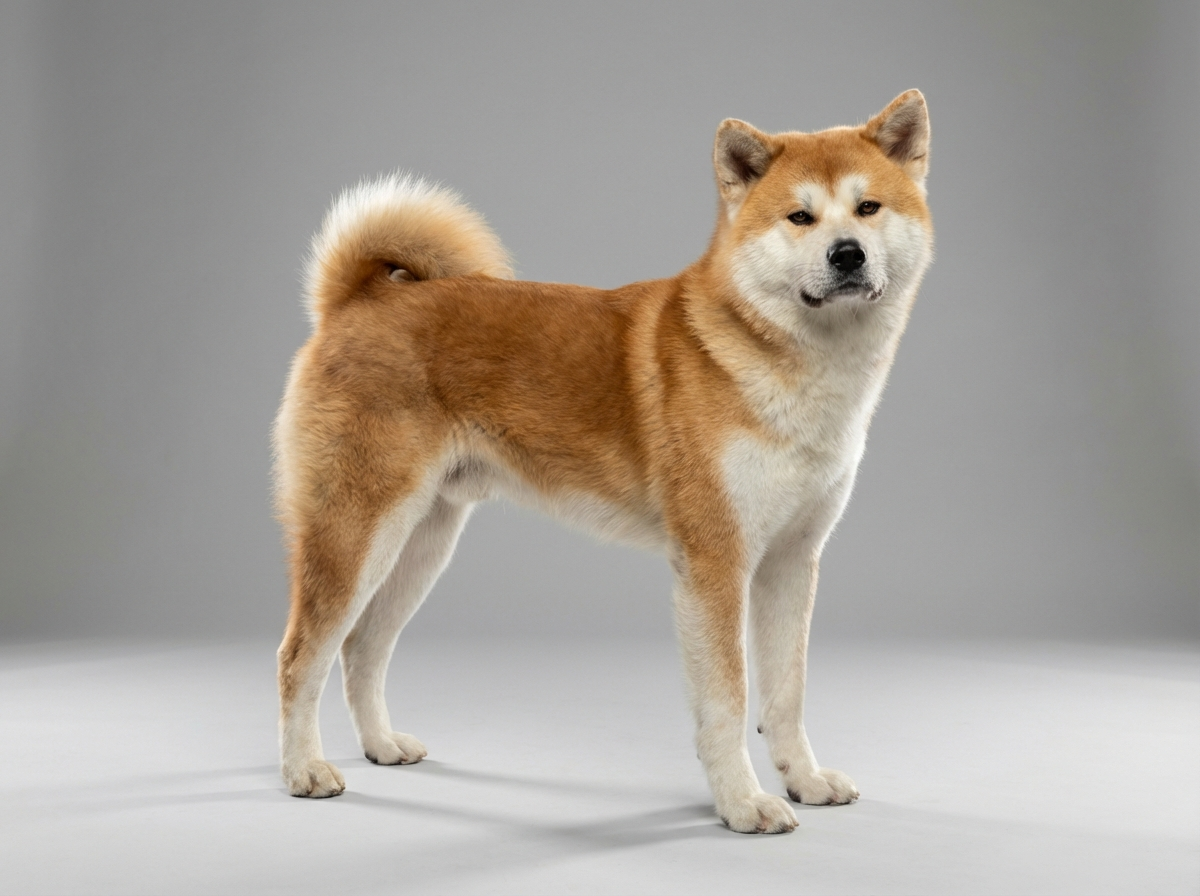
Akita cost in Billings
About $95–$185/month, $1,450–$2,650 for year one — among the more affordable cities on this site for the breed.

See Akita price across all cities →
Quick answer
Akita cost in Billings
About $95–$185/month, $1,450–$2,650 for year one — among the more affordable cities on this site for the breed.
An Akita in Billings runs about $95–$185 a month, with the first year closer to $1,450–$2,650 — one of the more affordable places on this site to own the breed.
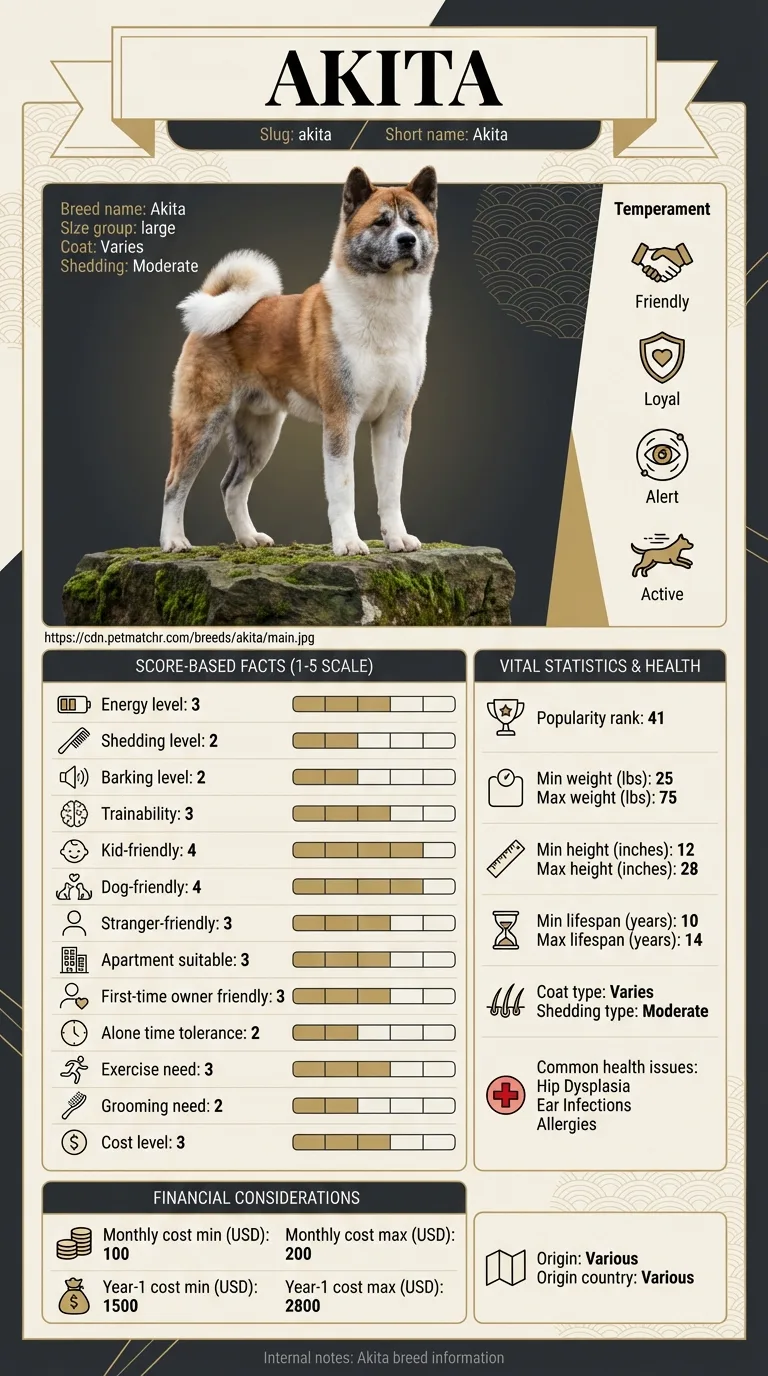
The biggest risk to a Billings budget isn't routine pricing — it's what happens if the Akita needs something beyond what a general local practice offers. Advanced orthopedic surgery for hip dysplasia, a real risk in this breed, may mean a referral to a specialty clinic in a larger city like Denver or Spokane, which adds travel cost on top of the procedure itself.
These figures adjust the Akita's typical national cost range down for Billings specifically — Montana's below-average cost of living and lack of a state sales tax both help, and the short winter-shortened parasite season adds a further saving most cities on this site don't get.
Estimate · source: estimation · confidence: medium · updated 2026-10-06 · not a quote
| Item | Cost range |
|---|---|
One-time setup (initial vet visit, spay/neuter, large-breed gear) Covers the first exam, vaccinations, spay/neuter if needed, and gear sized for the breed's adult weight — priced at Montana's generally lower general-practice rates. | $325 - $600 |
| Item | Cost range |
|---|---|
Food Sized for the breed's large adult frame; Montana's lack of state sales tax takes a small but real edge off this and every other purchase in this list. | $45 - $75 |
Grooming Akitas are largely self-grooming; at-home brushing through the coat-blow seasons covers most needs without frequent professional visits. | $10 - $20 |
Flea & tick prevention One of the shortest active seasons on this site — Montana's long, hard winters mean several months a year with essentially no flea-and-tick risk to manage. | $10 - $25 |
Each range starts from a national baseline for this breed's size class and is then adjusted for local cost of living and veterinary pricing. The baselines, and the source each one came from, are listed on our sources page (dataset 2026.09). Two inputs, the purchase price and the emergency reserve, have no published national figure we could verify, so we leave them to you rather than invent them.
These are planning estimates, not quotes. Your own numbers will move with the individual dog, your vet and your insurer. Build a budget with your own figures.
For an Akita in Billings, insurance is less about local vet pricing and more about covering the cost and logistics of a specialist referral if hip dysplasia or another serious issue comes up.
If a hip-related procedure would mean traveling to Denver, Spokane, or another regional hub for a specialist, insurance purchased while the dog is young helps offset both the surgery itself and the added logistics of an out-of-area referral.
In a lower-cost market like this one, a dedicated emergency fund goes further than it would in an expensive city — owners who've built a genuine $2,000+ cushion and are comfortable coordinating an out-of-area referral themselves can reasonably self-insure instead.
Billings already starts from a lower cost base than most cities on this site; the remaining savings come from planning ahead for the market's smaller size.
Billings benefits from two things that keep routine costs down: Montana has no state sales tax, which shaves a small but real amount off every food and supply purchase, and the state's overall cost of living runs comfortably below the national average. For a large breed like the Akita, whose food and supply costs are already higher than a small dog's simply due to size, that regional discount matters more in absolute dollars than it would for a breed that eats less.
Winters here are genuinely harsh — long, cold, and often severe by national standards — which cuts the flea-and-tick season down to a real, short window rather than the near-year-round cost owners in the South or on the coasts deal with. That's a straightforward saving. What it doesn't shorten is cold-weather care: a heavy-coated breed like the Akita actually tolerates Montana winters well, but owners still need to budget for things like paw protection on icy sidewalks and extra caution around frostbite risk during the coldest stretches.
The real planning consideration in Billings is market depth rather than price. As the largest city in a sparsely populated state, Billings has solid general veterinary care, but board-certified specialists — orthopedic surgeons, oncologists, ophthalmologists — are less common locally than they would be in a metro area ten times the size. For a breed with a known orthopedic risk like the Akita, that can mean a referral trip to Denver, Spokane, or another regional hub if something more serious comes up, which is worth factoring into an emergency fund as travel cost on top of the procedure itself.

A Billings-based Akita owner asked their vet early on, before any problem arose, where they'd refer a hip dysplasia case if one developed — partly out of caution given the breed's known risk. The vet recommended a specialty orthopedic practice in Denver and gave a rough sense of what a referral visit plus surgery would likely cost including travel. The dog never developed symptoms serious enough to need it, but having that number in hand from the start meant the owner's emergency fund and insurance decision were based on a real, local answer rather than a guess.
Key takeaway: In a smaller vet market, asking about specialist referral logistics before you need them turns a vague 'what if' into a concrete number you can actually plan an emergency fund around.
About $95–$185, covering food, routine vet care, grooming and parasite prevention. Montana's low overall cost of living and lack of a state sales tax both help keep this toward the lower end of what the breed typically costs nationally.
Roughly $1,450–$2,650, including the initial vet exam, spay/neuter if needed, and large-breed gear on top of the ongoing monthly costs — one of the more affordable first-year ranges on this site for this breed.
General veterinary care is solid and accessible, but specialist care — orthopedic surgery, oncology, advanced imaging — is less available locally than in a much larger metro. For a breed with a known hip dysplasia risk, it's worth asking a local vet upfront where they'd refer a case requiring specialist surgery.
Less than you might expect, since the breed's heavy double coat handles cold well. The real winter costs are smaller ones — paw protection on ice and salted sidewalks, and general caution during the coldest stretches — rather than anything that changes the core monthly budget much.
Worth considering specifically because of the referral-distance factor — if hip dysplasia requires specialist surgery out of the area, insurance can offset both the procedure and some of the logistics, which matters more here than in a city with local specialists on hand.
Around $650 covers a typical local emergency vet visit. If a referral to an out-of-area specialist becomes necessary for something like a hip procedure, plan for a larger fund — $2,500 or more — to cover both the procedure and the travel it might require.
About $95–$185/month, $1,450–$2,650 for year one — among the more affordable cities on this site for the breed.
This guide is not medical advice. If your dog shows pain, sudden behavior change, or worsening symptoms, consult a licensed veterinarian.
Some links may be affiliate links. We may earn a commission at no extra cost to you. We only suggest products we believe are helpful for dog owners.
We research and check what we publish, but we do not warrant that any figure, date, price, or statement is accurate, complete, or current, and we accept no liability for any loss, cost, injury, or other harm arising from the use of this site. Use it as one reference among several. You remain responsible for your own decisions and for your dog's care - confirm anything that matters with a licensed veterinarian or another qualified professional before you act on it. Full disclaimer.
One sheet with every line item, the emergency fund and when insurance pays off - unlocks on this page.
You get: 12-month budget sheet
No spam. One-click unsubscribe. See our privacy policy.
See a sample page before you decide.