Neither of these breeds is socially straightforward, and the difficulties are not the same.
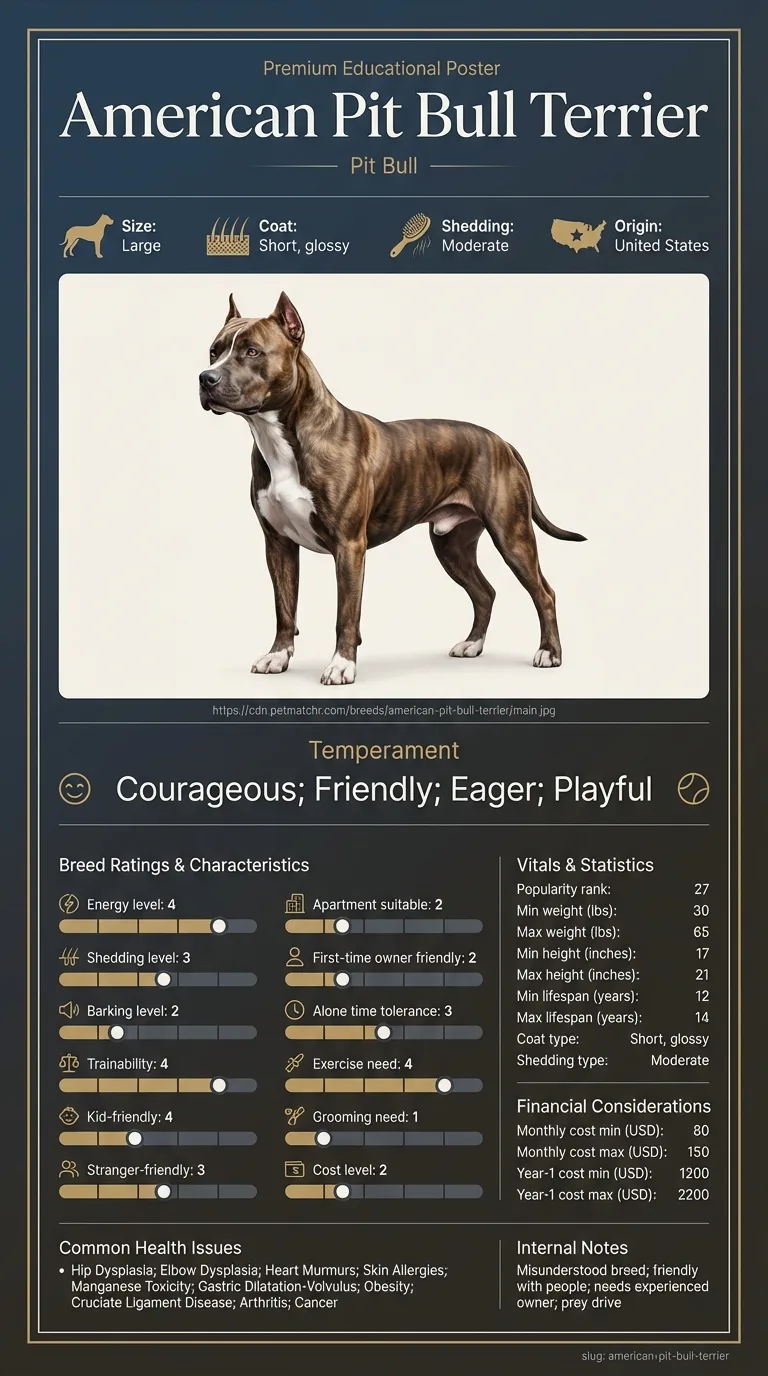
The Pit Bull's issue is other dogs, at 2/5. It is typically warm with people — 4/5 with children, 3/5 with strangers, described as courageous, friendly, eager and playful — and needs its dog-dog management planned rather than improvised: no dog parks, no on-lead greetings with unknown dogs, careful neutral-ground introductions, and awareness that tolerance can drop at social maturity.
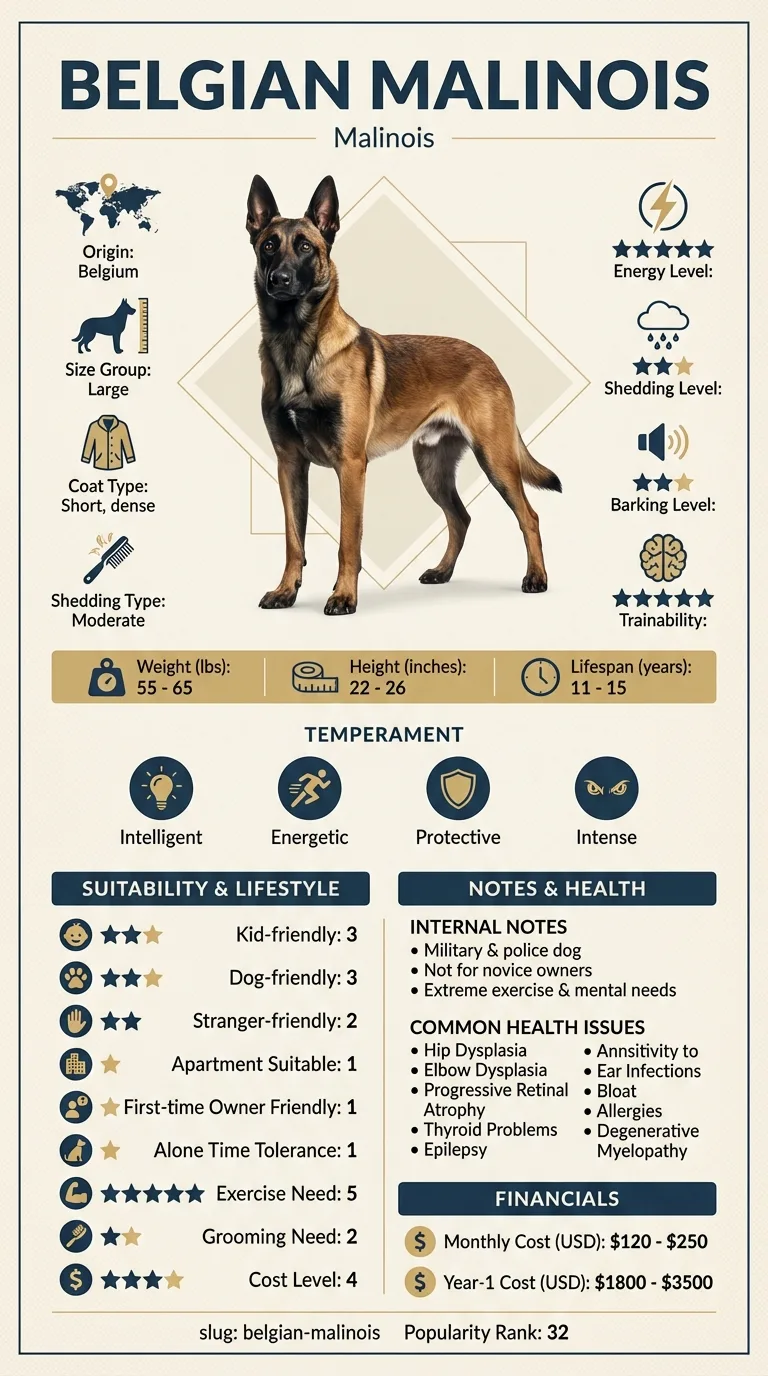
The Malinois's issue is people, at 2/5, alongside a 3/5 with children that reflects intensity rather than hostility. It is a naturally protective, suspicious, high-arousal dog, and it is physically fast and mouthy when aroused. In an under-socialised Malinois that combination is a genuine liability, and the socialisation required is more extensive and more structured than most owners anticipate — controlled exposure to people, environments, surfaces, noise and movement through the first two years, with real attention to keeping arousal low.
The children rating deserves care. A Malinois is not inherently unsafe with children, but it herds, it chases movement, and it grabs — and running, shrieking children are exactly the stimulus that triggers all three. Households with young children generally suit the Pit Bull far better on this axis.
Both breeds carry an administrative dimension. Bully-type dogs are frequently restricted in tenancy agreements, housing rules and insurance policies. The Malinois is less often named in legislation but is increasingly listed by insurers as a working breed, and its bite risk profile is taken seriously by underwriters. Check both in writing before committing to either.
On cost, the Pit Bull is much the cheaper dog: cost level 2/5 against 4/5, $80–150 a month against $120–250.