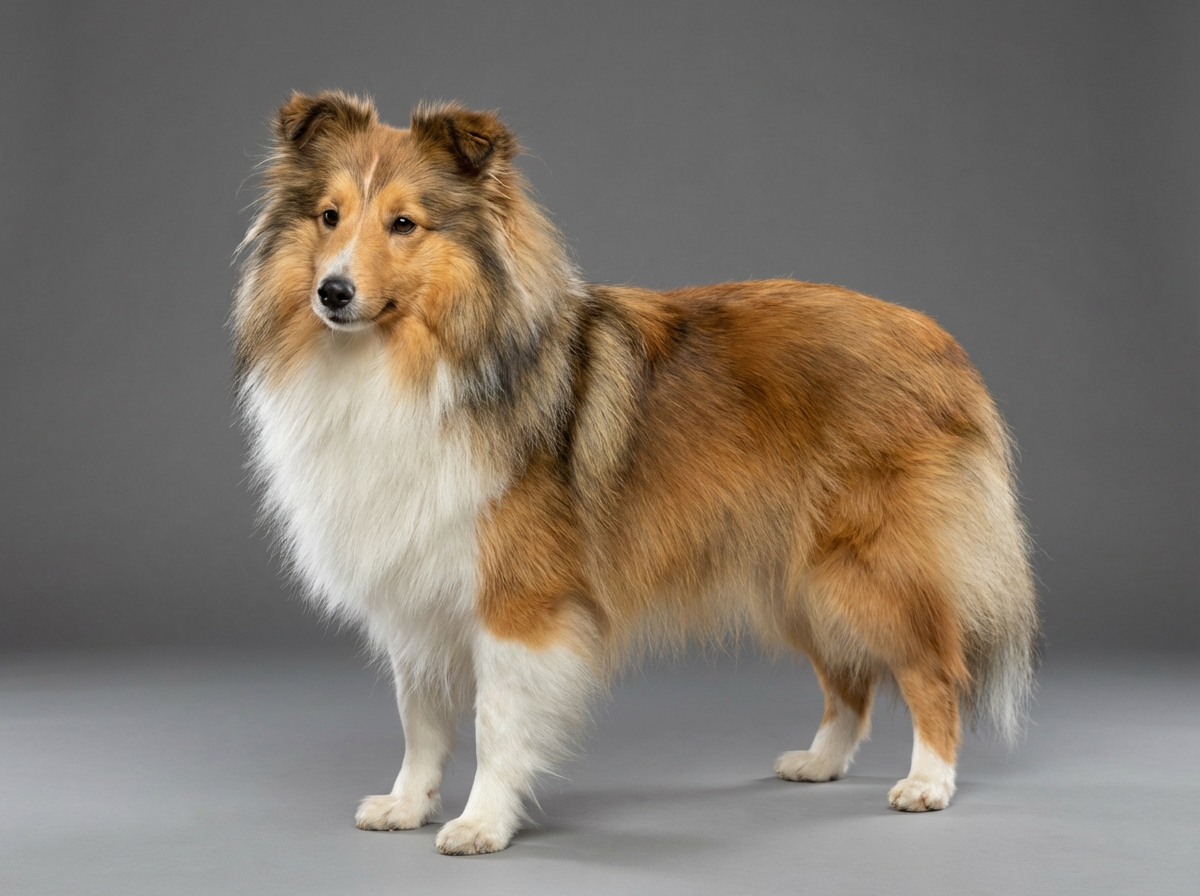
Health
Is the Labrador appetite gene present in Shetland Sheepdogs?
No, it is not documented in this breed. Shelties do not carry the same tested POMC variant associated with insatiable hunger in Labradors.

Quick answer
Is the Labrador appetite gene present in Shetland Sheepdogs?
No, it is not documented in this breed. Shelties do not carry the same tested POMC variant associated with insatiable hunger in Labradors.
A gene mutation that dials up hunger has made headlines, and it is real. It is also not documented in Shetland Sheepdogs, which raises a more useful question: is anything actually inherited here, or is every pound simply a feeding decision?
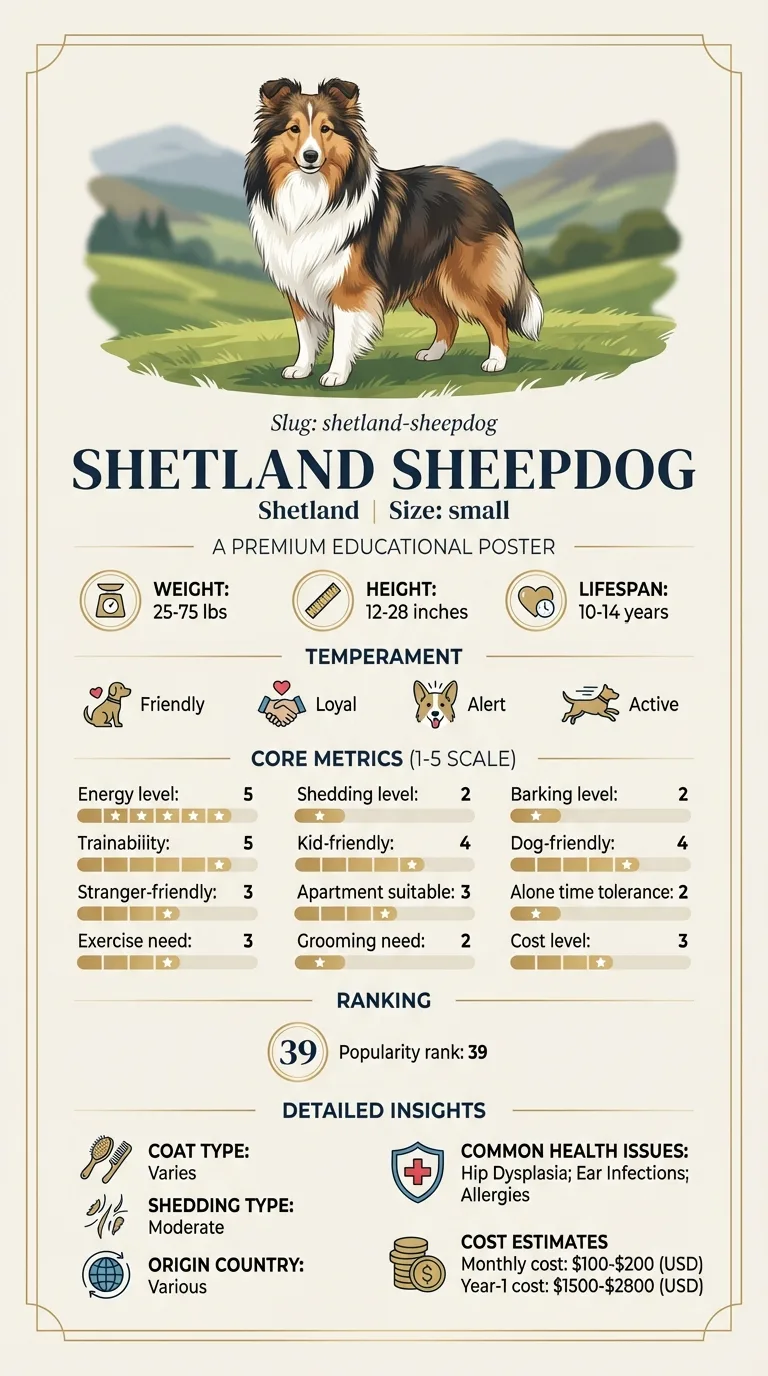
Owners comparing two Shelties from the same litter who eat similar amounts and look completely different at four years old. People who have read about the appetite gene and want to know if it applies to their dog. Anyone trying to work out whether their dog's weight gain is a feeding problem or something closer to biology.
This guide is not medical advice. If your dog shows pain, sudden behavior change, or worsening symptoms, consult a licensed veterinarian.
Some links may be affiliate links. We may earn a commission at no extra cost to you. We only suggest products we believe are helpful for dog owners.
The specific appetite-regulating gene mutation associated with insatiable hunger in dogs, involving the POMC gene, is documented in Labrador Retrievers and Flat-Coated Retrievers rather than Shetland Sheepdogs. This page examines what is actually inherited in this breed that shapes weight risk: a confirmed predisposition to hypothyroidism, which lowers metabolic rate, and a strongly heritable trainability and food motivation that shapes treat-driven calorie intake rather than appetite regulation itself.
A confirmed genetic appetite mutation is not documented in this breed and should not be assumed as a cause. Weight gain itself, however, is very common in Shetland Sheepdogs for the behavioural and coat-related reasons described here, and hypothyroidism, the one genuinely inherited contributor, is common enough to be one of the breed's five documented health conditions.
Two inherited traits combine in this breed, and only one of them is a disease. Hypothyroidism, documented on the Shetland Sheepdog's health profile, genuinely lowers metabolic rate and causes weight gain independent of feeding amount once it develops, usually in middle age. The second is not a medical condition at all: a strong, heritable working-dog temperament rated five out of five for trainability means this breed is unusually responsive to food reward, which in ordinary households translates into more calories offered through treats rather than a faulty hunger signal. The appetite-gene mutation documented in some retriever breeds has not been identified in Shetland Sheepdogs.
Household feeding habits do most of the remaining work. Frequent training sessions with unmeasured treats, multiple people feeding the same dog, and a coat that hides the visual evidence of gain all combine to let intake drift upward unnoticed. Reduced activity following neutering, ageing, injury or hot weather lowers energy needs without owners typically adjusting portions to match, compounding whatever genetic tendency toward efficient calorie use an individual dog happens to have.
Book a thyroid panel and general check if your Sheltie is gaining weight on a diet and treat routine that has not meaningfully changed, particularly if that gain comes with coat thinning, reduced stamina or heat seeking, since that combination points towards hypothyroidism rather than simple overfeeding. There is no emergency threshold specific to this topic; seek urgent care instead for the unrelated situation of unexplained weight loss or a dog eating well while losing condition, which suggests a different problem entirely.
See all Shetland Sheepdog health problems, which breeds are prone to genetic predisposition to obesity, or the full Shetland Sheepdog breed guide for temperament, exercise needs and ownership costs.
A thyroid panel returns within days and, if positive, treatment typically brings weight normalisation over two to three months alongside portion control. Where the cause is simply calorie drift rather than a medical condition, portion correction usually shows measurable change on the monthly scale within four to six weeks, though a coat this dense means visual confirmation takes longer.
Success is understanding which of the two real inherited factors, if either, applies to your dog: a normal thyroid panel and a food-motivated temperament successfully managed through measured treats, or a diagnosed thyroid condition appropriately treated. It is not chasing a gene test that does not exist for this breed while the actual, testable explanations go unchecked.
It is easy to reach for a single gene as an explanation because it is satisfying and because it exists in a closely related type of working dog. The evidence for this specific breed points somewhere more mundane but still genuinely biological.
Appetite and satiety are governed by a hormonal feedback loop: hormones released from the gut and fat tissue signal the brain about how much energy is on board, and the brain adjusts hunger accordingly. In a dog with the POMC mutation, that feedback loop runs with a faulty component, so the hunger signal stays elevated even after a full meal. Nothing in the Shetland Sheepdog's documented health profile describes an equivalent fault, which means the average Sheltie's appetite regulation works as expected, and most of the variation owners actually observe between individual dogs traces back to how much food and treats they are given relative to how much they burn, rather than to a broken hunger signal.
That said, hypothyroidism changes the other side of the equation entirely. Thyroid hormone sets the baseline rate at which every cell in the body burns energy. A dog with failing thyroid function needs meaningfully fewer calories to maintain the same weight than it did before onset, and because the condition develops gradually in middle age, the mismatch between old feeding habits and new metabolic needs accumulates slowly. This is a genuinely inherited predisposition in this breed, confirmed on its documented condition list, and it is the closest thing Shelties have to a real genetic weight-gain risk.
The second real factor is temperament, and it works through behaviour rather than metabolism. A breed rated five out of five for trainability is, almost by definition, a breed that is highly responsive to food reward, and generations of selection for a dog that works eagerly alongside a handler have reinforced that food motivation as a stable trait. That is not a disease and it carries no test, but it is a heritable behavioural tendency that predictably translates into more treats offered and more treats accepted, especially in households that train often.
Put together, the honest picture is this: if your Sheltie is heavier than a littermate on a similar diet, the most likely explanations in order are differences in actual calorie intake that the coat is hiding, a possible thyroid difference worth testing for directly, and only after those are excluded, an unexplained individual difference in metabolism that no current test identifies. Reaching straight for a single appetite gene that has not been documented in this breed skips past the two explanations that are both testable and, in the case of thyroid disease, treatable.

Orla and her sister kept littermates Fable and Sorrel, both trained regularly in obedience classes with the same instructor and fed what both owners believed was an identical diet. By age five, Fable was a lean, easily managed nineteen pounds. Sorrel had crept to twenty six. Orla assumed Sorrel simply had a slower metabolism, perhaps something in the breed's genes, and cut her food further with little effect. A vet visit for an unrelated ear infection turned up a comment about Sorrel's dull coat and low energy, and a thyroid panel came back clearly abnormal. Once Sorrel started thyroid replacement, her weight came down steadily over three months on a normal, unrestricted portion, while Fable's diet had needed no changes at all. The difference between the two dogs was never a mysterious shared breed trait. It was one specific, treatable condition in one of them.
Key takeaway: When two similarly fed dogs diverge in weight, the productive question is not which gene is responsible but whether one of them has a treatable thyroid problem the other does not.
It has not been documented in this breed. The mutation is specifically associated with Labrador Retrievers and Flat-Coated Retrievers. A hungry, food-motivated Sheltie is more likely explained by trainability-driven treat feeding or, if weight is actually climbing, by thyroid function.
Not for appetite regulation specifically. What can be tested, and is worth testing in a dog gaining weight on unchanged food, is thyroid function through bloodwork, which reflects the breed's one confirmed inherited condition relevant to weight.
A strong food drive and a genuine weight problem are not the same thing. This breed's trainability is closely tied to how rewarding food is to them, so many Shelties beg and act hungry at a stable, healthy weight simply because they are highly food-motivated by temperament.
Yes, and it usually comes down to actual calorie intake differing more than owners realise, since treats, scraps and portion estimation vary between households even when the labelled diet is identical, plus individual differences in activity and, less commonly, in thyroid function.
Neutering lowers energy requirements in dogs generally, and combined with an already food-motivated temperament and a coat that hides early gain, it is one of the more common practical triggers for weight creep in this breed, independent of any specific gene.
Partly, yes. Baseline metabolic rate varies between individual dogs for reasons not fully understood, and thyroid disease, when present, is a genuine medical driver rather than a feeding failure. Most of the practical control an owner has, though, is over portions and treats, which remain the largest modifiable factor regardless of any underlying tendency.
No, it is not documented in this breed. Shelties do not carry the same tested POMC variant associated with insatiable hunger in Labradors.
Hypothyroidism, a documented Shetland Sheepdog condition that lowers metabolic rate and causes weight gain on unchanged food.
High trainability is closely tied to food reward, which means a very trainable dog often receives more treats, not that its appetite regulation is faulty.
There is no meaningful genetic test for appetite-driven obesity in this breed. A thyroid blood panel is the relevant and available test if weight is actually changing.
Take training treats from the measured daily ration rather than adding them on top, which preserves the training this breed thrives on without the extra calories.
A one-page prep sheet for this condition: the signs, the questions to ask, what to get priced. Unlocks here.
You get: Vet visit prep sheet
No spam. One-click unsubscribe. See our privacy policy.
Preview page 1 before you decide.