Behavior
What are quick tips for managing Bulldog (English) obesity?
Control portions, provide low-calorie treats, and maintain a regular exercise schedule to manage your Bulldog's weight.

Quick answer
What are quick tips for managing Bulldog (English) obesity?
Control portions, provide low-calorie treats, and maintain a regular exercise schedule to manage your Bulldog's weight.
The Bulldog (English) is known for its lovable nature, but many face a serious issue: a genetic predisposition to obesity. This can lead to various health problems and affect their quality of life. (Bulldog (English) genetic predisposition to obesity)
Owners of Bulldogs, especially first-time pet parents or those with busy lifestyles, often struggle with managing their dog’s weight. It can be overwhelming to navigate their unique needs while ensuring they stay healthy and active.
This guide is not medical advice. If your dog shows pain, sudden behavior change, or worsening symptoms, consult a licensed veterinarian.
Some links may be affiliate links. We may earn a commission at no extra cost to you. We only suggest products we believe are helpful for dog owners.
We research and check what we publish, but we do not warrant that any figure, date, price, or statement is accurate, complete, or current, and we accept no liability for any loss, cost, injury, or other harm arising from the use of this site. Use it as one reference among several. You remain responsible for your own decisions and for your dog's care - confirm anything that matters with a licensed veterinarian or another qualified professional before you act on it. Full disclaimer.
Check this first
It's crucial to know when Bulldog (English) obesity becomes an emergency versus when you can monitor the situation. If your Bulldog is showing signs of severe lethargy, difficulty breathing, or has collapsed, these are red flags. The POMC gene mutation linked to increased appetite can lead to serious health risks, so immediate veterinary attention is necessary in these cases.
If any of these apply, call your vet or an emergency clinic now. The rest of this page is for the cases that are not an emergency.
The Bulldog (English) genetic predisposition to obesity is a common issue that can lead to serious health problems. This breed tends to have a lower metabolism and a higher appetite due to a mutation in the POMC gene, making it easier for them to gain weight. Daily life with an overweight Bulldog can involve challenges like decreased energy, difficulty in breathing, and limited mobility.
Obesity is a prevalent issue among Bulldogs, with studies showing that up to 40% of this breed may be overweight. This makes it crucial for owners to monitor their dog's diet and exercise regularly.
The Bulldog (English) has a genetic predisposition to obesity due to a mutation in the POMC gene. This mutation can lead to an increased appetite, making it easier for Bulldogs to gain weight. Their medium size and lower energy levels also contribute to this issue, as they may not burn calories as effectively as more active breeds.
Environmental factors play a significant role as well. Bulldogs may be less active due to their physical structure, which can make exercise challenging. Additionally, if they are overfed or lack proper exercise opportunities, they are more likely to become overweight.
If your Bulldog is significantly overweight or you notice sudden weight gain, it's essential to talk to your vet. They can assess any underlying health issues and provide dietary recommendations or a weight management plan.
Avoiding these common mistakes can help manage your Bulldog's genetic predisposition to obesity more effectively.
Start here: English Bulldog Most Common Genetic Disorders: Screening
See all Bulldog health problems, which breeds are prone to genetic predisposition to obesity, or the full Bulldog breed guide for temperament, exercise needs and ownership costs.
You can expect to see improvements in your Bulldog's weight and health within 3 to 6 months of consistent care and dietary management.
Success means your Bulldog maintains a healthy weight, exhibits increased energy levels, and enjoys regular exercise without struggling.
Sarah, a busy nurse in Atlanta, noticed her English Bulldog, Max, was gaining weight rapidly. Despite loving his food, Max's growing size left him lethargic and struggling to keep up in play. After consulting her vet, Sarah learned about Max's genetic predisposition to obesity due to a common POMC gene mutation. Determined to help him, she started a structured feeding plan and incorporated daily walks. Over time, Max lost weight and regained his playful spirit. Now, he can enjoy playtime without gasping for breath, and they both feel healthier and happier.
Key takeaway: With dedication and proper guidance, you can effectively manage your Bulldog's genetic predisposition to obesity and improve their quality of life.
Bulldogs (English) often inherit a mutation in the POMC gene, which can lead to increased appetite and weight gain. This genetic predisposition means that they may need stricter diet and exercise management compared to other breeds. This answer relates to Bulldog (English) genetic predisposition to obesity.
To manage your Bulldog's weight, provide a balanced diet with controlled portions. Regular exercise is crucial; aim for at least 30 minutes of moderate activity each day, such as walks or playtime.
Incorporate training that rewards good behavior with low-calorie treats instead of standard food. Positive reinforcement during training sessions can help keep your Bulldog engaged and active.
Watch for signs like difficulty in breathing, a noticeable belly, or inability to feel their ribs when you run your hands along their sides. Regular vet check-ups can also help monitor their weight and overall health.
Look for dog foods specifically designed for weight management, which are lower in calories but still provide essential nutrients. Consult your vet to find a diet plan that works for your Bulldog's specific needs.
It's best to have your Bulldog checked by a vet at least twice a year. This way, you can track their weight and get advice on maintaining a healthy lifestyle.
If your Bulldog is gaining weight, look for signs like difficulty breathing, reluctance to exercise, or trouble getting up. A noticeable increase in appetite or a change in behavior can also indicate obesity. Regular check-ups with your vet can help monitor your dog's weight.
Yes, older Bulldogs can lose weight, but it may take more time and careful planning. Adjusting their diet and increasing their activity level can help. Be sure to consult your vet for a tailored weight loss plan that considers their age and health.
Genetics can play a significant role in a Bulldog's predisposition to obesity. The POMC gene mutation can lead to increased appetite and difficulty in burning calories. Understanding this can help you create an effective weight management plan for your dog.
Training methods like positive reinforcement can encourage your Bulldog to engage in physical activities. Incorporating fun exercises and play into their daily routine is essential. Additionally, monitoring their food intake is crucial for maintaining a healthy weight.
You should consult a vet if your Bulldog shows significant weight gain or if you notice changes in their behavior, such as lethargy or excessive eating. Regular vet visits can help identify underlying health issues and set a weight management strategy.
Control portions, provide low-calorie treats, and maintain a regular exercise schedule to manage your Bulldog's weight.
Make walks fun with toys or games, and consider engaging in activities like fetch to motivate them.
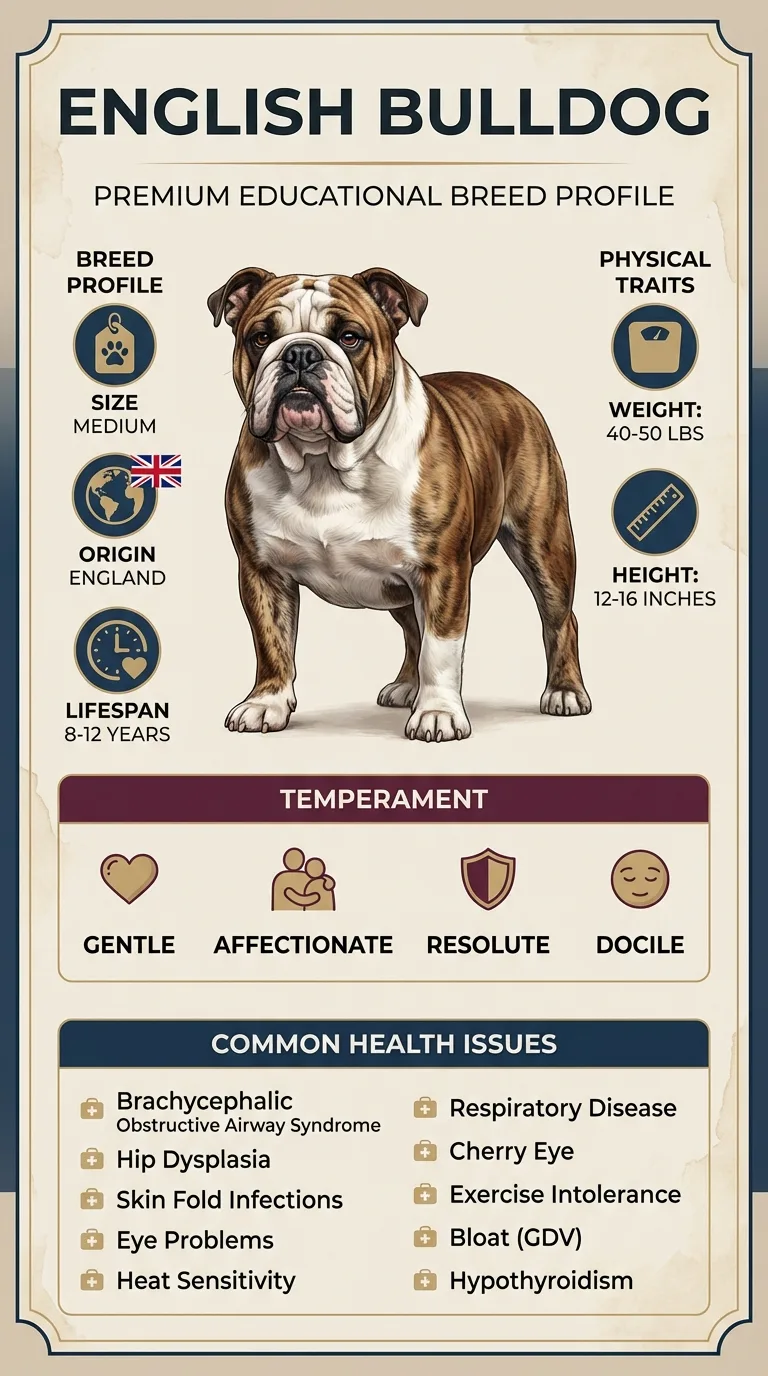
A healthy Bulldog should weigh between 40 to 50 pounds. Regularly monitor their weight to ensure they stay within this range.
Obesity can lead to serious health issues like joint problems and respiratory diseases, so managing weight is crucial.
Yes, consistent training not only keeps Bulldogs active but also helps to instill healthy habits that can prevent obesity.
A one-page prep sheet for this condition: the signs, the questions to ask, what to get priced. Unlocks here.
You get: Vet visit prep sheet
No spam. One-click unsubscribe. See our privacy policy.
Preview page 1 before you decide.