DogBreedCompass
← Back to breed profile

Pembroke Welsh Corgi Heart Disease: Understanding and Managing Risks

Pembroke Welsh Corgi heart disease can be a serious concern for owners, impacting their beloved pets' health and happiness.

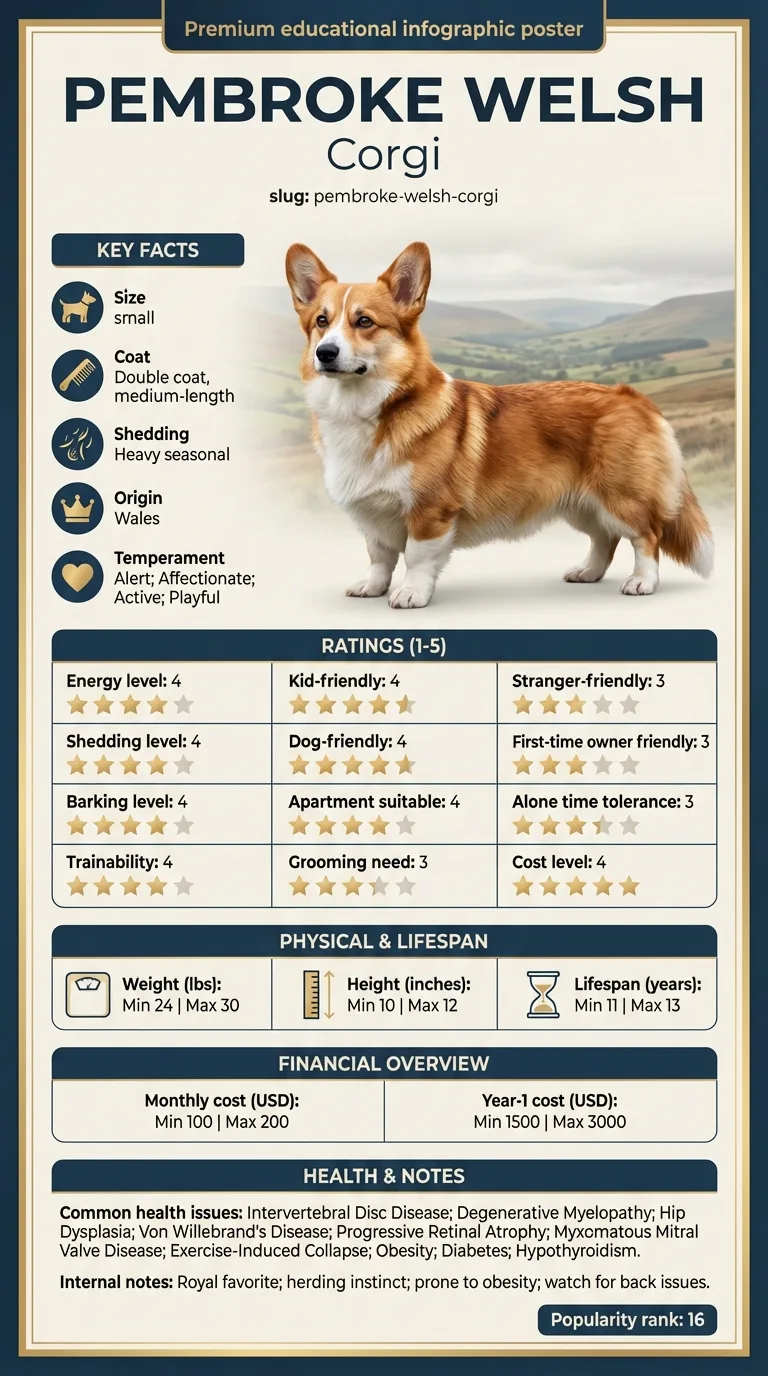
Pembroke Welsh Corgi Heart Disease: Understanding and Managing Risks infographic

This issue often affects Corgi owners who may not be aware of the breed's predisposition to heart problems. Busy families, first-time dog owners, and those with limited veterinary access may find it particularly challenging to stay informed and proactive.

Important reminder

This guide is not medical advice. If your dog shows pain, sudden behavior change, or worsening symptoms, consult a licensed veterinarian.

Some links may be affiliate links. We may earn a commission at no extra cost to you. We only suggest products we believe are helpful for dog owners.

What this problem looks like

Pembroke Welsh Corgis can face significant challenges with heart disease, particularly conditions like dilated cardiomyopathy and heart murmurs. Day-to-day, this can manifest as lethargy, difficulty breathing, or a persistent cough. Owners may notice their Corgi tiring easily during walks or playtime, which can be concerning.

Common triggers

  • Genetic predisposition towards heart issues
  • Obesity, which is common in Corgis
  • Lack of regular exercise
  • Age-related changes in heart function

Heart disease is a notable concern for Pembroke Welsh Corgis, with many reports indicating that a significant percentage of this breed may develop heart conditions as they age. Regular vet check-ups are crucial for early detection.

Why this happens

Breed factors

Pembroke Welsh Corgis are prone to certain heart issues like dilated cardiomyopathy due to their genetics. This breed may inherit a predisposition to heart disease, making them more vulnerable as they age. Additionally, their tendency to gain weight can further strain their hearts, leading to complications.

Environment factors

Environmental factors can also contribute to heart disease in Corgis. Lack of exercise and obesity can increase the risk of heart issues. Stressful situations or poor diets can exacerbate existing heart problems, making it essential to maintain a healthy lifestyle for your Corgi.

What you can try

At-home strategies

  • Maintain a balanced diet high in nutrients and low in fillers to support heart health. Consult with your vet for food recommendations tailored to your Corgi's needs.
  • Ensure regular exercise to keep your Corgi at a healthy weight. Aim for at least 30 minutes of daily activity, such as walks or playtime.
  • Monitor your Corgi's weight and adjust their food intake as necessary. Use a scale or consult your vet for guidance on maintaining an ideal weight.

When to consider a trainer

If your Corgi shows signs of anxiety or stress that may lead to heart issues, consider hiring a trainer. A professional can help address behavioral problems and create a more stable environment for your pet.

When to talk to your vet

Consult your vet if your Corgi displays symptoms of heart disease, such as coughing, difficulty breathing, or lethargy. Regular check-ups are essential, especially as they age, to catch any potential issues early.

Realistic expectations

Managing Pembroke Welsh Corgi heart disease typically requires ongoing care and monitoring. Many owners see improvements in their dog's condition within 3 to 6 months after consistent treatment and lifestyle changes.

Success looks like a Corgi that has regained some energy and is enjoying daily activities. Regular vet check-ups show stable heart function, and the owner feels more informed and empowered to manage their pet's health.

Mistakes that make this worse

Managing Pembroke Welsh Corgi heart disease can be challenging. Here are some common mistakes owners make that can worsen the situation, along with safer alternatives.

  • Ignoring veterinary advice: Some owners may skip regular check-ups or ignore prescribed treatments. It's crucial to follow your vet's recommendations to monitor and manage heart disease effectively.
  • Overfeeding: Corgis are prone to obesity, which can strain their hearts. Instead, measure their food and stick to a consistent feeding schedule.
  • Lack of exercise: While rest is important, too little exercise can lead to weight gain and worsen heart conditions. Aim for moderate, regular walks tailored to your dog's energy level.
  • Neglecting dental care: Poor dental health can affect heart health. Incorporate regular teeth brushing and dental check-ups into your dog's routine.
  • Stressful environments: High stress can exacerbate heart problems. Create a calm space for your Corgi, using tools like calming music or anxiety wraps when needed.
  • Skipping heart-healthy diets: Some owners may not prioritize nutrition tailored for heart health. Consult your vet for dietary recommendations to support your Corgi's heart.
  • Ignoring warning signs: Owners sometimes overlook symptoms like coughing or fatigue. Always be proactive in noticing changes in behavior or health.

When Pembroke Welsh Corgi Heart Disease is an Emergency

Recognizing when your Pembroke Welsh Corgi heart disease is an emergency can save your pet's life. Red flags that require immediate veterinary attention include sudden coughing, difficulty breathing, excessive lethargy, or fainting. If your Corgi exhibits any of these symptoms, don't hesitate—call your vet right away.

In less severe cases, you may notice mild signs like decreased energy, occasional coughing, or slight changes in appetite. These can often be monitored at home. Keeping a close eye on your dog’s behavior and noting any changes is crucial. Create a watch-and-wait plan that includes regular vet check-ups to track your Corgi's heart health.

If unsure, it's always better to err on the side of caution. Regular check-ups can help catch issues early, and knowing the difference between an emergency and a watch-and-wait situation can help you manage your Corgi's health effectively.

Pembroke Welsh Corgi Heart Disease: Understanding and Managing Risks - When Pembroke Welsh Corgi Heart Disease is an Emergency

Emily and Bella's Journey with Heart Disease

Emily, a busy nurse living in a small apartment, noticed her Pembroke Welsh Corgi, Bella, becoming lethargic and having trouble breathing. After a vet visit, she learned that Bella had developed heart disease. With a treatment plan that included medication, a special diet, and regular vet visits, Emily committed to Bella's care. It wasn't easy, but after a few months, Bella started to show signs of improvement. Her energy levels increased, and she even started playing fetch again, which made Emily's heart swell with joy.

Key takeaway: Managing Pembroke Welsh Corgi heart disease takes dedication, but with the right care, your dog can still enjoy a happy and active life.

Frequently asked questions

Why does my Pembroke Welsh Corgi have heart disease?

Pembroke Welsh Corgis can develop heart disease due to genetics, age, or obesity. Regular vet check-ups are crucial for early detection, especially as they age. Keeping your Corgi at a healthy weight can also help reduce the risk.

How can I stop Pembroke Welsh Corgi heart disease?

While you can't completely prevent heart disease, you can manage your Corgi's health through a balanced diet and regular exercise. Consult your vet for a tailored plan that includes a proper diet and activity level. Regular check-ups can also help in monitoring heart health.

What are the signs of heart disease in Pembroke Welsh Corgis?

Look for signs like coughing, fatigue, rapid breathing, or a decreased appetite. If your Corgi shows any of these symptoms, it's important to visit the vet immediately. Early intervention can improve their quality of life.

Is Pembroke Welsh Corgi heart disease treatable?

Yes, many heart diseases in Corgis can be managed with medication and lifestyle changes. Your vet can prescribe the right treatment based on your dog's specific condition. Regular follow-up appointments are essential to monitor their progress.

What should I feed my Pembroke Welsh Corgi to support heart health?

Feed your Corgi a high-quality diet that is low in sodium and rich in omega-3 fatty acids. Look for dog food that lists fish or chicken as the first ingredient. Always consult your vet for personalized dietary recommendations.

What are the early signs of heart disease in Pembroke Welsh Corgis?

Early signs of heart disease in Pembroke Welsh Corgis can include coughing, fatigue, and difficulty breathing. If you notice your Corgi is less active or has trouble with normal activities, it's essential to consult your vet.

Can Pembroke Welsh Corgis develop heart disease as they age?

Yes, as Pembroke Welsh Corgis age, they can become more susceptible to heart disease. Regular vet check-ups are crucial to monitor their heart health, especially after they reach middle age.

How can I support my Pembroke Welsh Corgi with heart disease?

Supporting a Pembroke Welsh Corgi with heart disease involves maintaining a healthy diet, regular vet visits, and moderate exercise. It's also important to manage weight to reduce strain on the heart.

Is heart disease in Pembroke Welsh Corgis hereditary?

Yes, certain heart diseases can be hereditary in Pembroke Welsh Corgis. If you're considering breeding, it's essential to screen for genetic issues and consult a vet for guidance.

What kind of diet is best for a Pembroke Welsh Corgi with heart disease?

A heart-healthy diet for a Pembroke Welsh Corgi typically includes lower sodium and balanced nutrients. Always consult your vet for specific dietary recommendations based on your dog's health status.

Quick answers

View more answers
Health

What are some quick tips for Pembroke Welsh Corgi heart disease?

Maintain a healthy weight and ensure regular vet visits for check-ups. Keep your Corgi active with daily exercise tailored to their energy level. Monitor for any signs of distress or discomfort.

Costs

How much does it cost to treat Pembroke Welsh Corgi heart disease?

Treatment costs can vary widely, generally ranging from $100 to $200 per month for medication and check-ups. Major procedures may cost more, so budgeting for ongoing care is important.

Training

Can training help a Pembroke Welsh Corgi with heart disease?

Yes, gentle training can keep your Corgi mentally stimulated and engaged. Focus on low-impact activities to avoid overexertion while reinforcing good behavior.

Living

What lifestyle changes can help my Pembroke Welsh Corgi with heart disease?

Incorporate a heart-healthy diet and establish a consistent exercise routine. Reducing stress through a calm environment can also benefit your Corgi's overall health.

Related DogBreedCompass guides

Related guides