DogBreedCompass
← Back to breed profile

Pembroke Welsh Corgi Immune-Mediated Thyroiditis

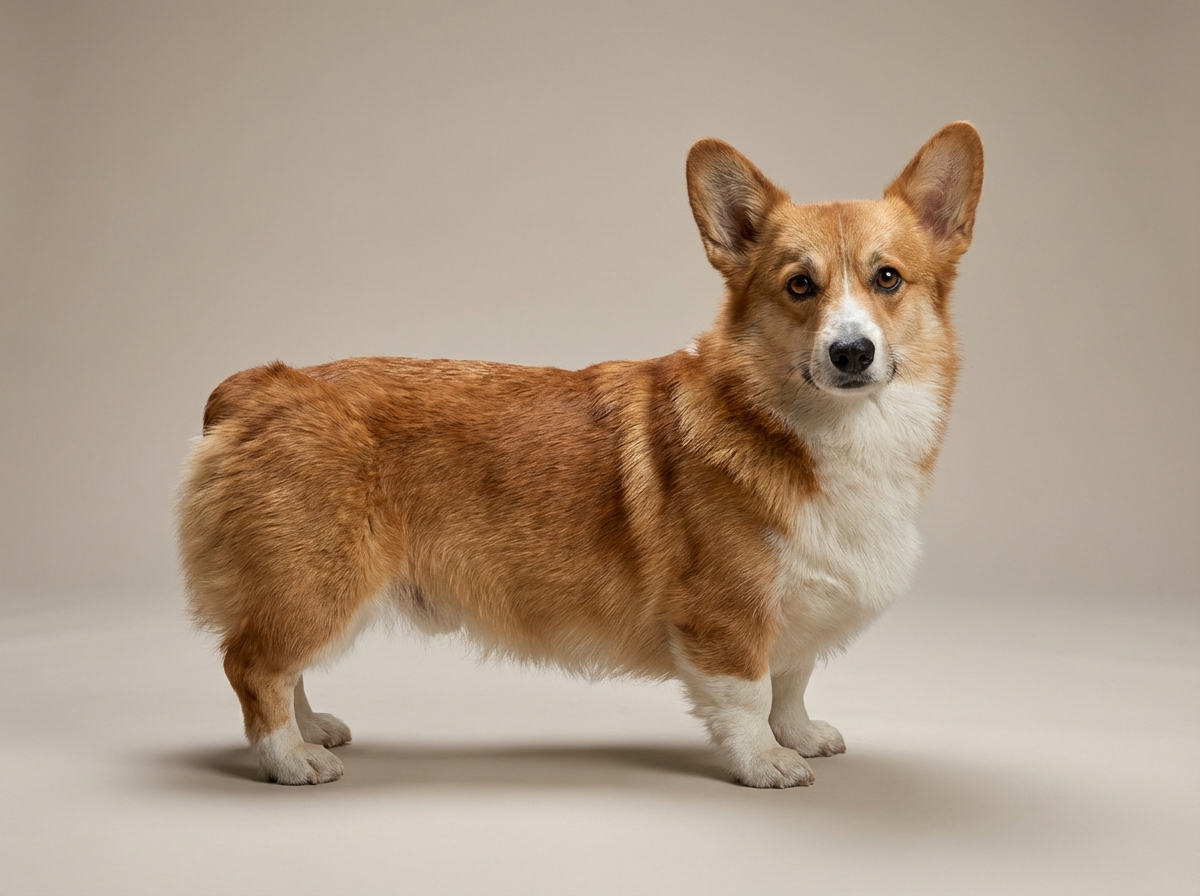
Immune-mediated thyroiditis can affect your Pembroke Welsh Corgi's health significantly. (Pembroke Welsh Corgi immune-mediated thyroiditis)

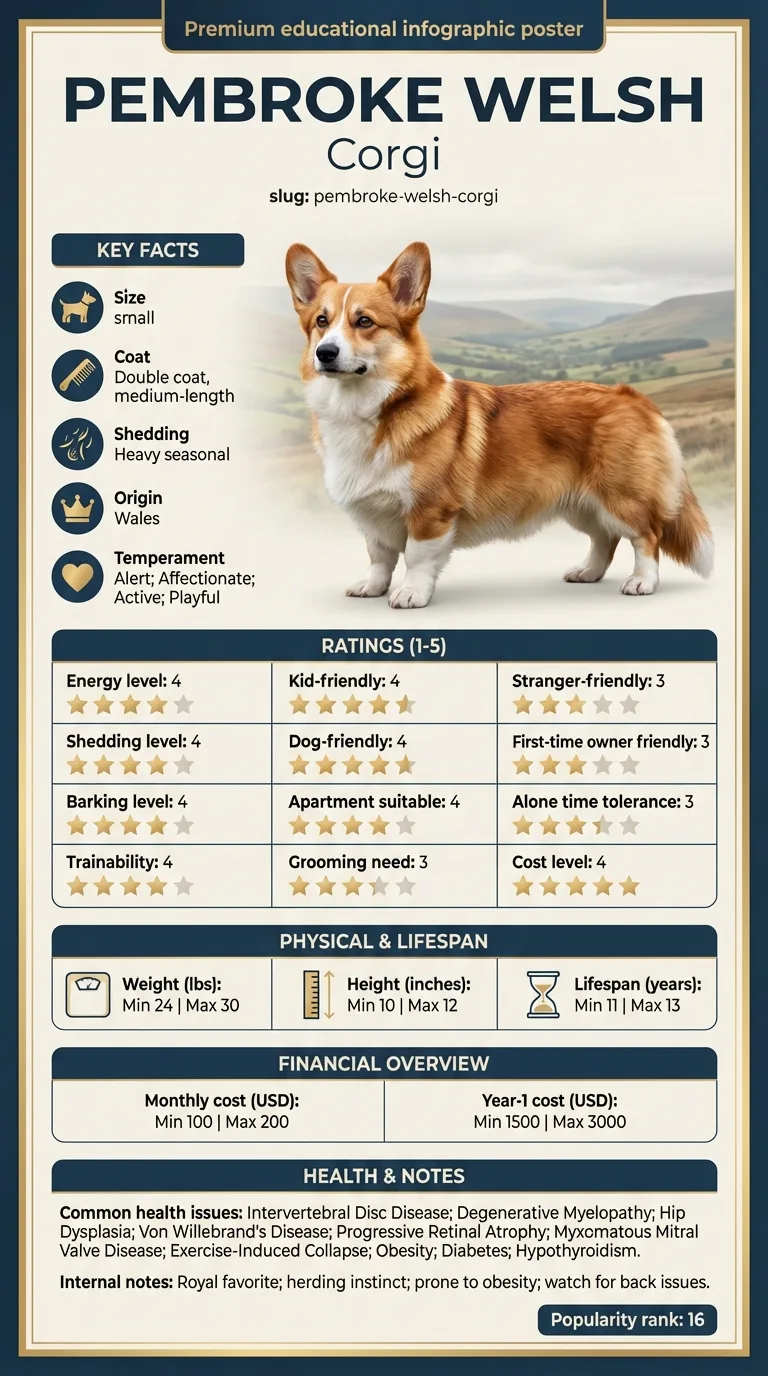
Pembroke Welsh Corgi Immune-Mediated Thyroiditis infographic

Pet owners, particularly those new to Corgis, may face challenges in recognizing and managing this condition effectively. Understanding the signs and treatment options is essential for keeping your furry friend healthy.

Important reminder

This guide is not medical advice. If your dog shows pain, sudden behavior change, or worsening symptoms, consult a licensed veterinarian.

Some links may be affiliate links. We may earn a commission at no extra cost to you. We only suggest products we believe are helpful for dog owners.

What this problem looks like

Pembroke Welsh Corgi immune-mediated thyroiditis is an autoimmune disease that affects the thyroid gland. This condition can lead to symptoms like weight gain, lethargy, and changes in behavior. Owners may notice their Corgi becoming less active or having a dull coat, which can be frustrating and concerning.

Common triggers

  • Stressful life changes, such as moving or new family members
  • Poor diet or sudden changes in diet
  • Genetic predisposition, as some Corgis have a higher risk for this condition

This condition is relatively common among Pembroke Welsh Corgis, especially as they age. While not every Corgi will develop immune-mediated thyroiditis, awareness and monitoring for symptoms is crucial for early detection and management.

Why this happens

Breed factors

Pembroke Welsh Corgis are prone to certain genetic conditions, including immune-mediated thyroiditis. This autoimmune disease can affect their thyroid function, leading to hormonal imbalances. Their unique genetic makeup may increase their susceptibility to such health issues.

Environment factors

Environmental factors, such as diet and exposure to toxins, can also trigger or worsen immune-mediated thyroiditis. Stressful living conditions, lack of proper exercise, and poor nutrition can negatively impact your Corgi's immune system. It's essential to create a stable and healthy environment to minimize these risks.

What you can try

At-home strategies

  • Provide a balanced diet rich in nutrients to support your Corgi's overall health. Consult your vet for recommended specific dietary changes.
  • Establish a routine that includes regular exercise. Aim for at least 30 minutes of moderate activity daily to keep your Corgi physically and mentally stimulated.
  • Monitor your Corgi for any signs of changes in behavior, weight, or energy levels. Keeping a journal can help track these changes and discuss them with your vet.

When to consider a trainer

If your Pembroke Welsh Corgi shows behavioral changes due to anxiety or discomfort, consider consulting a trainer experienced with health-related behavior issues. A professional can provide tailored strategies to help ease your dog's stress.

When to talk to your vet

If you notice symptoms like lethargy, weight gain, or changes in appetite, it’s crucial to talk to your vet. They can perform blood tests to diagnose immune-mediated thyroiditis and recommend an appropriate treatment plan. Early intervention can significantly improve your Corgi's quality of life.

Realistic expectations

You may see improvements in your Pembroke Welsh Corgi's condition within 2 to 6 months of starting treatment and management.

Success means your Corgi will have stabilized thyroid levels, increased energy, and improved overall health.

Mistakes that make this worse

Avoiding these common mistakes can help improve your Pembroke Welsh Corgi's immune-mediated thyroiditis. Here are some key errors to watch out for.

  • Ignoring symptoms: If your Corgi shows signs of lethargy, weight changes, or skin issues, it's crucial to consult a vet. Delaying can worsen their condition.
  • Skipping medication: If prescribed medication, ensure you give it consistently. Missing doses can lead to ineffective treatment and more health issues.
  • Overlooking diet: Feeding your Corgi low-quality food can exacerbate health issues. Opt for a high-quality diet with appropriate nutrients to support their immune system.
  • Neglecting exercise: While energy levels may vary, regular exercise is vital. Avoid sedentary lifestyles as it can contribute to weight gain and exacerbate thyroid issues.
  • Failing to monitor weight: Regularly checking your Corgi's weight helps you catch potential weight gain early. This is essential for managing their overall health and thyroid condition.
  • Not seeking training help: Behavioral issues can stem from medical conditions. Consider consulting a trainer experienced with health-related behavior problems to help address these challenges.

When Pembroke Welsh Corgi Immune-Mediated Thyroiditis is an Emergency

Knowing when to call your vet can make a big difference in your Pembroke Welsh Corgi's health. If you notice severe signs like extreme lethargy, rapid weight loss, or unusual behavior changes, it's crucial to act fast. Other red flags include vomiting, diarrhea, or difficulty breathing. These symptoms could indicate a serious complication that requires immediate veterinary attention.

In contrast, if your Corgi shows mild symptoms such as slight lethargy or a decreased appetite, you can monitor them at home. Create a plan to watch for any worsening of their condition. Keep an eye on their energy levels, eating habits, and any changes in their behavior. If these mild symptoms persist for more than a couple of days, consult your vet for advice.

It's also important to stay informed about your dog's condition. If your Corgi has been diagnosed with immune-mediated thyroiditis, regular check-ups and blood tests can help manage the disease effectively. Keeping communication open with your veterinarian will help you catch any potential emergencies early.

Pembroke Welsh Corgi Immune-Mediated Thyroiditis - When Pembroke Welsh Corgi Immune-Mediated Thyroiditis is an Emergency

Maggie's Journey with Immune-Mediated Thyroiditis

Maggie, a busy mom in Austin, noticed her Pembroke Welsh Corgi, Bella, was unusually lethargic and gaining weight despite regular walks. After a vet visit, they discovered Bella had immune-mediated thyroiditis. Maggie learned how to manage Bella's condition through medication and a special diet. With patience and consistency, Bella's energy returned, and she shed the extra pounds, allowing her to join the family on hikes again.

Key takeaway: Managing Pembroke Welsh Corgi immune-mediated thyroiditis takes time, but with the right approach, you can help your dog live a happier, healthier life.

Frequently asked questions

Why does my Pembroke Welsh Corgi have immune-mediated thyroiditis?

Pembroke Welsh Corgis can develop immune-mediated thyroiditis due to genetic predisposition or environmental factors. This autoimmune condition leads to the immune system attacking the thyroid gland, resulting in hormonal imbalances. Regular vet check-ups can help catch this early.

How can I stop my Pembroke Welsh Corgi from suffering from immune-mediated thyroiditis?

While you can't completely prevent immune-mediated thyroiditis, managing your Corgi's health can help. Regular vet visits, a balanced diet, and proper exercise can strengthen their immune system. If diagnosed, follow your vet's treatment plan closely.

What are the symptoms of immune-mediated thyroiditis in Pembroke Welsh Corgis?

Symptoms may include lethargy, weight gain, and changes in coat quality. You might notice your Corgi seems more tired than usual or has unusual shedding patterns. If you observe these signs, consult your vet for a thorough evaluation.

Can immune-mediated thyroiditis be treated in Pembroke Welsh Corgis?

Yes, immune-mediated thyroiditis can be managed with medication and lifestyle changes. Your vet may prescribe hormone replacement therapy if your Corgi's thyroid levels are low. Consistent follow-ups will help ensure the treatment is effective.

What is the long-term outlook for a Pembroke Welsh Corgi with immune-mediated thyroiditis?

With proper management, most Pembroke Welsh Corgis can lead normal lives despite having immune-mediated thyroiditis. Regular monitoring and following your vet's recommendations are crucial. Early detection and treatment can significantly improve their quality of life.

What are the early signs of Pembroke Welsh Corgi immune-mediated thyroiditis?

Early signs of Pembroke Welsh Corgi immune-mediated thyroiditis can include weight gain, lethargy, and changes in coat quality. You may also notice increased sensitivity to cold as their metabolism slows down. If you observe these symptoms, it's important to consult your vet for further evaluation.

Can immune-mediated thyroiditis affect older Pembroke Welsh Corgis differently?

Yes, older Pembroke Welsh Corgis may experience more severe symptoms of immune-mediated thyroiditis. The immune system changes with age, which can complicate the condition. Regular check-ups with your vet are essential to monitor their health as they age.

How can I help my Pembroke Welsh Corgi with immune-mediated thyroiditis?

Managing Pembroke Welsh Corgi immune-mediated thyroiditis typically involves a combination of medication and dietary adjustments. Regular exercise is also crucial to maintain a healthy weight. Work closely with your veterinarian to develop an effective management plan.

Is Pembroke Welsh Corgi immune-mediated thyroiditis hereditary?

There is evidence to suggest that Pembroke Welsh Corgis may be genetically predisposed to immune-mediated thyroiditis. However, environmental factors can also play a role. If you’re considering breeding, consult with a vet to discuss genetic testing options.

What should I do if I suspect my Pembroke Welsh Corgi has immune-mediated thyroiditis?

If you suspect your Pembroke Welsh Corgi has immune-mediated thyroiditis, schedule an appointment with your veterinarian as soon as possible. They can perform blood tests to confirm the diagnosis and create a treatment plan tailored to your dog's needs.

Quick answers

View more answers
Health

What are quick tips for managing Pembroke Welsh Corgi immune-mediated thyroiditis?

Keep up with regular vet appointments and monitor your Corgi's weight. Ensure they have a balanced diet and plenty of exercise. Follow any prescribed medication schedules closely.

Living

How can I help my Pembroke Welsh Corgi feel better?

Provide a comfortable, stress-free environment and engage them in gentle activities. Regular playtime can lift their spirits and keep them active.

Behavior

What should I watch for in my Pembroke Welsh Corgi's behavior?

Look for signs of fatigue, changes in appetite, or unusual weight gain. These could indicate a need for veterinary attention.

Costs

How much does treatment for immune-mediated thyroiditis cost?

Treatment costs can vary, but expect monthly expenses for medication and vet visits to range from $100 to $200. Be prepared for potential additional costs for monitoring.

Related DogBreedCompass guides

  • Pembroke Welsh Corgi behavior problemsLearn how to manage behavior issues that may stem from health problems in your Pembroke Welsh Corgi.
  • Pembroke Welsh Corgi separation anxiety guideUnderstand separation anxiety in Pembroke Welsh Corgis and find solutions for your pet.
  • Pembroke Welsh Corgi cost breakdownExplore the costs associated with owning a Pembroke Welsh Corgi, including medical expenses.
  • Pembroke Welsh Corgi immune-mediated thyroiditis trainingFind training tips specifically designed for managing immune-mediated thyroiditis in your Corgi.
  • Common health issues in Pembroke Welsh CorgisIdentify and understand health issues common in Pembroke Welsh Corgis to provide better care for your dog.

Related guides