Health
What are Pembroke Welsh Corgi liver shunts quick tips?
Monitor your Corgi for behavioral changes or health issues and maintain regular vet check-ups. Keep their diet appropriate to manage symptoms effectively.

Quick answer
What are Pembroke Welsh Corgi liver shunts quick tips?
Monitor your Corgi for behavioral changes or health issues and maintain regular vet check-ups. Keep their diet appropriate to manage symptoms effectively.
Pembroke Welsh Corgi liver shunts are serious health issues that affect your dog's liver function.
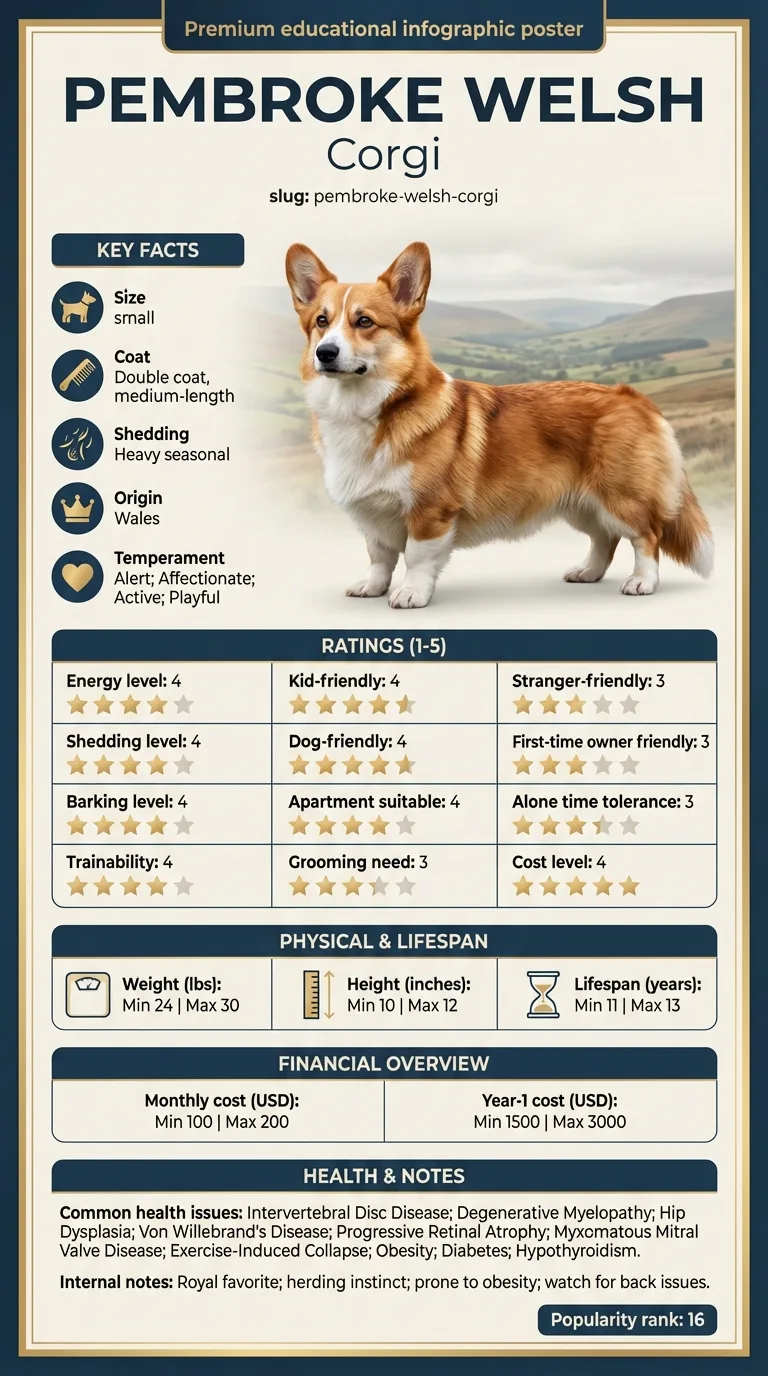
Many Corgi owners, especially first-time pet parents, may struggle with understanding liver shunts. Those with a family history of health issues in their dogs might find themselves particularly concerned about this condition.
This guide is not medical advice. If your dog shows pain, sudden behavior change, or worsening symptoms, consult a licensed veterinarian.
Some links may be affiliate links. We may earn a commission at no extra cost to you. We only suggest products we believe are helpful for dog owners.
We research and check what we publish, but we do not warrant that any figure, date, price, or statement is accurate, complete, or current, and we accept no liability for any loss, cost, injury, or other harm arising from the use of this site. Use it as one reference among several. You remain responsible for your own decisions and for your dog's care - confirm anything that matters with a licensed veterinarian or another qualified professional before you act on it. Full disclaimer.
Check this first
Recognizing when your Pembroke Welsh Corgi is experiencing a liver shunt crisis is crucial. Certain signs indicate an emergency that requires immediate veterinary attention. These include severe lethargy, seizures, repeated vomiting, or signs of jaundice, like yellowing of the skin or eyes. If your dog collapses or shows difficulty breathing, call your vet right away.
On the other hand, there are less severe symptoms that you can monitor at home. Mild signs include occasional vomiting, slight lethargy, or a decrease in appetite. If your Corgi shows these symptoms but remains playful and alert, you can keep an eye on them. Just make sure to have a plan in place to consult your vet if symptoms worsen or persist.
It’s essential to differentiate these cases to ensure your pet’s safety. If you’re ever in doubt about your Pembroke Welsh Corgi’s health, err on the side of caution and reach out to your veterinarian. Keeping a close watch on your dog’s behavior can help you catch any issues early on.
If any of these apply, call your vet or an emergency clinic now. The rest of this page is for the cases that are not an emergency.
Pembroke Welsh Corgi liver shunts are serious health issues that involve abnormal blood flow in the liver. This condition can lead to a range of symptoms, including poor growth, lethargy, and even seizures. Owners might notice their Corgi struggling with basic activities due to lack of energy or digestive problems.
Liver shunts are relatively common in Pembroke Welsh Corgis, especially in young dogs. While not every Corgi will face this issue, it's important for owners to be aware of the signs and seek veterinary advice if they suspect a problem.
Pembroke Welsh Corgis can be genetically predisposed to liver shunts due to their breeding history. Some lines may have inherited traits that affect liver development, making them more susceptible to this condition. Understanding these genetic factors is crucial for potential owners.
Environmental factors can also contribute to liver shunts. Poor nutrition, exposure to toxins, and lack of proper veterinary care can exacerbate liver issues. A supportive environment that includes a balanced diet and regular check-ups is vital for prevention.
Talk to your vet if your Corgi shows signs of liver issues, such as vomiting, diarrhea, or excessive thirst. Early intervention is key, especially for conditions like liver shunts, and your vet can guide you on the best steps forward.
Avoiding common mistakes can help manage your Pembroke Welsh Corgi liver shunts more effectively. Here are some pitfalls to watch out for.
Start here: Pembroke Welsh Corgi Most Common Genetic Disorders
See all Pembroke Welsh Corgi health problems, which breeds are prone to liver shunts, or the full Pembroke Welsh Corgi breed guide for temperament, exercise needs and ownership costs.
You may see improvements within a few weeks of starting treatment and dietary changes, but it can take several months for your Pembroke Welsh Corgi to stabilize completely.
Success means your Corgi shows increased energy levels, improved appetite, and reduced symptoms related to liver shunts, allowing them to enjoy a happier, healthier life.
When Emma adopted Charlie, her Pembroke Welsh Corgi, she soon noticed he was lethargic and struggled with digestive issues. After a vet visit, Emma learned that Charlie had liver shunts. Determined to help him, she researched treatment options and switched him to a special diet. With regular vet check-ups and consistent care, Charlie gradually regained his energy and started playing again. Emma was thrilled to see him bouncing around like a puppy once more.
Key takeaway: With the right veterinary support and commitment to dietary changes, managing Pembroke Welsh Corgi liver shunts can lead to significant improvements in your dog's quality of life.
Liver shunts in Pembroke Welsh Corgis are often due to congenital defects in the portal vein system. These abnormalities can prevent blood from flowing properly through the liver, leading to various health issues. Regular veterinary check-ups are crucial to monitor your Corgi's liver health.
Look for signs such as poor growth, vomiting, or neurological issues. Corgis with liver shunts may also exhibit lethargy or changes in behavior. If you notice these symptoms, consult your vet for a thorough evaluation.
Treatment often involves surgery to correct the shunt, which can significantly improve your dog's quality of life. In some cases, medication may help manage symptoms. Discuss the best options with your veterinarian.
While congenital liver shunts can't be prevented, responsible breeding practices can reduce their occurrence. Always choose a reputable breeder who tests for this condition. Regular health screenings can also help catch issues early.
Ensure your Corgi has a balanced diet and avoids high-protein foods, as these can exacerbate symptoms. Regular vet visits are essential for monitoring liver function and adjusting treatment plans as necessary.
Signs of liver shunts in Pembroke Welsh Corgis often appear in puppies, typically between 6 months to 2 years old. However, some dogs may not show symptoms until they are older. If you notice unusual behaviors, consult your vet immediately.
Managing a Pembroke Welsh Corgi with liver shunts involves monitoring their diet and providing consistent vet check-ups. A low-protein diet may be recommended to reduce stress on the liver. Always follow your vet's advice for specific dietary needs.
Yes, liver shunts can be hereditary in Pembroke Welsh Corgis. Responsible breeding practices can help reduce the risk. If you're considering a Corgi, inquire about the breeder's health testing protocols.
Liver shunts can lead to neurological issues, which may alter your Pembroke Welsh Corgi's behavior. Symptoms might include confusion, seizures, or lethargy. If you notice any behavioral changes, consult your veterinarian promptly.
The long-term prognosis for a Pembroke Welsh Corgi with liver shunts varies based on treatment and severity. Surgical intervention may improve their quality of life, while untreated cases can lead to serious health issues. Regular veterinary care is crucial for monitoring their condition.
Monitor your Corgi for behavioral changes or health issues and maintain regular vet check-ups. Keep their diet appropriate to manage symptoms effectively.
Keep your Corgi calm and limit strenuous activities. Follow your vet's dietary recommendations closely to help manage their health.
Treatment can be costly, with surgery potentially ranging from $3,000 to $5,000. Ongoing veterinary care may add to monthly expenses.
Yes, liver shunts can occur in Pembroke Welsh Corgis due to genetic predispositions. Responsible breeding can help mitigate these risks.
A one-page prep sheet for this condition: the signs, the questions to ask, what to get priced. Unlocks here.
You get: Vet visit prep sheet
No spam. One-click unsubscribe. See our privacy policy.
Preview page 1 before you decide.