DogBreedCompass
← Back to breed profile

Rottweiler Heart Disease: Causes and Management Tips

Rottweiler heart disease is a serious concern that can greatly impact your dog's health. Understanding this condition is crucial for any Rottweiler owner.

Owners of Rottweilers, particularly those who have pets over the age of 5, often face the challenges of this condition. Many first-time Rottweiler owners may not recognize the early signs of heart disease, leading to a more difficult management journey.

Important reminder

This guide is not medical advice. If your dog shows pain, sudden behavior change, or worsening symptoms, consult a licensed veterinarian.

Some links may be affiliate links. We may earn a commission at no extra cost to you. We only suggest products we believe are helpful for dog owners.

What this problem looks like

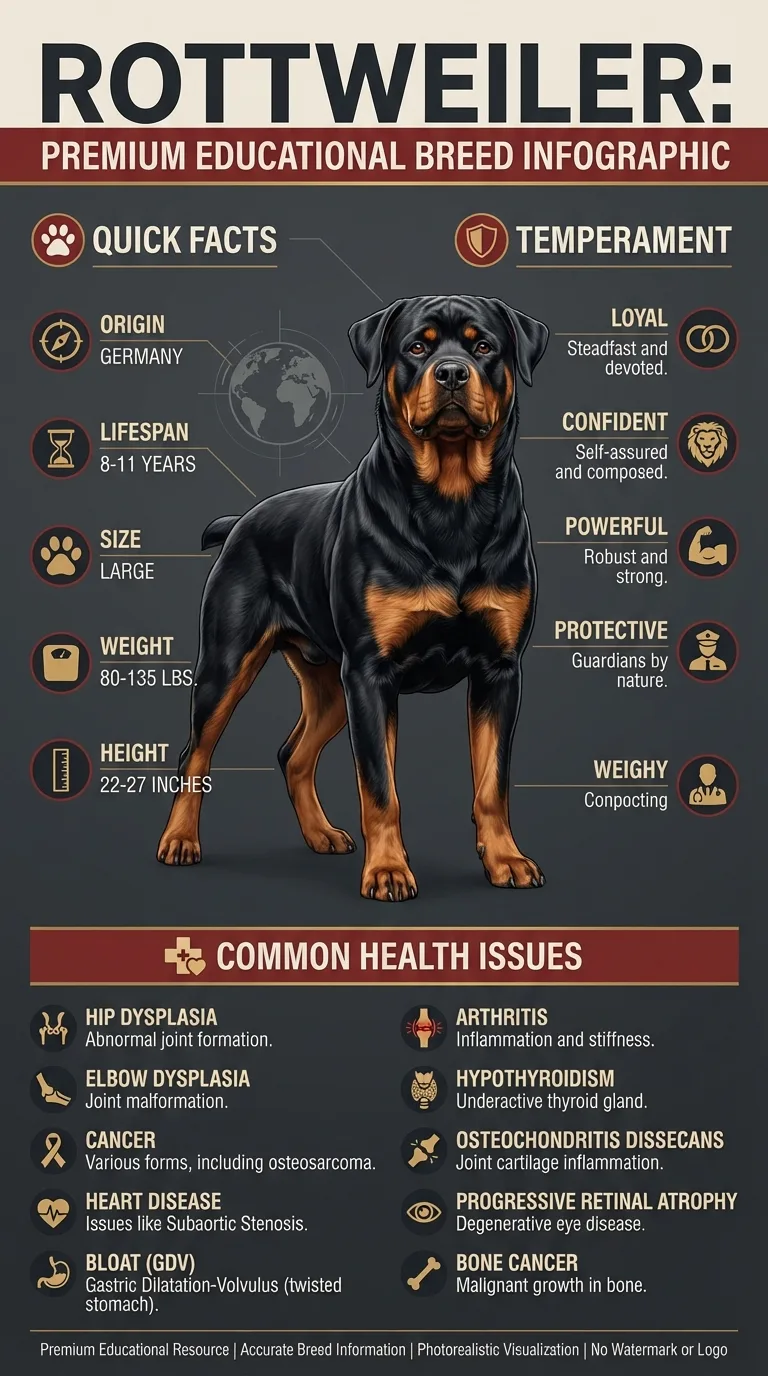
Rottweiler heart disease is a serious condition that can significantly affect your dog's quality of life. Commonly, this disease manifests as dilated cardiomyopathy or heart murmurs, leading to symptoms such as lethargy, coughing, and difficulty breathing. Owners may notice that their Rottweiler tires easily during walks or struggles with regular activities, which can be alarming.

Common triggers

  • Genetics, as certain bloodlines are more prone to heart issues.
  • Obesity, which increases stress on the heart.
  • Inadequate exercise, leading to poor cardiovascular health.

Heart disease is unfortunately common in Rottweilers, with studies suggesting that around 10-20% of this breed may develop some form of heart issue during their lifetime. Regular veterinary check-ups are crucial for early detection.

Why this happens

Breed factors

Rottweilers can be prone to heart disease due to their genetic makeup. Conditions like dilated cardiomyopathy and heart murmurs are more common in this breed. These issues can lead to weakened heart function over time.

Environment factors

Environmental factors also play a role in heart disease. Poor diet, lack of exercise, and obesity can contribute to heart health issues. Stress and inadequate veterinary care can further exacerbate these problems.

What you can try

At-home strategies

  • Feed your Rottweiler a balanced diet rich in omega-3 fatty acids, which can support heart health. Look for high-quality dog food that lists meat as the first ingredient.
  • Ensure regular exercise by taking your Rottweiler for daily walks or engaging in playtime. Aim for at least 30 to 60 minutes of activity each day to keep them fit.
  • Monitor your dog's weight and adjust portion sizes accordingly. Keeping your Rottweiler at a healthy weight can significantly reduce the risk of heart disease.

When to consider a trainer

If your Rottweiler shows signs of anxiety or stress that may contribute to heart health issues, consider consulting a trainer. A professional can help with training techniques to reduce anxiety and improve your dog's overall behavior.

When to talk to your vet

If you notice symptoms like coughing, fatigue, or difficulty breathing, contact your vet immediately. Regular check-ups are crucial, especially for older Rottweilers, to catch any potential heart issues early.

Realistic expectations

Addressing Rottweiler heart disease typically takes 6 to 12 months of consistent care and monitoring. Regular vet visits and adjustments to diet and exercise may be needed during this time.

Success looks like improved heart health, as indicated by vet check-ups, and a better quality of life for your Rottweiler. You'll notice more energy, increased stamina during walks, and a happier demeanor.

Max's Journey with Heart Disease

When Sarah adopted Max, her Rottweiler, he was diagnosed with heart disease shortly after. Initially overwhelmed, she learned about the condition and the importance of a tailored diet and regular exercise. With the help of her vet, Sarah adjusted Max's meals and introduced gentle activities like short walks and playtime. Over several months, Max's health improved significantly. He had more energy and was more playful than ever, bringing joy back into Sarah's life.

Key takeaway: The right knowledge and support can lead to significant improvements in your Rottweiler's heart health. Don't hesitate to seek veterinary guidance and make lifestyle changes.

Frequently asked questions

What causes Rottweiler heart disease?

Rottweiler heart disease can be caused by genetic factors, poor nutrition, and lack of exercise. Dilated cardiomyopathy is particularly common in this breed and can lead to heart failure if not managed properly. Regular vet check-ups are essential to catch any issues early.

How can I tell if my Rottweiler has heart disease?

Signs of heart disease in Rottweilers include coughing, difficulty breathing, fatigue, and a decreased interest in exercise. If you notice these symptoms, it's crucial to consult your vet. Early detection can significantly improve outcomes.

What are the treatment options for Rottweiler heart disease?

Treatment for Rottweiler heart disease often includes medications to manage symptoms and dietary changes to support heart health. In more severe cases, your vet may recommend more advanced therapies. Regular monitoring will help ensure your Rottweiler's health is managed effectively.

Can Rottweiler heart disease be prevented?

While you can't prevent genetic heart disease, you can lower your Rottweiler's risk by maintaining a healthy diet, ensuring regular exercise, and scheduling annual vet visits. Keeping your dog at a healthy weight also helps reduce strain on the heart.

Why does my Rottweiler have heart disease?

Rottweilers have a genetic predisposition to certain heart conditions, such as dilated cardiomyopathy. Factors like age, diet, and overall health can also contribute to the development of heart disease. A vet can help identify specific risk factors for your dog.

Why does my Rottweiler have heart disease?

Rottweilers are prone to heart disease due to genetics, age, and lifestyle factors. Common issues include dilated cardiomyopathy and heart murmurs. It's vital to consult your vet for proper diagnosis and management.

How can I tell if my Rottweiler's heart disease is getting worse?

Watch for signs like excessive panting, coughing, fatigue, or difficulty exercising. If your Rottweiler shows these symptoms, it's important to contact your vet. Early intervention can help manage the condition more effectively.

Are there specific diets that can help manage Rottweiler heart disease?

Yes, diets low in sodium and high in essential fatty acids may benefit Rottweilers with heart disease. Always consult your veterinarian for personalized dietary recommendations that suit your dog's health.

Can heart disease in Rottweilers be hereditary?

Yes, heart disease can be hereditary in Rottweilers. If your dog's parents had heart issues, your Rottweiler could be at a higher risk. Regular vet check-ups can help monitor heart health throughout their life.

What are some training techniques to help my Rottweiler with heart disease?

Training should focus on gentle activities and mental stimulation rather than intense exercise. Positive reinforcement methods work well to encourage calm behavior. Consult with a trainer experienced in working with dogs that have health issues.

Quick answers

View more answers
Health

Rottweiler heart disease quick tips

To help manage Rottweiler heart disease, ensure your dog has a balanced diet, regular exercise, and routine vet check-ups. Monitor for symptoms like coughing or lethargy and report them to your vet promptly.

Health

How to stop Rottweiler heart disease?

While you can't completely stop heart disease, you can manage risk factors through proper diet and exercise. Consult your vet for personalized strategies based on your Rottweiler's health.

Health

What to feed a Rottweiler with heart disease?

A heart-healthy diet for a Rottweiler should include lean proteins, omega-3 fatty acids, and minimal salt. Always consult your vet for specific dietary recommendations.

Related DogBreedCompass guides

  • Rottweiler heart disease trainingLearn about the common symptoms and treatment options for Rottweiler heart disease.
  • Rottweiler behavior problemsUnderstand the specific behavior problems that can arise in Rottweilers.
  • Rottweiler separation anxiety guideExplore how to manage Rottweilers with separation anxiety effectively.
  • Rottweiler cost breakdownDiscover the potential costs of owning a Rottweiler and how to budget for health issues.
  • Why does my Rottweiler have heart diseaseFind out why heart disease develops in Rottweilers and how to prevent it.

Related guides

Take Behavior Assessment

Understand why your dog acts this way.

Take a quick dog behavior quiz to spot red flags in training, anxiety and everyday habits before they snowball into bigger problems.

Take quiz