Behavior
What are quick tips for Havanese pancreatitis & diabetes?
Focus on a low-fat diet, regular vet visits, and consistent exercise. Monitor their weight closely to prevent obesity.

Quick answer
What are quick tips for Havanese pancreatitis & diabetes?
Focus on a low-fat diet, regular vet visits, and consistent exercise. Monitor their weight closely to prevent obesity.
Havanese pancreatitis and diabetes are serious health concerns that can impact your dog's quality of life. Recognizing the signs early can make a big difference.
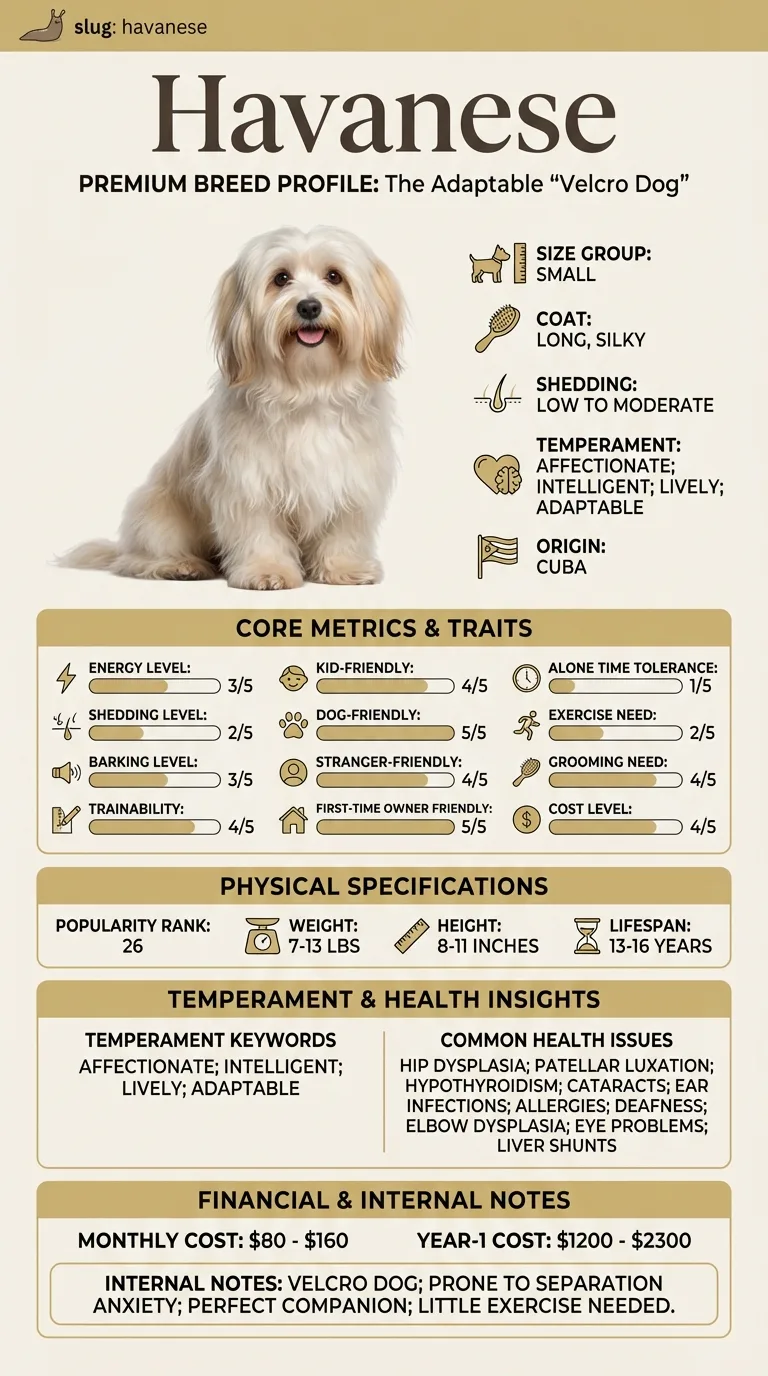
Owners of Havanese dogs, especially those with senior pets, often struggle with these health issues. It can be challenging to manage their diets and lifestyle to prevent complications.
This guide is not medical advice. If your dog shows pain, sudden behavior change, or worsening symptoms, consult a licensed veterinarian.
Some links may be affiliate links. We may earn a commission at no extra cost to you. We only suggest products we believe are helpful for dog owners.
We research and check what we publish, but we do not warrant that any figure, date, price, or statement is accurate, complete, or current, and we accept no liability for any loss, cost, injury, or other harm arising from the use of this site. Use it as one reference among several. You remain responsible for your own decisions and for your dog's care - confirm anything that matters with a licensed veterinarian or another qualified professional before you act on it. Full disclaimer.
Check this first
It’s important to recognize when Havanese pancreatitis and diabetes require immediate veterinary attention. If your Havanese shows any severe symptoms, it’s time to call your vet right away. These symptoms include persistent vomiting, diarrhea, lethargy, or signs of pain, like whining or a hunched posture. Rapid breathing or a noticeably bloated abdomen are also red flags that shouldn’t be ignored.
On the other hand, if your Havanese has mild symptoms like occasional vomiting, decreased appetite, or slight lethargy, you might be able to monitor the situation at home. Keep track of their eating habits, energy levels, and bathroom frequency. Make notes of any changes, and be ready to consult your vet if symptoms worsen or don’t improve within a day or two.
Always trust your instincts as a pet owner. If something feels off, it’s better to be safe and get your furry friend checked out. Early intervention can make a big difference in managing these conditions effectively.
If any of these apply, call your vet or an emergency clinic now. The rest of this page is for the cases that are not an emergency.
Havanese pancreatitis & diabetes can significantly affect your dog's health. This condition often manifests with symptoms like vomiting, lethargy, and weight loss. Owners may notice a decrease in appetite or frequent urination, which can be alarming.
Pancreatitis and diabetes are quite common in Havanese, especially as they age. Many owners report these issues, particularly in dogs over seven years old. Regular vet check-ups can help catch these conditions early.
Havanese are small dogs that can be prone to certain health issues like pancreatitis and diabetes, especially as they age. Their affectionate nature can lead to overeating if owners give in to their begging. Additionally, their delicate digestive systems may react poorly to high-fat diets or sudden dietary changes.
Environmental factors can also contribute to these health problems. A sedentary lifestyle with little exercise can lead to obesity, a significant risk factor for diabetes. Furthermore, stress from separation anxiety can trigger hormonal imbalances that affect their metabolism.
If you notice symptoms like excessive thirst, frequent urination, or significant weight changes, it's crucial to contact your vet. These could be signs of diabetes or pancreatitis, and early intervention can make a big difference in management.
Many owners unintentionally worsen their Havanese's pancreatitis and diabetes. By recognizing common mistakes, you can make better choices for your dog's health.
Start here: Havanese Most Common Genetic Disorders: What to Screen For
See all Havanese health problems, which breeds are prone to pancreatitis diabetes, or the full Havanese breed guide for temperament, exercise needs and ownership costs.
You can expect to see some improvement in your Havanese's condition within 4 to 6 weeks of implementing dietary and lifestyle changes. However, managing pancreatitis and diabetes is an ongoing process that may require adjustments over time.
Success means your Havanese maintains a stable weight, shows improved energy levels, and has controlled blood sugar levels. Regular vet check-ups will confirm that their pancreatitis symptoms are minimized.
Emily, a first-time dog owner in Denver, adopted Max, a 5-year-old Havanese. Shortly after bringing him home, she noticed he was lethargic and frequently vomiting. A visit to the vet revealed that Max was suffering from both pancreatitis and diabetes. Feeling overwhelmed, Emily researched how to stop Havanese pancreatitis & diabetes and worked closely with her vet to create a strict diet plan. She learned to prepare low-fat meals and monitor Max’s glucose levels. After a few weeks, Max’s energy returned, and his weight stabilized, giving Emily hope that they could manage his conditions together.
Key takeaway: With the right support and a dedicated care plan, managing Havanese pancreatitis and diabetes is achievable. Regular vet visits and a tailored diet can dramatically improve your dog’s quality of life.
Symptoms may include vomiting, diarrhea, increased thirst, frequent urination, and lethargy. If you notice any of these signs, contact your veterinarian immediately for a thorough evaluation. Early detection can lead to better outcomes.
To manage Havanese pancreatitis and diabetes, focus on a balanced, low-fat diet tailored for your dog. Regular exercise and weight management are crucial. Consult your vet for specific dietary recommendations and treatment plans.
Training can help with behavior management but won't directly treat pancreatitis or diabetes. However, training your Havanese to follow a routine can help ensure they stick to a proper feeding schedule and exercise regimen. Consistency is key.
Treatment options usually include medication to manage symptoms and dietary changes. Your vet may also suggest insulin therapy for diabetes. Regular follow-ups will be necessary to monitor your dog's health.
Yes, a diet low in fat and high in fiber is often recommended for Havanese with these conditions. Your vet can provide specific food options and portion sizes to maintain your dog's health effectively.
Early signs of pancreatitis in Havanese dogs may include vomiting, diarrhea, and a decreased appetite. You might also notice lethargy or abdominal pain. If you see these symptoms, it’s important to consult your vet quickly.
Yes, but you need to choose treats carefully. Look for low-sugar, high-fiber options and consult your vet for the best choices. Moderation is key to managing their diabetes effectively.
Yes, pancreatitis is more common in older Havanese dogs. As they age, their risk increases, especially if they have dietary indiscretions or other health issues. Regular vet check-ups are crucial for senior dogs.
To help your Havanese, focus on a balanced diet low in fat and sugar. Regular exercise and monitoring their weight can also help manage both conditions. Always work with your vet to create a tailored care plan.
Focus on a low-fat diet, regular vet visits, and consistent exercise. Monitor their weight closely to prevent obesity.
You should schedule a vet visit at least once a year, or more frequently if your dog shows symptoms of illness.
Yes, training can establish routines that help manage feeding and exercise, which is crucial for controlling their health issues.
Ensure their diet is low in fat and high in fiber, and stick to a regular exercise routine. Avoid excessive treats.
A one-page prep sheet for this condition: the signs, the questions to ask, what to get priced. Unlocks here.
You get: Vet visit prep sheet
No spam. One-click unsubscribe. See our privacy policy.
Preview page 1 before you decide.