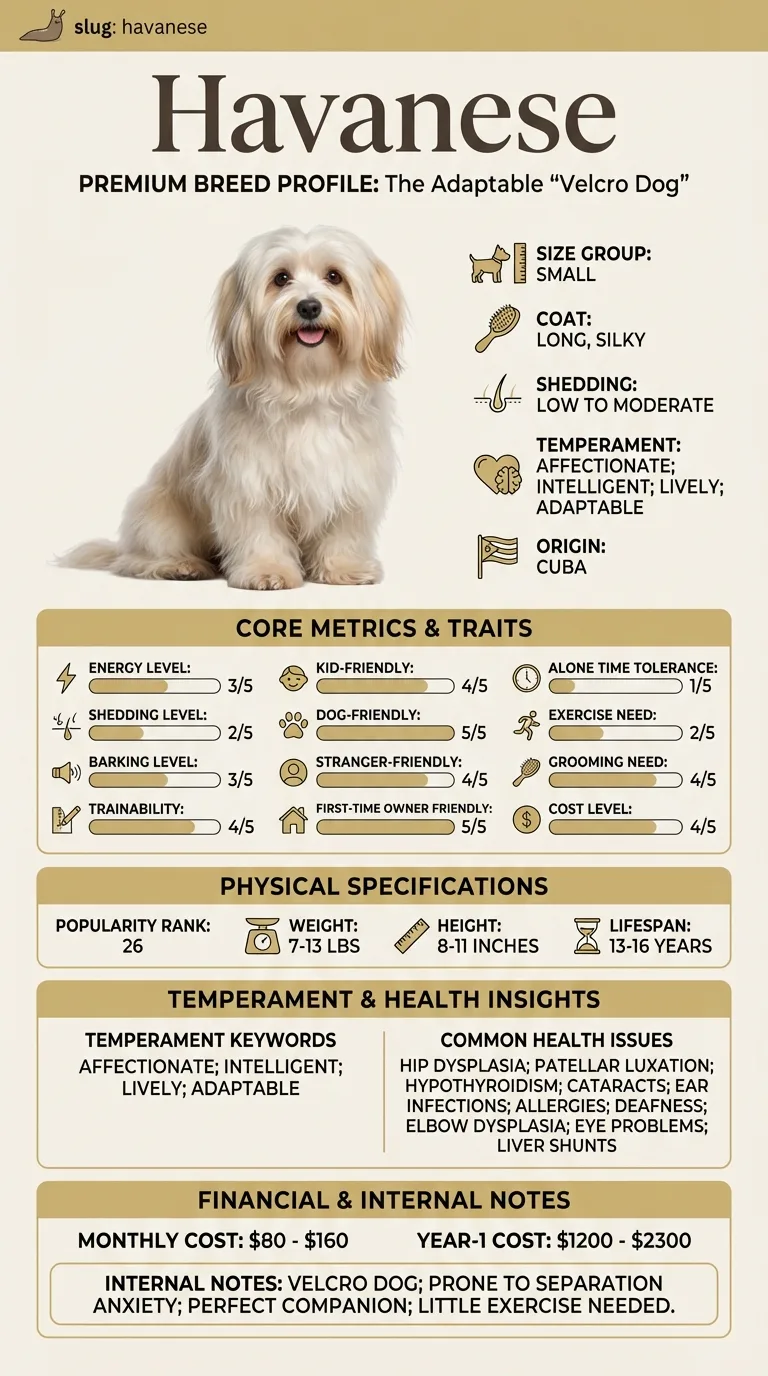
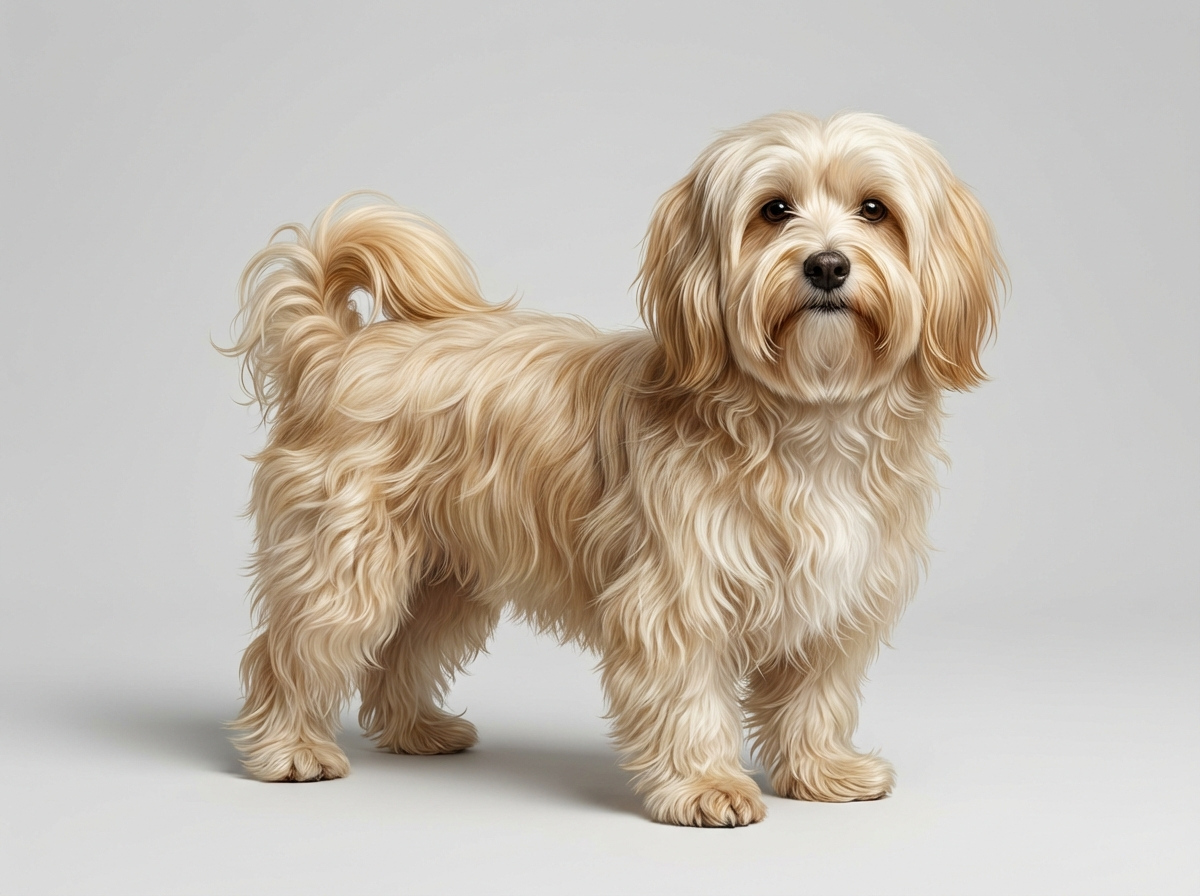
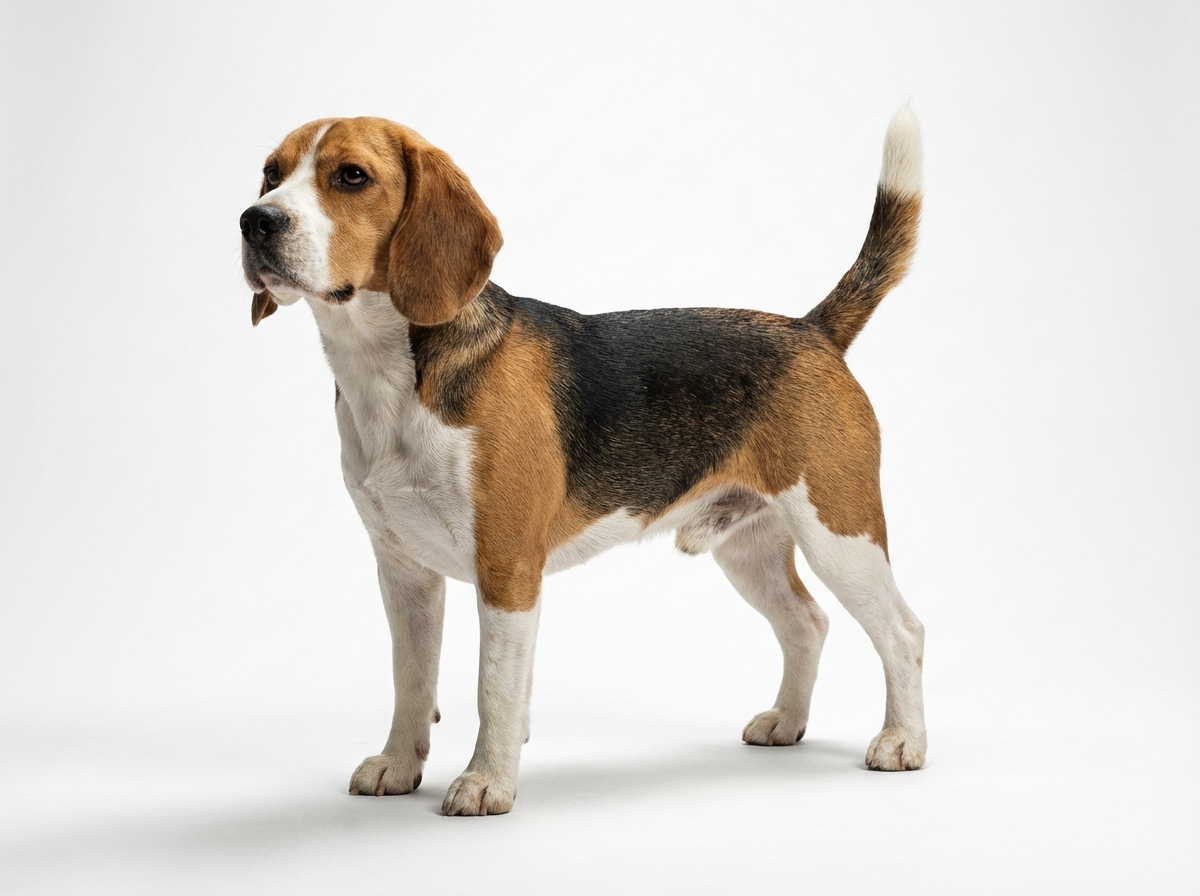
What are quick tips for Havanese hypothyroidism?
Keep an eye on your dog's weight and energy levels. Regular vet check-ups are essential for monitoring thyroid hormone levels. Ensure a balanced diet and follow prescribed medication diligently.
Havanese hypothyroidism is a common health issue that affects the thyroid gland, leading to a deficiency in hormones.

Owners of Havanese dogs, especially first-time pet parents, may find themselves facing this challenge. It's important for them to recognize the signs early and seek veterinary advice.
This guide is not medical advice. If your dog shows pain, sudden behavior change, or worsening symptoms, consult a licensed veterinarian.
Some links may be affiliate links. We may earn a commission at no extra cost to you. We only suggest products we believe are helpful for dog owners.
Havanese hypothyroidism is a common health issue that can affect your furry friend's energy levels and overall well-being. This condition occurs when the thyroid gland fails to produce enough hormones, leading to symptoms like lethargy, weight gain, and skin problems. Daily life can be impacted as your Havanese may seem less playful or sluggish, making it essential to watch for these signs.
Hypothyroidism is relatively common in Havanese dogs, often developing in middle-aged to older pets. It's important for owners to be aware of the potential for this condition, especially considering their affectionate and close bond with people.
Havanese hypothyroidism can be influenced by genetics. Some Havanese may inherit a predisposition to thyroid issues, which can lead to hormone deficiencies. This breed is known to be more susceptible to certain health problems, including hypothyroidism.
Environmental factors also play a role. Poor diet, lack of exercise, and exposure to toxins can contribute to thyroid dysfunction. Stressors in the dog's environment, such as frequent changes or instability, can exacerbate these health issues.
If your Havanese shows signs of anxiety or behavioral issues related to their hypothyroidism, consider consulting a trainer. A professional can help develop a tailored training plan to address these concerns.
If you suspect your Havanese has hypothyroidism, it’s crucial to talk to your vet. They can perform blood tests to check hormone levels and recommend appropriate treatments. Don't wait, as early intervention can lead to better health outcomes.
You can expect to see improvements in your Havanese's health within 4 to 6 weeks of starting treatment. Regular vet check-ups are essential to monitor progress.
Success means your Havanese will regain energy, show a healthier coat, and maintain a stable weight. You'll notice a happier, more active dog who enjoys daily activities.
It's easy to unintentionally worsen Havanese hypothyroidism by making common mistakes. Here are some behaviors to avoid and safer alternatives.
Recognizing when Havanese hypothyroidism becomes an emergency is crucial for your dog's health. If your Havanese shows signs of severe lethargy, sudden weight gain, vomiting, or difficulty breathing, you should call your vet immediately. These symptoms can indicate serious complications that require urgent medical attention.
On the other hand, if your Havanese displays mild symptoms like slight weight changes, low energy, or occasional skin issues, you can monitor the situation. Keeping track of these symptoms along with a plan for regular vet visits can often suffice in less serious cases. However, always consult your vet for tailored advice based on your dog's specific condition.
It's essential to strike a balance between being vigilant and not overreacting. Observing your Havanese’s behavior and health closely will help you understand whether a situation is worsening or stable. If you’re ever in doubt, it’s better to err on the side of caution and seek professional help.

Sarah, a first-time dog owner, noticed her Havanese, Max, was lethargic and losing weight. After a vet visit, she learned that Max had hypothyroidism. Initially overwhelmed, Sarah followed the vet's advice on medication and adjusted Max's diet. Over the next few weeks, Max regained his playful spirit and shiny coat. Sarah learned to monitor Max's energy levels and weight closely, ensuring he received regular vet check-ups.
Key takeaway: With proper treatment and care, Havanese hypothyroidism can be managed effectively, leading to a happier and healthier dog.

Havanese hypothyroidism is often due to an autoimmune disorder that damages the thyroid gland. Genetics can play a role, as certain breeds are predisposed to this condition. Additionally, factors like age or prior health issues may contribute.
Look for signs such as weight gain, lethargy, or changes in coat quality. Skin issues and increased sensitivity to cold are also common symptoms. If you suspect hypothyroidism, consult your vet for a blood test.
The most common treatment is daily thyroid hormone replacement medication. This helps restore hormone levels and alleviate symptoms. Regular check-ups with your vet are essential to monitor progress and adjust dosages.
A balanced diet is crucial for overall health, but it won't cure hypothyroidism. However, feeding high-quality food can support your dog's well-being and help manage weight. Always consult your vet before making dietary changes.
Offer them a calm environment and maintain a consistent routine. Regular exercise is important for their health, but avoid overexertion. Consider gentle training sessions to keep their mind engaged and build confidence.
With proper treatment, most Havanese can live normal, healthy lives. However, they will require lifelong medication and regular vet visits to monitor their condition. Early detection and consistent care are key to managing this issue.
Common symptoms of Havanese hypothyroidism include weight gain, lethargy, and skin issues like hair loss. You might also notice a decrease in energy or changes in behavior, such as increased anxiety. If you see these signs, consult your vet for guidance.
Yes, older Havanese dogs are more prone to hypothyroidism. As they age, their thyroid function may decline, leading to symptoms that can be mistaken for normal aging. If you have an older Havanese showing unusual signs, it's wise to have them checked by a vet.
To help a Havanese with hypothyroidism, follow your vet's advice on medication and diet. Regular check-ups are important to monitor their condition and adjust treatment as needed. Keeping your Havanese active and engaged can also help maintain their overall health.
Yes, there is a genetic predisposition to hypothyroidism in Havanese dogs. Breeding practices can influence the likelihood of developing this condition. If you're considering getting a Havanese, research reputable breeders who prioritize health testing.
If your Havanese is diagnosed with hypothyroidism, work closely with your vet to establish a treatment plan. This often includes thyroid hormone replacement therapy. Regular follow-ups will help ensure your dog stays healthy and happy.
Keep an eye on your dog's weight and energy levels. Regular vet check-ups are essential for monitoring thyroid hormone levels. Ensure a balanced diet and follow prescribed medication diligently.
Hypothyroidism can lead to lethargy, weight gain, and changes in mood. Your Havanese might seem less playful or more withdrawn. Addressing these symptoms with your vet is crucial for their happiness.
Yes, gentle training can keep their mind active and help manage anxiety. Short, positive sessions are best to avoid overwhelming them. Consistency is key to success.