Behavior
What quick tips can help with Havanese ear infections?
To help prevent Havanese ear infections, clean their ears regularly, keep them dry, and watch for signs of irritation. A vet visit is crucial if you notice persistent symptoms.

Quick answer
What quick tips can help with Havanese ear infections?
To help prevent Havanese ear infections, clean their ears regularly, keep them dry, and watch for signs of irritation. A vet visit is crucial if you notice persistent symptoms.
Havanese ear infections are a common issue that can cause discomfort for your furry friend. They can lead to chronic pain and affect your dog's overall well-being.

This problem typically affects first-time dog owners or busy families who may not know the signs of ear infections. Havanese, being prone to this issue, require attentive care to manage their ear health effectively.
This guide is not medical advice. If your dog shows pain, sudden behavior change, or worsening symptoms, consult a licensed veterinarian.
Some links may be affiliate links. We may earn a commission at no extra cost to you. We only suggest products we believe are helpful for dog owners.
We research and check what we publish, but we do not warrant that any figure, date, price, or statement is accurate, complete, or current, and we accept no liability for any loss, cost, injury, or other harm arising from the use of this site. Use it as one reference among several. You remain responsible for your own decisions and for your dog's care - confirm anything that matters with a licensed veterinarian or another qualified professional before you act on it. Full disclaimer.
Check this first
Not all Havanese ear infections require immediate attention, but some symptoms can indicate a serious issue. If your Havanese shows signs of extreme discomfort, such as persistent scratching, shaking their head vigorously, or whining, these could be red flags. Additionally, if you notice swelling, discharge, or a foul odor coming from the ear, it’s essential to call your vet right away.
If any of these apply, call your vet or an emergency clinic now. The rest of this page is for the cases that are not an emergency.
Havanese ear infections can be a frequent challenge for owners. These infections often present as itching, redness, and foul odors coming from the ears. Many Havanese dogs may shake their heads or scratch at their ears, indicating discomfort.
Havanese ear infections are quite common due to their ear structure and grooming needs. Many Havanese owners report dealing with this issue at least once during their dog's life.
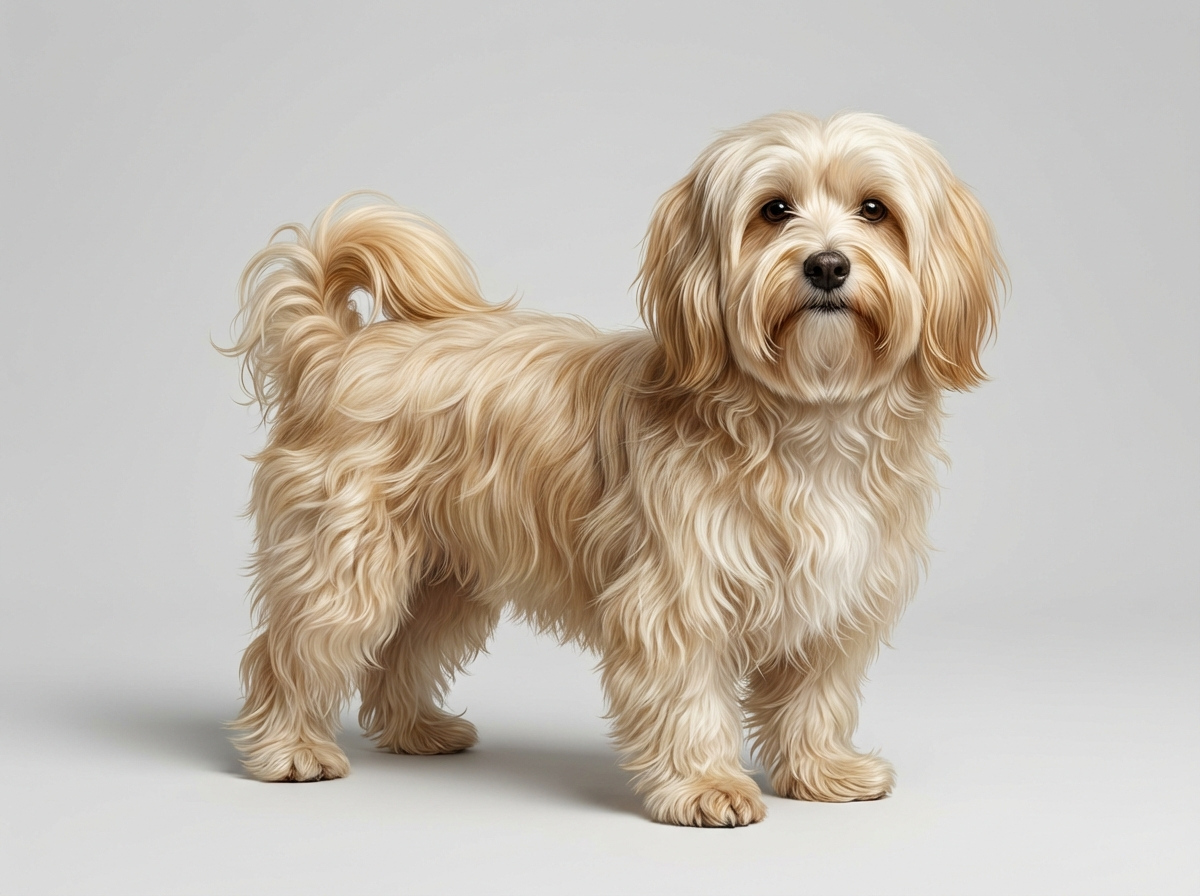
Havanese are prone to ear infections due to their long, silky hair, which can trap moisture and debris. Their floppy ears limit airflow, creating a warm, dark environment where bacteria and yeast thrive. Additionally, some Havanese may have genetic predispositions that make them more susceptible to these infections.
Environmental factors play a significant role in Havanese ear infections. Allergens in their surroundings, such as pollen or dust mites, can irritate their ears. Frequent exposure to water during baths or swimming can also lead to moisture build-up, increasing the risk of infections.
Consult your vet if your Havanese shows persistent signs of ear infections, such as discharge, odor, or excessive scratching. A vet can provide a proper diagnosis and treatment plan, especially if home care doesn’t improve the situation.
When dealing with Havanese ear infections, certain common mistakes can actually worsen the situation. Here are some pitfalls to avoid:
Start here: Havanese Most Common Genetic Disorders: What to Screen For
See all Havanese health problems, which breeds are prone to ear infections, or the full Havanese breed guide for temperament, exercise needs and ownership costs.
With consistent care, you can expect to see improvement in your Havanese's ear health within 4 to 6 weeks.
Success means fewer or no ear infections, your dog showing less discomfort, and a clearer understanding of preventive care.
In less severe cases, you can monitor your Havanese at home. If they occasionally scratch their ears but have no other alarming symptoms, keep an eye on their behavior. You can clean their ears gently with a vet-recommended solution, and watch for any changes. If symptoms persist for more than a few days, or worsen, consult your veterinarian for advice.

Maria, a first-time dog owner, noticed her Havanese, Bella, frequently scratching her ears. After a vet visit confirmed chronic ear infections, Maria learned about the importance of regular ear cleaning and monitoring her dog's diet for allergens. With a new routine, including gentle ear cleanings and dietary adjustments, Bella's infections became less frequent. Maria felt relieved and empowered as she successfully managed Bella's health, turning their relationship into a more enjoyable experience.
Key takeaway: Regular ear care and dietary awareness can significantly reduce ear infections in Havanese dogs, leading to a happier, healthier pet.
Havanese ear infections can be caused by various factors including allergies, moisture, and wax buildup. Their long, floppy ears can trap moisture, creating a perfect environment for bacteria and yeast. Regular ear cleaning and monitoring for signs of discomfort can help prevent infections.
To stop Havanese ear infections, maintain a regular ear cleaning routine using vet-recommended solutions. Ensure your dog's ears are dry after baths or swims, and watch for signs of irritation like scratching or shaking their head. If infections persist, consult your veterinarian for further guidance.
Yes, diet can play a role in Havanese ear infections, especially if your dog has food allergies. Switching to a hypoallergenic diet may help reduce allergic reactions that contribute to ear problems. Consult your vet for suitable dietary options.
Havanese can be more prone to ear infections due to their ear structure and coat type. Their floppy ears can trap moisture, making them susceptible. Regular grooming and ear care are essential to mitigate this risk.
Signs of ear infections in Havanese dogs include frequent shaking of the head, scratching at the ears, and a bad odor coming from the ear. You may also notice redness or swelling in the ear canal, and your dog may be more irritable than usual.
To prevent Havanese ear infections, keep their ears clean and dry. Regularly check for moisture and debris, especially after baths or swimming, and consider using a vet-recommended ear cleaner to maintain ear health.
If your Havanese shows persistent signs of discomfort, such as shaking their head or pawing at their ears, it's time to see a vet. Additionally, if you notice discharge, swelling, or a strong odor, a vet visit is essential to prevent complications.
Yes, older Havanese dogs may be more susceptible to ear infections due to a weakened immune system. They might also experience more severe symptoms, so regular check-ups are vital to catch any issues early.
While Havanese dogs are known to be prone to ear infections, any breed with floppy ears may have a higher risk. Regular ear care and monitoring are essential for all dogs, especially those with similar ear structures.
To help prevent Havanese ear infections, clean their ears regularly, keep them dry, and watch for signs of irritation. A vet visit is crucial if you notice persistent symptoms.
Clean your Havanese's ears at least once a month, or more frequently if they're prone to infections. Use a gentle, vet-approved ear cleaner.
While some home remedies may provide temporary relief, it's best to consult your vet for appropriate treatment options for Havanese ear infections.
If you suspect an ear infection, take your Havanese to the vet for a proper diagnosis and treatment plan. Avoid self-treatment to prevent further issues.
Yes, ear infections are a common issue for Havanese due to their ear structure. Regular care can help minimize these problems.
A one-page prep sheet for this condition: the signs, the questions to ask, what to get priced. Unlocks here.
You get: Vet visit prep sheet
No spam. One-click unsubscribe. See our privacy policy.
See a sample page before you decide.
Early access list
The free prep sheet covers the same-day warning signs, a symptom log and the questions to ask. We are considering a fuller kit that adds a cost worksheet for the usual tests and treatments (US price ranges with their sources) and a plain-English guide to ways of covering the bill. It is not built yet; this list tells us whether it is worth building.
One email, no spam, unsubscribe anytime. Information only, not veterinary advice.