DogBreedCompass
← Back to breed profile

Understanding Beagle Exercise Intolerance

Beagle exercise intolerance can be a serious issue for both dogs and their owners. It involves your Beagle struggling with physical activity, which can lead to overheating and exhaustion.

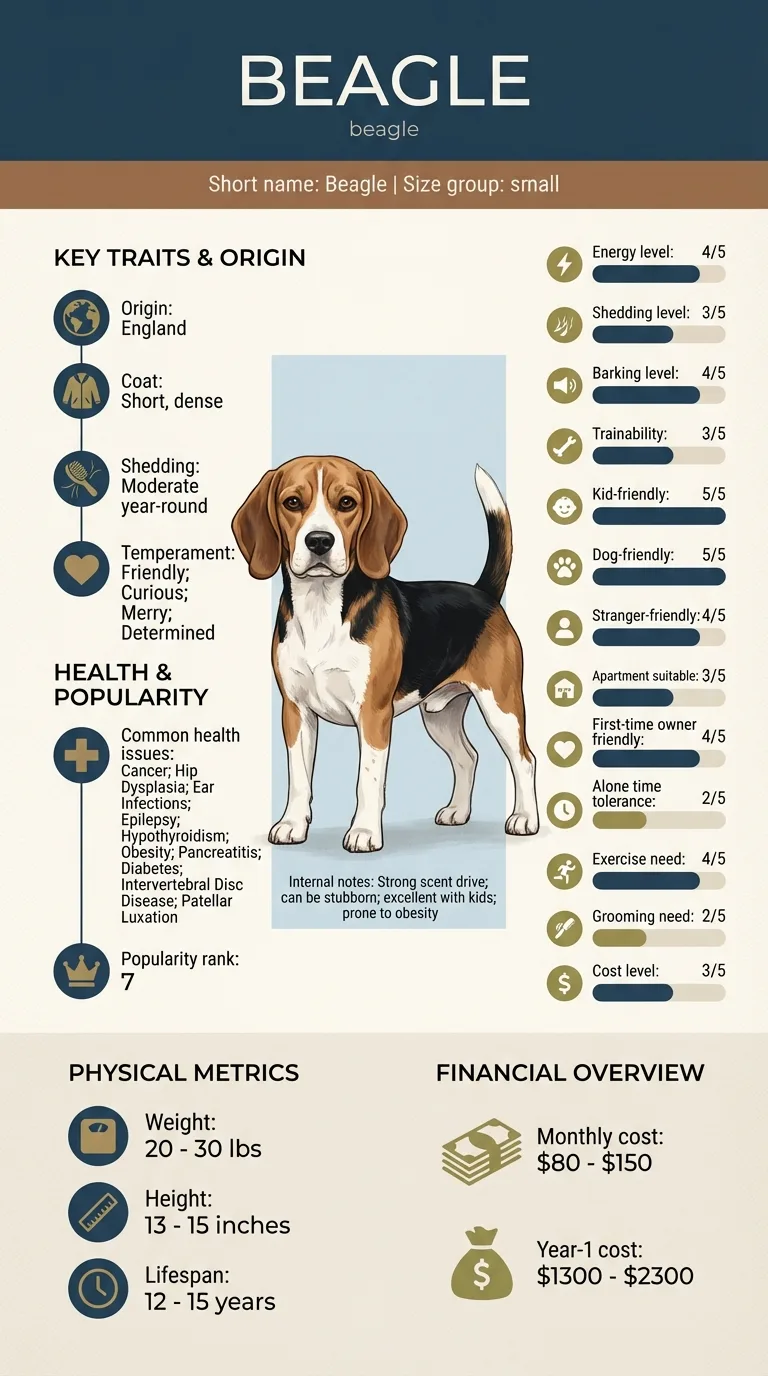
Understanding Beagle Exercise Intolerance infographic

Owners of Beagles, especially those who are active and want their dogs to keep up, may find themselves frustrated when their furry friend can't handle the same level of activity. This is particularly challenging for first-time dog owners who might not be aware of their dog's specific needs.

Important reminder

This guide is not medical advice. If your dog shows pain, sudden behavior change, or worsening symptoms, consult a licensed veterinarian.

Some links may be affiliate links. We may earn a commission at no extra cost to you. We only suggest products we believe are helpful for dog owners.

What this problem looks like

Beagle exercise intolerance can be a challenging issue for many owners. This condition often shows up when a Beagle appears unwilling or unable to engage in physical activity, even for short durations. Common signs include heavy panting, lethargy, and reluctance to walk, which can be concerning for owners who expect their Beagle to be energetic and active.

Common triggers

  • Hot weather or high humidity
  • Excessive exercise beyond their capabilities
  • Underlying health conditions, such as obesity or respiratory issues
  • Age-related factors, especially in older Beagles

Exercise intolerance is not uncommon in Beagles, especially given their tendency to overheat. Many owners report experiencing this issue, making it essential to monitor their Beagle's activity levels and provide appropriate breaks during exercise.

Why this happens

Breed factors

Beagles are small dogs with a moderate energy level, but they can be prone to obesity. Their strong scent drive may also encourage them to overexert themselves during walks or play, leading to exercise intolerance. Additionally, some Beagles may inherit conditions that affect their stamina.

Environment factors

Heat and humidity can significantly affect a Beagle's ability to exercise. An overly hot or humid environment can lead to overheating, making them reluctant to engage in physical activity. Lack of gradual exercise buildup can also result in fatigue or discomfort during activities.

What you can try

At-home strategies

  • Start with short walks, gradually increasing the duration as your Beagle adjusts. This helps build their stamina without overexerting them.
  • Offer plenty of water before, during, and after exercise to prevent dehydration. Always have fresh water available.
  • Watch the weather. Avoid exercising in extreme heat or humidity, opting for cooler times of the day, like early morning or late evening.
  • Incorporate fun indoor activities, such as puzzle toys or scent games, to keep your Beagle engaged without physical strain.
  • Monitor their breathing and behavior during exercise. If they seem tired or pant excessively, take a break and let them rest.

When to consider a trainer

If your Beagle consistently shows signs of exercise intolerance despite following home strategies, consider consulting a professional trainer. A trainer can provide tailored exercises and training techniques to help your dog build endurance safely.

When to talk to your vet

If your Beagle struggles with exercise intolerance, especially if accompanied by symptoms like excessive panting, lethargy, or coughing, schedule a vet visit. These could be signs of underlying health issues, such as obesity or respiratory problems.

Realistic expectations

You can expect to see improvements in your Beagle's exercise tolerance within 4 to 6 weeks of consistent training and care adjustments. Regular vet check-ups will help monitor progress.

Success means your Beagle can engage in moderate exercise without excessive panting or fatigue. They should show an interest in walks and playtime, recovering quickly after activity.

Mistakes that make this worse

Avoiding common pitfalls can help manage Beagle exercise intolerance more effectively. Here are some mistakes to watch out for.

  • Ignoring warning signs of fatigue: Pushing your Beagle to keep going when they show signs of tiredness can worsen their exercise intolerance. Instead, watch for signs like heavy panting or lagging behind and give them breaks.
  • Not adjusting exercise intensity: Using the same exercise routine for all dogs can be harmful. Tailor workouts to your Beagle's fitness level—shorter, more frequent walks are better than long, strenuous outings.
  • Overheating during exercise: Beagles are susceptible to overheating. Avoid outdoor activities during peak heat and always have water available to keep them cool.
  • Neglecting to monitor weight: Obesity can exacerbate exercise intolerance. Regularly check your Beagle’s weight and adjust their diet as needed to maintain a healthy balance.
  • Failing to provide a cool-down: Stopping exercise abruptly can lead to discomfort. Always allow your Beagle time to cool down after activity, gradually decreasing the intensity.
  • Not consulting a vet: If exercise intolerance persists, ignoring it can lead to serious health issues. Always consult your vet to rule out underlying conditions or get tailored advice.

When Beagle Exercise Intolerance is an Emergency

Recognizing when Beagle exercise intolerance crosses into an emergency is crucial. If your Beagle shows signs of extreme fatigue, such as excessive panting, weakness, or refusal to continue walking, it’s time to call your vet. Additionally, any unusual behavior, such as stumbling, unresponsiveness, or a rapid heartbeat, warrants immediate attention.

On the other hand, if your Beagle occasionally seems tired after moderate exercise but recovers quickly, you can monitor the situation. Watching for mild signs like slight panting or needing brief rest breaks can help you gauge their limits. Ensure you maintain a consistent exercise routine that aligns with your Beagle's energy levels, and consider reducing the intensity or duration of activities if they seem to struggle.

A good plan includes regular vet check-ups to discuss your Beagle's exercise tolerance, especially if you notice persistent symptoms. It's essential to differentiate between mild cases that can be managed at home and severe situations that require professional care.

Understanding Beagle Exercise Intolerance - When Beagle Exercise Intolerance is an Emergency

Maggie's Journey with Beagle Exercise Intolerance

Maggie, a busy teacher in Dallas, adopted a Beagle named Charlie. At first, she was excited to take him on long walks, but Charlie often seemed exhausted, panting heavily after just a few minutes. Concerned, Maggie consulted her vet, who explained that some Beagles can have exercise intolerance. They developed a plan that included shorter walks and gradually increased exercise over time, focusing on low-impact activities. Maggie also adjusted Charlie's diet to manage his weight. Within weeks, Charlie could enjoy longer walks and even play fetch without tiring too quickly.

Key takeaway: With patience and the right approach, you can help your Beagle overcome exercise intolerance, ensuring they lead an active and happy life.

Frequently asked questions

Why does my Beagle have exercise intolerance?

Beagles can experience exercise intolerance due to various factors like obesity, underlying health issues, or simply their natural energy levels. Regular vet check-ups are crucial to rule out any serious conditions such as heart or respiratory problems. Monitoring their weight and adjusting their activity levels can help manage this issue.

How can I stop my Beagle from showing exercise intolerance?

To manage Beagle exercise intolerance, start by gradually increasing their exercise duration and intensity. Incorporate shorter, more frequent walks instead of one long session. Always monitor your Beagle for signs of fatigue or overheating, and adjust their routine as needed.

What training methods can help with Beagle exercise intolerance?

Positive reinforcement training can be effective for Beagles with exercise intolerance. Use treats and praise to encourage them to engage in light activities. Additionally, consider incorporating fun games that require less physical exertion, such as scent work or puzzle toys.

How much exercise does a Beagle need?

On average, Beagles require about 60 minutes of exercise daily, but this can vary based on their age and health. It's essential to break this down into multiple sessions to prevent overexertion. Always tailor the exercise to your Beagle's fitness level.

Can diet play a role in my Beagle's exercise tolerance?

Yes, diet significantly impacts a Beagle's energy levels and overall health. Ensure your Beagle is on a balanced diet that meets their nutritional needs. Consult your vet for tailored dietary recommendations if your Beagle struggles with exercise tolerance.

What causes exercise intolerance in Beagles?

Beagle exercise intolerance can be caused by several factors, including obesity, health conditions like hip dysplasia, or heart issues. It's essential to monitor your dog's weight and consult a vet if you notice persistent lethargy.

How can I tell if my Beagle is too tired during exercise?

Signs that your Beagle is too tired include heavy panting, lagging behind, or reluctance to continue walking or playing. Always pay attention to your dog's behavior and adjust exercise accordingly.

Can older Beagles experience exercise intolerance?

Yes, older Beagles may show signs of exercise intolerance due to age-related health issues or decreased stamina. It's crucial to tailor exercise routines to their abilities and consult a vet for a safe plan.

When should I see a vet regarding my Beagle's exercise intolerance?

If your Beagle consistently struggles with exercise or shows unusual behavior like coughing or collapsing, it's time to see a vet. Early intervention can help address potential health issues.

Are there specific training methods for Beagle exercise intolerance?

To manage Beagle exercise intolerance, focus on gradual training. Start with short, gentle walks and increase duration slowly. Positive reinforcement can also help encourage your Beagle to stay active without overexerting.

Quick answers

View more answers
Behavior

What are quick tips for Beagle exercise intolerance?

Monitor your Beagle's weight regularly and adjust their diet if needed. Gradually increase exercise intensity and duration while watching for signs of fatigue. Keep exercise sessions short and frequent to avoid overheating.

Living

How to recognize signs of exercise intolerance in my Beagle?

Watch for excessive panting, reluctance to continue walking, or lagging behind. If your Beagle seems overly tired or shows signs of distress, it's time to stop and rest. Always consult your vet if you notice concerning symptoms.

Behavior

What games can I play with a Beagle that is exercise intolerant?

Engage your Beagle with scent games or puzzle toys that stimulate their mind without requiring too much physical exertion. Short fetch sessions can also be fun, but keep them brief to avoid fatigue.

Related DogBreedCompass guides

  • how to stop Beagle exercise intoleranceUnderstanding how exercise intolerance affects Beagles can help you manage their activity levels.
  • Beagle behavior problemsLearn more about general behavior issues that can arise with Beagles, including exercise challenges.
  • Beagle exercise intolerance trainingFind training tips specifically designed to help Beagles with their exercise intolerance.
  • Beagle breed guideExplore the unique characteristics of Beagles to better understand their exercise needs.
  • Beagle separation anxiety guideDiscover more about managing Beagle separation anxiety, which can relate to their exercise habits.

Related guides