Behavior
What are some quick tips for Beagle anxiety?
To help with Beagle anxiety, ensure daily exercise, provide a safe space, and use calming techniques like soothing music. Gradual exposure to stressors can also build their confidence.

Quick answer
What are some quick tips for Beagle anxiety?
To help with Beagle anxiety, ensure daily exercise, provide a safe space, and use calming techniques like soothing music. Gradual exposure to stressors can also build their confidence.
Beagle anxiety can be a real challenge for owners, affecting their dog's happiness and behavior.
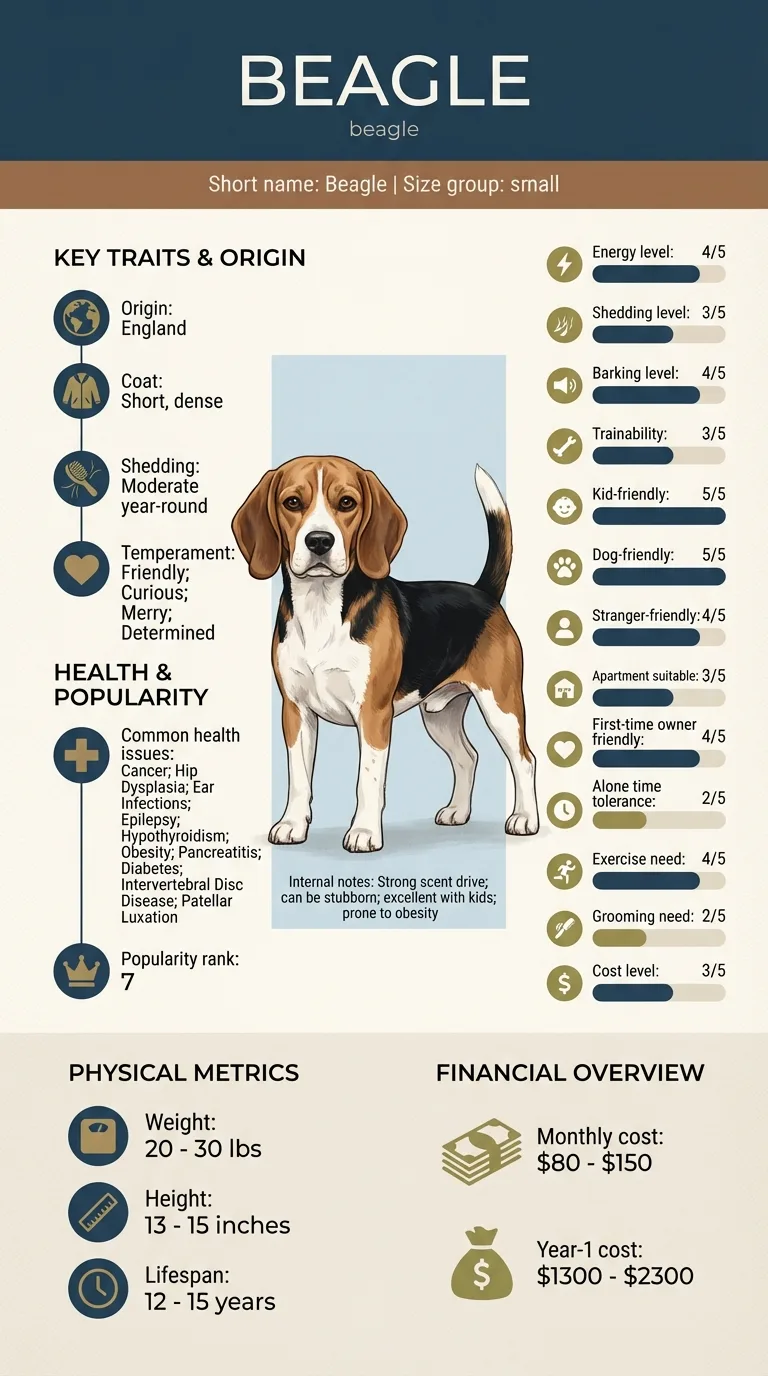
This guide is ideal for Beagle owners facing anxiety-related challenges, especially those with dogs prone to separation anxiety or those adjusting to new situations.
Beagle anxiety often shows up as restlessness, excessive barking, or clinginess. Daily life may involve your Beagle following you around or becoming overly excited or distressed during changes in routine. This anxious behavior can lead to destructive actions, especially if left alone for too long.
If your Beagle's anxiety persists despite your efforts, consider enrolling them in a training class focused on anxiety management.
If your Beagle shows signs of severe anxiety, such as excessive barking or destructive behavior, consult a vet or behaviorist for tailored advice.
There are a variety of tools and products available to help manage Beagle anxiety. These can enhance your at-home strategies and create a more soothing environment for your pup.
Adjusting your daily routine can significantly help manage Beagle anxiety. Start by establishing a consistent schedule for feeding, walks, and playtime. This predictability can make your Beagle feel secure and reduce anxiety triggers.
Incorporate regular exercise into your Beagle's day. Aim for at least an hour of activity, which can include walks, fetch, or agility training. This helps burn off excess energy and can lead to a calmer dog at home.
Additionally, gradually increasing their alone-time tolerance can be beneficial. Start by leaving them alone for short periods and slowly extend the time as they become more comfortable.
Consider small changes to your household routine as well. Create a cozy space where your Beagle can retreat when feeling anxious. Using calming products, like a snug blanket or an anxiety wrap, can also help them feel secure.
These lifestyle adjustments not only foster a sense of safety for your Beagle but also strengthen your bond with them, making everyday life more enjoyable.
Tracking progress with Beagle anxiety can be rewarding. Look for small 'micro-wins' like your Beagle settling down more quickly during stressful moments or showing interest in playtime when they previously hid. Celebrate these little victories—they're signs your training is paying off.
However, setbacks are common. If your Beagle suddenly becomes more anxious or regresses in their behavior, don't be discouraged. This could simply mean that the environment has changed or they need more time to adjust.
Each dog is unique, and their progress might not be linear.
To recognize when your plan is working, watch for consistent improvements in their behavior. For instance, if your Beagle can manage being alone for longer periods without panic, that’s a great sign! If you notice an increase in their comfort level during familiar situations, you’re likely on the right track.
If not, it may be time to escalate your efforts, perhaps by consulting a professional trainer or adjusting your training techniques.

Maria, a busy nurse in Chicago, adopted Max, a playful Beagle. Soon, she noticed he displayed signs of anxiety, especially when left alone. He would howl, chew on furniture, and even had a few accidents in the house. Maria tried to help him by leaving on the TV for background noise and giving him toys to keep him busy, but nothing seemed to work. Realizing she needed professional help, Maria took Max to a dog trainer who specialized in anxiety. Together, they developed a training plan focused on gradual desensitization. Maria learned to leave Max alone for short periods, gradually increasing the time as he got more comfortable. They also incorporated positive reinforcement techniques, rewarding Max for calm behavior. Over a few months, Max became more relaxed and confident when left alone. Now, Maria can leave him for work without worrying, and Max enjoys his time napping peacefully.
Key takeaway: Beagle anxiety can be managed with patience, gradual training, and professional help. Consistent routines and positive reinforcement make a significant difference.
Beagle anxiety can stem from various reasons, including separation from their owner, lack of exercise, or unfamiliar environments. These dogs are social creatures and thrive on companionship. Understanding your Beagle's triggers helps you support them better.
Signs of Beagle anxiety include excessive barking, destructive behavior, and restlessness. You might also notice your dog hiding or trying to escape. Observing these behaviors can help you address their needs quickly.
To stop Beagle anxiety, create a routine that includes regular exercise and mental stimulation. Training sessions and interactive toys can also help relieve their stress. Gradual desensitization to triggers is key for long-term improvement.
Yes, Beagle anxiety training is essential for helping your dog feel safe and secure. Training sessions can teach them coping mechanisms and reduce anxiety-related behaviors. Consistency and patience are vital during the process.
In some cases, medication may be necessary for severe Beagle anxiety. Consult your vet to discuss options that can complement training and behavioral strategies. Always follow professional guidance when considering medication.
The time it takes to manage Beagle anxiety varies by dog and situation. With consistent training and care, noticeable improvements can often be seen within a few weeks. However, complete resolution may take months.
Yes, Beagle anxiety can develop as they age, particularly if they experience changes in their environment. Older Beagles may become more sensitive to sounds or changes in routine, leading to increased anxiety. Keeping a consistent environment can help reduce anxiety in senior dogs.
To help your Beagle with travel anxiety, start by acclimating them to the car with short trips. Gradually increase the distance and ensure they have a comfortable space in the vehicle. Consider using calming products, such as anxiety wraps or pheromone sprays, to ease their nerves.
If your Beagle has separation anxiety, it's crucial to implement a gradual desensitization process. Start by leaving them alone for short periods and gradually increase the time. Training your Beagle to associate your departures with positive experiences can also help.
Yes, having multiple Beagles can lead to anxiety if they compete for attention or resources. Each dog may feel stressed if they don't receive enough individual care and attention. It's important to provide each Beagle with their own space and one-on-one time to reduce anxiety.
To help with Beagle anxiety, ensure daily exercise, provide a safe space, and use calming techniques like soothing music. Gradual exposure to stressors can also build their confidence.
Beagle anxiety training costs can range from $100 to $300 for group classes, while private sessions may be higher. It's worth investing in professional help for effective results.
Yes, you can train your Beagle at home using positive reinforcement techniques. Consistency and patience are key in helping your Beagle feel more secure.
Anxiety and pain look alike from the outside. Get the prep sheet for this breed's separation-anxiety page and take it to the vet.
You get: Vet visit prep sheet
No spam. One-click unsubscribe. See our privacy policy.
Preview page 1 before you decide.
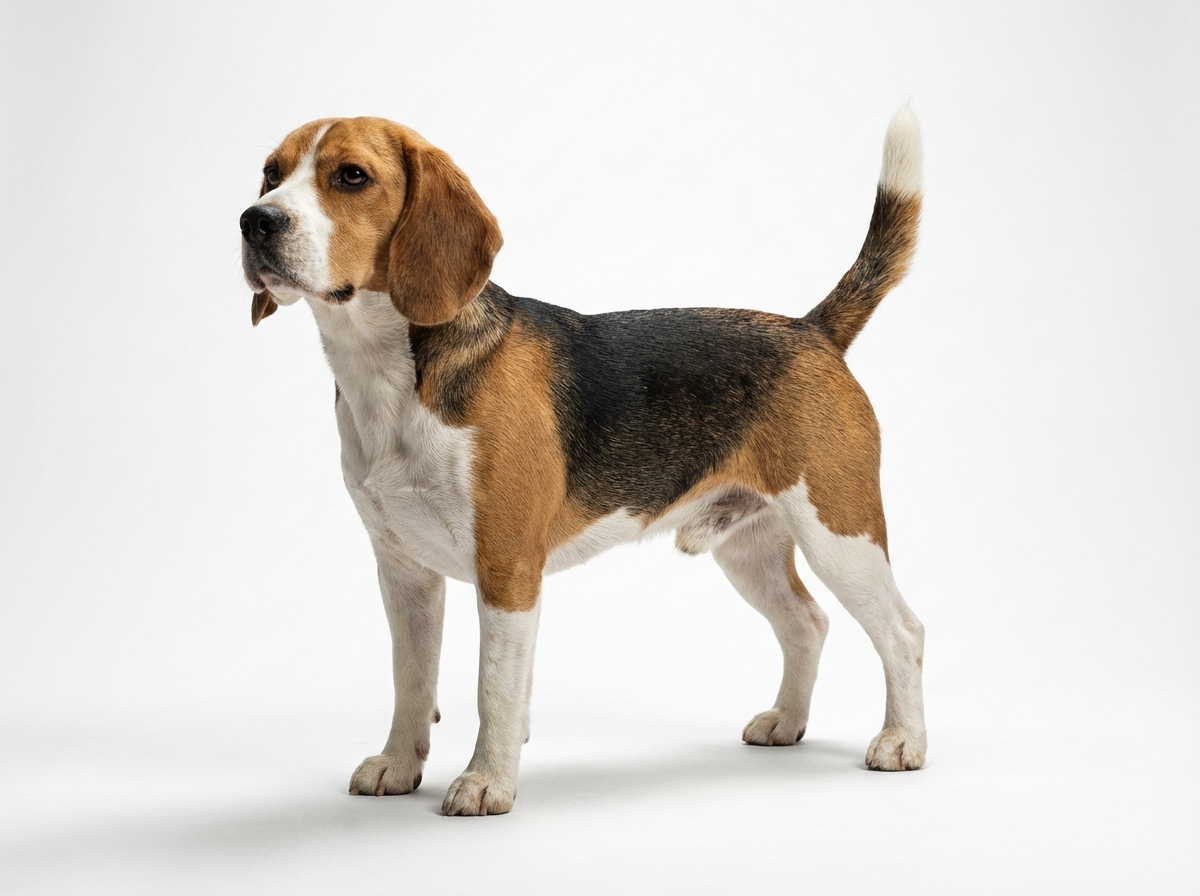
This guide is not medical advice. If your dog shows pain, sudden behavior change, or worsening symptoms, consult a licensed veterinarian.
Some links may be affiliate links. We may earn a commission at no extra cost to you. We only suggest products we believe are helpful for dog owners.
We research and check what we publish, but we do not warrant that any figure, date, price, or statement is accurate, complete, or current, and we accept no liability for any loss, cost, injury, or other harm arising from the use of this site. Use it as one reference among several. You remain responsible for your own decisions and for your dog's care - confirm anything that matters with a licensed veterinarian or another qualified professional before you act on it. Full disclaimer.
Not sure which breed is right for you? Take our 2-minute quiz to find out.
Take the quiz