Behavior
What are some quick tips for Beagle pancreatitis?
Avoid high-fat foods and monitor portion sizes closely. Regular vet check-ups are essential for managing their health.

Quick answer
What are some quick tips for Beagle pancreatitis?
Avoid high-fat foods and monitor portion sizes closely. Regular vet check-ups are essential for managing their health.
Beagle pancreatitis is a serious condition that can affect your dog's health and happiness.
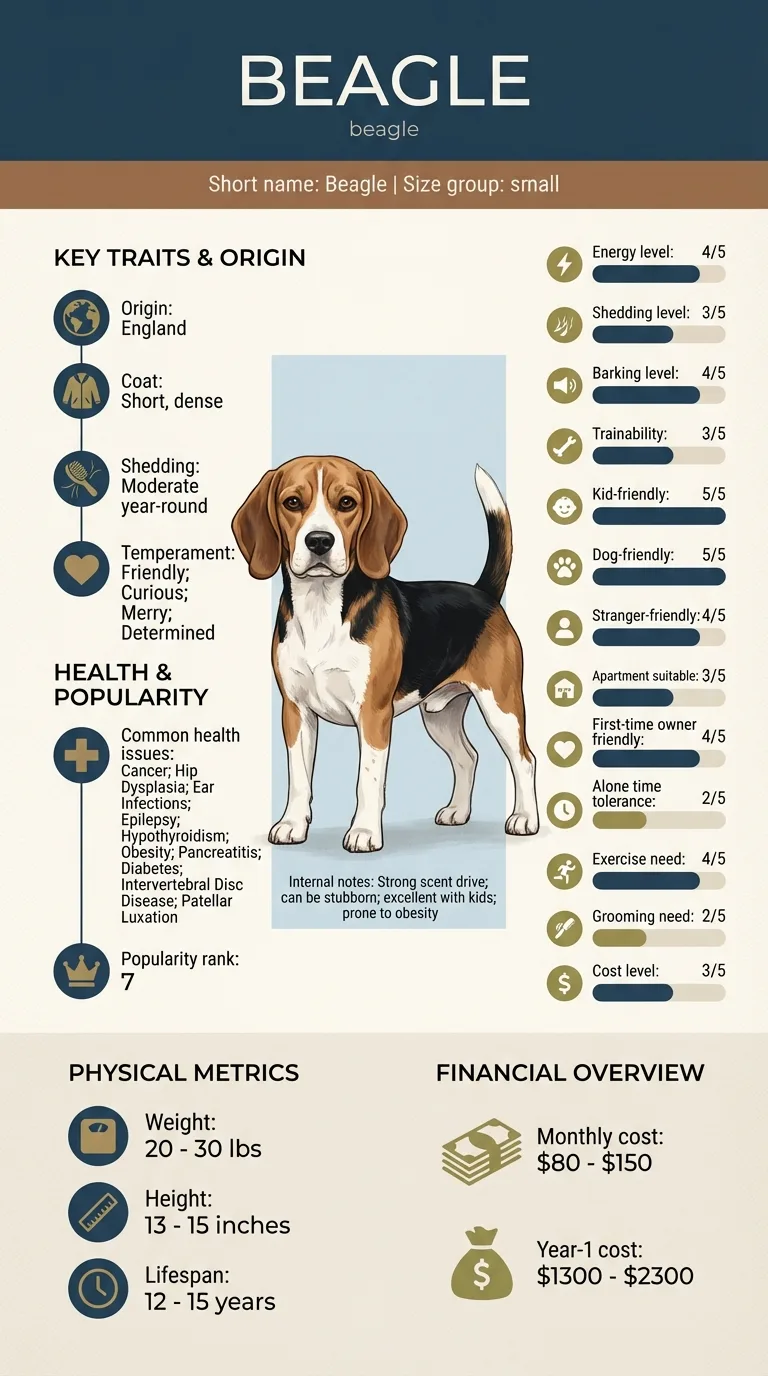
Owners of Beagles, especially those who may not be aware of their dog's dietary needs and health risks, often struggle with pancreatitis. Busy families or first-time dog owners may find it particularly challenging to recognize and respond to the symptoms.
This guide is not medical advice. If your dog shows pain, sudden behavior change, or worsening symptoms, consult a licensed veterinarian.
Some links may be affiliate links. We may earn a commission at no extra cost to you. We only suggest products we believe are helpful for dog owners.
We research and check what we publish, but we do not warrant that any figure, date, price, or statement is accurate, complete, or current, and we accept no liability for any loss, cost, injury, or other harm arising from the use of this site. Use it as one reference among several. You remain responsible for your own decisions and for your dog's care - confirm anything that matters with a licensed veterinarian or another qualified professional before you act on it. Full disclaimer.
Check this first
Recognizing when Beagle pancreatitis becomes critical can save your dog's life. If your Beagle exhibits severe symptoms, it’s essential to call your vet immediately. Red flags include persistent vomiting, severe abdominal pain, lethargy, or if your dog is unable to keep food or water down. These signs indicate a serious condition that requires urgent medical attention.
On the other hand, if your Beagle shows mild signs like occasional vomiting or diarrhea but is still playful and drinking water, you can monitor them at home. Keep a close eye on their eating habits and behavior. If symptoms persist for more than 24 hours or worsen, reach out to your veterinarian for advice. Always prioritize your dog's health and safety, and don’t hesitate to seek help when in doubt.
If any of these apply, call your vet or an emergency clinic now. The rest of this page is for the cases that are not an emergency.
Beagle pancreatitis is a common health issue that can cause abdominal pain, vomiting, and lethargy. This condition occurs when the pancreas becomes inflamed, often triggered by dietary indiscretion or obesity. Regularly seeing your Beagle experience discomfort after eating can be alarming for any owner.
Pancreatitis is relatively common in Beagles, especially those who are overweight or have a history of dietary issues. Many Beagle owners report dealing with this condition at least once during their dog's lifetime.
Beagles are prone to obesity, which can increase the risk of pancreatitis. Their curious nature often leads them to eat anything they find, including high-fat foods. Additionally, their strong scent drive can lead them to scavenging, further increasing their chances of dietary indiscretion.
Environmental factors such as diet, stress, and lack of exercise can contribute to pancreatitis. Feeding Beagles table scraps or high-fat treats can trigger this condition. Stressful situations, like changes in routine or separation anxiety, may also impact their digestive health.
If your Beagle displays symptoms like vomiting, diarrhea, lethargy, or loss of appetite, consult your vet immediately. Regular check-ups can also help monitor their weight and digestive health.
Avoiding these common mistakes can help manage Beagle pancreatitis effectively. Here are some behaviors that can unintentionally worsen the situation.
Start here: Beagle Most Common Genetic Disorders: What to Screen For
See all Beagle health problems, which breeds are prone to pancreatitis, or the full Beagle breed guide for temperament, exercise needs and ownership costs.
With consistent care and dietary adjustments, you can expect to see improvements in your Beagle's pancreatitis symptoms within 4 to 8 weeks.
Success means your Beagle has fewer flare-ups, maintains a healthy weight, and enjoys a better quality of life without pain or discomfort.
Sarah, a busy nurse from Seattle, noticed her Beagle Max was lethargic and had frequent stomach issues. After a vet visit confirmed pancreatitis, she learned that Max needed a low-fat diet and regular meals. Initially overwhelmed, Sarah created a meal plan and set reminders for feeding times. Within weeks, Max was more energetic and playful. Sarah felt relieved and grateful, realizing that a few adjustments could make a big difference in her dog's health.
Key takeaway: Managing Beagle pancreatitis requires commitment to dietary changes and routine, but the rewards in your dog's health and happiness are well worth the effort.
Beagles are prone to pancreatitis due to their tendency to overeat and their love for rich, fatty foods. Inflammation of the pancreas can occur if they consume inappropriate foods or too many treats. Regular monitoring of their diet and body weight is essential to prevent this condition.
To manage Beagle pancreatitis, focus on a balanced diet low in fat. Consult your vet for a specific dietary plan and avoid giving table scraps or high-fat treats. Regular exercise and weight management are also crucial for prevention.
Symptoms can include vomiting, diarrhea, abdominal pain, lethargy, and loss of appetite. If your Beagle shows any of these signs, it's important to contact your veterinarian immediately for diagnosis and treatment options.
Yes, Beagle pancreatitis is treatable with proper care. Treatment often involves a special diet, medication, and sometimes hospitalization for severe cases. Early diagnosis and intervention are key to a successful recovery.
Yes, pancreatitis can recur in Beagles, especially if they continue to eat high-fat foods or have underlying health issues. Maintaining a strict diet and regular vet check-ups can help manage this risk effectively.
Switch to a low-fat, high-fiber diet specifically designed for dogs with pancreatitis. Avoid giving them human food, especially those high in fat, and consult your vet for the best commercial dog food options.
Yes, Beagles can suffer from chronic pancreatitis, where symptoms can flare up periodically. Managing their diet and keeping an eye on their weight are critical to preventing future episodes. Regular vet check-ups are also recommended for long-term health.
While any Beagle can develop pancreatitis, those that are overweight or have a history of dietary indiscretion are at higher risk. Keeping your Beagle at a healthy weight and feeding them a balanced diet can help reduce this risk.
To help your Beagle recover from pancreatitis, follow your vet's dietary recommendations strictly. This often includes a low-fat diet and smaller, more frequent meals. Hydration is also vital, so ensure your Beagle has access to fresh water at all times.
If your Beagle experiences recurring pancreatitis, it's crucial to work closely with your vet to identify any underlying issues. They may suggest dietary changes or medications to manage the condition. Regular monitoring and adjustments in care can make a significant difference.
Avoid high-fat foods and monitor portion sizes closely. Regular vet check-ups are essential for managing their health.
Use positive reinforcement to teach them commands like 'leave it' when they approach tempting food. Consistency is key!
Contact your vet immediately if you notice symptoms like vomiting or lethargy. Early intervention is crucial.
Regular check-ups every 6 to 12 months are recommended, especially if your Beagle has a history of pancreatitis.
Yes, with proper diet and care, Beagles can live normal, happy lives even with a history of pancreatitis.
A one-page prep sheet for this condition: the signs, the questions to ask, what to get priced. Unlocks here.
You get: Vet visit prep sheet
No spam. One-click unsubscribe. See our privacy policy.
Preview page 1 before you decide.