Health
Is this the same as the Labrador genetic condition?
No, that specific genetic mutation isn't documented in Pugs; the mechanism here is airway and heat related.

Quick answer
Is this the same as the Labrador genetic condition?
No, that specific genetic mutation isn't documented in Pugs; the mechanism here is airway and heat related.
Collapse after exercise in this breed has a straightforward explanation, and it isn't a rare inherited nerve condition.
This is relevant for any owner whose Pug has collapsed, become extremely weak, or shown signs of severe distress during or shortly after exercise, particularly in warm weather, and wants to understand what's actually happening physiologically.
This guide is not medical advice. If your dog shows pain, sudden behavior change, or worsening symptoms, consult a licensed veterinarian.
Some links may be affiliate links. We may earn a commission at no extra cost to you. We only suggest products we believe are helpful for dog owners.
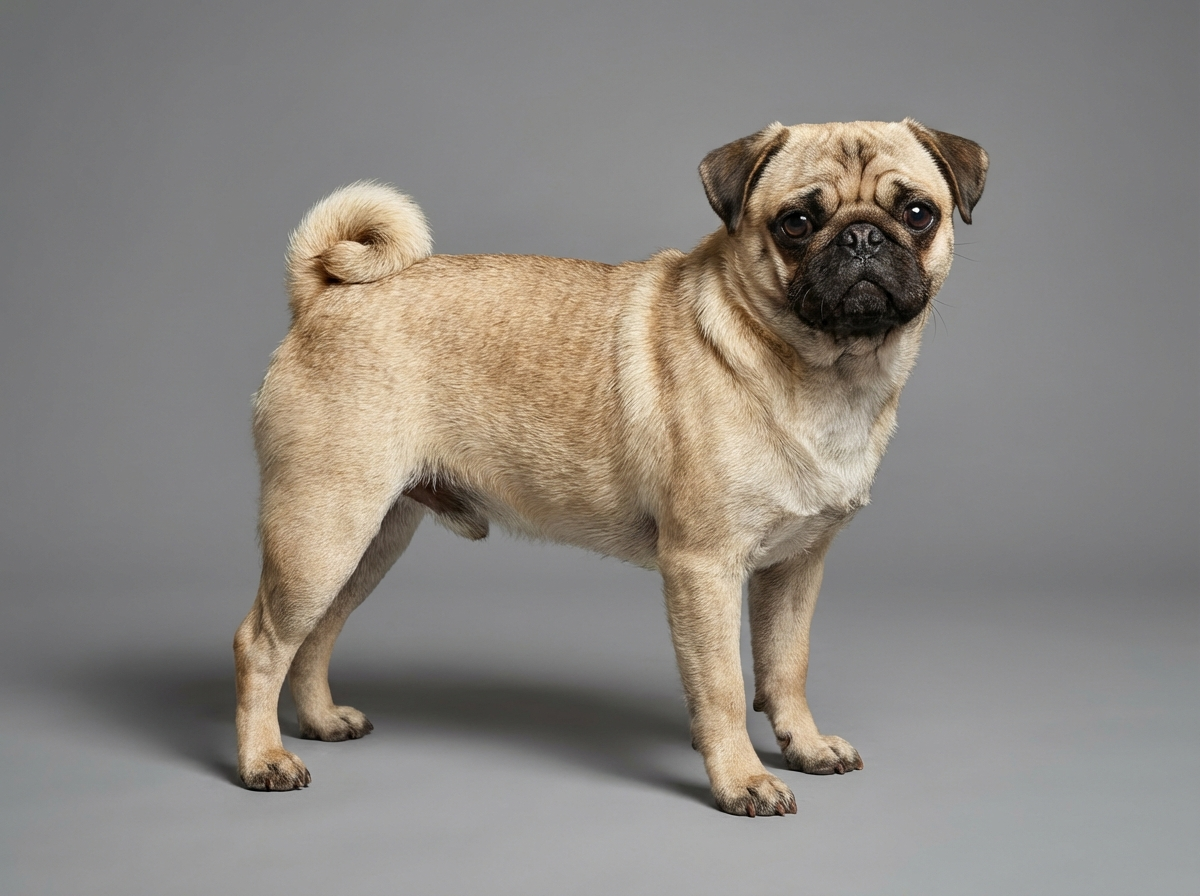
Collapse during or after exercise in Pugs is driven by this breed's limited airway capacity and reduced ability to dissipate heat through panting, overwhelmed by the demands of exertion, rather than the distinct genetic nerve-signaling condition documented in some sporting breeds. It's a heat-and-airway emergency mechanism, not an inherited neuromuscular one.
True collapse episodes are less common than everyday exercise intolerance, but they represent the acute, severe end of the same airway limitation nearly every Pug carries to some degree, making awareness important regardless of how mild a dog's day-to-day symptoms seem.
This breed's narrowed airway limits airflow and panting efficiency even at rest, and exercise sharply increases the demand for both oxygen and heat dissipation, creating a mismatch that can escalate to collapse when pushed too far.
Heat and humidity are the most significant environmental amplifiers of this risk, since they reduce the effectiveness of panting even further at exactly the moment exercise is already demanding more of it.
Treat any collapse or extreme weakness during or after exercise as an emergency requiring immediate veterinary attention. Even a milder episode that resolves on its own is worth discussing with your vet to reassess your dog's exercise plan and overall BOAS management going forward.
See all PUG health problems, which breeds are prone to exercise induced collapse eic, or the full PUG breed guide for temperament, exercise needs and ownership costs.
A mild episode typically resolves within minutes to an hour of cooling and rest, though it warrants a same-day vet evaluation regardless. A severe collapse requires emergency stabilization, with recovery ranging from hours to a couple of days depending on severity.
Success means recognizing early warning signs and stopping activity well before a collapse occurs, building a sustainable exercise routine within your dog's actual capacity rather than experiencing repeated episodes.
The genetic exercise-induced collapse documented in Labrador Retrievers and some related breeds involves a specific mutation affecting a protein involved in nerve signal transmission, causing temporary loss of muscle control during intense, sustained exercise like retrieving drills, unrelated to heat or breathing. This specific genetic mutation has not been identified in Pugs. What actually happens when a Pug collapses during exercise is a more straightforward physiological cascade: exertion increases the demand for oxygen and heat dissipation at exactly the moment this breed's airway is least able to meet that demand, leading to a crisis of overheating and oxygen deprivation rather than a nerve-signaling problem.
As exercise intensity increases, so does the need for airflow and heat dissipation through panting, both of which this breed's narrowed airway struggles to provide efficiently even at rest. Push past that limited capacity, especially in heat, and a dog can reach a point where breathing effort alone can't keep up with rising body temperature and oxygen demand, leading to weakness, collapse, and in severe cases, a full heat-related crisis. Prevention here is really an extension of general BOAS management: knowing your individual dog's exercise tolerance limit, stopping well before that limit is reached, and avoiding exertion entirely during heat or humidity rather than pushing through.

On an unusually warm afternoon hike, five-year-old Duke suddenly slowed to a stop, then collapsed and seemed unable to get back up. His owners carried him to shade, poured cool water over him, and rushed to an emergency vet, where he was treated for heat-related collapse and stabilized within a few hours. His vet explained the mechanism clearly: it wasn't a rare genetic condition but a straightforward mismatch between the hike's demands and Duke's airway capacity in the heat. Duke's owners shifted all future outdoor activity to early mornings and shorter distances, with no repeat episodes since.
Key takeaway: Collapse during exercise in this breed is a heat-and-airway crisis with a clear, preventable mechanism, not a mysterious genetic condition, making a matched exercise plan the most effective prevention available.
No, that specific genetic mutation, affecting nerve signal transmission during intense exercise, has not been identified in Pugs. Collapse during exercise in this breed is understood through a different, more straightforward mechanism involving airway obstruction and heat.
A combination of this breed's limited airflow capacity and reduced ability to dissipate heat through panting means exertion, especially in heat, can push a dog past its ability to keep up with oxygen and cooling demands, leading to weakness or collapse.
Yes, any collapse during or after exercise should be treated as an emergency requiring immediate veterinary attention, since it can indicate a dangerous heat-related crisis that needs prompt cooling and medical treatment.
Know your individual dog's exercise tolerance and stop well before reaching it, avoid exercise entirely during heat or humidity, and watch for early signs like excessive panting or slowing down rather than pushing through them.
Excessive panting that doesn't ease with rest, slowing down or refusing to continue, wobbliness, or seeking shade or water repeatedly are all signs to stop activity immediately, well before a full collapse occurs.
No, regular gentle exercise is still valuable; the key is matching intensity and timing, cooler parts of the day, moderate pace, to this breed's specific airway limits rather than avoiding exercise altogether.
No, that specific genetic mutation isn't documented in Pugs; the mechanism here is airway and heat related.
Airway obstruction limiting airflow and heat dissipation, overwhelmed by the demands of exertion.
Yes, any exercise-related collapse needs immediate veterinary attention.
Excessive panting, slowing down, wobbliness, or repeatedly seeking shade or water.
Yes, with appropriate intensity, timing, and close attention to individual tolerance limits.
A one-page prep sheet for this condition: the signs, the questions to ask, what to get priced. Unlocks here.
You get: Vet visit prep sheet
No spam. One-click unsubscribe. See our privacy policy.
Preview page 1 before you decide.