Bulldog (English) Exercise-Induced Collapse (EIC)
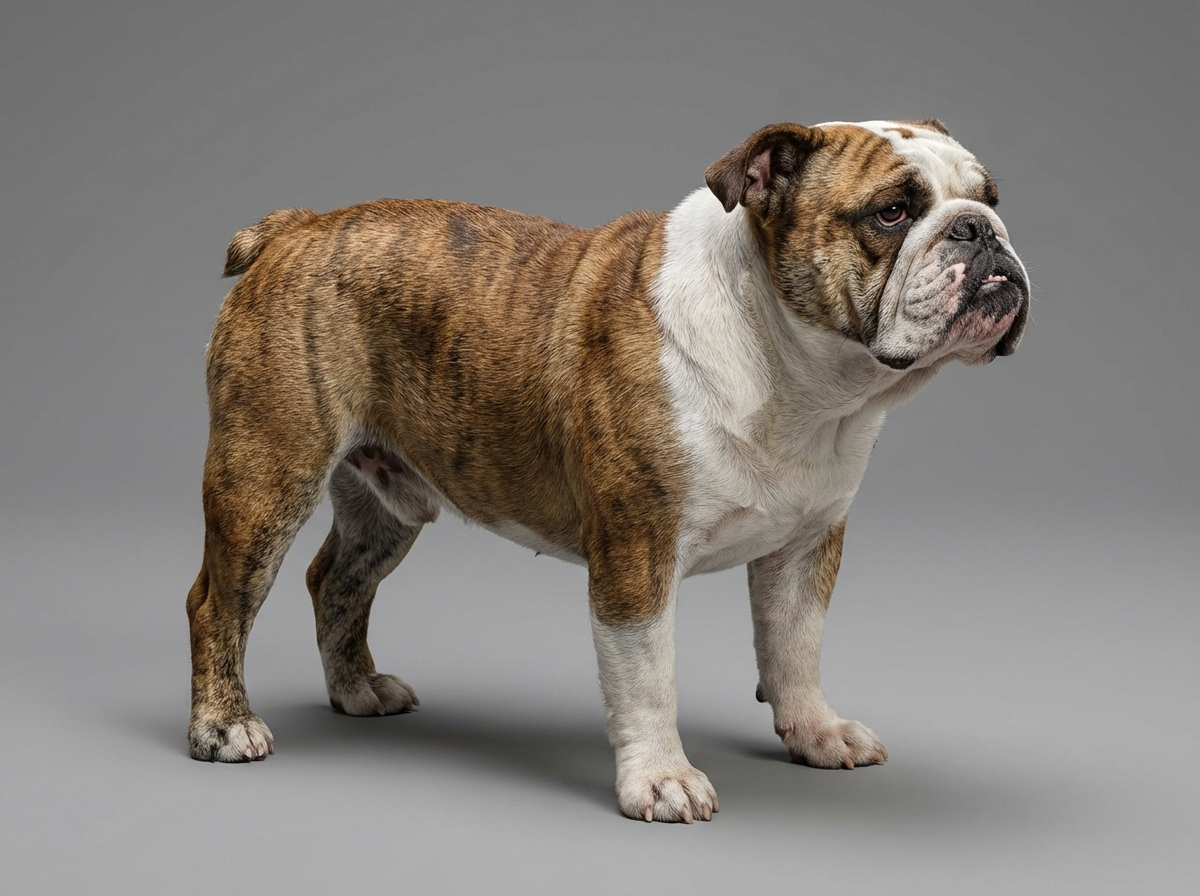
Bulldog (English) exercise-induced collapse (EIC) can be alarming, as it causes sudden collapse during or after exercise.
What you can try
- Limit exercise to short, gentle walks instead of intense play sessions. Aim for 10-15 minutes at a time, especially in cooler parts of the day.
- Monitor your Bulldog closely during exercise. Watch for signs of fatigue, like heavy panting or lethargy, and stop the activity immediately if you notice these signs.
- Incorporate rest breaks during walks or playtime. Allow your Bulldog to cool down and catch their breath frequently.
Mistakes that make Exercise-Induced Collapse (EIC) worse
Recognizing common mistakes can help you better manage your Bulldog's exercise-induced collapse (EIC). Here are some behaviors to avoid and safer alternatives.
- Overexerting your Bulldog during exercise. Pushing your dog too hard can trigger EIC. Instead, stick to shorter, controlled sessions with plenty of breaks.
- Ignoring early signs of fatigue. If your Bulldog starts to slow down or show signs of exhaustion, it's crucial to stop the activity immediately. Pay attention to these signals to help prevent collapse.
- Not providing enough hydration. Dehydration can worsen symptoms of EIC. Always ensure your Bulldog has access to fresh water before, during, and after exercise.
- Training in hot weather. Bulldogs are heat-sensitive, which can exacerbate EIC. Opt for cooler times of the day for exercise, like early morning or late evening.
- Neglecting to consult with a vet. Many owners delay seeking professional advice. Regular check-ups are essential to managing health issues related to EIC.
- Failing to create a structured exercise plan. Random, unstructured play can lead to overexertion. Develop a routine that incorporates short, low-intensity activities tailored to your dog's needs.
- Using harsh training methods. Stress and anxiety can trigger collapses. Focus on positive reinforcement techniques to build trust and confidence in your Bulldog.
When Bulldog (English) Exercise-Induced Collapse (EIC) Is an Emergency
Understanding when Bulldog (English) exercise-induced collapse (EIC) is an emergency is crucial for your dog's well-being. If your Bulldog suddenly collapses during or after exercise, this is a red flag. Other signs that require immediate veterinary attention include difficulty breathing, excessive drooling, or unresponsiveness.
If your dog shows any of these symptoms, call your vet immediately.
Monitoring Mild Cases of Bulldog (English) EIC
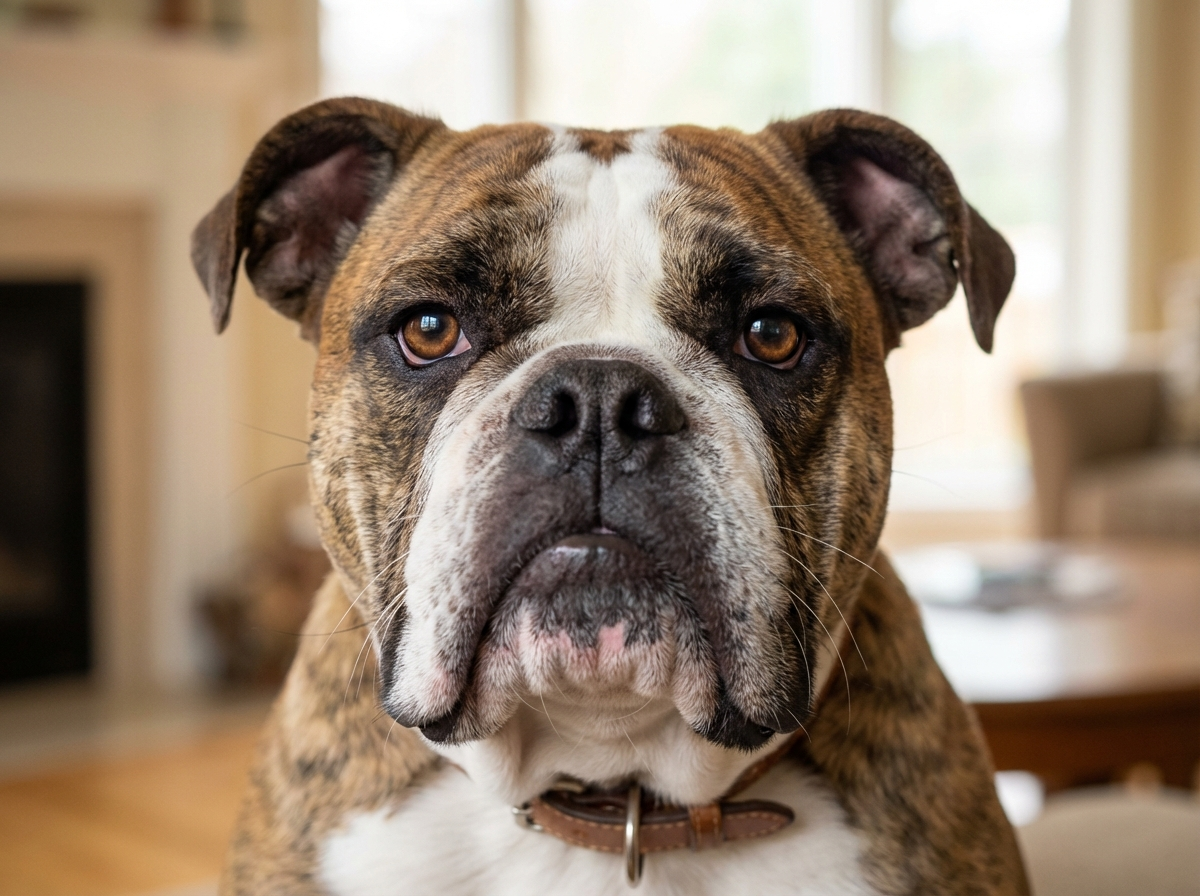
In less severe cases, your Bulldog may experience mild lethargy or brief episodes of weakness after exercise. While this can be concerning, it's often manageable. Keep a close eye on your dog, and consider adjusting their exercise routine.
Shorter, more frequent sessions with breaks can help prevent future episodes.
Frequently asked questions
Why does my Bulldog (English) have exercise-induced collapse (EIC)?
Bulldogs (English) can experience exercise-induced collapse (EIC) due to a genetic condition that affects muscle control. During intense activity, their muscles may not function properly, leading to sudden collapse. It's important to observe your dog closely and consult a vet if you notice these symptoms.
How can I stop Bulldog (English) exercise-induced collapse (EIC)?
To manage EIC in Bulldogs, limit their intense exercise and provide regular breaks during activity. Gradually build their stamina with short, controlled walks rather than long runs. Always monitor their behavior during exercise to catch any signs of distress early.
What are the signs of exercise-induced collapse (EIC) in Bulldogs?
Signs of exercise-induced collapse (EIC) in Bulldogs include sudden weakness or loss of coordination during or after exercise. You may also see them struggling to breathe or collapsing altogether. It's important to recognize these signs early to prevent serious complications.
Can exercise-induced collapse (EIC) be treated or managed?
While there's no cure for EIC, it can be managed through proper exercise routines and lifestyle adjustments. Avoid strenuous activities and focus on moderate exercise. Regular check-ups with your vet can help monitor your Bulldog's condition.
How can I help my Bulldog with exercise-induced collapse (EIC)?
To help your Bulldog manage exercise-induced collapse (EIC), provide short, frequent walks instead of long runs. Make sure to keep your Bulldog cool and avoid exercise during hot weather. Training should focus on gentle activities that don't overly exert them.
When should I see a vet for my Bulldog's EIC symptoms?
If your Bulldog shows symptoms of exercise-induced collapse (EIC), such as excessive panting, weakness, or a collapse that lasts longer than a few minutes, you should see a vet immediately. Prompt medical attention can help prevent further complications.
Can EIC develop in older Bulldogs?
Yes, exercise-induced collapse (EIC) can develop in older Bulldogs, especially if they weren't previously diagnosed. As they age, their bodies may become less tolerant of vigorous exercise, making it essential to monitor their activity levels closely.
What should I include in a training plan for Bulldogs with EIC?
A training plan for Bulldogs with exercise-induced collapse (EIC) should include low-impact activities like short walks and play sessions in cooler temperatures. Gradual conditioning is key, along with breaks to rest and hydrate during any exercise.
Related guides