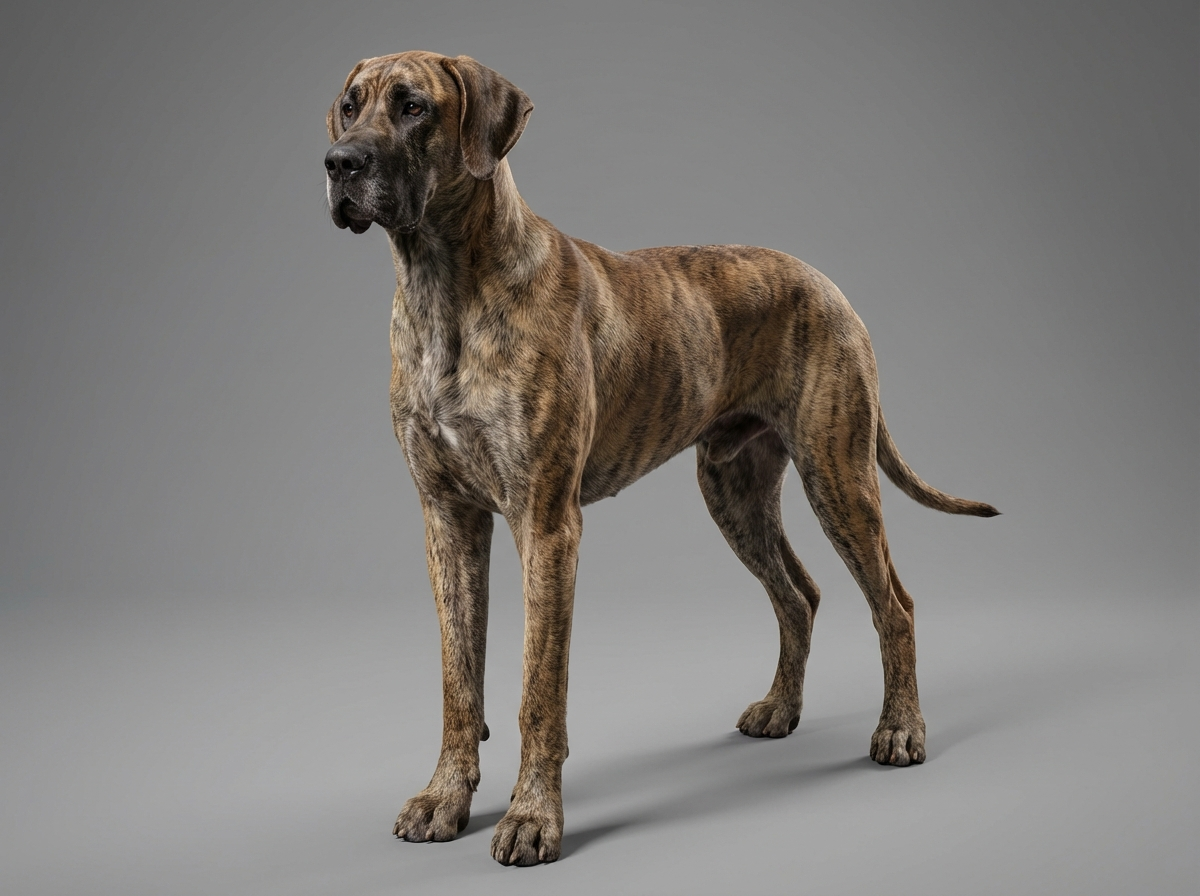
Behavior
What should I do if my Great Dane collapses during exercise?
If your Great Dane collapses, immediately remove them from the activity and provide a cool place to rest. Contact your veterinarian for further guidance.

Quick answer
What should I do if my Great Dane collapses during exercise?
If your Great Dane collapses, immediately remove them from the activity and provide a cool place to rest. Contact your veterinarian for further guidance.
Great Dane exercise-induced collapse (EIC) is a serious condition where your dog may suddenly collapse during or after exercise.
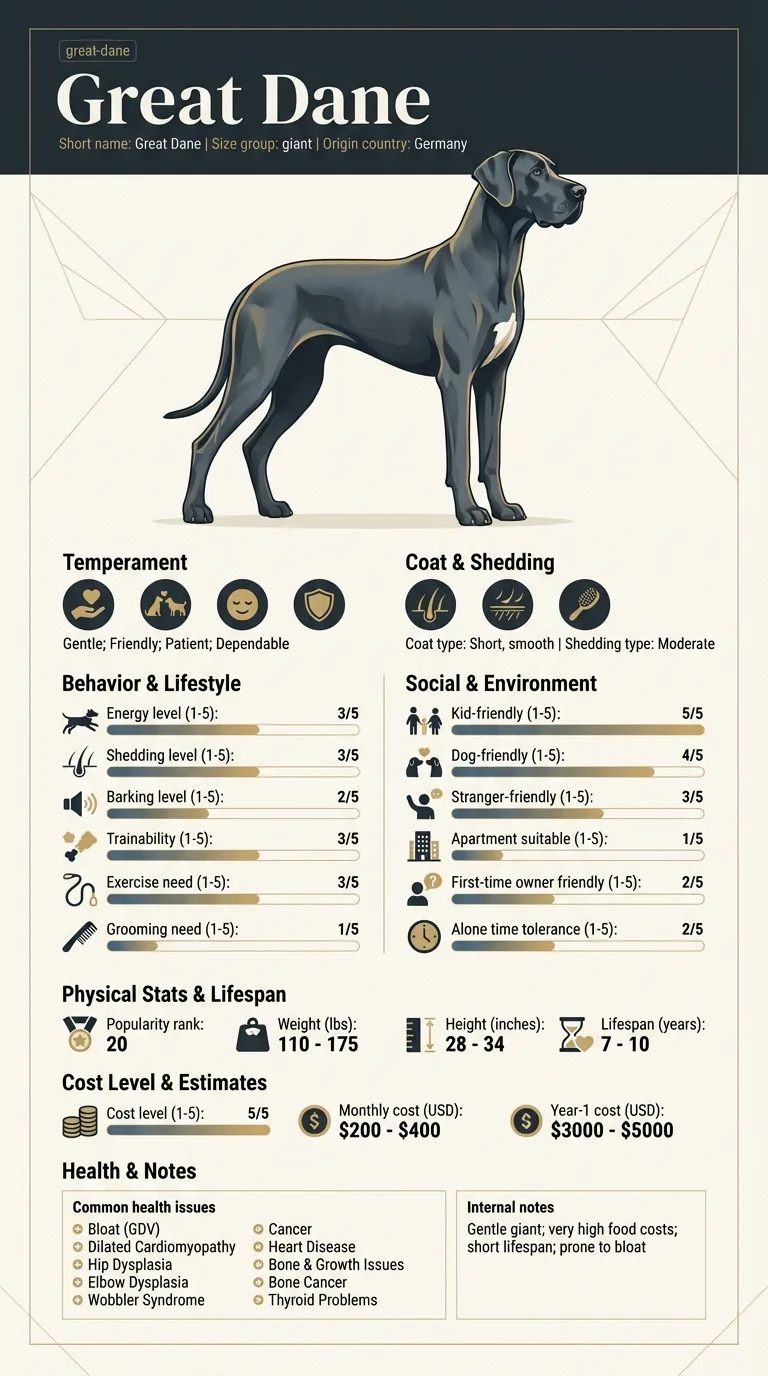
Typically, first-time Great Dane owners or those who aren't familiar with the breed's unique health needs may struggle with recognizing and managing this issue.
This guide is not medical advice. If your dog shows pain, sudden behavior change, or worsening symptoms, consult a licensed veterinarian.
Some links may be affiliate links. We may earn a commission at no extra cost to you. We only suggest products we believe are helpful for dog owners.
We research and check what we publish, but we do not warrant that any figure, date, price, or statement is accurate, complete, or current, and we accept no liability for any loss, cost, injury, or other harm arising from the use of this site. Use it as one reference among several. You remain responsible for your own decisions and for your dog's care - confirm anything that matters with a licensed veterinarian or another qualified professional before you act on it. Full disclaimer.
Check this first
Here are the red-flag signs that mean you should call your vet right away:
- Unresponsiveness: If your dog collapses and doesn't respond to your calls. - Difficulty breathing: Struggling to catch their breath after resting. - Continuous collapse: If your dog collapses multiple times in a short period. - Seizures or convulsions: Any seizure activity should be treated as an emergency.
In less severe cases, you can monitor your Great Dane at home. Signs to watch for include:
- Occasional light-headedness: Brief, mild collapses that resolve quickly. - Fatigue after exercise: Tiredness may be normal, but it should not last too long. - Recovery time: If they recover quickly with rest and water, you can keep an eye on them.
Always consult your vet if you're unsure. Monitoring your Great Dane closely can help you catch potential issues early, but trust your instincts. If something feels off, don’t hesitate to seek help.
If any of these apply, call your vet or an emergency clinic now. The rest of this page is for the cases that are not an emergency.
Great Dane exercise-induced collapse (EIC) is a serious condition where your dog suddenly collapses during or after physical activity. This can be alarming for owners, as it may appear that their beloved pet is in distress. EIC can happen after just a few minutes of exercise, especially if the dog is excited or overstimulated.
This condition is particularly common in Great Danes due to their size and energy levels. While not every Great Dane will experience EIC, it's estimated that a significant portion of them may be affected, especially those engaged in high-energy activities.
Great Danes are large, powerful dogs, and their physical build can make them prone to exercise-induced collapse (EIC). This condition is more common in certain breeds, including Great Danes, due to their unique muscle and nerve structure. During intense exercise, their bodies may struggle to supply enough oxygen to the muscles, leading to fatigue and collapse.
Environmental factors can also contribute to EIC. High temperatures, humidity, or over-exertion can trigger this condition. If your Great Dane is pushed too hard or not given adequate rest and hydration, they may be more likely to experience EIC.
If your Great Dane experiences frequent episodes of collapse or shows signs of distress during or after exercise, it's essential to consult a veterinarian. They can rule out underlying health issues and provide guidance on managing EIC effectively.
Avoiding these common mistakes can help manage Great Dane exercise-induced collapse (EIC) effectively.
Start here: Great Dane Most Common Genetic Disorders: What to Screen For
See all Great Dane health problems, which breeds are prone to exercise induced collapse eic, or the full Great Dane breed guide for temperament, exercise needs and ownership costs.
You can expect to see improvements in your Great Dane's exercise-induced collapse (EIC) symptoms within 4 to 6 weeks of consistent care and management.
Success means your Great Dane can enjoy regular exercise without collapsing, showing increased stamina and a more stable energy level during and after physical activities.
When Sarah adopted Bella, her Great Dane, she quickly noticed that Bella would suddenly collapse after just a few minutes of play. Concerned, Sarah researched and discovered that Bella had exercise-induced collapse (EIC). After consulting with a veterinarian, she began a training program focused on managing Bella's exercise. Sarah learned to regulate Bella's activity levels and gradually increase her stamina. With patience and consistency, Bella was soon able to enjoy longer walks and play sessions without collapsing, bringing joy to both of them.
Key takeaway: Understanding your dog's limits and adjusting their exercise routine can significantly improve their quality of life.
Great Dane exercise-induced collapse (eic) is a condition where your Great Dane suddenly collapses during or after exercise. It typically occurs due to intense physical activity, especially in younger dogs. Understanding this condition can help you manage exercise routines safely.
To manage Great Dane exercise-induced collapse (eic), start by limiting intense activities, especially in hot weather. Gradually increase their exercise level, and always watch for any signs of distress during play. Regular breaks and hydration are essential.
Symptoms of eic include sudden weakness, inability to stand, and unresponsiveness during or after exercise. If your Great Dane collapses, it's important to take them to a vet for a thorough evaluation and to discuss a safe exercise plan.
While there’s no specific training for eic, focusing on controlled and gradual exercise can help. Incorporating positive reinforcement and rewarding calm behavior can also aid in managing their overall energy levels.
Early signs of Great Dane exercise-induced collapse (EIC) include weakness, a staggering gait, or sudden collapse during physical activity. If you notice your dog struggling to stand or seeming disoriented after exercise, it's crucial to take action. Monitoring your dog's behavior can help you identify these signs early.
To manage your Great Dane's exercise-induced collapse (EIC) at home, focus on controlled, low-intensity exercise sessions. Gradually increase their activity level while ensuring they have plenty of rest periods. Keeping your dog cool and hydrated is also essential, as overheating can exacerbate symptoms.
Great Dane exercise-induced collapse (EIC) can affect dogs of any age, but older dogs may show symptoms more readily due to decreased stamina. If your senior Great Dane starts exhibiting unusual behavior during exercise, it’s wise to consult a veterinarian for guidance tailored to their age and health.
You should seek veterinary help for your Great Dane's EIC symptoms if they experience repeated collapses or if their recovery time after exercise seems prolonged. Any concerning signs, like difficulty breathing or extreme lethargy, warrant immediate attention. Your vet can help determine the best course of action.
Yes, training can help reduce the risk of Great Dane exercise-induced collapse (EIC). Teaching your dog to recognize their limits and responding to cues can prevent overexertion. Incorporating short training sessions that focus on calm behavior can also support their overall well-being.
If your Great Dane collapses, immediately remove them from the activity and provide a cool place to rest. Contact your veterinarian for further guidance.
Yes, but exercise must be moderated. Short, controlled sessions with plenty of breaks are key to keeping your Great Dane active while minimizing risk.
Maintaining a balanced diet rich in nutrients can support your Great Dane's overall health. Consult your vet for specific dietary recommendations based on their exercise needs.
Limit exercise intensity, watch the weather, and keep sessions short. Always provide water breaks and monitor your dog closely during activities.
A one-page prep sheet for this condition: the signs, the questions to ask, what to get priced. Unlocks here.
You get: Vet visit prep sheet
No spam. One-click unsubscribe. See our privacy policy.
Preview page 1 before you decide.