DogBreedCompass
← Back to breed profile

English Springer Spaniel Ventricular Arrhythmias: What You Need to Know

English Springer Spaniel ventricular arrhythmias can be concerning for dog owners. This heart condition causes irregular heartbeats, which may lead to serious health issues if not addressed.

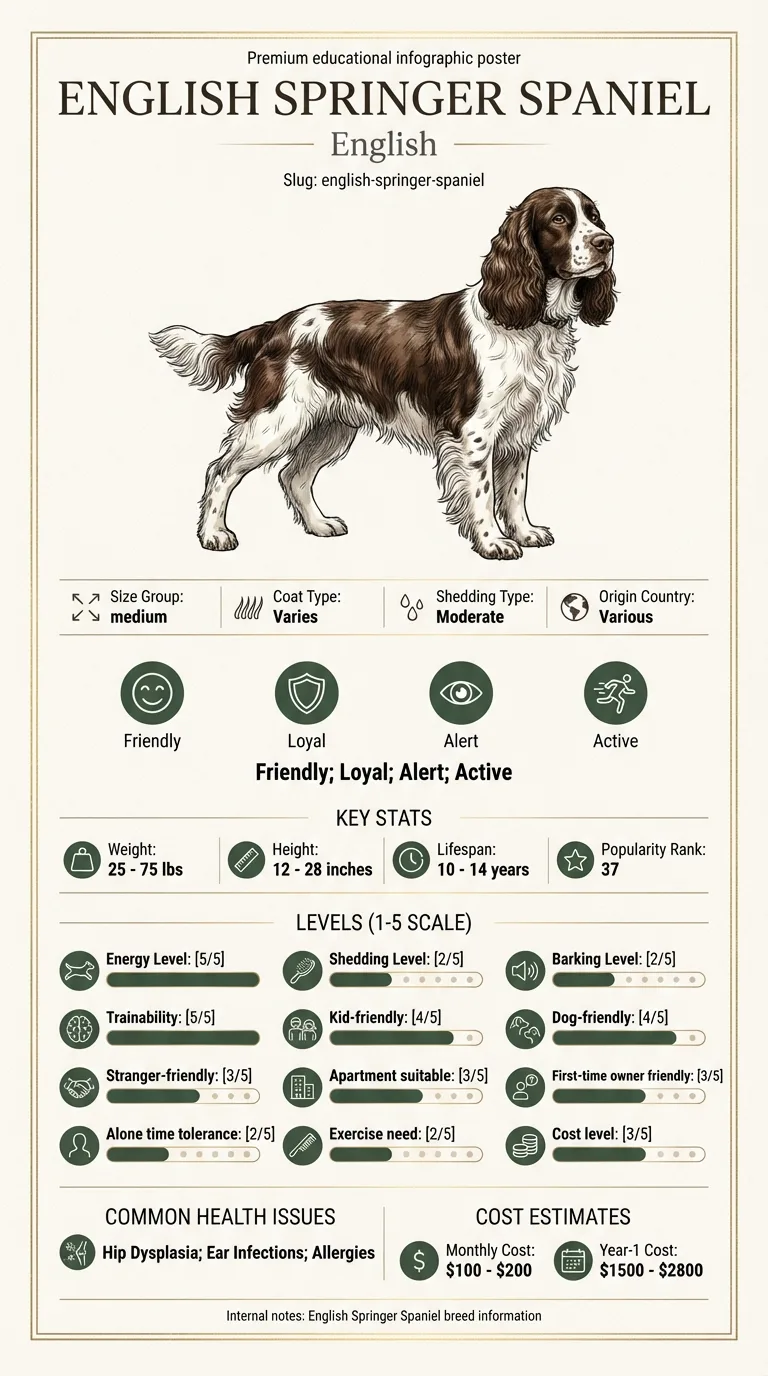
English Springer Spaniel Ventricular Arrhythmias: What You Need to Know infographic

Typically, owners who have active English Springer Spaniels may struggle with this issue, especially if they notice changes in energy levels or unusual behaviors. New owners or those unfamiliar with canine health may feel particularly overwhelmed.

Important reminder

This guide is not medical advice. If your dog shows pain, sudden behavior change, or worsening symptoms, consult a licensed veterinarian.

Some links may be affiliate links. We may earn a commission at no extra cost to you. We only suggest products we believe are helpful for dog owners.

What this problem looks like

English Springer Spaniel ventricular arrhythmias can lead to irregular heartbeats, causing concern for owners. This condition might manifest as a dog showing signs of fatigue during play or having difficulty breathing. It can create a worrying day-to-day experience, especially for families who notice these symptoms in their pets.

Common triggers

  • Genetic predisposition
  • Stressful situations
  • High-energy activities

Ventricular arrhythmias are relatively common in English Springer Spaniels, particularly as they age. While not every dog in this breed will experience this condition, awareness is crucial for early detection and management.

Why this happens

Breed factors

Ventricular arrhythmias in English Springer Spaniels can be influenced by their genetic predisposition. Certain breeds, including the English Springer Spaniel, may inherit heart issues, making them more susceptible to irregular heartbeats. Additionally, the breed's active nature can lead to stress on the heart if not managed properly.

Environment factors

Environmental factors can also contribute to ventricular arrhythmias. Stressful situations, such as loud noises or changes in routine, can trigger irregular heartbeats. Furthermore, an unhealthy diet or lack of exercise may exacerbate heart issues in these dogs.

What you can try

At-home strategies

  • 1. Monitor your dog's activity levels. Ensure they get regular, moderate exercise to keep their heart healthy, but avoid overly strenuous activities.
  • 2. Maintain a balanced diet tailored for heart health, focusing on high-quality dog food rich in omega-3 fatty acids.
  • 3. Create a calm environment. Reduce loud noises and sudden changes to help minimize stress for your English Springer Spaniel.
  • 4. Keep a log of any irregular heartbeats or unusual behaviors you notice. This information can be helpful for your vet.

When to consider a trainer

If your English Springer Spaniel's behavior changes dramatically or they show signs of anxiety or stress, consider hiring a trainer. A trainer can help implement strategies to reduce anxiety and improve overall behavior, which may help with heart issues.

When to talk to your vet

Talk to your vet if you notice persistent irregular heartbeats or if your dog exhibits signs like lethargy, coughing, or difficulty breathing. Your vet can perform a thorough examination and suggest treatment options if needed.

Realistic expectations

Addressing English Springer Spaniel ventricular arrhythmias typically takes several weeks to months. Initial improvements may be seen in the first few weeks with proper care and training, but ongoing management is essential.

Success looks like your dog showing fewer symptoms of irregular heartbeats and an improved quality of life. Regular vet check-ups and adjustments in care will also contribute to long-term well-being.

Mistakes that make this worse

Avoiding these common mistakes can help manage English Springer Spaniel ventricular arrhythmias effectively.

  • Ignoring symptoms: If you notice irregular heartbeats, do not wait. Consult your vet immediately instead of hoping the problem resolves itself.
  • Overexerting your dog: High-energy activities can exacerbate the condition. Instead, provide gentle exercises like short walks to keep your dog active without overstressing their heart.
  • Neglecting regular vet check-ups: Skipping routine visits can lead to missed signs of worsening arrhythmias. Commit to regular veterinary exams to monitor your dog's heart health.
  • Self-medicating: Giving your dog over-the-counter medications without vet approval can be harmful. Always consult your vet for appropriate treatment options tailored to your dog's needs.
  • Ignoring diet: Poor nutrition can contribute to health issues, including heart problems. Focus on a balanced diet with heart-healthy ingredients to support your dog's wellbeing.
  • Stressing your dog: High-stress situations can lead to increased heart irregularities. Create a calm environment and use training techniques to reduce anxiety.
  • Not following treatment plans: If your vet prescribes medication or specific care routines, sticking to them is crucial. Regularly review the treatment plan with your vet for optimal results.

When English Springer Spaniel Ventricular Arrhythmias are an Emergency

Recognizing when your English Springer Spaniel's ventricular arrhythmias are an emergency is crucial. If your dog shows any severe symptoms, such as fainting, lethargy, or difficulty breathing, these are red flags that require immediate veterinary attention. Other concerning signs include persistent coughing, collapse, or a racing heart rate that doesn’t stabilize. Don’t wait; call your vet right away to discuss these alarming symptoms.

In contrast, mild cases of ventricular arrhythmias might not require immediate action. If your dog experiences occasional irregular heartbeats without showing distress, you can monitor the situation. Keep track of any changes in behavior or health and establish a plan with your vet for regular check-ups. Look for signs like decreased energy or unusual behavior that may indicate worsening health.

Always trust your instincts as a dog owner. If something seems off, it’s better to err on the side of caution. Your vet can help you determine the best course of action, whether that means immediate treatment or a watch-and-wait approach.

English Springer Spaniel Ventricular Arrhythmias: What You Need to Know - When English Springer Spaniel Ventricular Arrhythmias are an Emergency

Finding Calm for Bella

Sarah, a busy nurse in Seattle, noticed her English Springer Spaniel, Bella, frequently had episodes of irregular heartbeats. At first, Sarah was overwhelmed and worried. After consulting with her vet, she learned that stress and anxiety could trigger these episodes. With a combination of training techniques and a consistent routine, including calming exercises, Sarah saw a significant reduction in Bella's symptoms over a few months. Bella began to relax more during stressful situations, allowing her to enjoy life more fully.

Key takeaway: Understanding the root causes of English Springer Spaniel ventricular arrhythmias and addressing them through training and care can lead to a happier, healthier dog.

Frequently asked questions

Why does my English Springer Spaniel have ventricular arrhythmias?

Ventricular arrhythmias in English Springer Spaniels can be caused by various factors, including genetic predisposition, heart disease, or underlying health issues. It's essential to consult a veterinarian for a thorough examination to identify the root cause and determine the best course of action.

How can I stop English Springer Spaniel ventricular arrhythmias?

Stopping ventricular arrhythmias requires a combination of veterinary intervention and lifestyle adjustments. Your vet may recommend medications, dietary changes, or increased exercise to help manage your dog's heart health.

What are the signs of ventricular arrhythmias in my English Springer Spaniel?

Signs of ventricular arrhythmias can include lethargy, coughing, fainting, or difficulty breathing. If you notice any of these symptoms, it's crucial to seek veterinary help immediately.

Are there any training methods to help my English Springer Spaniel with ventricular arrhythmias?

While training won't directly fix ventricular arrhythmias, positive reinforcement can help reduce stress and anxiety in your dog. Keeping your dog calm and relaxed can support overall health, but always follow your vet's recommendations.

What treatments are available for ventricular arrhythmias in English Springer Spaniels?

Treatment options for ventricular arrhythmias may include medications, lifestyle changes, or, in severe cases, surgery. Your veterinarian will work with you to create a tailored plan based on your dog's specific needs.

Is there a risk of ventricular arrhythmias in other breeds?

Yes, while English Springer Spaniels can be prone to ventricular arrhythmias, other breeds may also experience similar heart issues. It's vital for all dog owners to be aware of their breed's health risks and to schedule regular check-ups with a vet.

What are the signs of ventricular arrhythmias in my English Springer Spaniel?

Signs of ventricular arrhythmias can include lethargy, weakness, or fainting spells. You might also notice your dog has difficulty exercising or seems unusually tired after normal activity. If you observe any of these symptoms, it's important to consult your veterinarian.

Can diet affect ventricular arrhythmias in English Springer Spaniels?

Yes, diet can play a role in heart health. A balanced diet rich in omega-3 fatty acids and low in sodium may help support heart function. Always discuss dietary changes with your vet to ensure they meet your dog's specific needs.

Is there a specific age when English Springer Spaniels are more prone to ventricular arrhythmias?

While ventricular arrhythmias can occur at any age, older English Springer Spaniels are often more susceptible. Regular check-ups become increasingly important as your dog ages to monitor heart health and catch any issues early.

How can I help my English Springer Spaniel manage ventricular arrhythmias at home?

You can help by ensuring a calm environment and reducing stress around your dog. Regular, gentle exercise and a consistent routine can also be beneficial. Always follow your vet's recommendations for managing this condition at home.

What should I do if my English Springer Spaniel has a sudden episode of ventricular arrhythmias?

If your dog experiences a sudden episode, such as fainting or severe lethargy, seek emergency veterinary care immediately. It's crucial to address any acute symptoms promptly to ensure your dog's safety and health.

Quick answers

View more answers
Health

How can I manage my English Springer Spaniel's ventricular arrhythmias?

Managing your English Springer Spaniel's ventricular arrhythmias involves regular veterinary check-ups, monitoring symptoms, and possibly medication. Keep a close eye on your dog's activity level and behavior.

Behavior

What are quick tips for English Springer Spaniel ventricular arrhythmias?

Ensure your dog has a balanced diet, regular exercise, and follow your vet's guidance on medications. Reducing stress can also help manage symptoms.

Costs

What should I know about the costs of treating ventricular arrhythmias?

Treatment costs can vary widely, but expect to spend anywhere from a few hundred to several thousand dollars depending on the necessary interventions. Regular check-ups are essential for monitoring health.

Related DogBreedCompass guides

Related guides