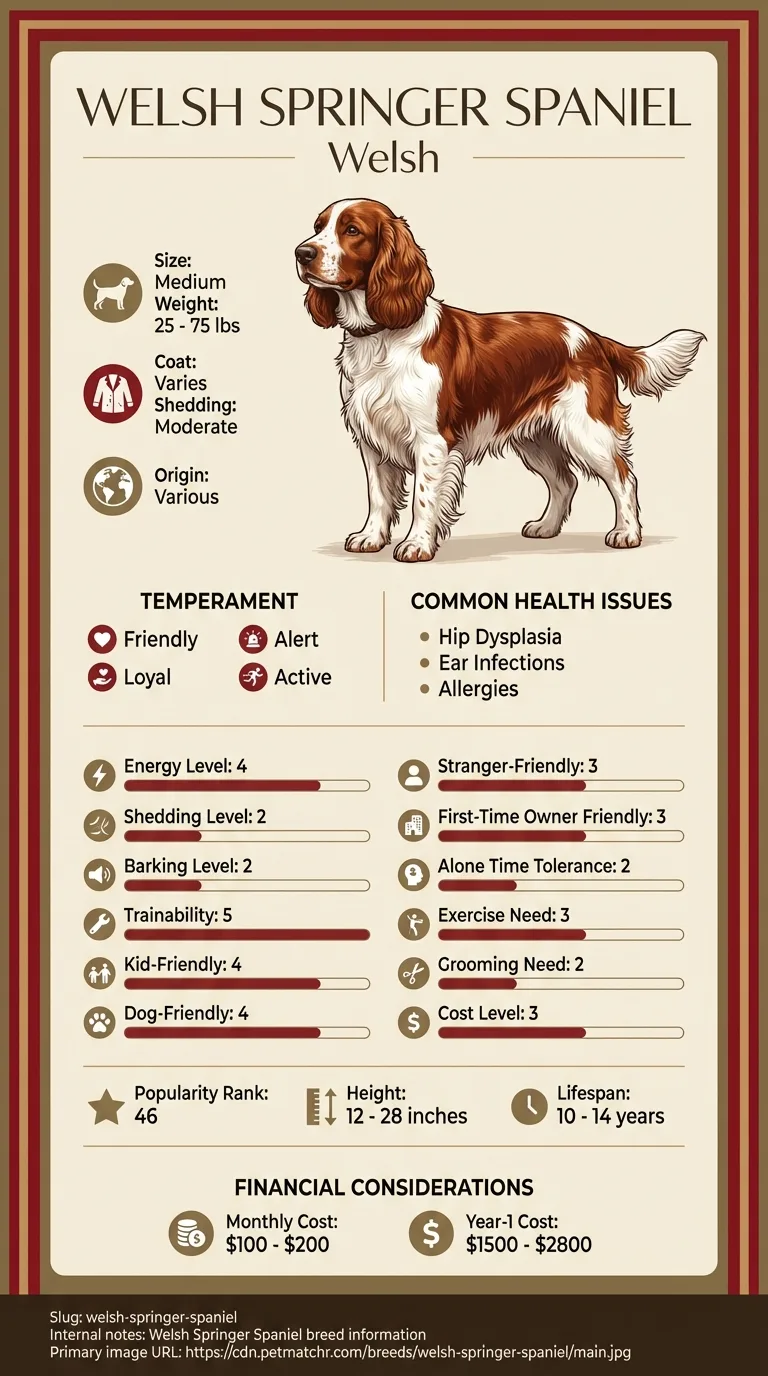
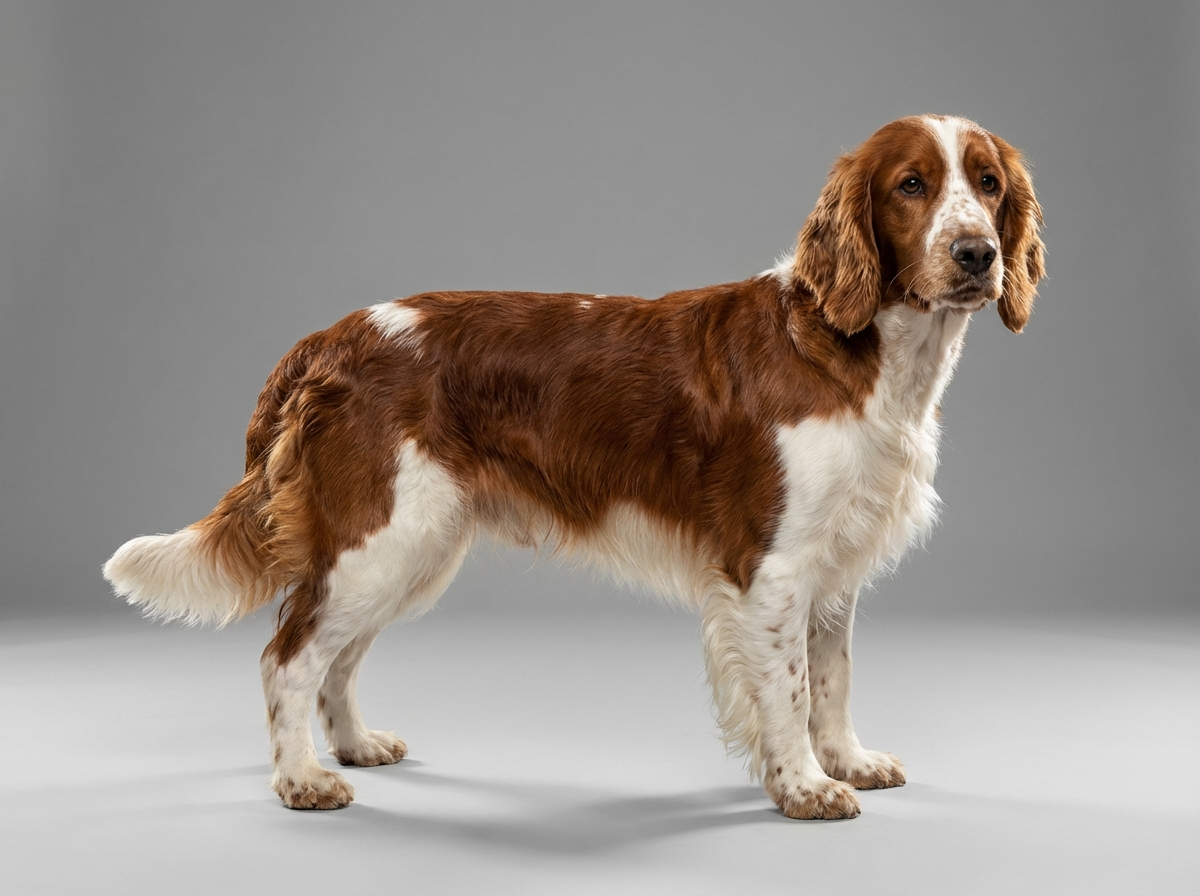
The coat is not the problem. A medium, straight, water-resistant coat handles Pacific Northwest drizzle exactly as designed — the water runs off, the skin stays dry, and the dog is entirely comfortable. That is the whole point of the breed.
The ear leather is a different structure. It is long and heavy, it hangs closed over the canal, and it carries feathering that holds moisture rather than shedding it. In a city where it rains on most days for seven months, that flap gets damp in the morning and has not fully dried before it gets damp again the following morning. No single walk causes anything. The cumulative effect is a canal that spends a season in a mildly humid environment, which is the environment in which yeast and bacteria do well.
This is why the Seattle ear problem creeps rather than arrives. There is no swimming incident to point at and no obvious trigger — just a dog that starts shaking its head in February when nothing in particular has happened.
The defence is a habit rather than a purchase. Dry inside the ear leather after wet walks, not just the back and the head. Once a week, lift the ear, look at the canal opening and smell it — a healthy ear smells of essentially nothing, and a change in odour is the earliest and cheapest signal available. If the coat is wet through, the feathering on the legs and chest wants attention too, because that is where mats form and mats hold water against skin.
It is worth having a veterinarian recommend a cleaner rather than choosing one off a shelf, since the wrong product used routinely on a healthy ear does more harm than good.