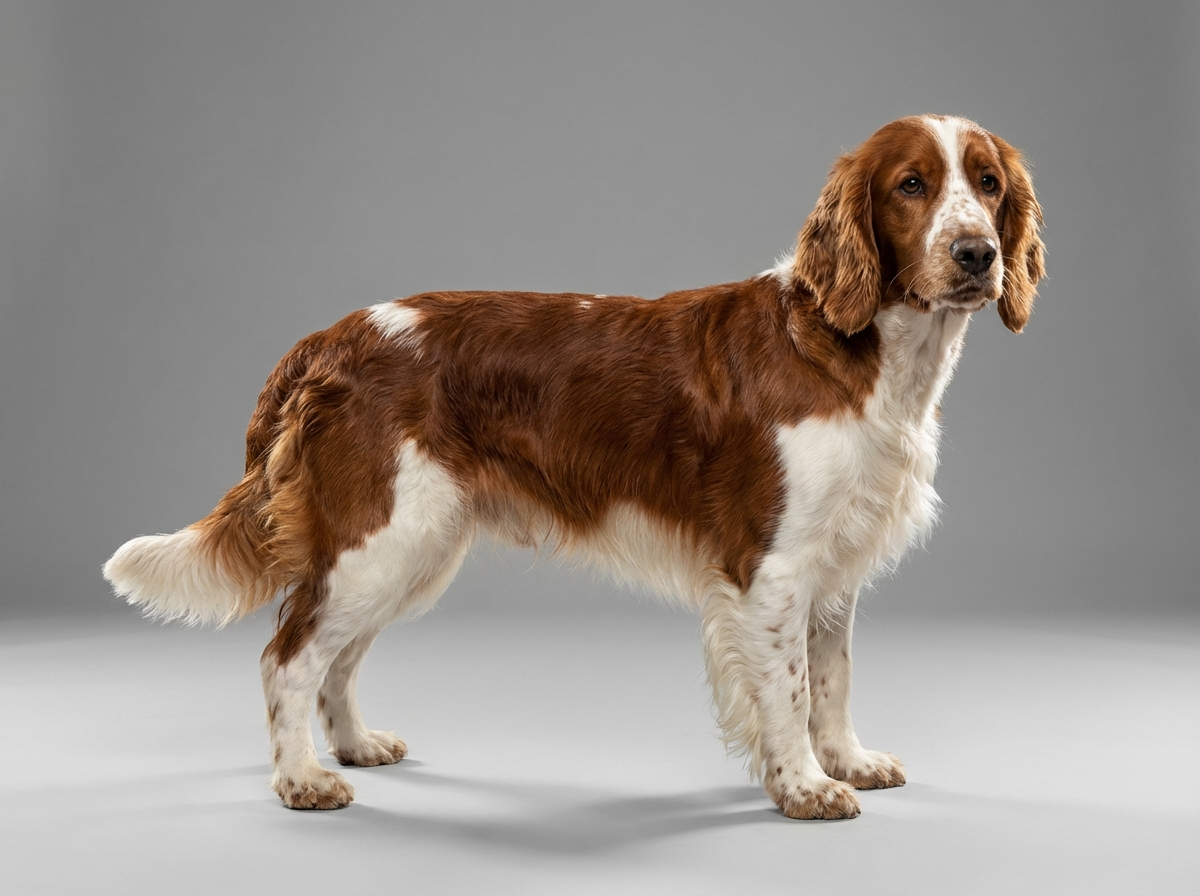
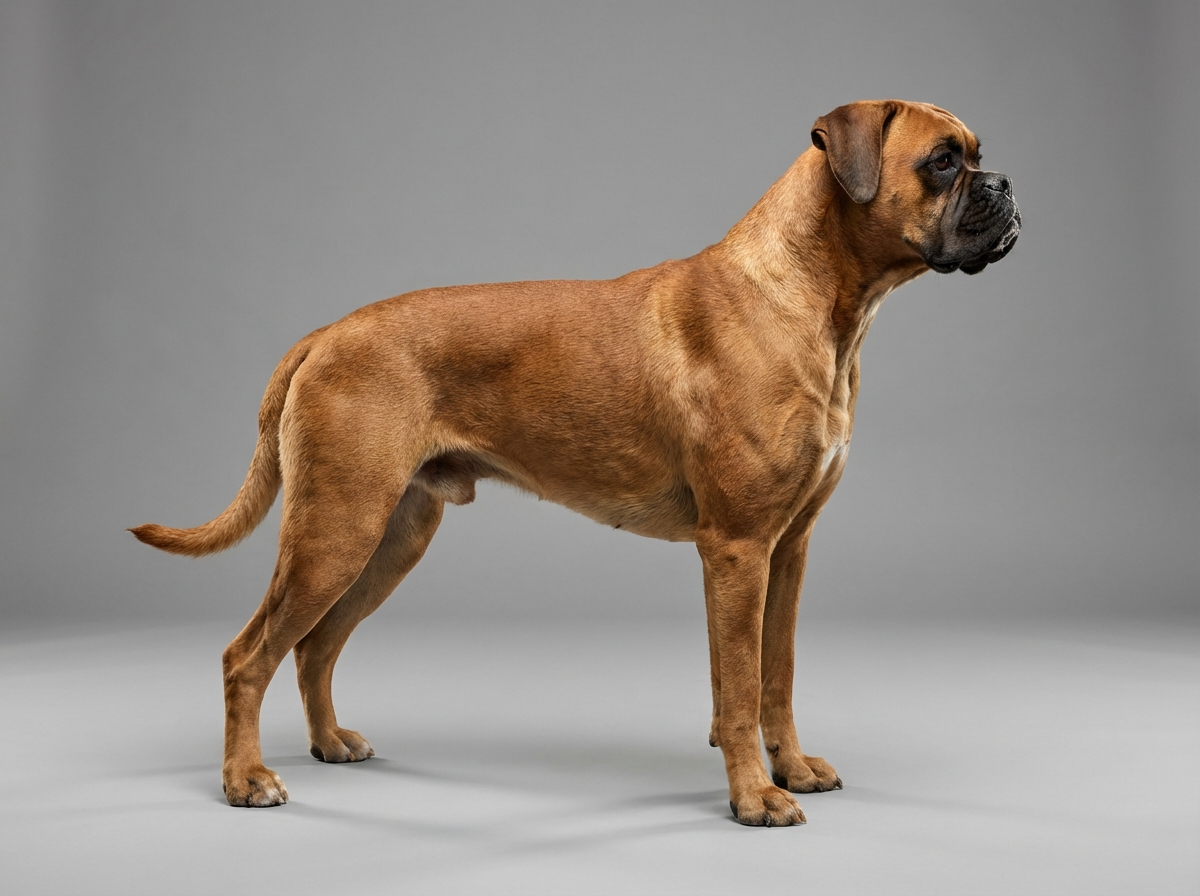
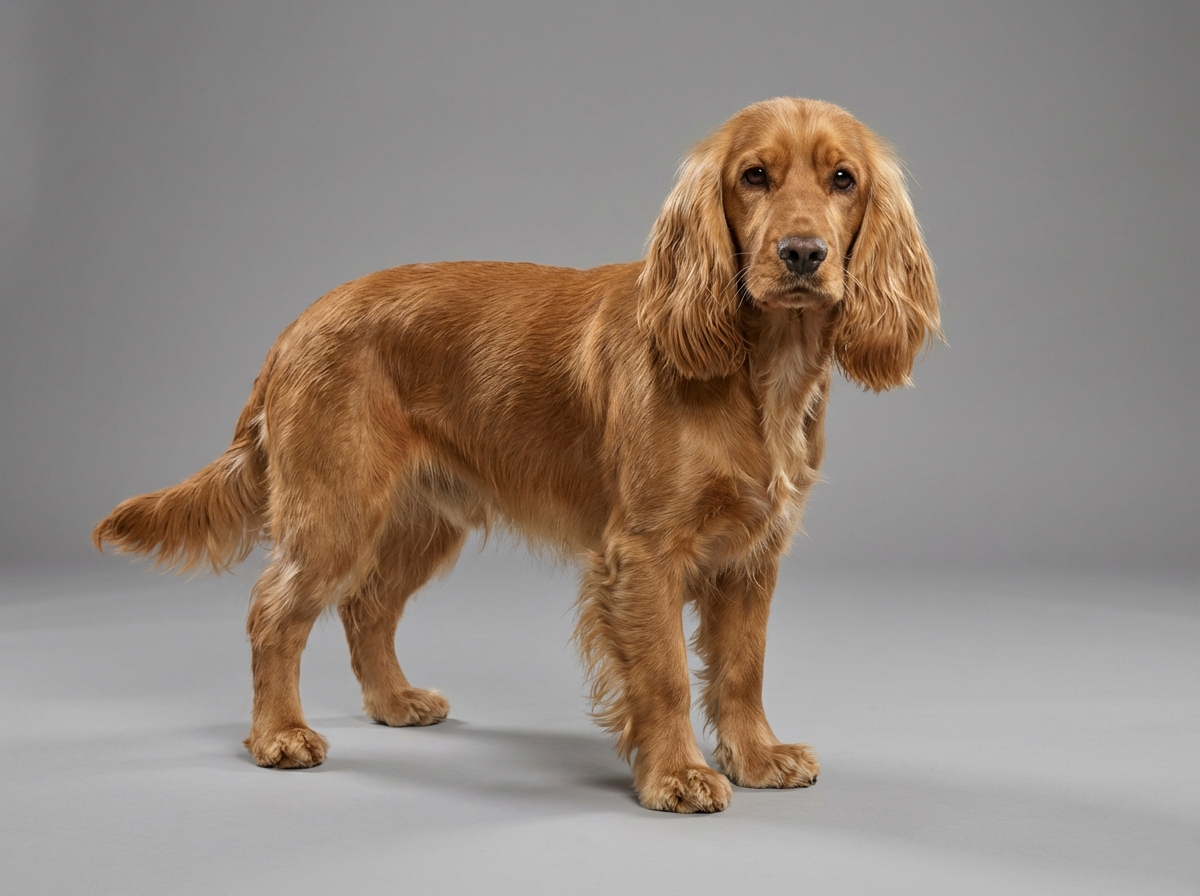
The breed standard describes a medium, straight, water-resistant coat. That is a working feature — it sheds cold water so the dog can keep going — and it has an unhelpful side effect in a lake with a bloom. Water beads off the outer coat, but the feathering on the ears, chest and legs holds a film of whatever was floating on the surface. A dog that never puts its head under and never drinks can still ingest a meaningful amount by grooming itself dry in the car.
That is what makes the bloom season worth actively checking rather than eyeballing. Blooms concentrate in warm, shallow, wind-sheltered water and in the northern bays more than in the broad lake, and they can appear and clear within days. Looking at the state's reporting before a swim costs nothing.
The practical routine through July, August and early September is simple: check the current reports, avoid water with visible scum or a paint-like sheen, do not let the dog drink from the lake, and rinse with tap water afterwards so nothing gets groomed off the coat later.