Cheatgrass has colonised enormous areas of Montana rangeland, and foxtail barley is common on disturbed ground and field edges across the Yellowstone valley. Both dry out and shatter from roughly June onward, releasing seed heads with stiff, backward-facing barbs. Those barbs are the whole issue: an awn that enters an ear canal cannot back out, and the dog's head-shaking drives it deeper.
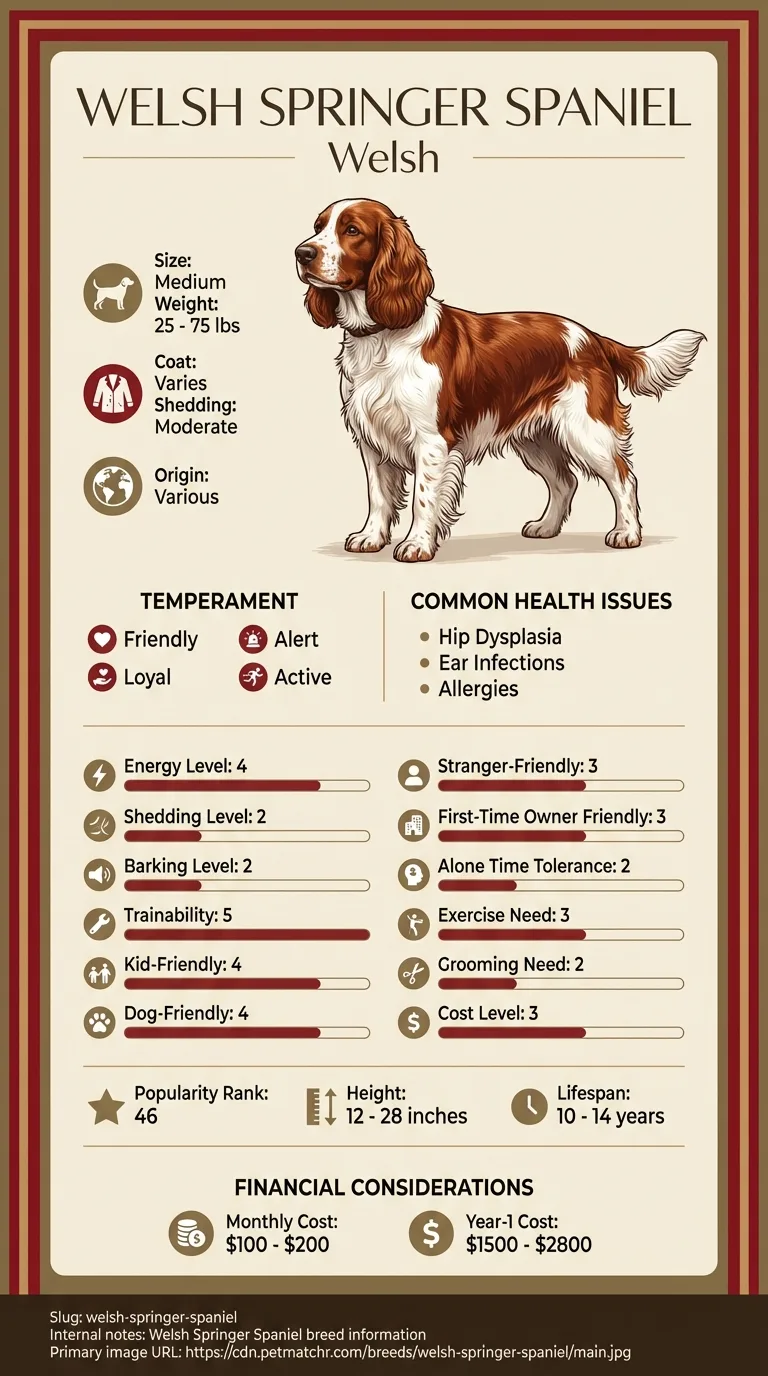
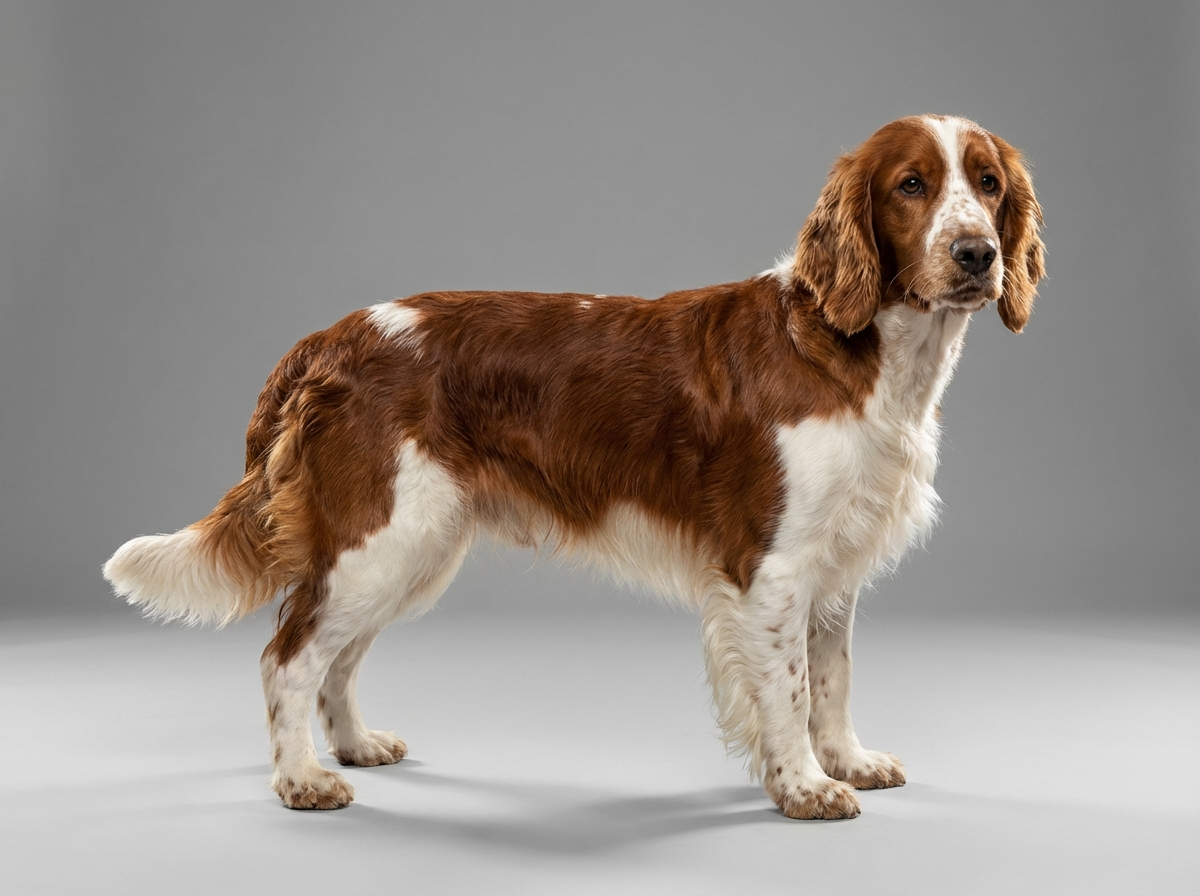
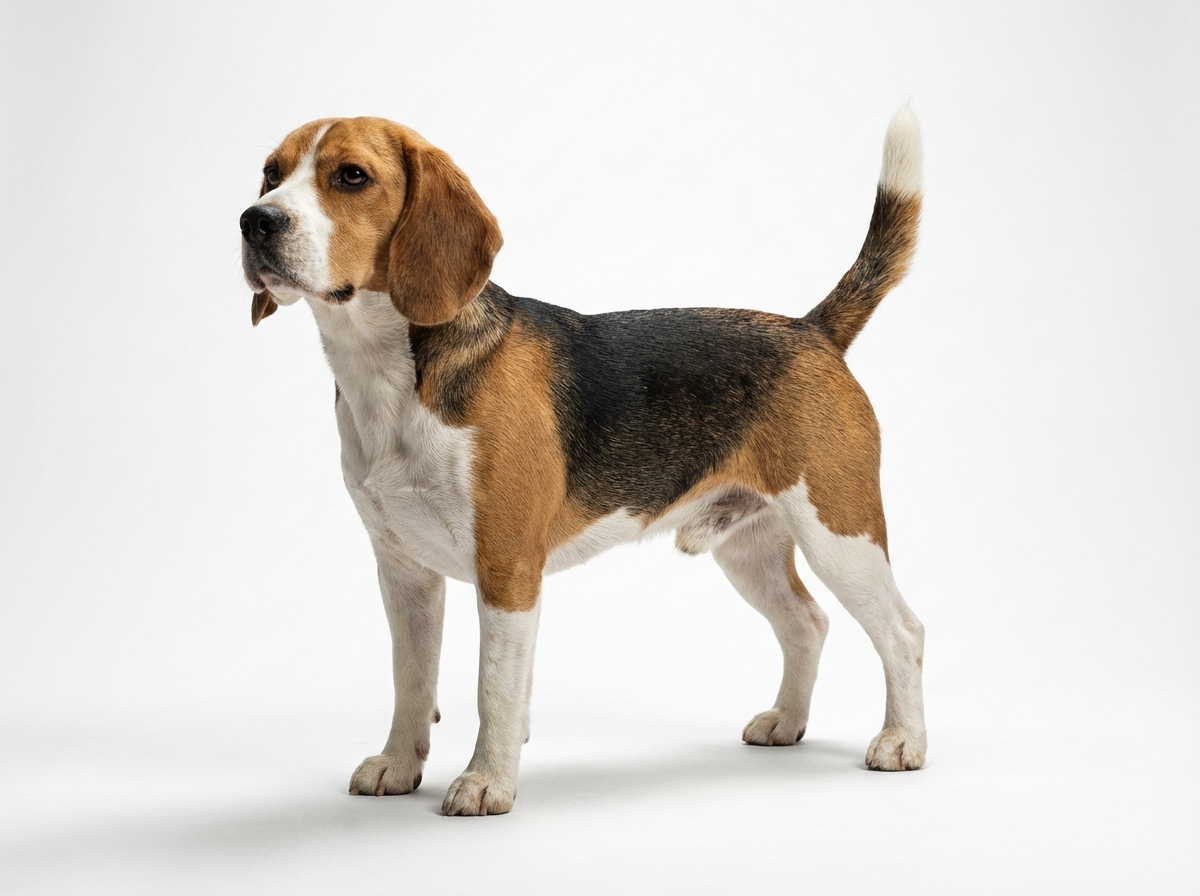
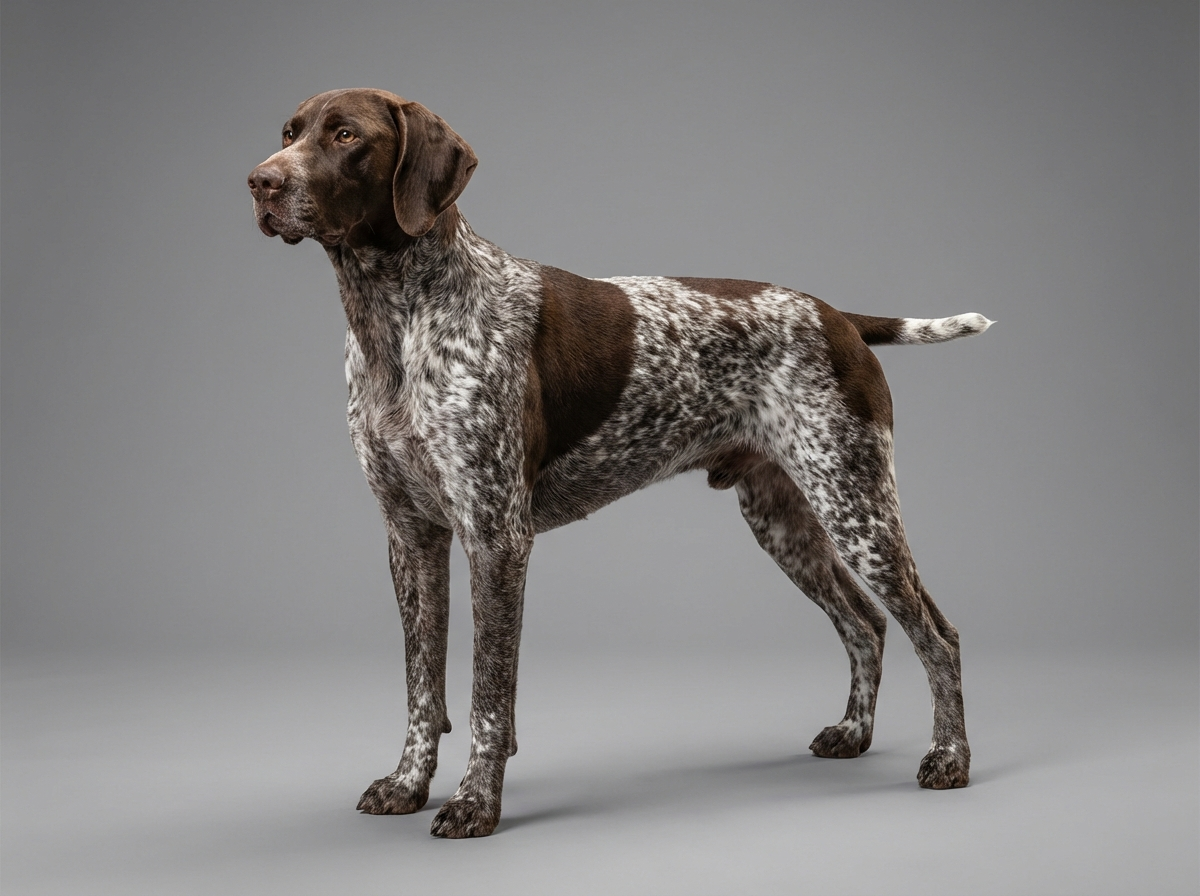
A Welsh Springer's ears make this materially worse than it is for a prick-eared breed. Long, heavy leathers hang down into exactly the height band where dried seed heads sit, and they act as a scoop rather than a shield. Once an awn is past the entrance, the leather closes over it and nothing you can see from outside tells you it is there.
What you get instead is a dog that was fine an hour ago and is now shaking its head violently and tilting to one side. That is a same-day visit, and retrieval typically means sedation because the canal is painful. Budget it as a realistic Montana line item rather than an emergency — several hundred dollars, and far more if the awn has already perforated something.