Six months is a reasonable figure for what most Maine owners actually spend on parasite prevention, and this page uses it because it reflects real behaviour. It is not a statement about when ticks are present.
The practical shape of the risk here is bimodal rather than a single summer peak. Nymphs are active in late spring and early summer, and they are tiny — the size of a poppy seed — which is why they account for so much of the transmission. Adults are active in the autumn and again during any winter thaw, and they are large enough to find if you look. The dangerous months for a household are therefore the shoulder ones, when the ticks are out and the owner has mentally filed the problem under summer.
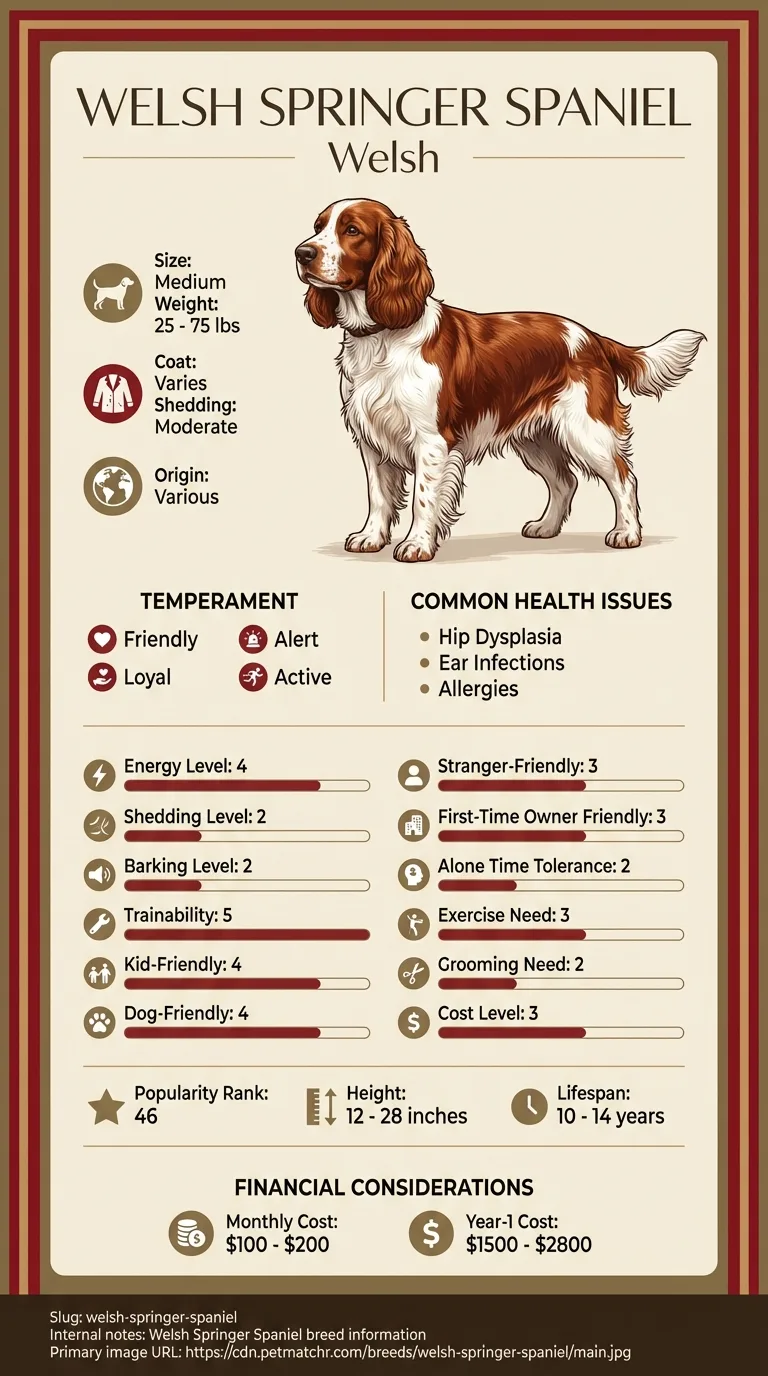
For this breed the checking site is specific. Long, heavy drop ears hang closed over the canal and the ear leather is warm and sheltered — one of the places a tick is most likely to settle and one of the few places an owner running a hand down the dog's back will never touch. The feathering on the legs and chest is the other. Both need to be looked at rather than felt through.
The cheapest single decision available here is to have the conversation with your veterinarian about when to start and stop prevention rather than following a calendar, and to ask about the Lyme vaccine, which is a genuine option for dogs in high-incidence regions and is not part of the standard core schedule. Neither of those changes the figures on this page much. Both change what the six-month window actually covers.