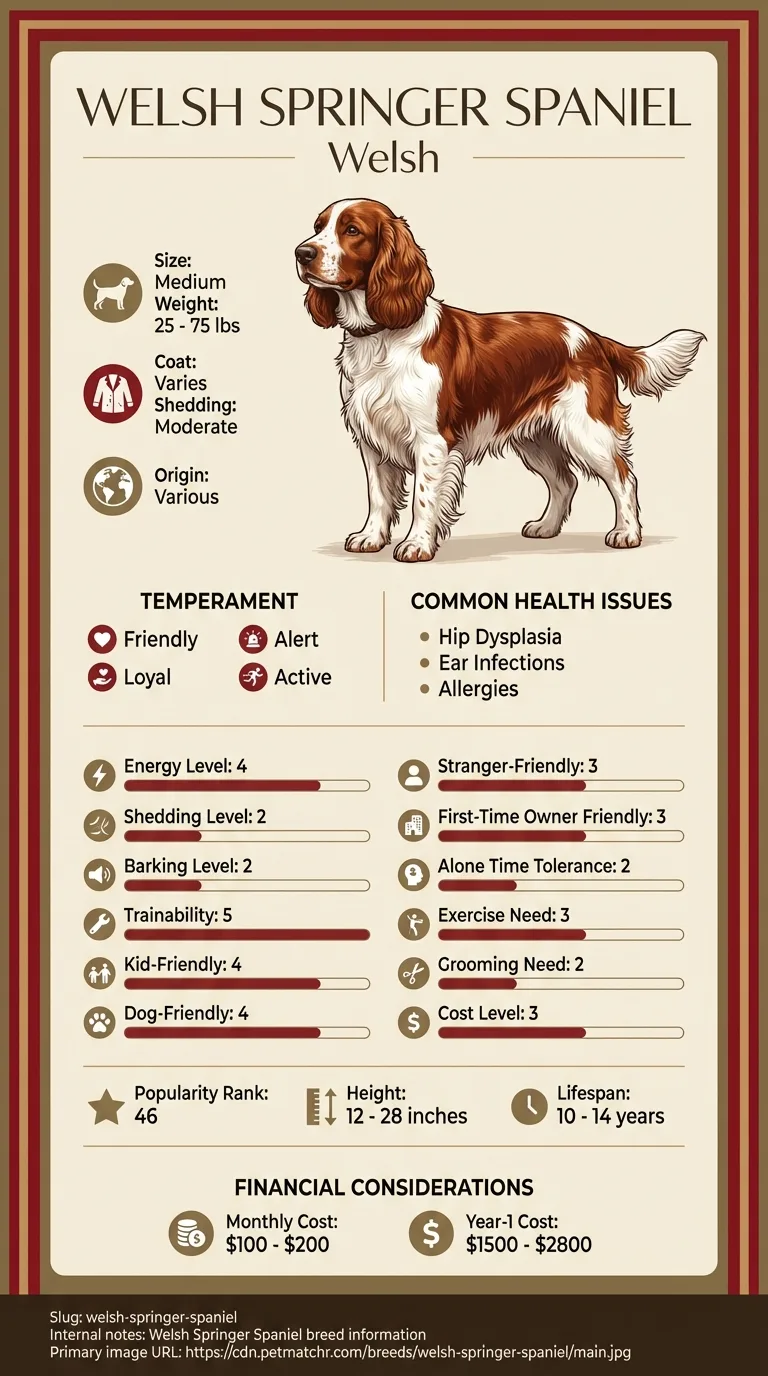
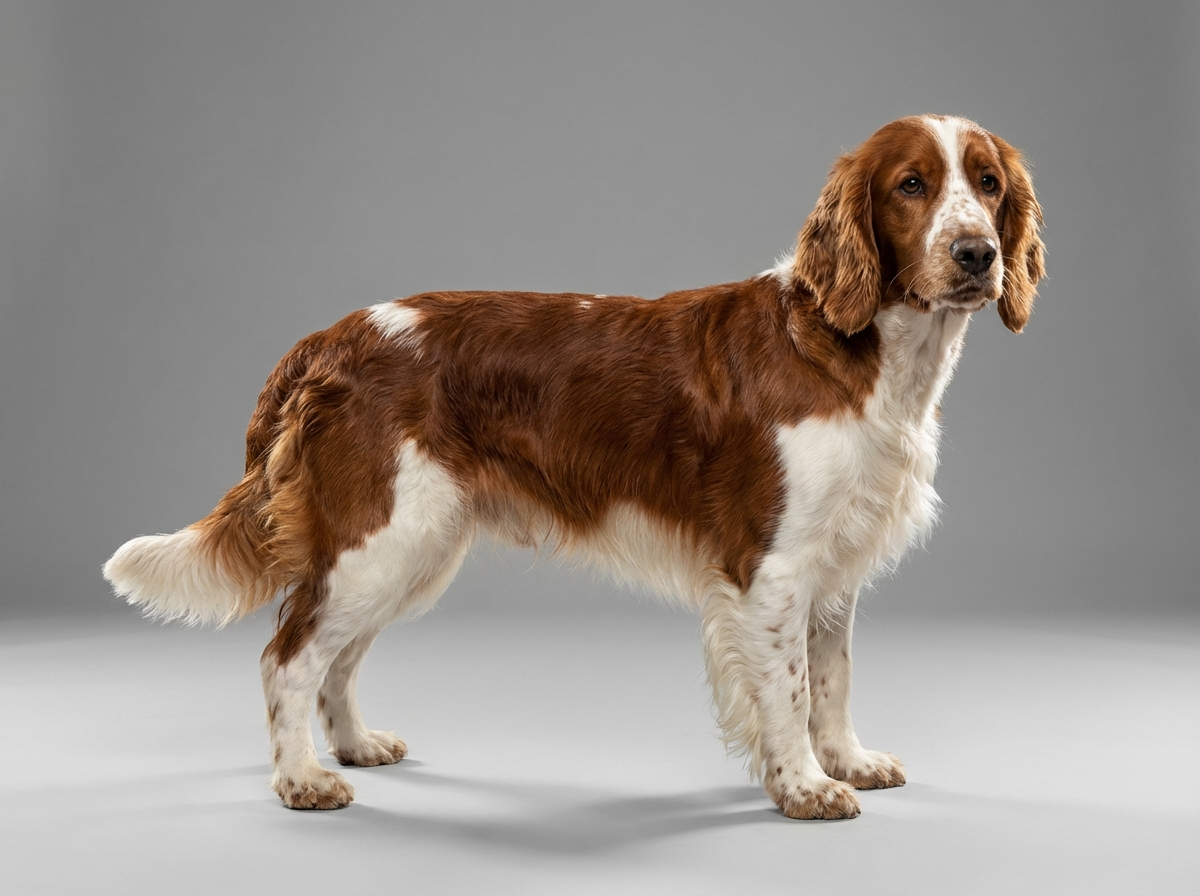
Start with the good half, because it is real. A Welsh Springer is documented as dog-friendly and even-tempered, and a city where every park, sidewalk and beach contains other dogs suits that temperament well. Group walking is normal here rather than exotic, and for a breed rated 2 out of 5 on tolerance for being left alone, the availability of daycare and dog walkers is a genuine practical advantage — expensive, but genuinely available.
The cost of that density is exposure. Canine infectious respiratory disease spreads through close contact and shared air, which is exactly what daycare, group walks, boarding kennels and busy dog parks provide. Kennel cough in its ordinary form is unpleasant rather than dangerous for a healthy adult dog, but it is disruptive, it is contagious, and it will get your dog excluded from daycare for a fortnight at daycare prices you are still paying for.
The practical response is vaccination beyond the core schedule. Bordetella is routinely required by daycares and boarding facilities here and is worth having regardless. Canine influenza is a separate conversation worth having with your veterinarian given how much group contact a San Francisco dog gets. Neither is expensive; both are the sort of thing that gets skipped by an owner who assumes their dog is a home dog and then discovers it is in a room with thirty others three days a week.
The other free measure is judgement. If a daycare or a park is going through an outbreak, take the week off. If your dog is coughing, keep it home — the density that makes this city good for dogs also makes an individual owner's restraint matter more than it would anywhere else.