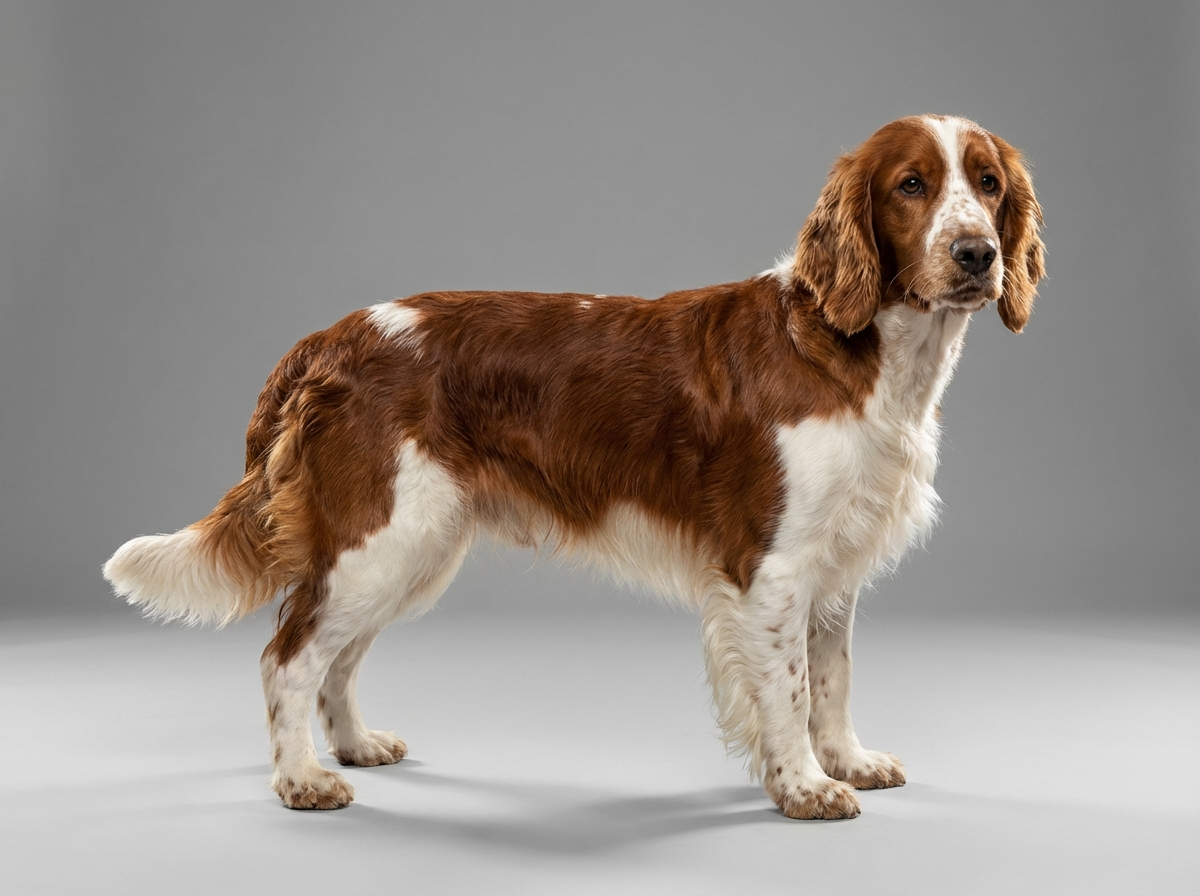
Once you accept it, the arrangement is genuinely good. An empty Rhode Island beach in November, with a hard shoreline and nobody on it, is close to a perfect environment for a high-drive sporting dog — considerably better than the crowded version in July would have been for a breed documented as reserved with strangers. Check the specific rules for each town before you go, because the dates and the leash requirements differ from beach to beach, but the general pattern holds statewide.
What has to change is the routine afterwards. Warm-weather swimming forgives a lazy towel; cold-weather swimming does not. Three things belong in the car from October onward. Fresh water to rinse salt out of the coat, because salt left in the feathering irritates skin and stiffens the hair. A proper towel, used on the chest and belly where the coat is thinnest rather than only along the back. And a deliberate ear routine — the ear leather closes over the canal and cold water sits in there just as readily as warm, with the added problem that low winter temperatures slow evaporation rather than speeding it.
The other adjustment is time. This breed's water-resistant coat keeps it comfortable in cold water for longer than is good for it, so the swim should be ended by the clock rather than by the dog's enthusiasm. Fifteen minutes in a New England November is plenty, and a dog still shivering after being dried has had enough for the day.