DogBreedCompass
← Back to breed profile

Beagle Back/Spine Issues: Causes and Solutions

Beagle back/spine issues can lead to serious discomfort and mobility problems for your furry friend. Understanding these issues is crucial for their well-being.

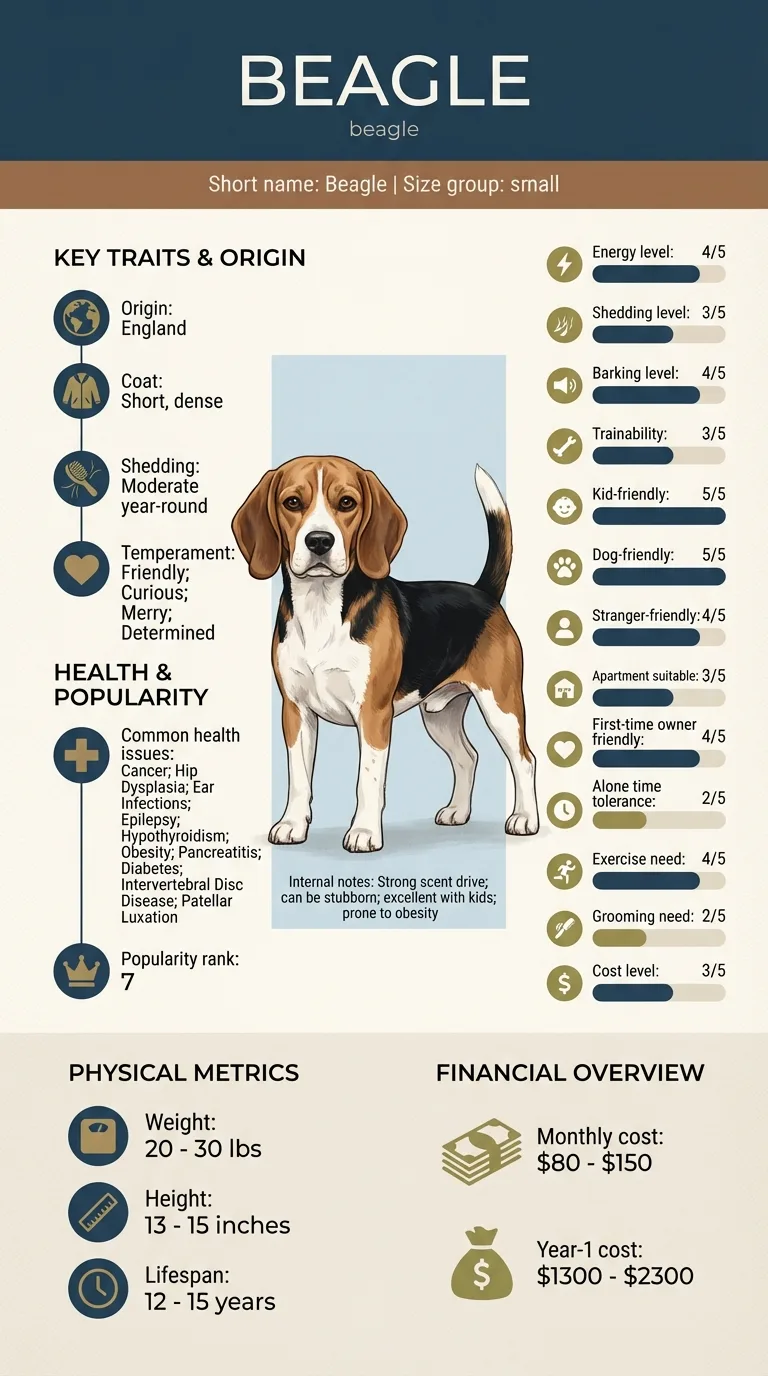
Beagle Back/Spine Issues: Causes and Solutions infographic

Owners of Beagles, especially those with active lifestyles or those who may not be aware of their dog's specific health needs, often face challenges with back and spine issues. These concerns are particularly common among first-time Beagle owners or families with children who may inadvertently stress their pet's back.

Important reminder

This guide is not medical advice. If your dog shows pain, sudden behavior change, or worsening symptoms, consult a licensed veterinarian.

Some links may be affiliate links. We may earn a commission at no extra cost to you. We only suggest products we believe are helpful for dog owners.

What this problem looks like

Beagle back/spine issues, particularly intervertebral disc disease, can be a significant concern for Beagle owners. This condition typically manifests through signs like pain, difficulty moving, and reluctance to jump or play. Owners may notice their Beagle having trouble standing or walking, which can be distressing both for the dog and the owner.

Common triggers

  • Obesity, as excess weight puts more strain on the spine
  • Genetic predisposition, since Beagles can inherit conditions that affect their spine
  • Sudden movements or injuries, which can worsen existing issues

Back and spine issues are relatively common among Beagles, especially as they age. It's estimated that a significant number of Beagles will experience some form of back pain or related problems during their lifetime.

Why this happens

Breed factors

Beagles are small dogs that can be prone to certain genetic conditions, including intervertebral disc disease. Their strong scent drive often leads them to jump and climb in ways that can strain their backs. Additionally, their stubbornness can make them less cooperative during training, leading to poor posture and movement habits.

Environment factors

The environment plays a big role in your Beagle's back and spine health. Lack of exercise can lead to obesity, putting extra pressure on their spine. Additionally, unsupportive bedding and improper lifting can further exacerbate back issues, particularly in older dogs.

What you can try

At-home strategies

  • Provide a supportive dog bed that keeps your Beagle's spine aligned.
  • Implement a consistent exercise routine that includes low-impact activities like walking or swimming to maintain a healthy weight.
  • Teach your Beagle commands for safe movements, like 'up' and 'down' when navigating stairs or furniture to prevent injuries.

When to consider a trainer

If your Beagle shows persistent difficulty with commands related to movement or exhibits signs of anxiety when exercising, it may be a good idea to consult a professional trainer. They can help address any behavior issues and improve your dog's confidence.

When to talk to your vet

If your Beagle shows signs of pain, reluctance to move, or noticeable changes in behavior, consult your vet as soon as possible. They can provide a proper diagnosis and suggest treatment options tailored to your dog's specific condition.

Realistic expectations

You can expect to see improvements in your Beagle's back and spine issues within 6 to 12 weeks of consistent training and care adjustments. However, serious conditions may require longer interventions.

Success means your Beagle shows increased mobility, reduced pain during movement, and a happier demeanor overall. Regular vet check-ups should confirm that their spine health is stable.

Mistakes that make this worse

Avoiding certain behaviors can help manage your Beagle’s back and spine issues. Here are common mistakes and safer alternatives.

  • Ignoring early signs of discomfort: Many owners dismiss signs like limping or reluctance to play. Early intervention can lead to better outcomes. Always consult your vet if you notice any unusual behavior.
  • Allowing excessive jumping: Beagles love to jump, but this can worsen back issues. Instead, provide ramps or steps to help your dog access furniture or cars safely.
  • Overweight or under-exercising: Carrying extra weight can strain your Beagle's back. Maintain a balanced diet and regular, low-impact exercise to help manage their weight and strengthen muscles.
  • Neglecting proper support during rest: Letting your Beagle sleep on hard surfaces can lead to discomfort. Invest in a supportive dog bed designed for back health.
  • Lack of consistent training: Some owners skip training sessions, thinking their Beagle will figure it out. Consistent training reinforces good habits and helps reduce anxiety-related behaviors that can strain the back.
  • Forgetting to monitor playtime: Rough play can lead to injuries. Supervise interactions with other dogs and intervene if play becomes too intense.
  • Avoiding vet check-ups: Skipping regular vet visits can delay diagnosis and treatment of back issues. Schedule check-ups to catch any problems early.

When Beagle Back/Spine Issues are an Emergency

Beagle back/spine issues can range from mild discomfort to serious emergencies. It's crucial to know when to seek immediate veterinary care versus when you can monitor your dog at home. If your Beagle shows any of the following red-flag signs, call your vet immediately.

Beagle Back/Spine Issues: Causes and Solutions - When Beagle Back/Spine Issues are an Emergency
  • Inability to stand or walk
  • Severe pain when touched
  • Loss of bowel or bladder control
  • Extreme weakness in hind limbs
  • Persistent crying or whimpering

Mild Cases to Monitor

If your Beagle is experiencing mild back or spine issues, it's often safe to monitor them from home. Look for signs like slight limping, occasional discomfort, or reluctance to jump. Create a plan to keep their activity level low and observe their behavior closely over a few days.

Beagle Back/Spine Issues: Causes and Solutions - Mild Cases to Monitor
  • Slight limping or stiffness
  • Occasional whining without severe pain
  • Temporary reluctance to jump or run

A Journey to Pain-Free Playtime

Emily, a busy nurse in Chicago, noticed her Beagle, Max, struggling to jump onto the couch. Concerned, she discovered he had intervertebral disc disease, a common issue for Beagles. After consulting her vet, she learned how to adapt Max's environment, using ramps and supportive bedding. With a tailored exercise plan and gentle stretches, Emily dedicated 20 minutes daily to Max's therapy. Over the weeks, she saw him regain his playful spirit, chasing after toys with ease. Emily also learned to manage his weight, crucial for his spine health. Max's transformation not only improved his mobility but also their bond, as they enjoyed new activities together.

Key takeaway: With the right support and care, Beagles with back/spine issues can lead happy, active lives. Consistency and veterinary guidance are key.

Frequently asked questions

Why does my Beagle have back/spine issues?

Beagles can develop back or spine issues due to several factors, including genetics, obesity, and injury. Intervertebral disc disease is common in this breed, which can lead to pain and mobility problems. Regular vet check-ups and maintaining a healthy weight can help prevent these issues.

How can I stop my Beagle from having back/spine issues?

To prevent back/spine issues in your Beagle, ensure they maintain a healthy weight and avoid jumping from high places. Engage them in regular, low-impact exercise, and provide proper support when they are climbing or descending stairs. Consult your vet for tailored advice on exercise and diet.

What are the signs of back/spine issues in Beagles?

Signs of back/spine issues in Beagles include reluctance to move, whining when picked up, difficulty walking, or changes in posture. You might also notice them dragging their hind legs or showing signs of pain when touched. If you observe these symptoms, consult your veterinarian promptly.

Can training help with Beagle back/spine issues?

Yes, training can help manage Beagle back/spine issues. Gentle obedience training can promote safe movements and discourage jumping or rough play. Working with a trainer experienced in canine physical therapy may also provide specific exercises to strengthen their back.

What treatments are available for Beagle back/spine issues?

Treatment for Beagle back/spine issues may include medication for pain and inflammation, physical therapy, or surgery in severe cases. Your vet may recommend a combination of methods tailored to your dog's specific condition. Always consult your vet before starting any treatment.

What are the early signs of Beagle back/spine issues?

Early signs of Beagle back/spine issues can include reluctance to jump, difficulty climbing stairs, or noticeable discomfort when being handled. If your Beagle seems to be in pain or is avoiding activities they usually enjoy, it’s time to consult your vet.

Can Beagle back/spine issues develop as they age?

Yes, Beagle back/spine issues can develop as they age due to wear and tear on their spine. Older Beagles may be more prone to conditions like intervertebral disc disease, so regular vet check-ups are crucial to monitor their spine health.

How can I prevent back/spine issues in my Beagle?

Preventing back/spine issues in your Beagle involves maintaining a healthy weight, providing regular low-impact exercise, and avoiding excessive jumping or rough play. Consistent training can also help them learn to navigate their environment safely.

When should I see a vet for my Beagle's back/spine issues?

You should see a vet if your Beagle shows persistent signs of pain, difficulty walking, or changes in behavior. Early intervention can make a significant difference in managing their condition and improving their quality of life.

Can training help with Beagle back/spine issues?

Yes, training can help manage Beagle back/spine issues by teaching them to avoid movements that could aggravate their condition. A professional trainer can guide you on safe activities and exercises tailored to your Beagle's needs.

Quick answers

View more answers
Behavior

What are some quick tips for Beagle back/spine issues?

Keep your Beagle at a healthy weight and avoid high jumps to reduce back strain. Regular, low-impact exercise is essential for maintaining spine health. Consult a vet for specific training exercises to strengthen their back.

Costs

How much do Beagle back/spine issues cost to treat?

Treatment costs for Beagle back/spine issues can range from $200 for medications to over $5,000 for surgery, depending on severity. Regular vet visits can keep costs manageable through early detection.

Living

Is there a way to prevent Beagle back/spine issues?

Preventing Beagle back/spine issues involves keeping them at a healthy weight and providing safe environments for movement. Regular vet check-ups can help monitor their spine health.

Related DogBreedCompass guides

  • Beagle behavior problemsLearn about common behavior problems that Beagles may face.
  • Beagle separation anxiety guideFind helpful tips for managing separation anxiety in Beagles.
  • Beagle cost breakdownUnderstand the costs associated with owning a Beagle.
  • Beagle back/spine issues trainingExplore training techniques to prevent back/spine issues in Beagles.
  • Beagle health concernsDiscover more about health issues that commonly affect Beagles.

Related guides