Two scenarios come up repeatedly here, and both are easier to handle if they are thought about before they happen.
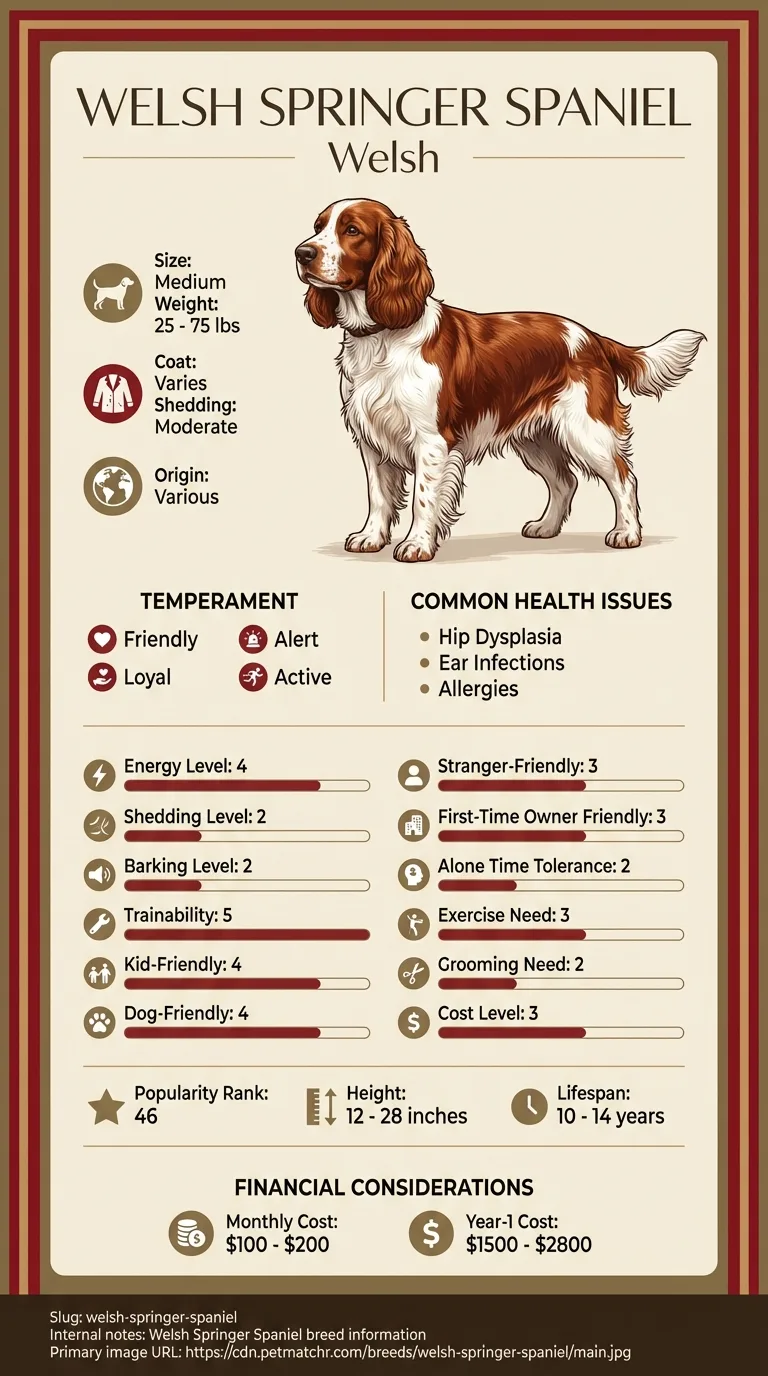
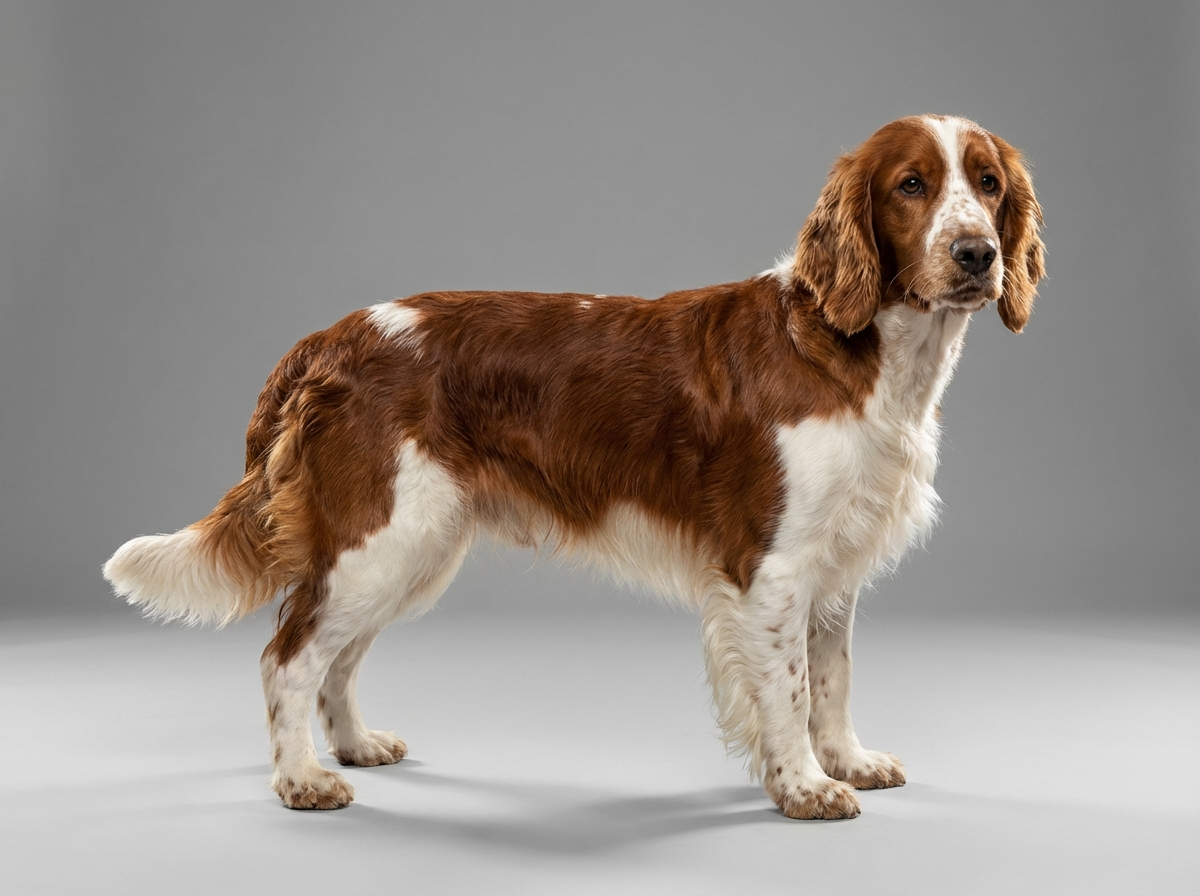
The first is a deployment in a two-adult household. One person leaves, the remaining adult absorbs the full walking, feeding and company load, and the dog is quietly unsettled by an absence it cannot understand. The practical answers are ordinary: build a relationship with a walker or daycare before you need one rather than during the first difficult month, keep the dog's routine as unchanged as possible in every other respect, and expect some regression in behaviour that is not disobedience. This breed rates 4 out of 5 on trainability, and the same quality that makes it quick to learn makes it quick to notice that something is different.
The second is a single-adult household facing a deployment, where the dog needs somewhere to live for months rather than hours. That requires a real arrangement — family, a trusted long-term foster, or one of the organisations that exist specifically to board service members' animals during deployment. It also requires paperwork: current vaccination records, a written note of any medication and dosing, veterinary contact details, and written authorisation for whoever holds the dog to seek treatment on your behalf. That last item is the one people forget, and it is the one that causes problems.
A permanent-change-of-station move adds its own line. Housing at the next posting may have breed or weight conditions, base and off-base rental rules differ, and if the move is overseas the import requirements can take months to satisfy. Start asking early, because none of it compresses well.