The parts of an evacuation that go wrong for dog owners are almost never dramatic. They are administrative, and they are all solvable in advance during a quiet week.
Start with identification. A microchip registered to a current phone number is the single most valuable thing on this list, and registration details go stale silently — check yours annually. Add a collar tag with a mobile number and an out-of-state contact, because local numbers are exactly what stops working.
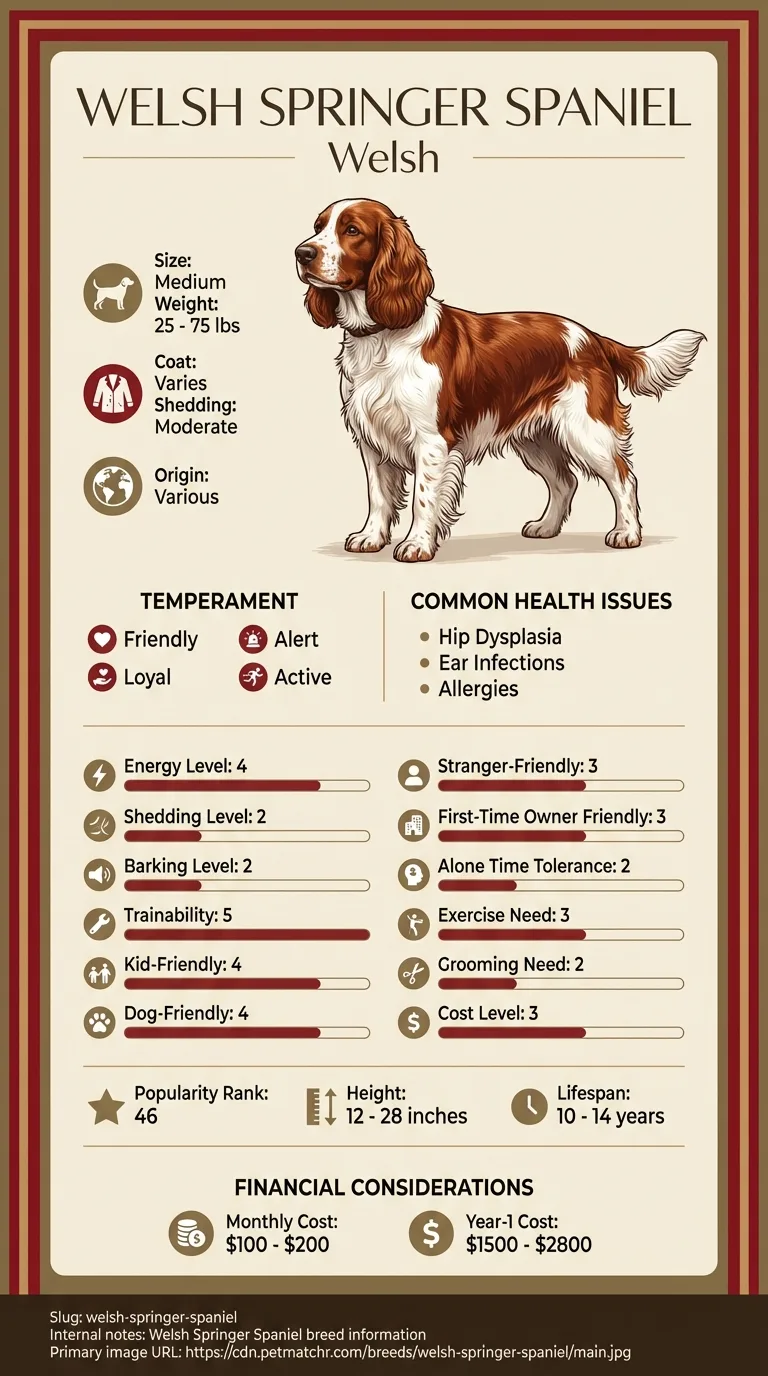
Then the crate. Assisted evacuation and most pet-friendly shelters require animals to be crated, and a 35-to-55-pound dog needs a crate sized accordingly. Buying it in an emergency is difficult and expensive; buying it in May is neither. Just as importantly, a dog that has never been in a crate will not learn to accept one during a hurricane. This breed rates 4 out of 5 on trainability, so a few weeks of relaxed introduction turns the crate into somewhere safe rather than a punishment.
Then paperwork and medication. Keep a copy of current vaccination records with your own documents, since shelters and boarding facilities will ask. And if the dog takes medication for a documented condition, keep a genuine two-week buffer of it rather than the few days most households run on. Anticonvulsants are the clearest example: interrupting them is not a minor inconvenience, and pharmacies in an evacuated region are not a reliable resupply.
Finally, decide where you are going and confirm it takes dogs before the season starts, not while the traffic builds.