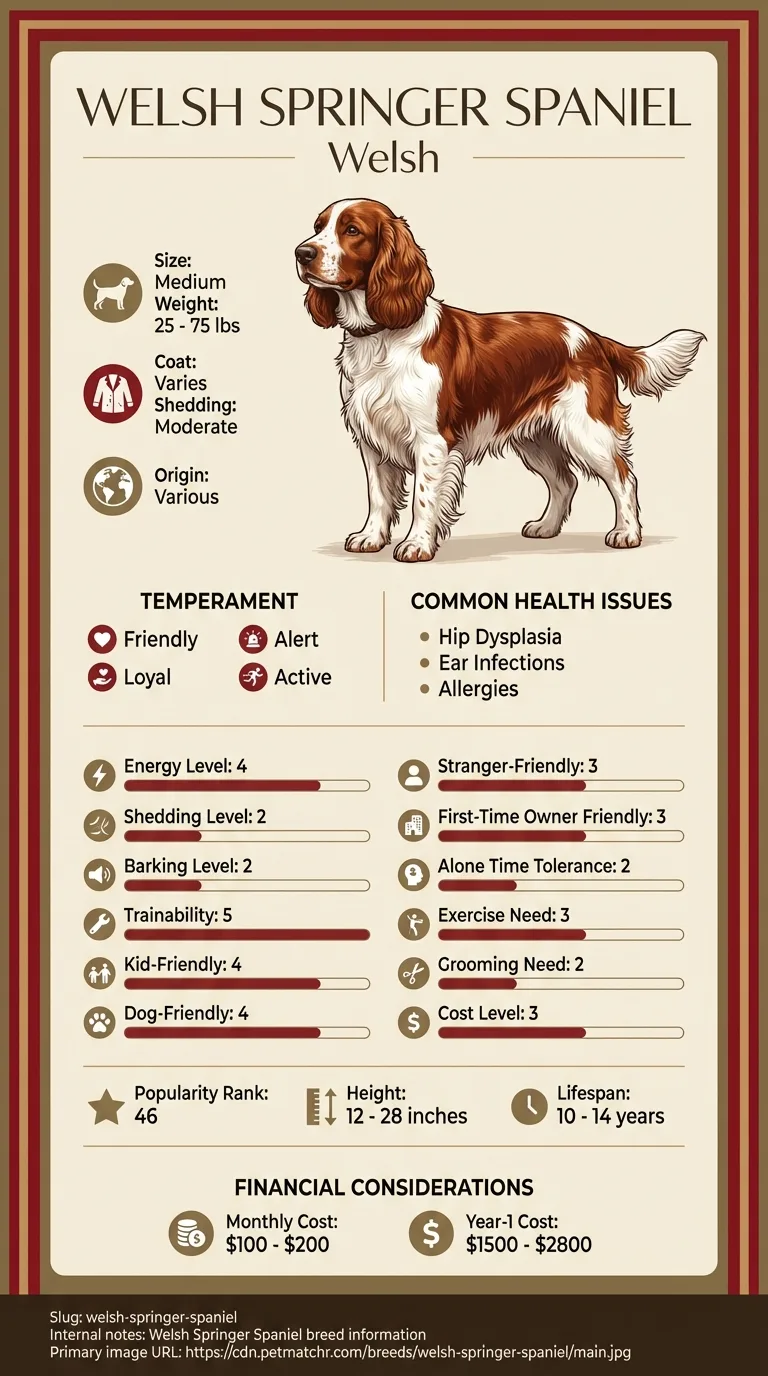
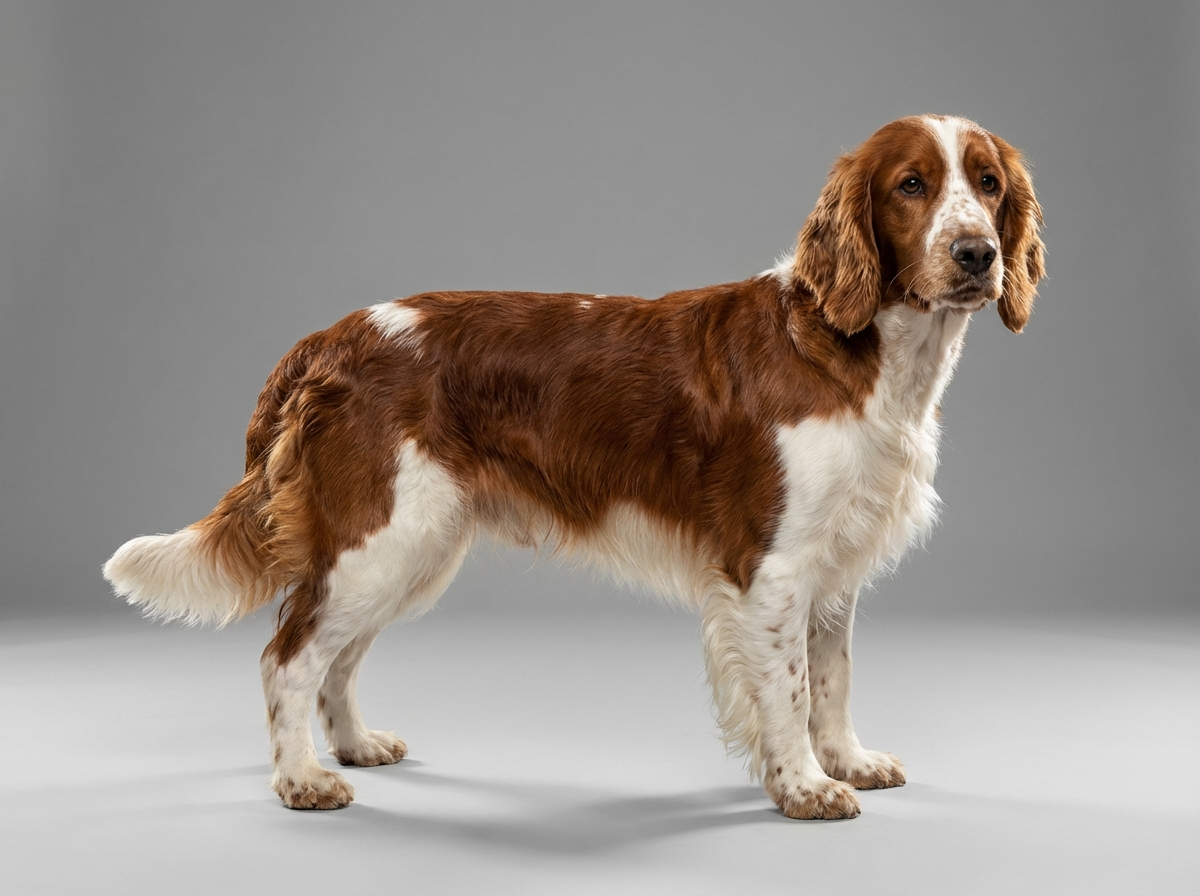
The mechanism is worth spelling out because it is not obvious. Rain hits a water-resistant coat and sheds. Dry snow does not shed — it packs into the feathering on the ears, the legs and the chest, and it stays there because it is cold and the coat is cold and nothing is melting it outdoors.
Then the dog comes inside. Body heat and a warm house do the melting, and the water that results has nowhere to go except downward and inward. For most of the dog that is harmless. Inside a long, heavy ear leather that lies closed over the canal, it is water arriving in a warm, enclosed, unventilated space — which is the same situation a swim creates, produced by a completely different route.
The owner has no reason to suspect it, because the walk involved no water. The dog was dry when it left and dry when it came back, in the sense that anyone would use the word.
The habit is thirty seconds. Knock the packed snow out of the ear feathering at the door, before the dog is inside and warm, and dry the inside of the leather with a towel. Do the same for the leg and chest feathering, where packed snow melts into mats. If your dog gets ice balls between its toes, deal with those at the same time — the routine is one stop rather than three.
One related note for this climate: road and pavement de-icing products end up in the same feathering and get licked off. Rinsing the feet and lower legs after walks through treated areas is the standard advice and it costs nothing but a towel.