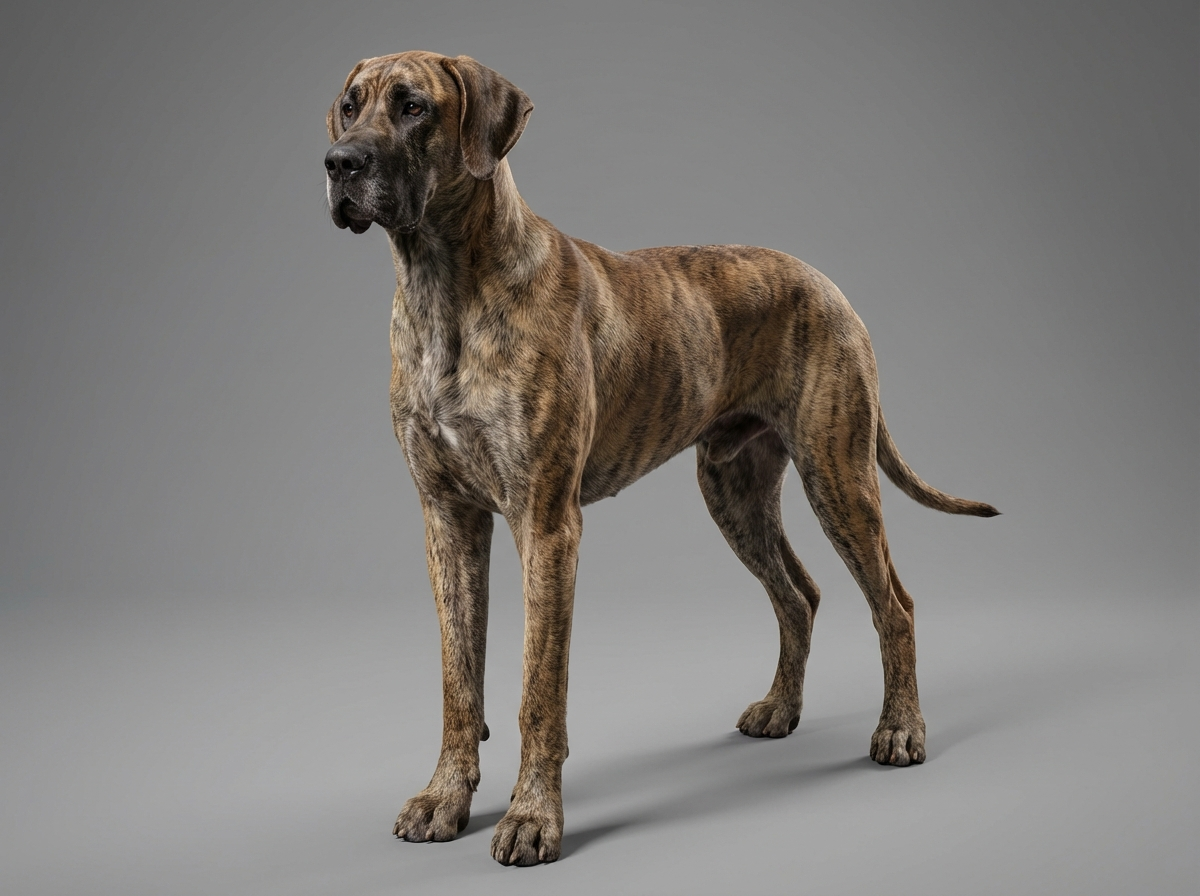
Hawaii's quarantine programme allows a qualifying dog to be released at the airport soon after arrival rather than serving a long confinement, but qualifying takes planning measured in months rather than weeks. The sequence involves a microchip, at least two rabies vaccinations given in the right order, a rabies antibody blood test processed by an approved laboratory, a waiting period after that sample is received, a health certificate close to travel, and paperwork submitted to the state's animal quarantine facility in advance of the flight. Miss a step and the dog serves a far longer and far more expensive stay.
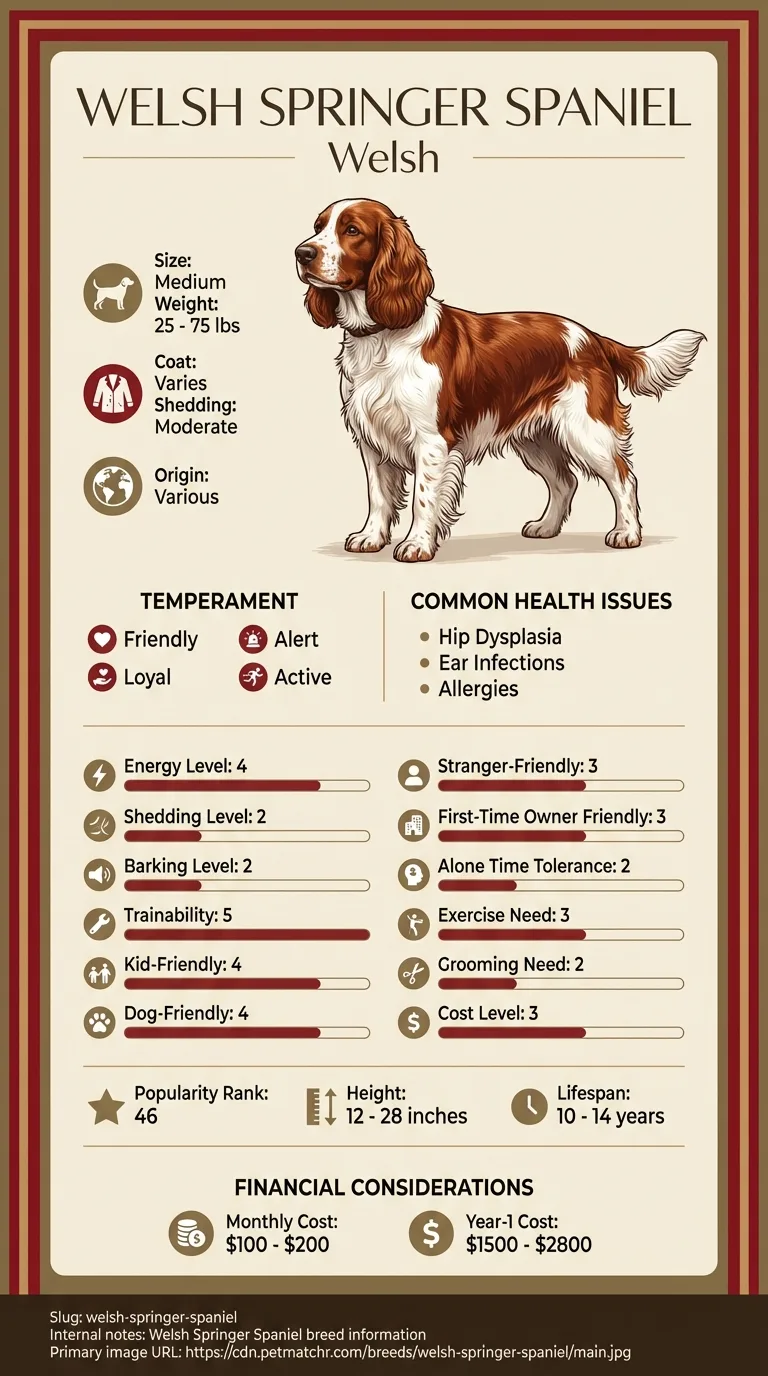
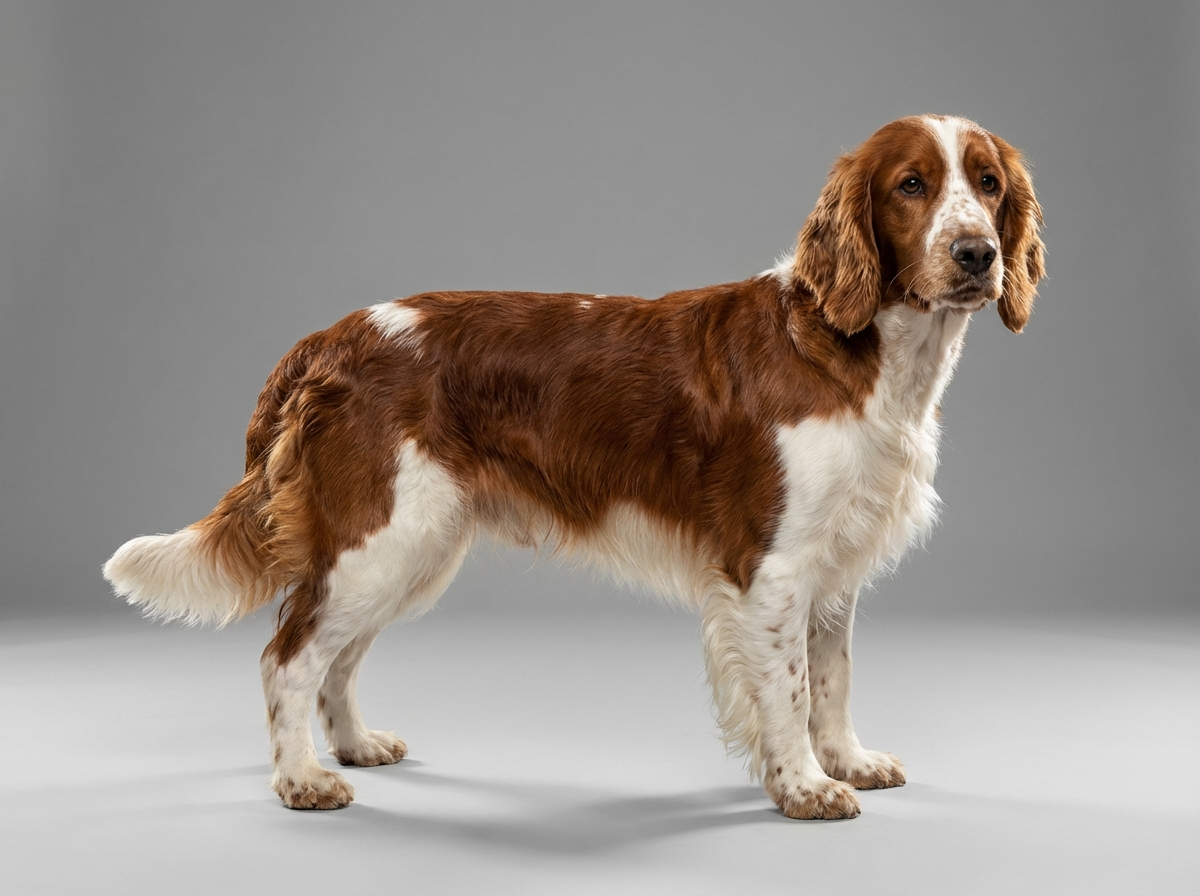
Stack the real costs honestly. There is the puppy itself, and a rare breed does not come cheap. There is veterinary work on the mainland to satisfy the protocol, the laboratory fee, the state programme fee, and then air transport for a crated dog that will grow into 35 to 55 pounds — which for many carriers means cargo rather than cabin, at cargo prices, with seasonal heat embargoes that can close the window entirely in high summer.
None of this is a reason not to have the breed here. It is a reason to treat year one as genuinely front-loaded and to start the paperwork the moment a breeder confirms a puppy, rather than the month before travel.