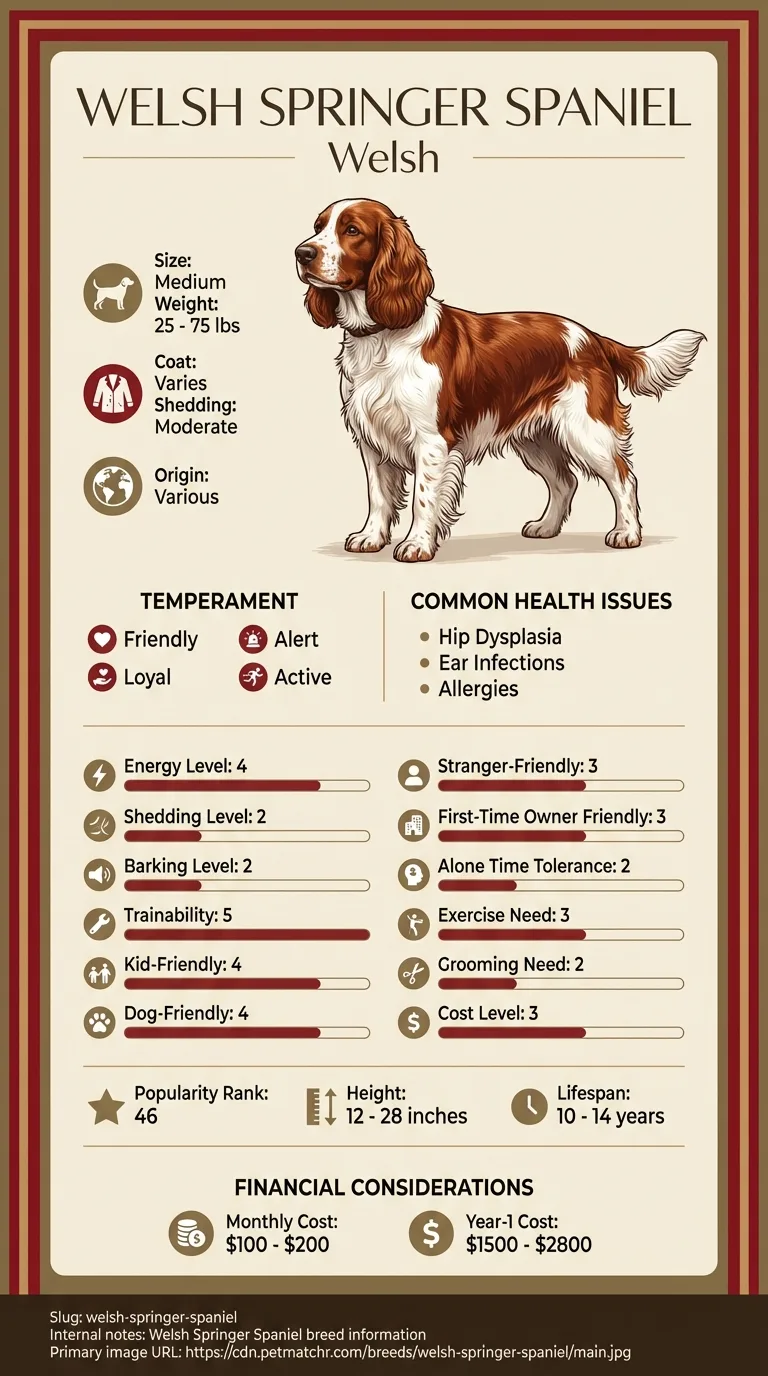
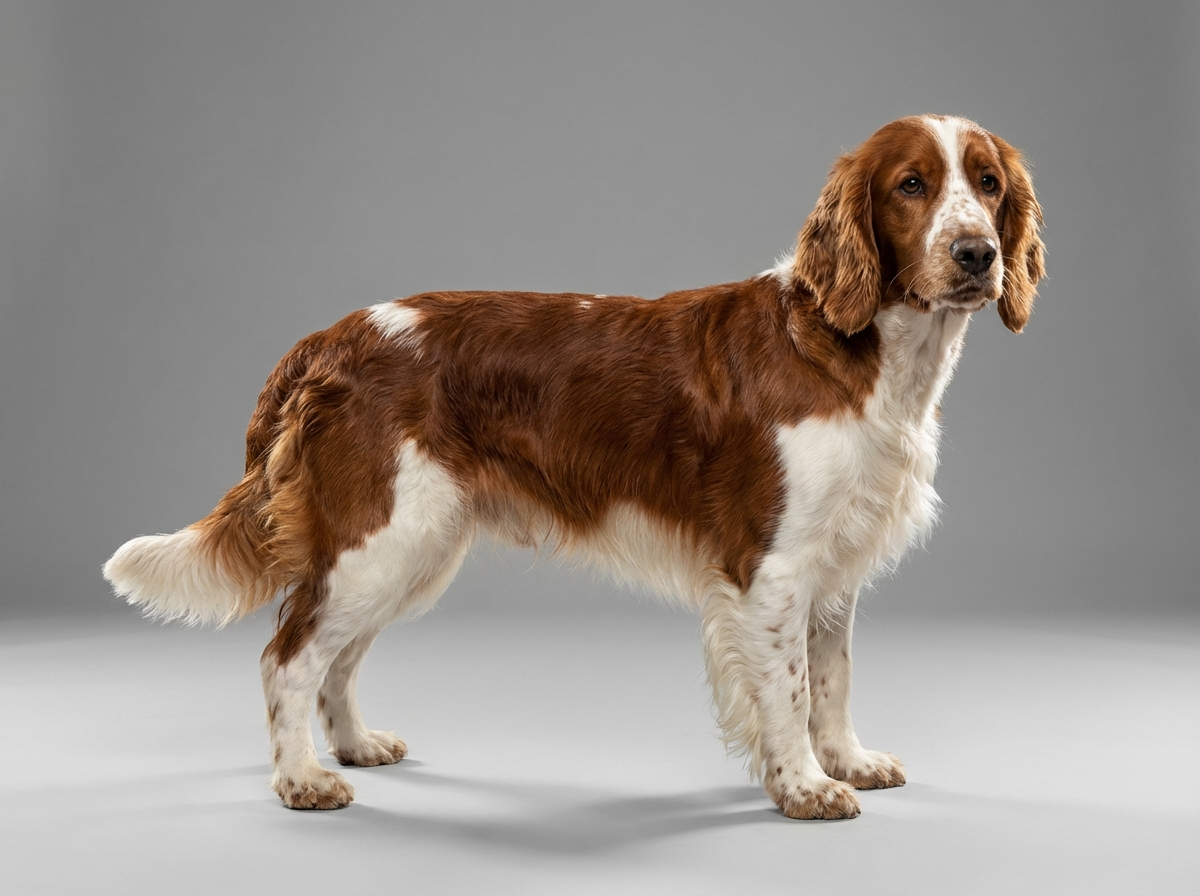
A water-resistant coat is exactly what a Welsh Springer was bred to have. It sheds water, keeps the skin drier than a plain coat would, and lets the dog work wet ground for hours without becoming miserable. On Lake Michigan that same property removes the feedback loop a dog would otherwise use to decide it has had enough.
A dog with a less protective coat gets cold, feels it, and comes out. A Welsh Springer in genuinely cold water stays comfortable for longer than is good for it, and because it is having a wonderful time, its owner has no reason to intervene. The result is a dog that emerges after forty minutes shivering hard, unsteady on its feet, and slow to warm up — a situation that ranges from unpleasant to a veterinary visit depending on how far it went.
The management costs nothing. Time the swim rather than judging it by the dog's enthusiasm, because the dog's enthusiasm is not a temperature gauge. Fifteen or twenty minutes is plenty when the water is in the low sixties or below. Check the lake temperature before going down, since offshore winds can change it overnight. Bring a towel and dry the dog properly on the beach rather than in the car, paying particular attention to the chest and belly where the coat is thinnest. And if the dog is shivering after it has been dried, that is the day's swimming finished.
The ears want attention afterwards too. Cold water still sits in a canal held closed by a heavy ear flap, and the drop in temperature does nothing to help it evaporate.