Quagga mussels were found in Lake Mead in 2007 and have colonised it thoroughly since. They encrust hard surfaces — rock, concrete, boat hulls, submerged debris — in dense layers, and their shells are genuinely sharp. As the lake's water level has fallen over the years, a wide band of formerly submerged rock has been exposed, and much of it carries that encrustation.
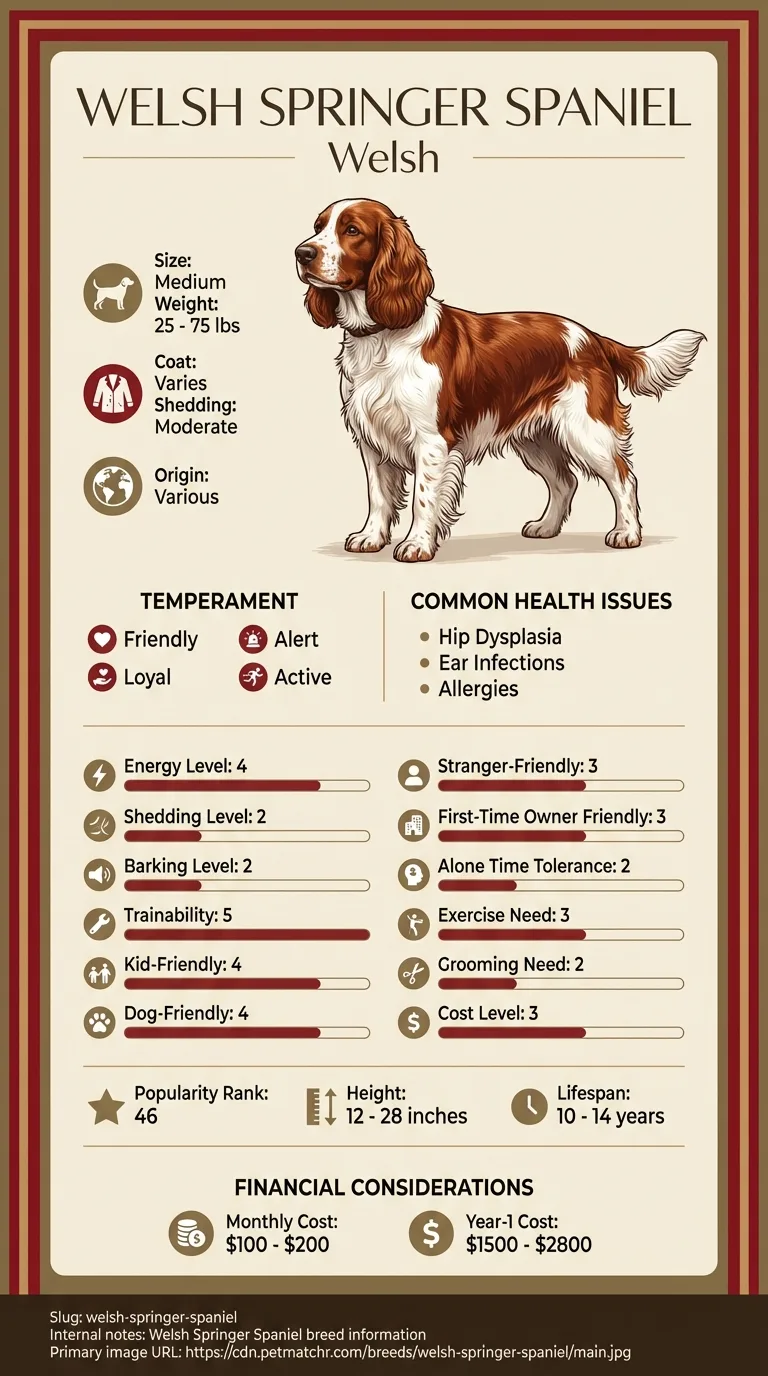
For a dog this is a straightforward laceration risk on the pads and between the toes, and it happens in the least dramatic way imaginable: not from swimming, but from the walk down to the water and the scramble back out. A pad cut deep enough to need veterinary attention is a real bill, and a foot injury in a breed rated 4 out of 5 on exercise need means weeks of restricted activity on top of it.
The management is simple and mostly free. Enter and exit the water from a sandy beach rather than from rock. Look at your dog's feet after every visit, between the toes as well as underneath, because these cuts are clean and easy to miss until the dog is limping the next morning. Carry water for rinsing and something to bandage with. Boots are worth considering for a dog that habitually launches itself off rock, and they cost a fraction of a single emergency visit.