Health
What is the difference between vomiting and regurgitation?
Vomiting is active with abdominal heaving. Regurgitation is passive, with undigested food simply reappearing, often some time after a meal.

Quick answer
What is the difference between vomiting and regurgitation?
Vomiting is active with abdominal heaving. Regurgitation is passive, with undigested food simply reappearing, often some time after a meal.
Owners describe it as vomiting because there is no other word to hand. But food that reappears without any heaving, sometimes shaped like a tube, has not come from the stomach at all.
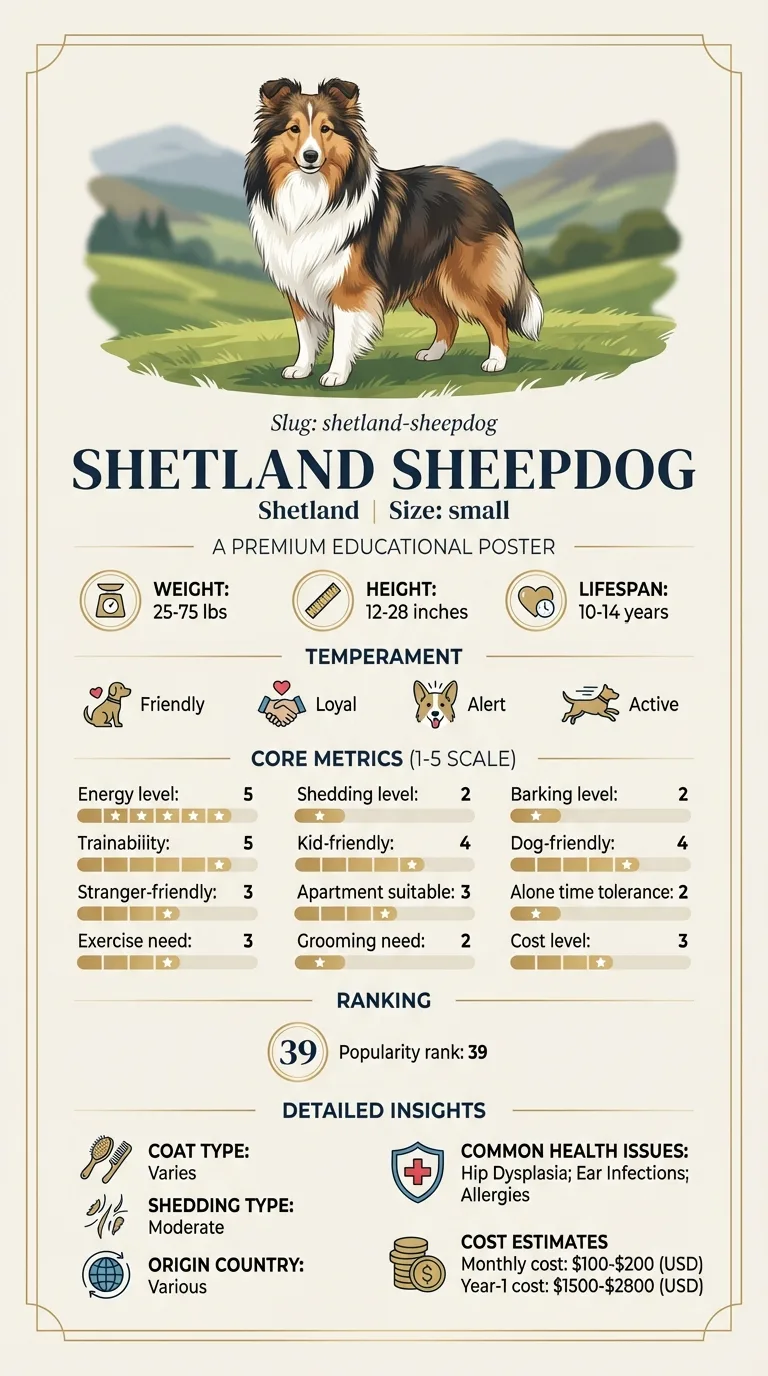
Owners whose dog brings back undigested food hours after eating. People whose puppy started regurgitating around the time she moved onto solid food. Anyone who has been told about an upright feeding chair and wants to understand why it works.
This guide is not medical advice. If your dog shows pain, sudden behavior change, or worsening symptoms, consult a licensed veterinarian.
Some links may be affiliate links. We may earn a commission at no extra cost to you. We only suggest products we believe are helpful for dog owners.
Oesophageal disease means the tube between throat and stomach is not moving food along properly. The commonest form, megaesophagus, is dilation with loss of muscular function, so meals pool rather than travel. Dogs regurgitate undigested food, lose weight because too little is reaching the stomach, and face a persistent risk of inhaling material into the lungs. It is managed with position and food consistency rather than cured, unless an underlying cause is found and treated.
Uncommon overall and not documented as a Shetland Sheepdog predisposition. The breed's recorded conditions concern the eyes, drug metabolism, skin and muscle, thyroid function and the kneecap. The relevant adjacency is dermatomyositis, whose more severe form involves muscle including that used for swallowing, so oesophageal signs in a Sheltie with facial skin lesions are worth reporting as a single connected picture rather than two separate complaints.
The Shetland Sheepdog carries no documented oesophageal predisposition, and the honest position is that this is an uncommon problem here. The genuine breed connection is dermatomyositis, documented for this breed, which in its more severe presentations damages muscle as well as skin. Where the muscles of the pharynx and oesophagus are affected, swallowing becomes inefficient and regurgitation follows. Hypothyroidism, also documented, is a hormonal condition routinely checked for in the workup, since endocrine disease is among the recognised contributors to acquired megaesophagus.
The environment does not cause oesophageal dilation, but it determines how much trouble the condition causes day to day. Feeding from a floor-level bowl leaves food sitting in a horizontal tube, which is the single most modifiable factor. Allowing a dog to lie down immediately after eating does the same. Competitive fast eating pushes larger boluses down a tube that cannot handle them. Steep downhill walks and games that drop the head below the body encourage food to travel the wrong way.
Seek same-day help for coughing, laboured or fast breathing, fever, or sudden lethargy in a dog with any swallowing problem, since aspiration pneumonia develops quickly and is the main cause of death in these patients. Go urgently too for a dog who is retching and distressed, drooling heavily and unable to swallow, which suggests an obstruction. Book a prompt appointment for repeated regurgitation of undigested food, for unexplained weight loss with a normal appetite, or for a puppy who began bringing food back when she moved onto solids. Ask for bloodwork looking at thyroid and adrenal function alongside imaging, since treatable underlying causes exist.
See all Shetland Sheepdog health problems, which breeds are prone to esophageal disease, or the full Shetland Sheepdog breed guide for temperament, exercise needs and ownership costs.
Diagnosis usually takes two to four weeks across imaging and bloodwork. Where a treatable cause is found, improvement is judged over two to three months. Where none is, management is permanent and the routine becomes part of daily life. Some congenitally affected puppies improve substantially during their first year.
A dog maintaining a stable weight, regurgitating rarely rather than daily, and getting through months without a pneumonia episode. This is a condition managed rather than resolved, and the honest measure of success is the absence of hospital admissions rather than the absence of symptoms.
Vets ask about this distinction because it separates two entirely different parts of the digestive tract. These are the features to record before your appointment.
When the oesophagus cannot move food along by muscular contraction, the remaining option is to let gravity do it. Feeding a dog in an upright position, with the front end raised well above the hindquarters, allows food and water to drain downwards into the stomach rather than pooling in a horizontal tube. Purpose-built upright chairs exist for this, and improvised versions work too, though a stable one is safer.
The part owners underestimate is the time afterwards. The dog needs to stay upright for a substantial period following each meal, often twenty to thirty minutes, so the stomach has time to accept everything. Lying down immediately undoes the whole exercise. Food consistency is adjusted too, since some dogs manage meatball-sized portions better than liquid slurry and others the reverse, and finding which suits an individual dog takes trial and error.
Water is the harder problem, because dogs drink throughout the day rather than at set times. Some owners use gel water or elevated bowls, and this is a specific thing to plan with your vet rather than to improvise.
What makes all of this worth the effort is the pneumonia risk. A dog with megaesophagus who develops a cough, a fever, laboured breathing or sudden lethargy may have inhaled material into the lungs, and that needs same-day veterinary care. Owners managing this condition should treat any new respiratory sign as urgent rather than waiting to see. There is also a documented breed link worth raising with your vet: dermatomyositis, one of the five conditions recorded for the Shetland Sheepdog, can in more severe cases involve the muscles of the throat and oesophagus, so a Sheltie with both facial skin lesions and regurgitation is describing a connected picture.

Cluny's owner Aoife had told two different vets that her dog was vomiting. The treatment aimed at her stomach never helped. At the third visit a vet asked her to describe exactly what it looked like, and Aoife said that Cluny did not really heave, the food just appeared on the floor, undigested, sometimes an hour after supper. That description changed the direction entirely. Contrast radiographs showed a dilated oesophagus. Bloodwork was run for underlying causes and her thyroid came back low, which was treated. Cluny was fed from a raised platform and kept upright for twenty five minutes after every meal, a routine Aoife trained over about three weeks with a mat and a chew. Her regurgitation dropped to occasional and she regained the two pounds she had lost.
Key takeaway: Describe what you actually saw, not what you think it was called. Effort or no effort is the detail that redirects the whole investigation.
Some dogs are born with it and it appears when they move onto solid food. In adults it can follow neuromuscular disease, hormonal conditions, a vascular ring abnormality present from birth, or an obstruction. In many adult cases no cause is identified, and the underlying investigation matters because some causes are treatable.
Where an underlying cause is found and addressed, function sometimes improves considerably. Where none is found, management is supportive: upright feeding, adjusted food consistency and vigilance about pneumonia. Some puppies improve as they grow, which is why a paediatric diagnosis is not always permanent.
Usually by radiographs, sometimes with a contrast agent given during imaging so the swallow can be watched in motion. Bloodwork is run alongside to look for underlying hormonal or neuromuscular causes, and endoscopy is used where an obstruction is suspected.
Yes, though timing matters. Avoid activity immediately after meals while food is still moving down, and be careful about steep downhill sections where the head drops below the body. Ask your vet what suits your individual dog.
Weight, appetite and breathing. Weigh weekly, since these dogs lose condition if too little food is reaching the stomach, and listen for coughing after meals. Any new respiratory sign is a reason to phone rather than to observe.
It matters for the investigation, since imaging and endoscopy require sedation or anesthesia, and the Shetland Sheepdog carries a documented MDR1 drug sensitivity. Test the genotype before a workup where you can.
Vomiting is active with abdominal heaving. Regurgitation is passive, with undigested food simply reappearing, often some time after a meal.
Because gravity replaces the muscular contractions the oesophagus can no longer make, letting food drain into the stomach.
Aspiration pneumonia. Material sitting in a dilated oesophagus can be inhaled, so any cough or fever needs same-day veterinary care.
Often twenty to thirty minutes, following your vet's specific advice. Lying down immediately defeats the purpose of the position.
Diagnosis, an upright chair, specialised feeding and repeated pneumonia treatment sit far above a typical monthly budget of eighty to a hundred and fifty dollars.
A one-page prep sheet for this condition: the signs, the questions to ask, what to get priced. Unlocks here.
You get: Vet visit prep sheet
No spam. One-click unsubscribe. See our privacy policy.
Preview page 1 before you decide.