Health
What should I feed my Cocker Spaniel with esophageal disease?
Feed your Cocker Spaniel soft, easily digestible foods to ease swallowing and reduce irritation. Consult your vet for specific dietary recommendations.

Quick answer
What should I feed my Cocker Spaniel with esophageal disease?
Feed your Cocker Spaniel soft, easily digestible foods to ease swallowing and reduce irritation. Consult your vet for specific dietary recommendations.
Cocker Spaniel esophageal disease can make eating a challenge for your furry friend. This serious condition affects their ability to swallow properly.
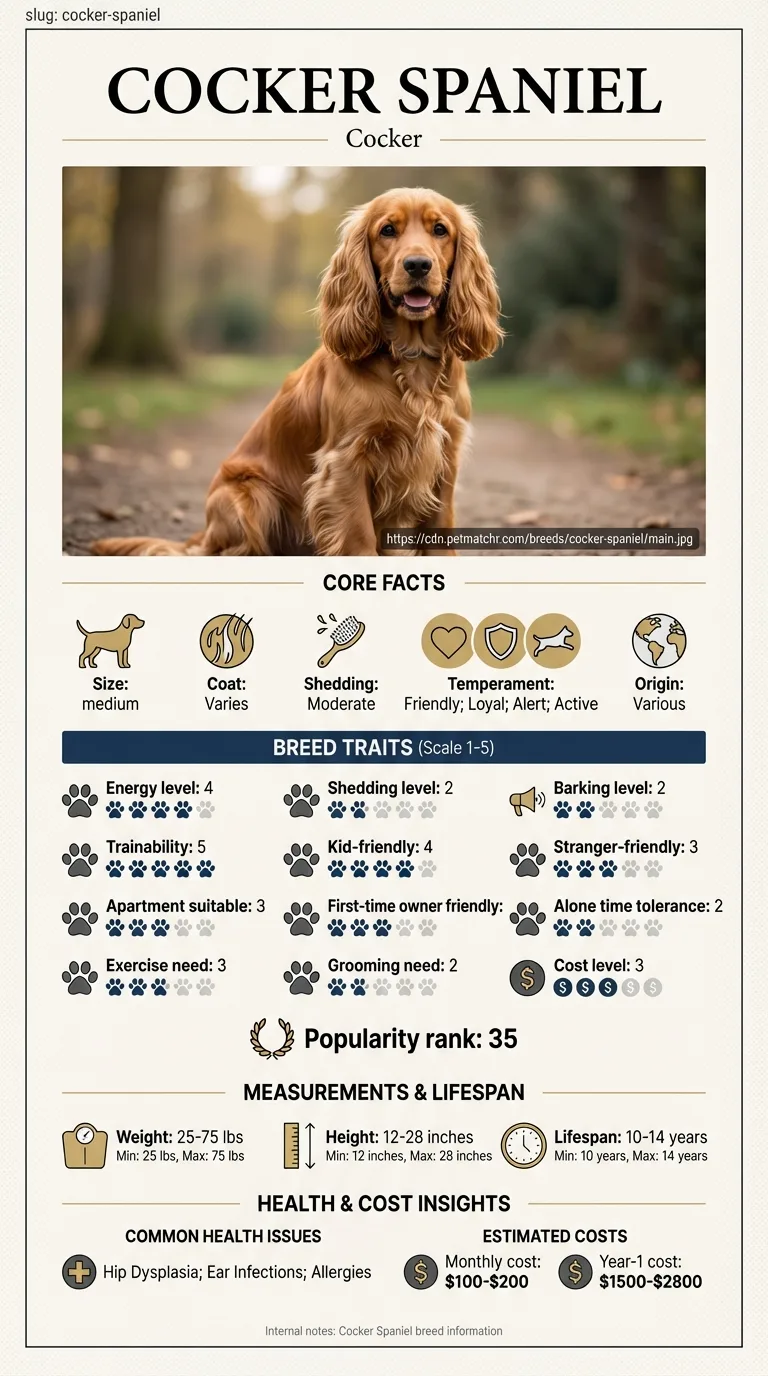
Many Cocker Spaniel owners, especially those who are first-time dog parents, may find themselves dealing with esophageal disease. If your Cocker often coughs after eating or seems to have trouble swallowing, you're not alone. This problem can be particularly distressing for busy families who already juggle multiple responsibilities.
This guide is not medical advice. If your dog shows pain, sudden behavior change, or worsening symptoms, consult a licensed veterinarian.
Some links may be affiliate links. We may earn a commission at no extra cost to you. We only suggest products we believe are helpful for dog owners.
We research and check what we publish, but we do not warrant that any figure, date, price, or statement is accurate, complete, or current, and we accept no liability for any loss, cost, injury, or other harm arising from the use of this site. Use it as one reference among several. You remain responsible for your own decisions and for your dog's care - confirm anything that matters with a licensed veterinarian or another qualified professional before you act on it. Full disclaimer.
Check this first
Understanding when Cocker Spaniel esophageal disease becomes an emergency is crucial for your pet's health. If your Cocker is showing severe symptoms, it's time to call your vet immediately. Look for signs like excessive vomiting, difficulty breathing, or unresponsive behavior. These are red flags that need urgent attention.
On the other hand, if your Cocker Spaniel occasionally coughs or gags but is still eating, drinking, and playing normally, you might monitor the situation at home. Keep a close eye on their eating habits and behavior over a few days. If they seem to be in distress or symptoms worsen, reach out to your vet.
It's always better to err on the side of caution. If you're unsure, consulting your vet can provide peace of mind and ensure your furry friend stays healthy.
If any of these apply, call your vet or an emergency clinic now. The rest of this page is for the cases that are not an emergency.
Cocker Spaniel esophageal disease can lead to significant discomfort for your dog. This condition often manifests as difficulty swallowing, regurgitation, or even choking on food. Daily life may involve multiple feeding attempts and constant worry about your dog's eating habits.
Esophageal disease is notably common among Cocker Spaniels, with studies indicating they are at a 265% higher risk compared to other breeds. Many owners face this issue at some point, making awareness and proactive management crucial.
Cocker Spaniels can be prone to esophageal disease due to their anatomy. Their longer necks and more flexible esophagus can lead to increased risks of issues like esophageal dilation or inflammation. Additionally, some Cocker Spaniels may inherit genetic traits that make them more susceptible to this condition.
Environmental factors can also contribute to esophageal disease. Overeating or eating too quickly can lead to choking or esophageal irritation. Stressful situations, such as loud noises or changes in routine, can exacerbate these issues and impact their eating habits.
If you notice persistent symptoms such as vomiting, regurgitation, or difficulty swallowing, it's essential to consult your veterinarian. They can assess your Cocker Spaniel's health and recommend appropriate treatments or dietary changes.
Avoiding certain common mistakes can help improve your Cocker Spaniel's esophageal disease condition. Here are some behaviors to steer clear of and safer alternatives you can try.
Start here: Cocker Spaniel Most Common Genetic Disorders: Screening
See all Cocker Spaniel health problems, which breeds are prone to esophageal disease, or the full Cocker Spaniel breed guide for temperament, exercise needs and ownership costs.
With consistent care and veterinary follow-up, you can expect to see improvements in your Cocker Spaniel's esophageal health within 4 to 6 weeks.
Success means your Cocker Spaniel can eat comfortably and without distress, showing no signs of coughing or regurgitation after meals.
Emily, a busy nurse from Seattle, noticed her Cocker Spaniel, Max, often coughed and struggled to eat. After a vet visit confirmed he had esophageal disease, she felt overwhelmed. Emily started a regimen of feeding Max softer foods and conducted daily training exercises to help him eat slowly. Over a month, she saw fewer coughing episodes, and Max began to enjoy mealtime without anxiety. Emily learned the importance of patience and consistency in caring for Max's health.
Key takeaway: With the right care and training, you can manage Cocker Spaniel esophageal disease effectively, improving your dog's quality of life.
Cocker Spaniel esophageal disease can be caused by various factors, including genetics, obesity, or eating habits. If your dog frequently gulps down food or eats too fast, it may be at a higher risk. Always consult your vet for a proper diagnosis and treatment plan.
To help prevent Cocker Spaniel esophageal disease, you can adjust their eating habits by using slow feeder bowls. Encourage smaller, more frequent meals instead of large portions. Regular vet check-ups are also essential to monitor their health.
Signs of esophageal disease in Cocker Spaniels include difficulty swallowing, regurgitation, and excessive drooling. You may also notice your dog coughing or showing signs of discomfort while eating. If you observe these symptoms, it's important to consult your vet.
While training won't cure esophageal disease, it can help manage behaviors that contribute to the condition. Teaching your Cocker to eat slowly and calmly can reduce the risk of complications. Positive reinforcement is key to successful training.
Treatment often involves dietary changes, medications, or in severe cases, surgery. Your vet will recommend the best approach based on your dog's specific situation. Regular follow-ups are crucial to ensure your dog is improving.
While some mild cases may be managed with dietary changes, it's crucial to seek veterinary guidance for Cocker Spaniel esophageal disease. Home treatments can sometimes mask underlying issues that require professional attention. Always consult your vet for the best approach.
There is some evidence suggesting that certain health issues, including esophageal disease, can have a genetic component in Cocker Spaniels. Responsible breeding practices aim to reduce the risk of passing on such conditions. If you're concerned about hereditary issues, talk to your breeder or vet.
For older Cocker Spaniels, softening their food and feeding smaller, more frequent meals can help manage esophageal disease. It's also important to monitor their weight and ensure they stay hydrated. Regular vet check-ups will help you adjust their care as needed.
Long-term care for a Cocker Spaniel with esophageal disease may include a special diet, regular vet visits, and monitoring for complications. Keeping an eye on their eating habits and overall health will be vital. Your vet can help create a tailored care plan to ensure your pup stays healthy.
Feed your Cocker Spaniel soft, easily digestible foods to ease swallowing and reduce irritation. Consult your vet for specific dietary recommendations.
Watch for signs like pawing at the mouth, drooling, or reluctance to eat. These may indicate discomfort or pain related to esophageal issues.
Use slow feeders, adjust meal sizes, and monitor your dog’s eating habits to help manage esophageal disease effectively.
A one-page prep sheet for this condition: the signs, the questions to ask, what to get priced. Unlocks here.
You get: Vet visit prep sheet
No spam. One-click unsubscribe. See our privacy policy.
Preview page 1 before you decide.