Behavior
What are quick tips for managing English Cocker Spaniel esophageal disease?
Feed smaller, more frequent meals and ensure food is moist to help ease swallowing. Always supervise eating and consult your vet for dietary adjustments.

Quick answer
What are quick tips for managing English Cocker Spaniel esophageal disease?
Feed smaller, more frequent meals and ensure food is moist to help ease swallowing. Always supervise eating and consult your vet for dietary adjustments.
English Cocker Spaniel esophageal disease can be a serious issue for your furry friend. It affects their ability to eat and digest food properly.
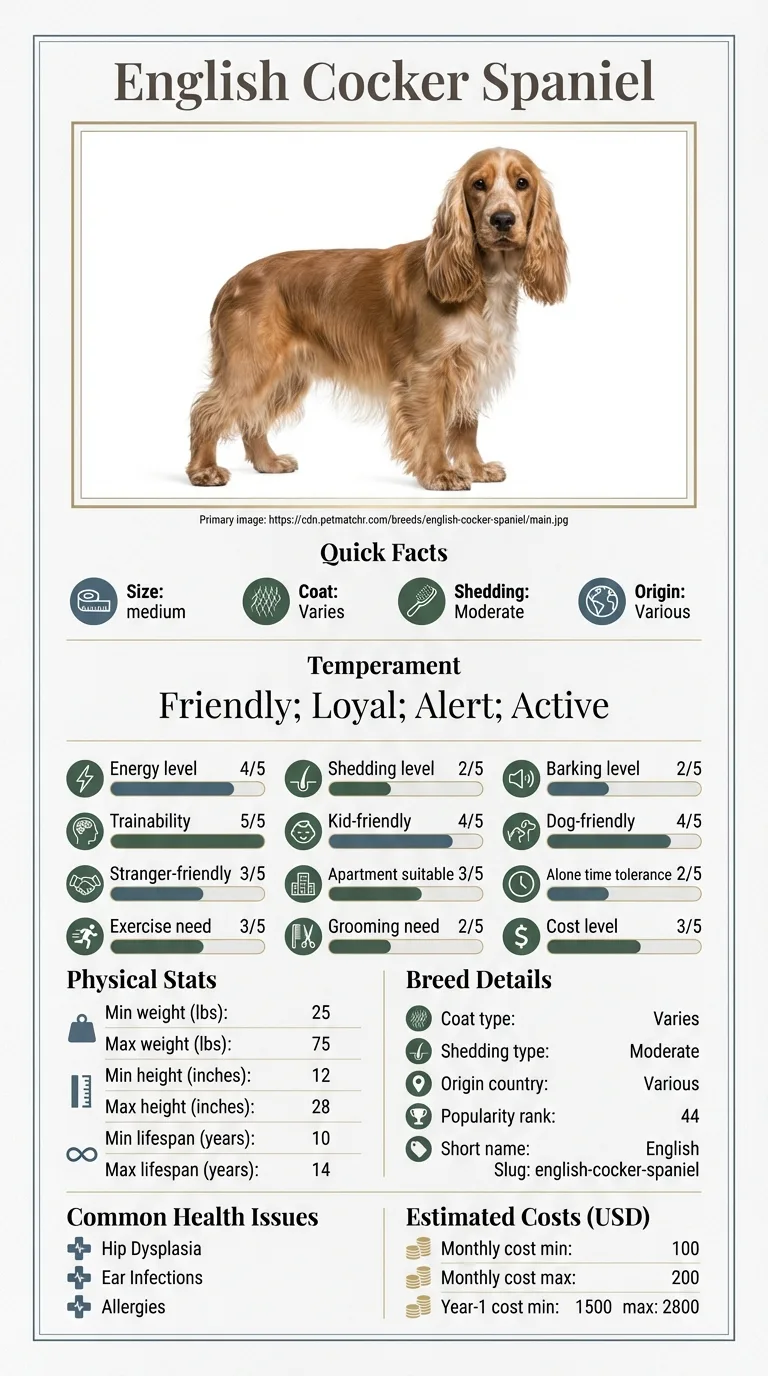
Owners of English Cocker Spaniels, especially those who notice their dog struggling to eat or showing signs of discomfort, often face this challenge. First-time dog owners may feel particularly overwhelmed by this health issue.
This guide is not medical advice. If your dog shows pain, sudden behavior change, or worsening symptoms, consult a licensed veterinarian.
Some links may be affiliate links. We may earn a commission at no extra cost to you. We only suggest products we believe are helpful for dog owners.
We research and check what we publish, but we do not warrant that any figure, date, price, or statement is accurate, complete, or current, and we accept no liability for any loss, cost, injury, or other harm arising from the use of this site. Use it as one reference among several. You remain responsible for your own decisions and for your dog's care - confirm anything that matters with a licensed veterinarian or another qualified professional before you act on it. Full disclaimer.
Check this first
Recognizing when esophageal disease in your English Cocker Spaniel requires immediate veterinary attention is crucial. If your dog is experiencing severe symptoms, such as persistent vomiting, excessive drooling, or visible distress while trying to eat, these are red flags. Other alarming signs include difficulty breathing, lethargy, or signs of pain when swallowing.
In these cases, you should call your vet right away.
On the other hand, mild cases can often be monitored at home. If your dog occasionally coughs or gags but is otherwise active, eating, and drinking normally, you might not need to rush to the vet. Keep an eye on their eating habits and behavior.
If symptoms persist for more than a day or worsen, it’s time to consult your veterinarian.
It’s always better to be safe than sorry. When in doubt about your English Cocker Spaniel’s health, don’t hesitate to reach out to a professional. Timely intervention can make all the difference in your dog’s recovery and comfort.
If any of these apply, call your vet or an emergency clinic now. The rest of this page is for the cases that are not an emergency.
English Cocker Spaniel esophageal disease can manifest as difficulty swallowing, regurgitation, or vomiting after meals. This can lead to discomfort and anxiety for your dog, affecting their overall happiness. Daily life with this problem may involve frequent clean-ups and watching your dog struggle to eat, which can be distressing for both you and your pet.
This condition is notably common in English Cocker Spaniels, with a reported risk that is 265% higher than in other breeds. Many owners may not realize their dog has esophageal disease until they notice the symptoms.
English Cocker Spaniels can be prone to esophageal disease due to their unique physical traits. Their medium size and long, narrow throats may contribute to swallowing difficulties. Additionally, their friendly and eager-to-please nature can lead them to eat too quickly, increasing the risk of esophageal problems.
Environmental factors can also play a role in esophageal disease. Stressful situations, such as moving to a new home or changes in routine, can worsen their eating habits. Furthermore, feeding them dry or hard food can exacerbate swallowing issues, leading to potential esophageal damage.
If you notice severe symptoms like vomiting, coughing, or refusal to eat, it's essential to consult your vet. They can diagnose the issue and suggest appropriate treatments for your dog's esophageal disease.
Avoiding certain behaviors can help improve your English Cocker Spaniel's esophageal disease. Here are some common mistakes to steer clear of.
Start here: English Cocker Spaniel Most Common Genetic Disorders
See all English Cocker Spaniel health problems, which breeds are prone to esophageal disease, or the full English Cocker Spaniel breed guide for temperament, exercise needs and ownership costs.
You may start seeing improvements within 4 to 6 weeks of implementing changes in diet and care.
Success means your English Cocker Spaniel can eat comfortably without signs of distress, and you notice fewer incidents of choking or regurgitation.
When Sarah adopted Sophie, her English Cocker Spaniel, she noticed that Sophie often struggled while eating. After some research, Sarah learned about English Cocker Spaniel esophageal disease and realized that Sophie might be at risk. With guidance from her vet, Sarah adjusted Sophie's diet to softer foods and began feeding her smaller, more frequent meals. Within a month, Sarah noticed a significant improvement; Sophie was eating without discomfort, and her energy levels soared. This experience taught Sarah the importance of being proactive about her dog's health.
Key takeaway: Small dietary changes and regular vet check-ups can make a big difference in managing English Cocker Spaniel esophageal disease.
English Cocker Spaniels are at a 265% higher risk for esophageal disease due to their anatomy and potential for food allergies. This condition can arise from chronic vomiting, improper eating habits, or even certain health issues. Monitoring their eating habits and ensuring regular vet check-ups can help identify problems early.
To manage esophageal disease, it's crucial to feed your English Cocker Spaniel smaller, more frequent meals. Avoid giving them dry kibble without moisture, as this can aggravate symptoms. Consulting with your vet for dietary recommendations and potential medication can also aid in treatment.
Yes, treatment options vary based on severity but often include dietary changes and medications to soothe the esophagus. In some cases, your vet may recommend surgery if the condition is severe. Regular follow-ups are crucial to ensure effective management.
Soft, moist food is generally best for English Cocker Spaniels with esophageal disease. Canned food or adding water to dry kibble can help ease swallowing. Always consult your vet for specific dietary recommendations tailored to your dog's condition.
Signs of esophageal disease include difficulty swallowing, regurgitation of food, excessive drooling, and weight loss. If you notice these symptoms, it’s important to consult your vet for a proper diagnosis.
Yes, esophageal disease can be managed in older dogs, but treatment may vary based on the dog's overall health. Your vet will guide you on the best options, which may include dietary changes or medication.
Preventing esophageal disease involves feeding your dog smaller, more frequent meals and ensuring they stay calm while eating. Additionally, providing a consistent routine can help minimize stress during mealtime.
Yes, anxiety can exacerbate symptoms of esophageal disease. If your English Cocker Spaniel shows signs of anxiety, consider exploring training options or calming tools to help reduce their stress.
You should see a vet if your dog has persistent regurgitation, is losing weight, or shows signs of distress while eating. Early intervention can lead to better outcomes for esophageal disease.
Feed smaller, more frequent meals and ensure food is moist to help ease swallowing. Always supervise eating and consult your vet for dietary adjustments.
Regular vet visits are essential, ideally every 6 months, to monitor their condition and adjust treatment as necessary.
Treatment costs can vary widely, ranging from $100 to $500 per month depending on diet, medications, and vet visits.
A one-page prep sheet for this condition: the signs, the questions to ask, what to get priced. Unlocks here.
You get: Vet visit prep sheet
No spam. One-click unsubscribe. See our privacy policy.
Preview page 1 before you decide.