Living
How long can a dog be left alone?
Most dogs can be left alone for about 4 to 6 hours, but some breeds handle longer alone times better than others. Consider your dog's age, breed, and anxiety levels when determining how long is appropriate.

Looking for the right dog breed as a single, active professional living in an apartment?
"This list highlights breeds that fit busy lifestyles while providing companionship. Choosing the right dog can enhance your quality of life and help ease feelings of loneliness."
This list is perfect for single individuals aged 25-55 who work full-time and live in smaller spaces. If you're juggling work commitments with the desire for a loving companion, these breeds may be ideal.
We focused on breeds that are known for being independent and low-maintenance, yet affectionate. Each breed listed here can handle alone time and offers the emotional support that many single professionals seek.
This list of the best breeds for single, active professionals in apartments is designed to help you find a great match for your lifestyle. Start by looking at the scores for each breed, which reflect their suitability for your living situation and personal needs. A higher score indicates a better fit, considering factors like independence, energy levels, and temperament.
As you narrow down your options, balance the pros and cons for each breed. Consider how their traits align with your daily routine, work hours, and social life. For instance, if you travel often, a lower-maintenance breed might be ideal.
Aim to identify two or three breeds that resonate with you the most.
Finally, take the time to research each breed further. Look into their specific needs, potential challenges, and any additional resources that may help. By thoughtfully considering your options, you'll be better equipped to choose a breed that complements your active lifestyle and adds joy to your home.
Choosing the best breed for a single active guy in an apartment can be a challenge. With busy work schedules and limited time, it’s essential to find a dog that fits well into your lifestyle. Here’s a curated list of breeds that thrive in smaller living spaces and require less maintenance, making them ideal companions for independent professionals.

Here are some key points to consider when choosing a dog as a single independent professional.

Choosing the best breed for a single, active guy living in an apartment comes with some important trade-offs. While breeds like the Cavalier King Charles Spaniel or French Bulldog may fit well in smaller spaces and offer companionship, they also require time and emotional engagement. If you’re often away for long hours, a more independent breed might suit your lifestyle better, but could leave you feeling guilty about their alone time.
Choosing the best breed for a single active guy in an apartment can be challenging. Here are some expert tips to help you make the right decision and ensure a happy life for both you and your dog.

Select a breed that matches your energy level and lifestyle. For example, if you enjoy outdoor activities, consider breeds like Poodles or Miniature Schnauzers. If your schedule is packed, opt for lower-energy breeds like Bulldogs or Shih Tzus.

Regardless of the breed, training is crucial. Start socializing your dog early to help them adapt to various environments and situations. This can reduce anxiety and behavioral issues later on, making for a happier home.

Keep your dog mentally stimulated with toys, puzzles, and interactive games. Regular playtime can help reduce boredom and anxiety, especially for breeds that may struggle with being alone for extended periods.

Be realistic about the time you can commit to your dog. Consider using dog walkers or daycare services if you work long hours. This will help alleviate guilt and ensure your dog gets enough exercise and companionship.

Budget for regular vet visits, food, and any necessary health products. Pet insurance can provide peace of mind, especially for unexpected expenses. Prioritizing your dog’s health will lead to a happier, healthier companion.

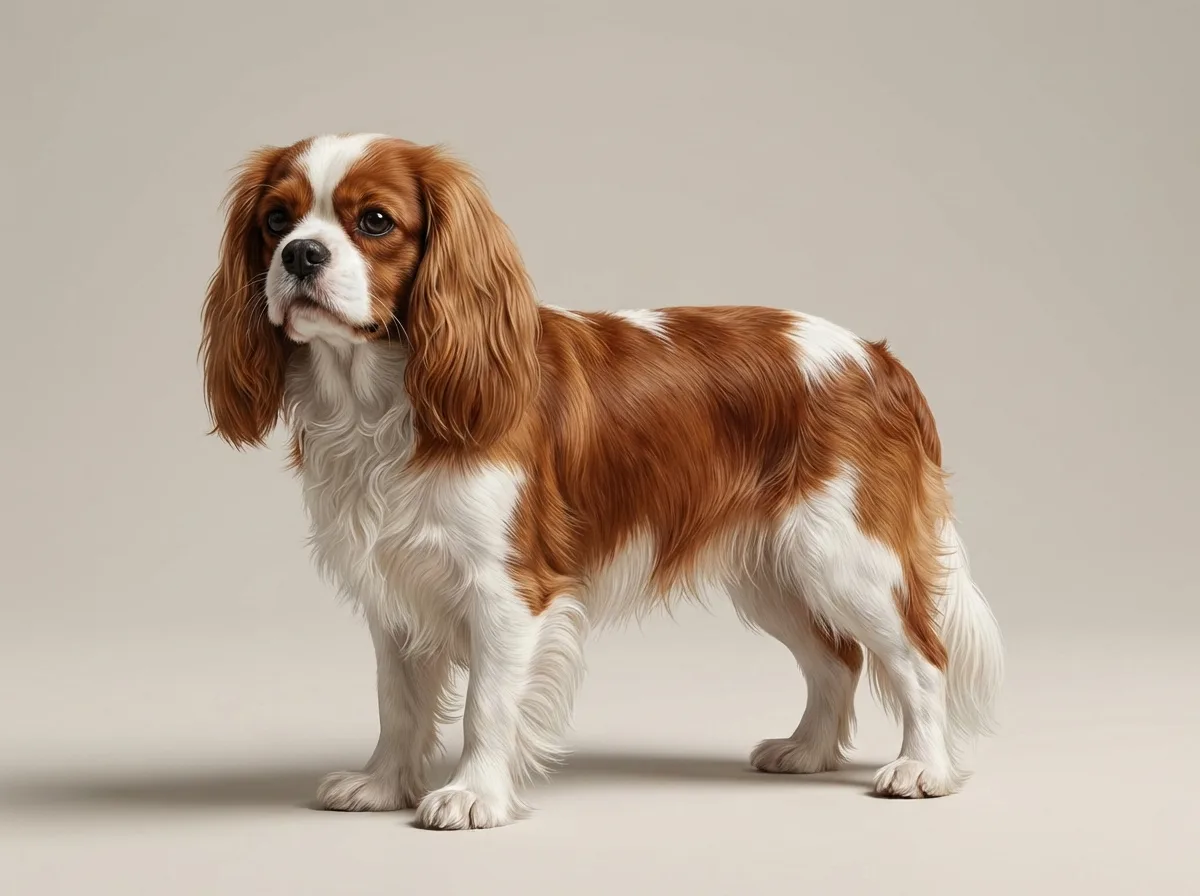
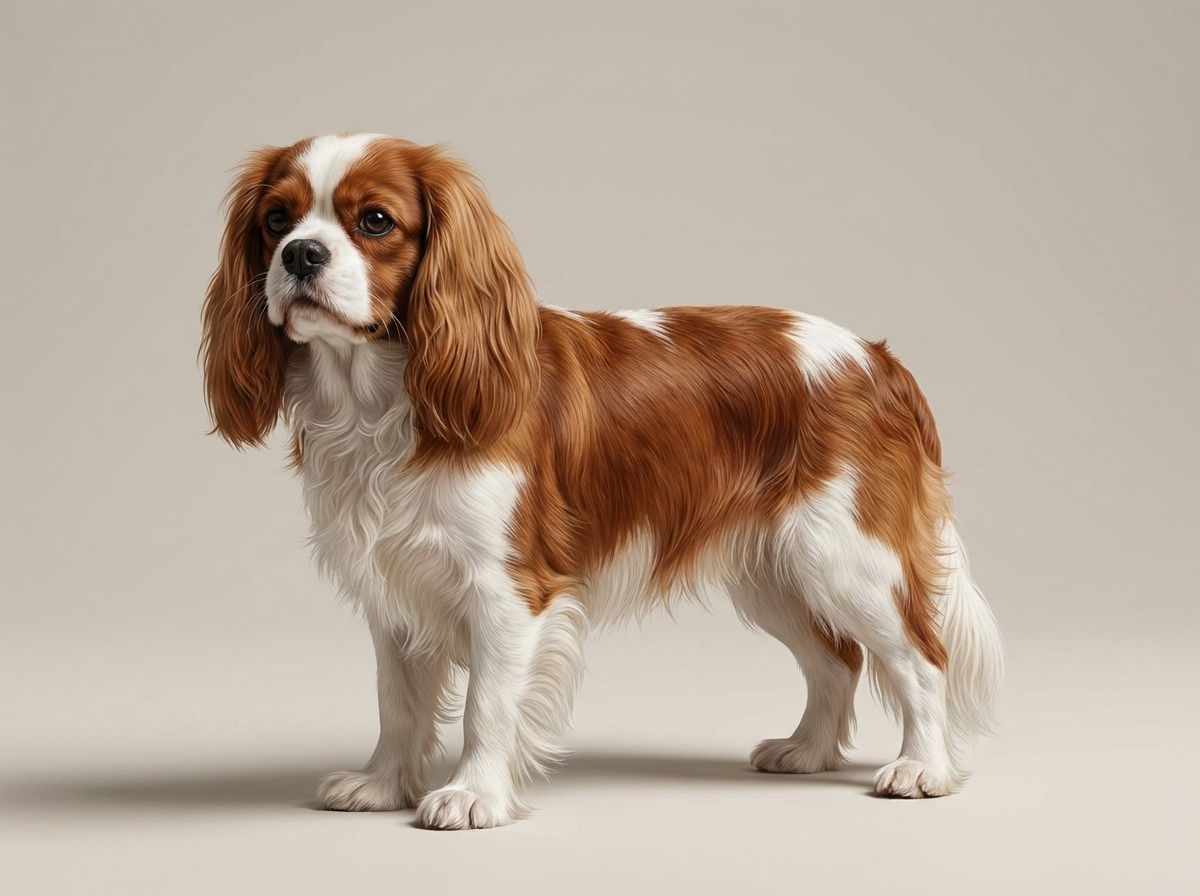
Affectionate and moderate energy, perfect for companionship.
This breed is known for its friendly nature and adaptability. They enjoy cuddling and are content to spend time alone if necessary, making them a good fit for busy professionals. Cavaliers thrive on social interaction but can handle alone time, reducing guilt for owners who work long hours.

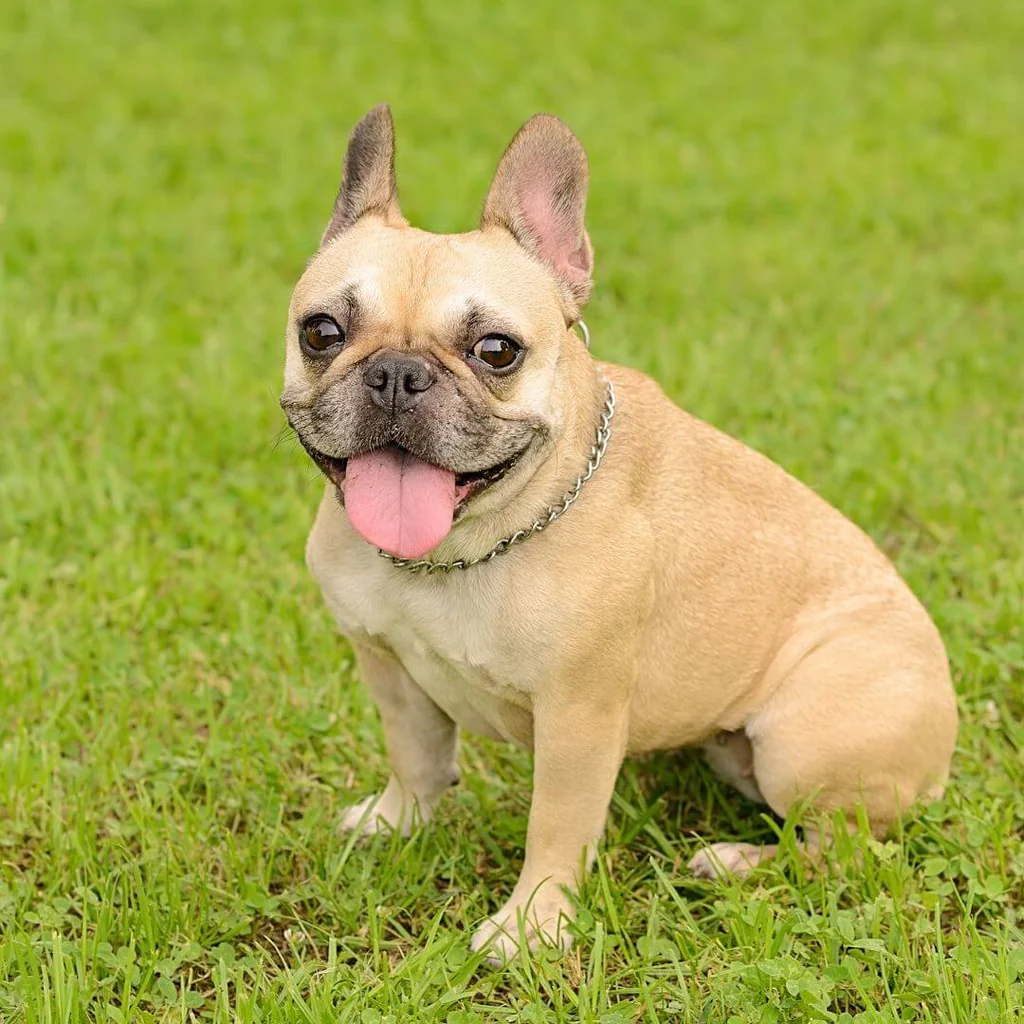
Independent and low-maintenance, ideal for busy lifestyles.
French Bulldogs are known for their minimal exercise needs and easygoing personalities. They are adaptable and thrive in smaller spaces, making them perfect for apartment living. Their low energy means they are content with short walks, fitting well into a busy professional's schedule.
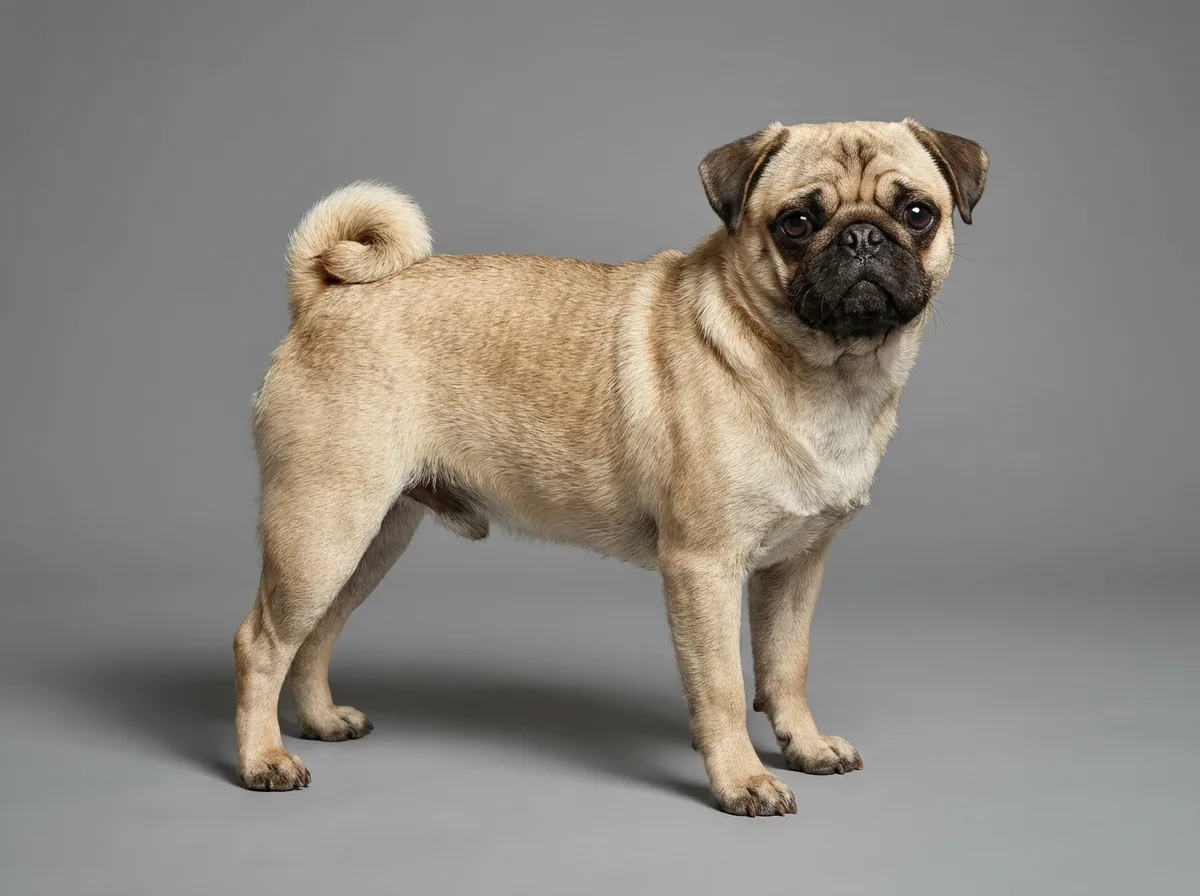
Easygoing and adaptable, great for short walks.
Pugs are friendly and adaptable, making them ideal for single professionals. They are low-maintenance and enjoy spending time with their owners. Their moderate exercise needs mean they are satisfied with short walks, making them easy to manage for busy individuals.
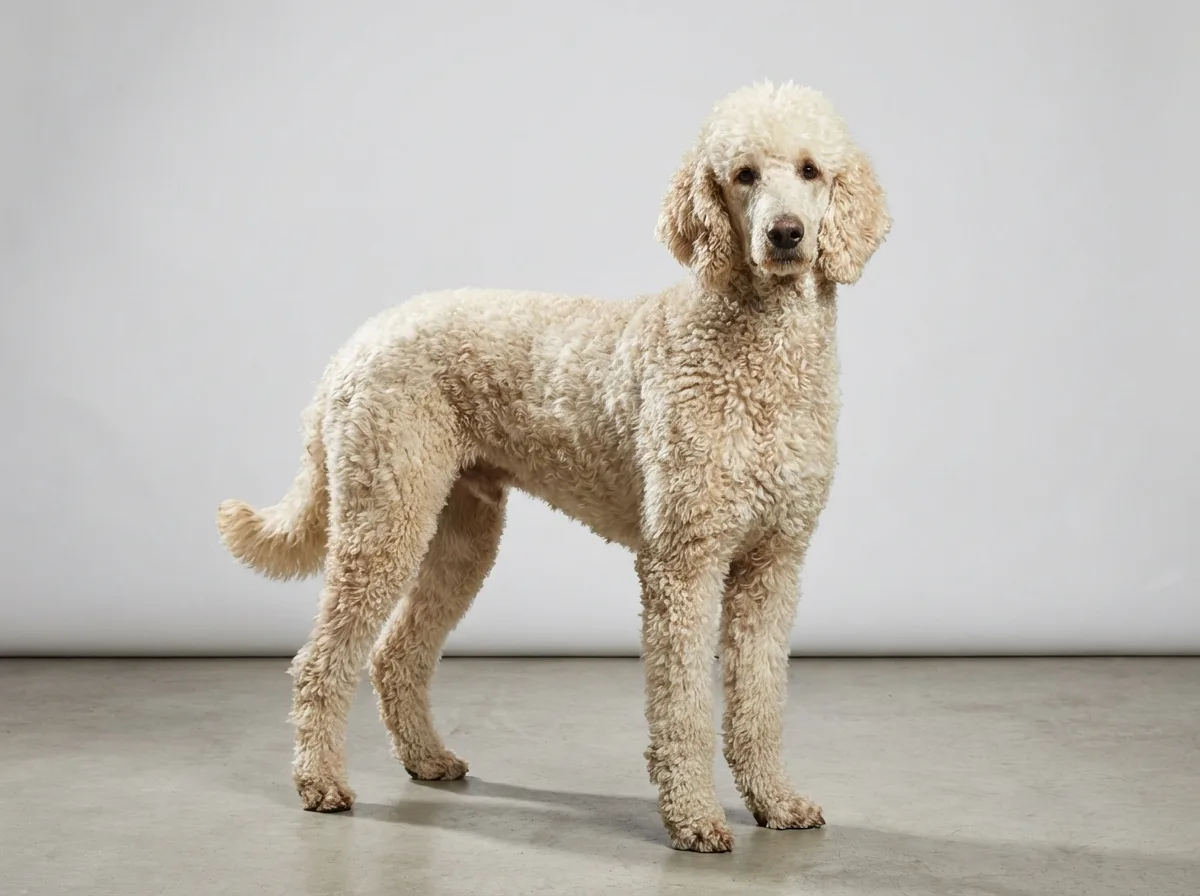
Intelligent and eager to please, available in various sizes.
Poodles are highly trainable and come in different sizes, making them versatile for different living situations. They are affectionate and can adapt to the energy levels of their owners. Their intelligence means they thrive on mental stimulation, which can be provided through training during quality time.
Mark, a 30-year-old marketing professional living in a small apartment, struggled to balance his demanding job and his desire for a furry companion. After researching breeds suitable for his lifestyle, he realized he needed an affectionate yet low-maintenance dog. He ultimately chose a French Bulldog named Buddy, who quickly became his loyal sidekick. With Buddy's easygoing nature, Mark felt less guilty about leaving him alone during work hours, and they enjoyed many weekend adventures together.
Key takeaway: Choosing a dog that fits your lifestyle can significantly enhance your companionship and reduce stress.
Some of the best dog breeds for single active guys living in apartments include the Cavalier King Charles Spaniel, French Bulldog, Pug, and Poodle. These breeds tend to be affectionate, adaptable, and generally have lower exercise needs. They can thrive in smaller living spaces while providing companionship. This answer relates to "best breed for single active guy in apartment".
As a full-time worker, aim to spend quality time with your dog each day, even if it’s just a couple of hours. Consider using dog daycare or hiring a dog walker to help during long work hours. Quality interactions, like playtime or training, are crucial for your dog's happiness and well-being.
If your dog shows signs of separation anxiety, start by gradually increasing the time you spend apart. Use positive reinforcement to help them feel secure. Consider consulting a vet or dog trainer for tailored strategies and tools that can help, including calming products.
Owning a dog can cost between $150 to $400 monthly, covering food, grooming, and care services. Additionally, consider budgeting for unexpected vet bills and pet insurance. It's important to have a clear understanding of these costs before bringing a dog into your home.
To make your apartment dog-friendly, ensure there's enough space for them to move around and a comfortable area for sleeping. Use pet gates to create safe zones, and remove any hazardous items within reach. Regular walks and playtime are essential to keep them active and happy.
Yes, small breeds often adapt better to apartment living due to their lower exercise needs and space requirements. Breeds like the Boston Terrier and Chihuahua can thrive in smaller spaces while still providing companionship. However, each dog's temperament and energy level should be considered.
Start by asking friends or coworkers for recommendations on pet services like walkers or sitters. Online platforms and local community groups can also provide valuable insights. Make sure to read reviews and meet the service providers beforehand to ensure they're a good fit for your dog.
Consider your lifestyle, living situation, and the amount of time you can dedicate to your dog. Look for breeds that match your energy level and can handle being alone for extended periods. Affectionate breeds may help combat loneliness while being suitable for your lifestyle.
Most dogs can be left alone for about 4 to 6 hours, but some breeds handle longer alone times better than others. Consider your dog's age, breed, and anxiety levels when determining how long is appropriate.
The average monthly cost of dog care ranges from $150 to $400, depending on food, grooming, and services like daycare or walking.
Signs of separation anxiety in dogs include barking, destructive behavior, and attempting to escape. It's important to address these issues early to ensure your dog's well-being.
Yes, many dogs can adapt well to apartment living, especially smaller breeds or those with lower energy levels. Regular exercise and mental stimulation are key.
If you travel often, consider finding a reliable pet sitter or dog daycare. Planning ahead can help ensure your dog is well cared for during your absences.
Take the Lifestyle Match quiz to see which of these breeds truly fits your day-to-day life.
Take the quizThe shortlist for your situation, with the one reason to skip each breed.
You get: Shortlist + avoid-if notes
No spam. One-click unsubscribe. See our privacy policy.
DogBreedCompass is an information website. Everything here - including breed traits, cost estimates, health explanations and calculator results - is general reference material shared for information only. It is not veterinary, medical, legal, or financial advice, and reading it does not create a veterinarian-client-patient or any other professional relationship.
We research and check what we publish, but we do not warrant that any figure, date, price, or statement is accurate, complete, or current, and we accept no liability for any loss, cost, injury, or other harm arising from the use of this site. Use it as one reference among several. You remain responsible for your own decisions and for your dog's care - confirm anything that matters with a licensed veterinarian or another qualified professional before you act on it.
Read the full disclaimer for the complete position on accuracy, liability and your responsibility as the reader.
Not sure which breed is right for you? Take our 2-minute quiz to find out.
Take the quiz