Guide

Understanding Short Lifespan Dog Breeds

If you're considering a dog with a shorter lifespan, this guide is for you. Learn about the breeds that offer love but may not be around as long.

Understanding Short Lifespan Dog Breeds

Short lifespan dog breeds, often referred to as 'heartbreak breeds,' are those that typically have a shorter life expectancy than others. This can be a challenging reality for dog owners, as the love and companionship these dogs provide often feel all too brief. Understanding the reasons behind the short lifespans of these breeds is crucial for potential owners who want to make informed decisions when choosing a new furry family member.

What Causes Short Lifespans in Dogs?

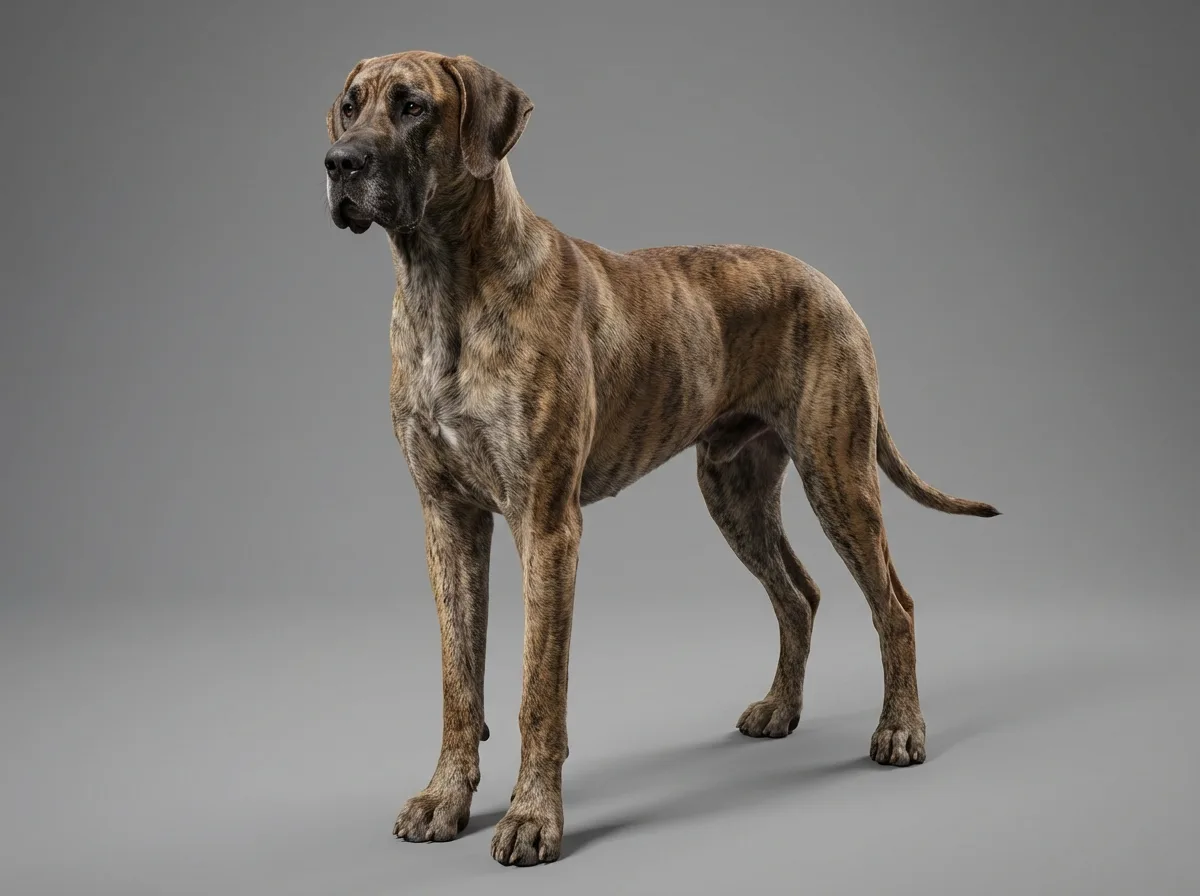
Many factors contribute to why certain breeds, especially giant breeds like Great Danes and Bernese Mountain Dogs, tend to have shorter lifespans. Genetic predispositions play a significant role, as these breeds are often more susceptible to health issues such as heart disease, cancer, and joint problems. Additionally, larger dogs age faster than smaller ones, leading to a lower average lifespan. It's important for owners to be aware of these risks and the specific health issues that may arise with their chosen breed.

Why It Matters for Dog Owners

Choosing a dog with a short lifespan can be emotionally taxing. As owners, we form deep bonds with our pets, and the thought of losing them sooner can lead to heartache. However, understanding these realities can help you prepare for the journey ahead. It allows you to appreciate every moment, invest in preventive health care, and plan for end-of-life decisions. Knowing what to expect can also help you make the most of the time you have with your beloved companion.

How to Navigate Ownership of Short Lifespan Breeds

If you're considering bringing a short lifespan dog breed into your home, start by researching specific breeds and their common health issues. Regular vet visits and a healthy diet can help mitigate some risks. Additionally, consider investing in pet insurance that covers hereditary conditions. Finally, surround yourself with a supportive community that understands the unique challenges of owning these breeds. This connection can provide comfort and advice throughout your journey.

Steps to Choose Short Lifespan Dog Breeds

Selecting a dog with a shorter lifespan can be a tough decision. Here’s a step-by-step plan to help you understand your options and prepare for the unique challenges these breeds present.

Common Mistakes with Short Lifespan Dog Breeds

When it comes to caring for short lifespan dog breeds, many owners inadvertently make mistakes that can lead to heartache and distress. Here are some common pitfalls to avoid.

Debunking Myths About Short Lifespan Dog Breeds

Many people have misconceptions about short lifespan dog breeds. Understanding the facts can help potential dog owners make informed decisions. Here, we debunk some common myths surrounding these beloved pets.

Advanced Tips for Managing Short Lifespan Dog Breeds

If you're considering adopting a short lifespan dog breed, it's essential to have a plan for maximizing their quality of life. Here are some advanced strategies to ensure your time together is as fulfilling as possible.

Insider Secrets for Choosing Short Lifespan Dog Breeds

Understanding the nuances of short lifespan dog breeds can help you make informed decisions. Here are some insider tips to consider when you're drawn to these beloved but heartbreak breeds.

Checklist for Considering Short Lifespan Dog Breeds

This checklist will help you navigate the challenges and joys of owning a short lifespan dog breed. Use it to make informed decisions and prepare for your journey.

Frequently asked questions

Which dog lives shortest?

Some of the shortest lifespan dog breeds include the Great Dane and the Bernese Mountain Dog. These breeds typically average around 7 to 10 years. Their larger size often correlates with health issues that can impact longevity.

Why do big dogs die young?

Larger dog breeds tend to age faster than smaller dogs, which is one reason they often have shorter lifespans. Health issues like heart disease, hip dysplasia, and certain cancers are more common in giant breeds. These factors contribute to their generally shorter time with us.

Average lifespan of Great Dane?

The average lifespan of a Great Dane is about 7 to 10 years. This breed is known for its size and strength, but sadly, they also face significant health challenges that can shorten their lives. Regular vet check-ups can help catch issues early.

What are common health issues in short lifespan dog breeds?

Breeds with shorter lifespans, like the Irish Wolfhound and Bernese Mountain Dog, often face health issues such as heart problems, cancers, and joint disorders. These health challenges can arise due to their size and genetic predispositions, making regular veterinary care essential.

Are there any ways to extend a dog's life?

You can help extend your dog's life through a balanced diet, regular exercise, and routine veterinary check-ups. Keeping your dog at a healthy weight and managing any underlying health issues can also contribute to a longer, healthier life. Quality care and love make a big difference.

Which dog breeds have the shortest lifespans?

Some of the shortest lifespan dog breeds include the Great Dane, Bernese Mountain Dog, and Irish Wolfhound. These breeds often live around 6 to 8 years on average. Their larger size and specific health issues contribute to their reduced lifespan.

Why do big dogs die young?

Big dogs tend to die younger due to their rapid growth and higher risk of health issues. Conditions like heart disease, hip dysplasia, and certain cancers are more common in larger breeds. This often leads to a shorter lifespan compared to smaller breeds.

What health issues are common in short lifespan dog breeds?

Short lifespan dog breeds often face various health issues, including heart conditions, joint problems, and certain cancers. Regular vet check-ups and a healthy diet can help manage some of these risks. However, it's essential to be prepared for potential health-related costs.

How can I care for a dog with a short lifespan?

Caring for a dog with a short lifespan involves providing regular veterinary care, a balanced diet, and plenty of exercise. Additionally, ensuring a loving environment can enhance their quality of life. Spending quality time and creating positive experiences is crucial.

What is the average lifespan of a Great Dane?

The average lifespan of a Great Dane is typically around 7 to 10 years. While some may live longer with proper care, many face health challenges that can shorten their lives. Regular vet visits and a healthy lifestyle can help maximize their longevity.

Are there any giant breeds that live longer than others?

Yes, some giant breeds tend to have slightly longer lifespans than others. For example, the Newfoundland can sometimes live up to 10 years, which is longer than the average for most giant breeds. However, it's important to remember that genetics and health care play significant roles in their longevity.

What should I consider before adopting a short lifespan dog breed?

Before adopting a short lifespan dog breed, consider the emotional impact of their shorter lives. Be prepared for potential health issues and the associated costs. Additionally, think about your lifestyle and whether you can provide the care and love they need during their lifetime.