Guide

Long Lifespan Dog Breeds: Your Guide to Dogs That Live Long

Looking for a furry friend that sticks around for the long haul? This guide explores long lifespan dog breeds, helping you choose a healthy companion that can bring joy for many years.

Understanding Long Lifespan Dog Breeds

When choosing a dog, many owners dream of a furry companion that will stick around for years to come. Long lifespan dog breeds offer the potential for a longer, healthier companionship. Understanding which dogs tend to live longer can help you make a more informed decision when selecting your next pet.

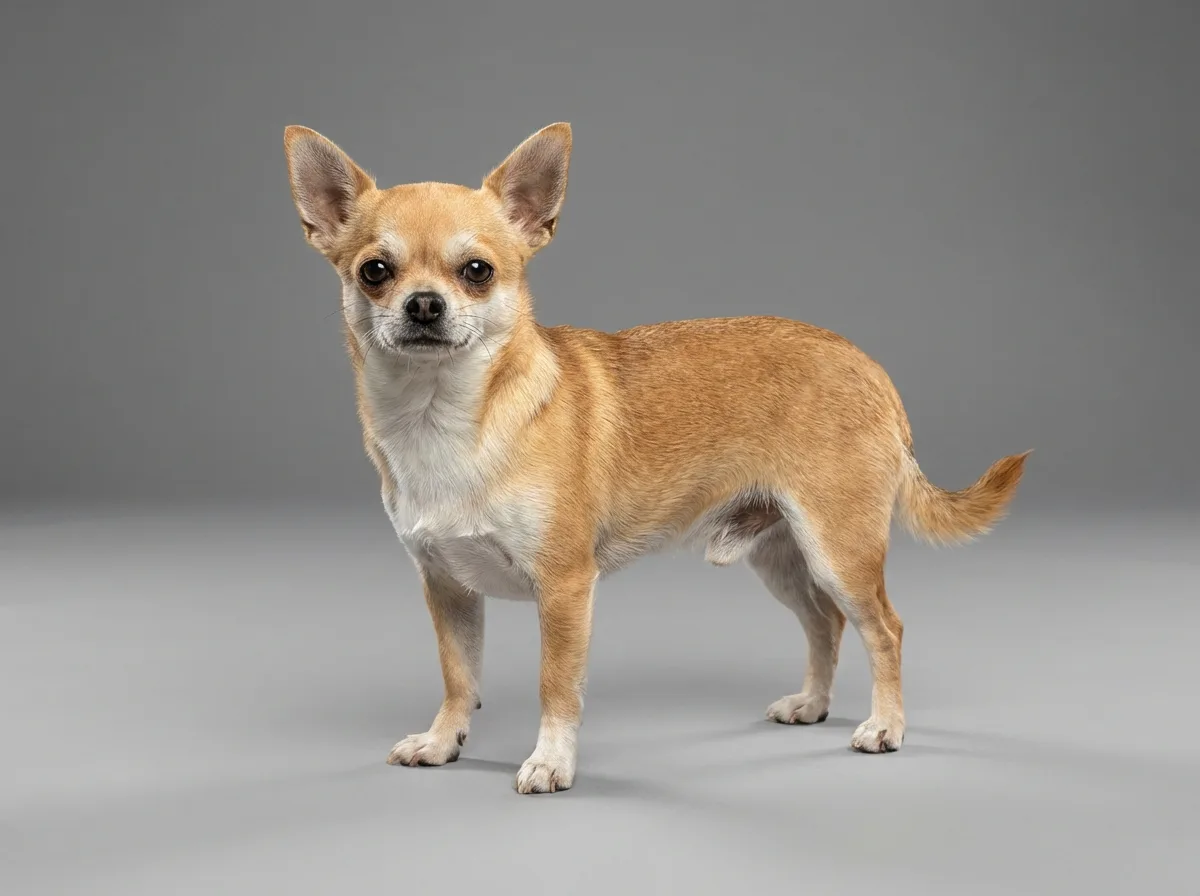
Long lifespan dog breeds, such as Chihuahuas and Toy Poodles, are known for their durability and resilience. These dogs often see fewer health issues than larger breeds, making them a popular choice for families and individuals alike. Additionally, healthy breeds often have lower vet bills and fewer lifestyle adjustments for their owners. So, why does this matter? A longer lifespan means more time to create memories and build bonds.

Moreover, geriatric dogs require special attention as they age. Owners of these breeds can benefit from knowing how to provide the best care to help their dogs enjoy their golden years. By selecting a breed known for longevity, you set yourself up for a more predictable and fulfilling journey together.

In this guide, we will explore the characteristics of long lifespan dog breeds and provide insights into their needs and care. It's not just about picking a breed that lives longer; it's also about understanding how to extend your dog's lifespan through proper care and lifestyle choices. From diet and exercise to regular vet visits, each aspect plays a crucial role in ensuring your dog remains healthy for as long as possible.

As you read through this guide, you'll discover tips on how to choose a breed that fits your lifestyle and expectations. We’ll also answer common questions, such as which dog lives longest and whether small dogs live longer than larger breeds. Our aim is to equip you with the knowledge you need to make the best choice for you and your future furry friend.

Ultimately, the right dog for you is one that fits your lifestyle and can thrive in your environment. So, let's dive deeper into the world of long lifespan dog breeds and discover how you can maximize your time with your beloved pet.

How to Choose Long Lifespan Dog Breeds

Selecting a dog breed with a long lifespan requires careful consideration. Follow these steps to find a furry friend that can be with you for many years.

Common Mistakes with Long Lifespan Dog Breeds

When choosing a dog breed known for its long lifespan, it's important to avoid common pitfalls that can affect both your dog’s health and your overall experience. Here are some mistakes to watch out for.

Myths vs. Facts About Long Lifespan Dog Breeds

Many people have misconceptions about long lifespan dog breeds. It's essential to debunk these myths to make informed decisions about your furry friends' health and longevity. Here are some common myths along with the facts.

Advanced Tips for Choosing Long Lifespan Dog Breeds

When you're considering long lifespan dog breeds, it's essential to take a deeper approach beyond just selecting a breed. Here are some advanced tips to help you make an informed decision that could lead to a longer, healthier life for your new furry friend.

First, research health screenings specific to the breed. Many breeds are prone to genetic issues that can affect longevity. For instance, certain lines of the Chihuahua may be more susceptible to heart disease. Opting for a breeder who conducts health screenings can help you find a healthier puppy.

Second, understand the importance of nutrition. Feeding your dog a balanced diet tailored to their needs can significantly impact their lifespan. Look for high-quality dog food that lists meat as the first ingredient, and consider supplements recommended by your vet for aging dogs.

Third, consider regular veterinary check-ups. Early detection of health issues can lead to better management and treatment. Regular visits can also help you stay updated on vaccines and preventative care that are crucial for longevity.

Next, create a stimulating environment. Mental and physical stimulation can keep your dog active and engaged. Activities like puzzle toys, agility training, and regular walks can contribute to their overall well-being.

Lastly, pay attention to behavioral signs of aging. Many dogs may develop anxiety or changes in behavior as they age. Being proactive about their mental health, such as incorporating calming aids or training, can help reduce stress and improve their quality of life as they grow older.

Insider Secrets for Choosing Long Lifespan Dog Breeds

When selecting a long lifespan dog breed, consider these expert insights that can guide your decision and help you enjoy many happy years with your furry friend. These tips go beyond the basics and delve into what truly contributes to a dog's longevity.

Your Action Plan for Choosing Long Lifespan Dog Breeds

This checklist will help you select a healthy breed that tends to live longer. Use it to guide your decision process.

Frequently asked questions

Which dog lives longest?

Some of the longest-living dog breeds include the Chihuahua, Dachshund, and Jack Russell Terrier. These breeds can often live 15 years or more, given proper care. Their small size and healthy genetics contribute to their longevity.

Do small dogs live longer?

Yes, small dogs generally tend to live longer than larger breeds. This is partly due to their slower aging process and lower risk of certain health problems. While not a rule, many small breeds can live well into their teens.

How to extend dog lifespan?

To help extend your dog's lifespan, focus on a balanced diet, regular exercise, and routine veterinary check-ups. Keeping your dog mentally stimulated and socialized can also enhance their overall well-being. Preventive care, like vaccinations and dental hygiene, plays a crucial role too.

What are some healthy dog breeds?

Healthy dog breeds often include the Australian Cattle Dog, Border Collie, and Poodle. These breeds are known for their robust health and lower incidence of genetic diseases. Regular exercise and a nutritious diet can further support their longevity.

What are lifespan champions in dogs?

Lifespan champions are breeds known for their impressive longevity, such as the Toy Poodle and Beagle. While genetics play a role, lifestyle factors like diet and exercise also influence their lifespan. Knowing these breeds can help you choose a companion that may live a long life.

Which dog breeds are known for their long lifespans?

Some of the breeds known for their long lifespans include the Chihuahua, Jack Russell Terrier, and Toy Poodle. These breeds often live into their late teens or even early twenties, making them great options for those seeking long lifespan dog breeds.

Do small dogs live longer than large dogs?

Generally, small dogs tend to live longer than large breeds. This is due to various factors, including their slower metabolic rates and lower risk of certain health issues. However, individual care and genetics play significant roles as well.

How can I help my dog live a longer life?

To extend your dog's lifespan, focus on providing a balanced diet, regular veterinary check-ups, and consistent exercise. Mental stimulation and socialization also play vital roles in keeping your dog healthy and happy.

What are some common health issues in older dogs?

Geriatric dogs often face health issues like arthritis, dental disease, and heart problems. Regular vet visits can help catch these issues early and keep your dog comfortable as they age.

Are there specific diets that can promote longevity in dogs?

Yes, diets rich in antioxidants, omega fatty acids, and lean proteins can support your dog's health. Look for specialized senior dog food that addresses their nutritional needs as they age.

What role does exercise play in a dog's lifespan?

Regular exercise is crucial for maintaining a healthy weight and preventing chronic diseases in dogs. It also helps improve their mood and cognitive function, contributing to a longer, healthier life.

How often should I take my older dog to the vet?

Older dogs should see the vet at least twice a year for check-ups. This allows for early detection of potential health issues and adjustments to their care as needed.