Best Emotional Support Dog Breeds: Find Your Perfect Companion
Looking for the best emotional support dog breeds? This guide will help you find the perfect companion to ease your anxiety and provide comfort.
Understanding the Best Emotional Support Dog Breeds
When it comes to emotional support, the right dog can make a world of difference. The best emotional support dog breeds provide comfort, companionship, and a sense of security to those who need it. These dogs, often referred to as ESA dogs or comfort dogs, can help alleviate feelings of anxiety and depression. Choosing the right breed is essential for maximizing the benefits of having an emotional support animal.
Emotional support dogs are not just pets; they play a vital role in the mental health of their owners. Many people struggle with anxiety, depression, and other emotional challenges. Having a dog that is specifically suited to provide support can help individuals cope better with their daily struggles. Breeds known for their calm demeanor and affectionate nature tend to excel in these roles, making them ideal companions.
But what exactly should you look for in the best dog breeds for emotional support? First, consider temperament. Breeds that are naturally gentle, loving, and patient are often the most effective as therapy breeds. Additionally, these dogs should be adaptable to different environments and capable of being trained to provide specific types of support. This adaptability is crucial, especially if the owner’s needs change over time or if they are in varied living situations.
In this guide, we will explore various breeds that are renowned for their emotional support capabilities. We'll look into their characteristics, training needs, and how they can help with specific issues like anxiety. Each breed has unique qualities that may resonate with different individuals, making it important to find a good match for your lifestyle and emotional needs.
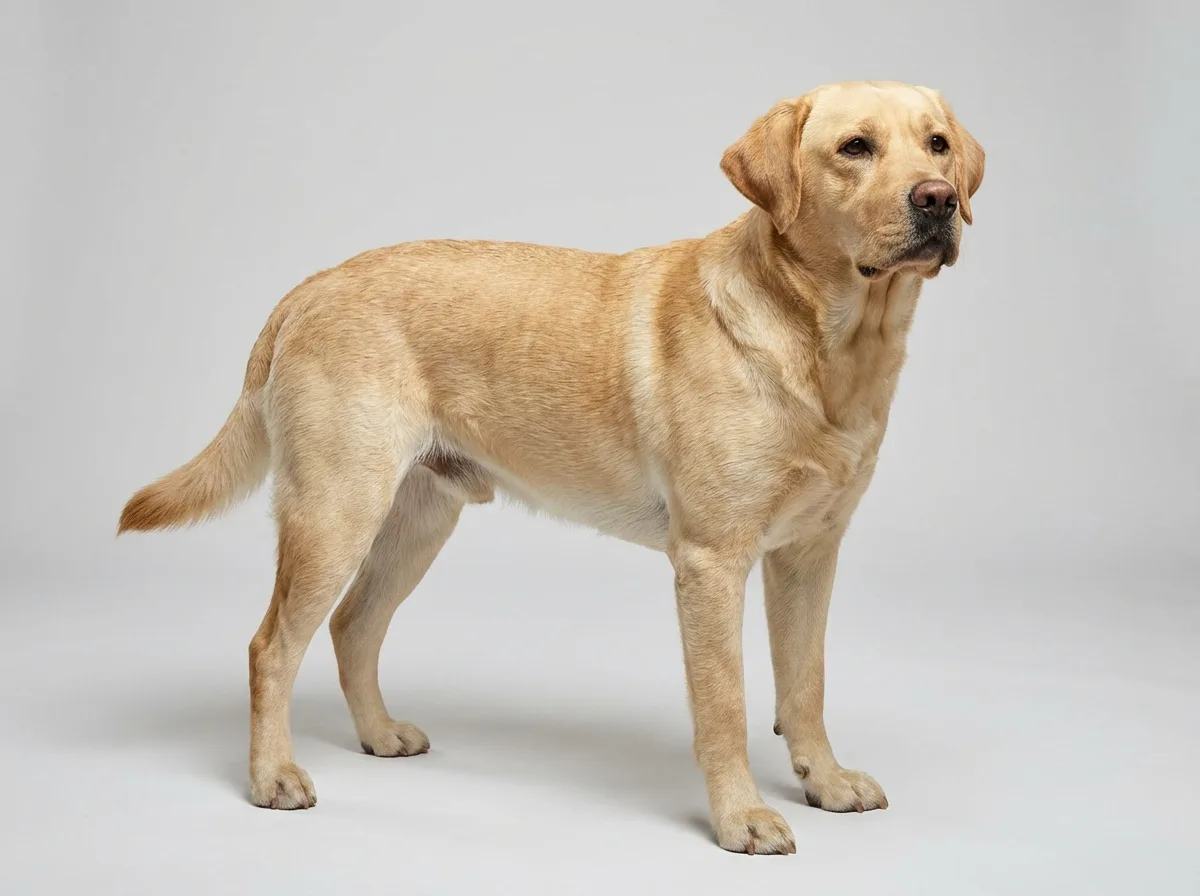
As you read through this guide, you’ll discover the best emotional support dog breeds that can help enhance your quality of life. From the well-known Labrador Retriever to the affectionate Golden Retriever, each breed has its strengths. We'll also touch on the question of whether any dog can be an ESA and what traits make a dog suitable for this role. Understanding these factors can help you make an informed decision about which dog may be the best fit for you.
In conclusion, selecting the right emotional support breed is not just about choosing a dog; it’s about finding a companion that can genuinely help you navigate life's challenges. With the right information and understanding, you can find the emotional support dog that will not only be a pet but a true partner in your journey toward better mental health.
Step-by-Step Guide to Choosing the Best Emotional Support Dog Breeds
Choosing the best emotional support dog breeds can be a rewarding journey. Follow these steps to find the right fit for your needs.

- Step 1: Assess Your Needs
- Step 2: Research Suitable Breeds
- Step 3: Consider Your Living Situation
- Step 4: Visit Shelters or Breeders
- Step 5: Meet Potential Dogs
- Step 6: Evaluate Compatibility
- Step 7: Prepare Your Home
- Step 8: Seek Professional Training
- Step 9: Complete Necessary Paperwork
- Step 10: Establish a Routine
Common Mistakes with Emotional Support Dogs
Many people make mistakes when choosing or caring for emotional support dogs (ESAs). Understanding these common pitfalls can help you select the right dog and provide better support for your emotional needs.

- Choosing the wrong breed for your lifestyle
- Neglecting training and socialization
- Assuming any dog can be an ESA
- Overlooking health care needs
- Ignoring the importance of bonding
- Failing to provide structure and routine
Debunking Myths About Emotional Support Dogs
There are many misconceptions about the best emotional support dog breeds. Here, we’ll bust some common myths and clarify the facts to help you make informed decisions.

- Myth 1: Any dog can be an emotional support animal.
- Myth 2: Emotional support dogs don’t need training.
- Myth 3: All emotional support dogs are the same as therapy dogs.
- Myth 4: Emotional support dogs can go anywhere with their owner.
- Myth 5: Only large breeds are suitable as emotional support dogs.
Advanced Tips for Choosing the Best Emotional Support Dog Breeds
If you're looking to delve deeper into the world of emotional support animals, here are some advanced tips to guide your decision-making process.
- Evaluate Temperament: Look beyond looks and consider the dog's temperament. Breeds like Golden Retrievers and Labradors are known for their friendly nature, making them great ESA candidates.
- Consider Training Options: Some breeds may require more training than others to become effective ESA dogs. Research training programs that focus on anxiety support and comfort behaviors.
- Assess Space Requirements: Ensure your living situation can accommodate a dog. Larger breeds may need more space to thrive, while smaller breeds can adapt better to apartment living.
- Explore Breed Mixes: Sometimes, mixed breeds can offer the best traits of multiple breeds. Consider adopting a mix that has proven emotional support qualities.
- Understand Health Needs: Different breeds have varying health issues. Research common health problems associated with the breeds you are considering.
Insider Secrets for Choosing the Best Emotional Support Dog Breeds
When searching for the best emotional support dog breeds, consider these insider tips that can enhance your experience and help you make the right choice for your needs. These insights go beyond the standard advice and can make a significant difference in your journey with an ESA.
- Not all breeds are equal in sensitivity: While many breeds can offer companionship, some are naturally more attuned to human emotions. Breeds like Golden Retrievers and Labradors are often celebrated for their empathetic nature.
- Socialization is key: The best emotional support dog breeds thrive on social interaction. Early exposure to different people, environments, and situations can help your dog become a more effective emotional support companion.
- Training matters: Basic obedience training is crucial for emotional support dogs. An ESA that can follow commands not only ensures safety but also promotes a stronger bond with their owner. Consider working with a trainer who understands ESA needs.
- Health is a priority: Just like humans, dogs can experience anxiety and stress. Choose a breed that is known for its calm demeanor and low predisposition to health issues. Regular vet check-ups are important to maintain their well-being.
- Consider lifestyle compatibility: Each breed has different energy levels and care needs. Make sure the breed you choose fits well with your lifestyle, whether you live in a busy city or a quiet suburban area.
Checklist for Choosing the Best Emotional Support Dog Breeds
Finding the right emotional support dog is a big decision. Use this checklist to guide you through the process and ensure you choose a breed that fits your needs.
- Research dog breeds known for their calming traits.
- Consider your living situation (space, allergies).
- Evaluate your daily routine and availability for training and exercise.
- Look into breeds that have a history of being therapy or comfort dogs.
- Meet potential breeds to assess their temperament and compatibility.
- Check local shelters and rescue groups for available ESA dogs.
- Consult with a veterinarian or dog trainer for breed-specific advice.
- Prepare your home for a new pet (supplies, space).
- Plan for ongoing care and training, including costs.
Frequently asked questions
What are the best emotional support dog breeds?
The best emotional support dog breeds include Labrador Retrievers, Golden Retrievers, and Corgis. These breeds are known for their friendly and calm demeanor, making them great companions for emotional support. Each dog has its own unique traits, so it's important to find one that matches your personality and lifestyle.
Can any dog be an emotional support animal (ESA)?
While any dog can provide comfort, not every dog qualifies as an emotional support animal. An ESA must be prescribed by a mental health professional to ensure it meets specific needs. It's essential to consider the dog's temperament and behavior when selecting an ESA.
What are anxiety support dogs?
Anxiety support dogs are trained to help individuals cope with anxiety and other emotional challenges. They can provide comfort during stressful situations and help reduce feelings of loneliness. Breeds like the Cavalier King Charles Spaniel and the Bernese Mountain Dog are often chosen for their gentle nature.
What are the calmest dogs for anxiety?
The calmest dogs for anxiety include breeds like the Basset Hound, Bulldog, and Shih Tzu. These breeds typically have a laid-back attitude, which can be soothing for individuals dealing with anxiety. It's important to remember that each dog has its own personality, so individual temperament can vary.
How do I choose the right ESA dog for me?
Choosing the right ESA dog involves considering your lifestyle, living situation, and emotional needs. Think about the size of the dog, its energy level, and how much time you can dedicate to training and socializing. A good fit will enhance the emotional support you receive.
What characteristics should I look for in the best emotional support dog breeds?
When choosing the best emotional support dog breeds, look for traits like calmness, friendliness, and a strong bond with people. Breeds that are naturally affectionate and patient, such as Golden Retrievers and Labradors, often excel as ESA dogs. Additionally, consider the dog’s size and energy level to ensure a good fit for your lifestyle.
Can any dog be an emotional support animal?
Yes, technically any dog can be designated as an emotional support animal (ESA), but not all dogs have the temperament needed. It's essential to evaluate a dog's behavior and how they respond to stress and anxiety. Some breeds, like therapy breeds, are more suited for this role due to their gentle nature.
Are there specific training requirements for emotional support dogs?
Emotional support dogs do not require specific training like service dogs do, but basic obedience training is recommended. Training helps your dog to be well-behaved in public and respond to your cues. This can enhance the bond and ensure they provide the comfort you need.
What's the difference between an emotional support dog and a therapy dog?
Emotional support dogs provide comfort and support to their owners, whereas therapy dogs are trained to assist and provide comfort to multiple people in settings like hospitals or schools. While both can help with anxiety, therapy dogs usually undergo specific training for their roles.
How can I find a dog that will be a good emotional support companion?
To find the right emotional support dog, consider adopting from shelters or rescues where you can meet the dog and assess their behavior. Spend time getting to know the dog to see if they provide the comfort and companionship you need. Consulting with trainers can also help identify suitable breeds.
What are the calmest dog breeds for anxiety support?
Some of the calmest dog breeds for anxiety support include the Cavalier King Charles Spaniel, Bichon Frise, and Shih Tzu. These breeds are often affectionate and have a gentle demeanor, making them great companions for those needing emotional support. However, individual temperament can vary, so meeting the dog first is essential.
How do I register my dog as an emotional support animal?
To register your dog as an emotional support animal, you typically need a letter from a licensed mental health professional stating that you require the dog for emotional support. While there is no official registry, having this documentation can help clarify your dog's role in your life to landlords or airlines.