DogBreedCompass

Choosing the Best Dog Breed Around Children

Finding the best dog breed around children is crucial for a happy family. This guide helps you choose safe and tolerant breeds that thrive with kids.

This guide is for families looking to add a dog to their home, especially those with young children or toddlers. Whether you’re a first-time dog owner or someone with previous experience, you’ll find valuable insights here. We understand that your priority is to find a loving companion that fits well into your family dynamic.

Understanding which dog breeds are best around children is crucial for a harmonious household. Many people mistakenly believe that any dog can be a good fit for kids, but that’s not always true. Certain breeds are known for their patience and gentleness, while others may not be as tolerant, leading to potential issues.

Choosing the Best Dog Breed Around Children

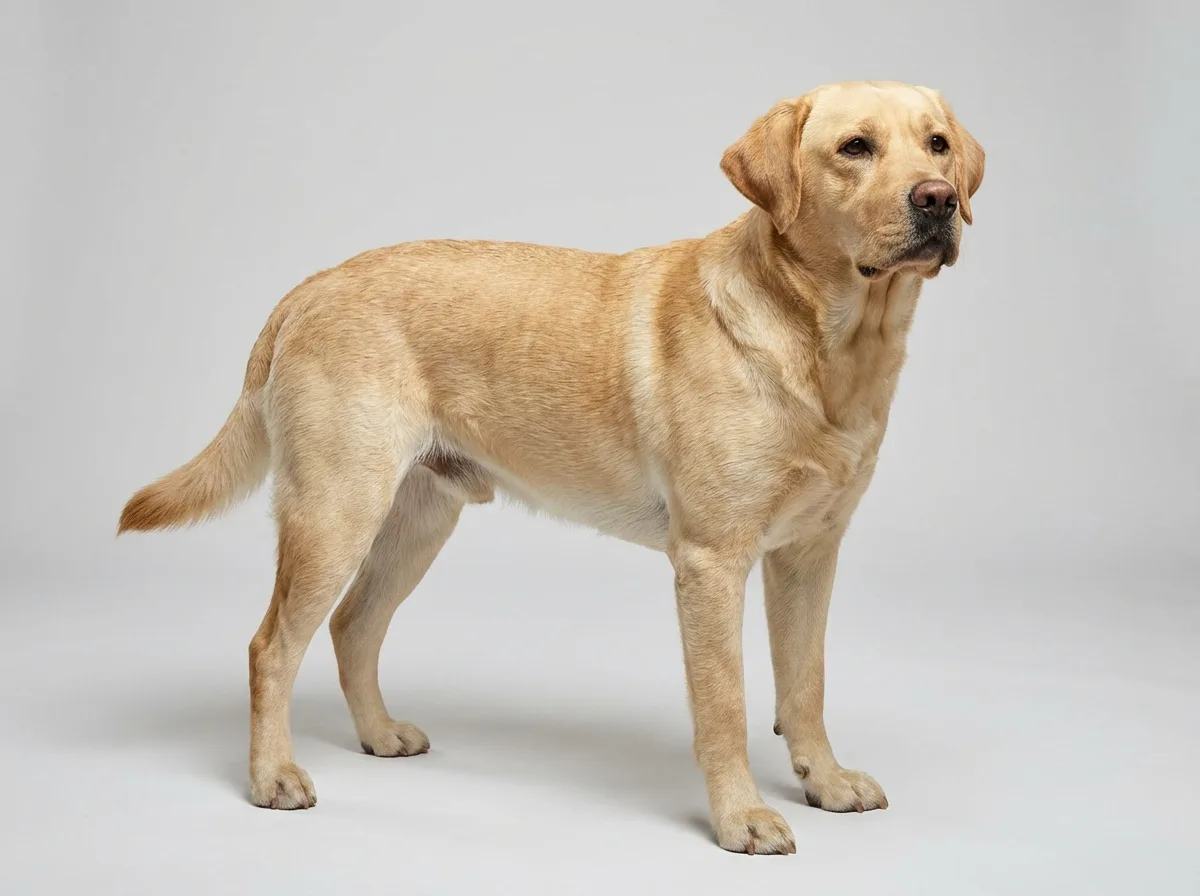
Finding the best dog breed around children is essential for families looking to create a safe and loving environment. Kids and dogs can form amazing bonds, but not every breed is well-suited for the unpredictable nature of young ones. Understanding which breeds are the safest for kids ensures that your family can enjoy pet ownership while minimizing the risks of accidents or misunderstandings. When it comes to dogs and children, temperament and tolerance are key factors. Some breeds are naturally more patient and gentle, making them better companions for kids. For example, Labradors and Golden Retrievers are often cited as the best family pets due to their friendly dispositions and adaptability. On the other hand, breeds like the Beagle can also be excellent choices, but they may require more supervision when playing with young children. In this guide, we will explore the characteristics of various dog breeds that are known for being kid-friendly. We will look at the safest dogs for kids, focusing on their traits, energy levels, and how well they typically interact with children. Additionally, we will discuss potential challenges you might face and how to prepare both your dog and your children for a harmonious relationship. It's important to remember that each dog has its unique personality. Even within breeds known for being tolerant, individual dogs may react differently to children. Proper training and socialization play significant roles in ensuring that your dog behaves appropriately around kids. This guide will provide tips on how to select a dog that fits your family's lifestyle and how to train them for a peaceful coexistence. Ultimately, the goal is to create a loving environment where both your kids and your furry friend can thrive together. By understanding the dynamics of dog breeds around children, you can make informed decisions that enhance family life while ensuring safety and happiness for everyone involved. Let’s dive into the specifics and explore what makes certain breeds the best dog breeds around children.

Step-by-Step Plan for Choosing the Best Dog Breed Around Children

Finding the best dog breed around children requires careful consideration and planning. Follow these steps to make an informed decision that ensures a happy home for both your family and the dog.
Choosing the Best Dog Breed Around Children - Step-by-Step Plan for Choosing the Best Dog Breed Around Children
  • 1. Assess Your Family's Lifestyle
  • 2. Research Dog Breeds
  • 3. Consider Temperament and Size
  • 4. Visit Local Shelters or Breeders
  • 5. Introduce Your Kids to Different Breeds
  • 6. Evaluate Safety and Compatibility
  • 7. Prepare Your Home for a New Dog
  • 8. Plan for Training and Socialization
  • 9. Establish a Routine for Care
  • 10. Make the Final Decision

Why this helps

  • Ensures a good match for your family's needs.
  • Involves children in the decision-making process.
  • Creates a safe environment for both kids and the dog.

Watch out for

  • ! Can be time-consuming to research and visit places.
  • ! May require adjustments to your daily routine.
  • ! Not all breeds may be available locally.

Common Mistakes When Choosing the Best Dog Breed Around Children

Selecting the best dog breed around children can be challenging. Many families make common mistakes that can lead to frustration or even unsafe situations. Here are some frequent missteps to avoid.
Choosing the Best Dog Breed Around Children - Common Mistakes When Choosing the Best Dog Breed Around Children
  • Ignoring Breed Temperament
  • Overlooking Size and Strength
  • Neglecting Training Needs
  • Underestimating Time Commitment
  • Assuming All Dogs Are Kid-Friendly
  • Not Considering Allergies
  • Forgetting About Supervision

Myths and Facts About the Best Dog Breed Around Children

When considering the best dog breed around children, many myths can cloud your judgment. Here, we debunk some common misconceptions and reveal the facts behind them.
Choosing the Best Dog Breed Around Children - Myths and Facts About the Best Dog Breed Around Children
  • Myth: Small dogs are always better for kids.
  • Fact: While some small breeds can be great with children, many large breeds, like Labradors, are incredibly gentle and patient.
  • Myth: Dogs automatically know how to behave around kids.
  • Fact: Dogs require training and socialization to interact safely and appropriately with children.
  • Myth: Only specific breeds can be trusted with kids.
  • Fact: Many mixed-breed dogs can be excellent family pets and may even be more tolerant than purebreds.
  • Myth: All dogs get along with children instantly.
  • Fact: It’s important to introduce dogs to children slowly and supervise their interactions until you’re confident in their behavior.

Why this helps

  • Understanding the facts helps you make informed decisions.
  • Debunking myths can prevent dangerous assumptions about dog behavior.
  • Knowing the truth can lead to better harmony between pets and children.

Watch out for

  • ! Challenging myths may require more research and understanding.
  • ! Some facts may contradict popular beliefs, leading to confusion.
  • ! It can be overwhelming trying to find the best fit for your family.

Advanced Tips for Choosing the Best Dog Breed Around Children

Finding the best dog breed around children requires more than just picking a friendly face. Here are some advanced tips to consider for a harmonious home with kids and pups. First, assess your family’s lifestyle. Active families may benefit from breeds like Labradors or Golden Retrievers, known for their energetic playfulness. If your home is quieter, consider breeds that are more relaxed yet still affectionate, like Beagles or Cavalier King Charles Spaniels. Tailoring your choice to your family's activity level will help ensure a good match. Second, consider individual temperament over breed stereotypes. While some dogs are labeled as kid-friendly, individual personalities vary widely. Spend time with potential pets before bringing them home. Look for dogs that show calmness and patience around children, regardless of breed. A dog’s early socialization experiences can significantly impact their behavior with kids. Third, remember training is crucial. Teaching your dog basic commands like 'sit,' 'stay,' and 'leave it' can prevent unwanted behaviors around children. Enroll in obedience classes that focus on family-friendly training. This will not only strengthen the bond between your dog and kids but also ensure safety in interactions. Fourth, supervise all interactions. Even the gentlest dog can be overwhelmed by a child’s excitement. Always monitor playtime, especially in the early days. Teach your children how to approach and handle dogs respectfully, emphasizing gentle petting and recognizing when a dog needs space. Finally, involve children in pet care. Teaching kids how to help with feeding, grooming, and walking fosters responsibility and builds a loving relationship with the dog. This involvement can also help kids learn important boundaries and respect for animals. These advanced tips can help create a safe and joyful environment for both children and dogs. By considering your family's lifestyle, focusing on temperament, prioritizing training, supervising interactions, and involving kids in care, you can ensure a harmonious relationship with your new furry family member.

Why this helps

  • Tailors dog choice to family lifestyle
  • Promotes bonding through pet care
  • Emphasizes the importance of training

Watch out for

  • ! Requires time and commitment from the family
  • ! Individual dog temperament may vary widely
  • ! Supervision needed during initial interactions

Insider Secrets for Choosing the Best Dog Breed Around Children

Choosing the right dog breed for a family with children goes beyond just picking a cute puppy. Here are some expert insights that might surprise you.
  • Early socialization is crucial. Expose your puppy to children, different environments, and various sounds to help them become well-adjusted adults.
  • Consider energy levels. Breeds with high energy may be overwhelming for small kids, while calmer breeds can provide a more stable environment.
  • Look for breeds with strong bite inhibition. Some breeds are naturally better at knowing how to control their bites, making them safer around kids.
  • Size matters! Larger dogs might unintentionally knock over toddlers during play, while smaller breeds can be fragile and easily injured.
  • Training consistency is key. Establishing boundaries and obedience from a young age helps dogs understand their role in a family setting.

Why this helps

  • Promotes a harmonious household by selecting the right breed.
  • Encourages responsible pet ownership with trained and socialized dogs.
  • Enhances children's safety through informed breed choices.

Watch out for

  • ! Requires time and commitment to train and socialize dogs properly.
  • ! Not all breeds may be easily accessible, depending on location.
  • ! May involve additional costs for training classes or socialization programs.

Checklist for Choosing the Best Dog Breed Around Children

Use this checklist to find the best dog breed around children that suits your family's needs. Each step will help ensure a happy, safe environment for both your kids and your new furry friend.
  • Assess your children's ages and activity levels.
  • Research breeds known for being tolerant and gentle.
  • Consider the dog's size in relation to your home and children.
  • Meet potential dogs in person to observe their behavior.
  • Look for breeds with good temperaments, like Labradors or Golden Retrievers.
  • Think about your family's lifestyle and time for training and exercise.
  • Check for any breed-specific health concerns.
  • Involve your children in the decision-making process.
  • Plan for supervised interactions between your kids and the new dog.
  • Prepare your home with a safe space for the dog.

Why this helps

  • Helps identify the most suitable dog for your family.
  • Promotes safety and harmony between kids and pets.
  • Encourages involvement from children in choosing a pet.

Watch out for

  • ! May require time and effort to research breeds.
  • ! Not all children may be ready for a dog, regardless of breed.
  • ! Some breeds may still require careful supervision.

Frequently asked questions

What dog is safest with children?

Some of the best dog breeds around children include Labrador Retrievers, Golden Retrievers, and Beagles. These breeds are known for their friendly nature and patience with kids. Always supervise interactions to ensure everyone's safety. This answer relates to best dog breed around children.

Are Pitbulls good with kids?

Pitbulls can be good with kids when properly trained and socialized from a young age. They are often affectionate and protective, making them great family pets. However, it's important to evaluate each dog's temperament individually.

Best small dogs for children?

If you're looking for small dog breeds that are great with children, consider Beagles, Cocker Spaniels, and Pugs. These breeds are generally friendly and tolerant. Always match the dog's energy level with your family's lifestyle.

What are the most tolerant dog breeds?

Breeds like Golden Retrievers, Labrador Retrievers, and Bichon Frises are often very tolerant of children's antics. They tend to be patient and forgiving, making them great companions for families. Training and socialization are key to ensuring a good fit.

What is the best family pet?

The best family pets are typically breeds that are gentle, patient, and good-natured. Breeds like Labrador Retrievers and Beagles are often recommended due to their friendly demeanor. Always consider your family's specific needs and lifestyle when making a choice.

What dog breeds are the most tolerant with children?

Some of the most tolerant dog breeds around children include Labradors, Golden Retrievers, and Beagles. These breeds are known for their friendly nature and patience, making them great companions for kids. They tend to handle the noise and activity levels of children well.

Are there any small dog breeds that are good with kids?

Yes, several small dog breeds are great with children. Breeds like the Cavalier King Charles Spaniel and the Pug are often friendly and playful, making them suitable family pets. It's important to supervise interactions to ensure safety for both the dog and the kids.

What qualities should I look for in a dog for my family?

When choosing a dog for your family, look for breeds known for their gentleness and patience. Consider factors like energy level, size, and temperament to match with your family’s lifestyle. A dog that enjoys playtime and is tolerant of kids' antics is ideal.

Are Pitbulls good with kids?

Pitbulls can be good with kids if properly trained and socialized. They are known for their loyalty and affection toward their families. However, it's important to find a well-bred Pitbull with a good temperament and to introduce them to children in a safe, controlled environment.

What is the best dog for families with toddlers?

For families with toddlers, breeds like the Golden Retriever and Beagle are often recommended due to their gentle nature and playful attitude. They are patient and tend to tolerate the unpredictability of young children well. Always supervise interactions to ensure safety.

How can I prepare my dog for interaction with children?

To prepare your dog for interactions with children, start by socializing them with kids in a controlled environment. Use positive reinforcement to reward calm behavior. Additionally, teach children how to interact safely and respectfully with the dog to promote a harmonious relationship.

What should I do if my dog is not getting along with my children?

If your dog is not getting along with your children, it's essential to assess the situation carefully. Never force interactions; instead, give the dog space and consider consulting a professional trainer. Gradually reintroduce the dog to children under supervision, focusing on positive interactions.

Quick answers

View more answers
Living

Kid-safe dog breeds

Labrador Retrievers, Golden Retrievers, and Beagles are some of the most kid-safe dog breeds.

Living

Best dogs for families with toddlers

Breeds like Pugs and Cocker Spaniels are often great choices for families with toddlers due to their friendly and adaptable nature.

Living

Family friendly dogs

Golden Retrievers and Beagles are among the top family-friendly dogs, known for their gentle and loving demeanor.

Living

What dog is safest with children?

Breeds like Labrador Retrievers and Golden Retrievers are often considered the safest dogs for kids due to their friendly nature.

Living

Are Pitbulls good with kids?

Pitbulls can be good with kids if properly trained and socialized. It depends on the individual dog's temperament.

Related DogBreedCompass guides

Important reminder

This guide is not medical advice. If your dog shows pain, sudden behavior change, or worsening symptoms, consult a licensed veterinarian.

Some links may be affiliate links. We may earn a commission at no extra cost to you. We only suggest products we believe are helpful for dog owners.

Want more tailored help?

Take the Lifestyle Match quiz to see which breeds and guides best fit your day-to-day life.

Take the quiz

More guides you might like

Find your match

Not sure which breed is right for you? Take our 2-minute quiz to find out.

Take the quiz