This is not an argument for walking at noon. Heat is the more immediate danger and the early and late hours are the right call. It is an argument for taking prevention seriously precisely because the schedule stacks the odds, and for understanding what the alternative involves.
Heartworm prevention is a monthly tablet or topical, it is inexpensive, and in Florida it runs all twelve months with no seasonal pause. Treating an established infection is a different universe: it involves a series of deep injections, considerable expense, and — the part that matters here — several months of strictly enforced rest. No running. No stairs where avoidable. No play. The reason is that dying worms can lodge in the lungs, and exertion is what triggers that.
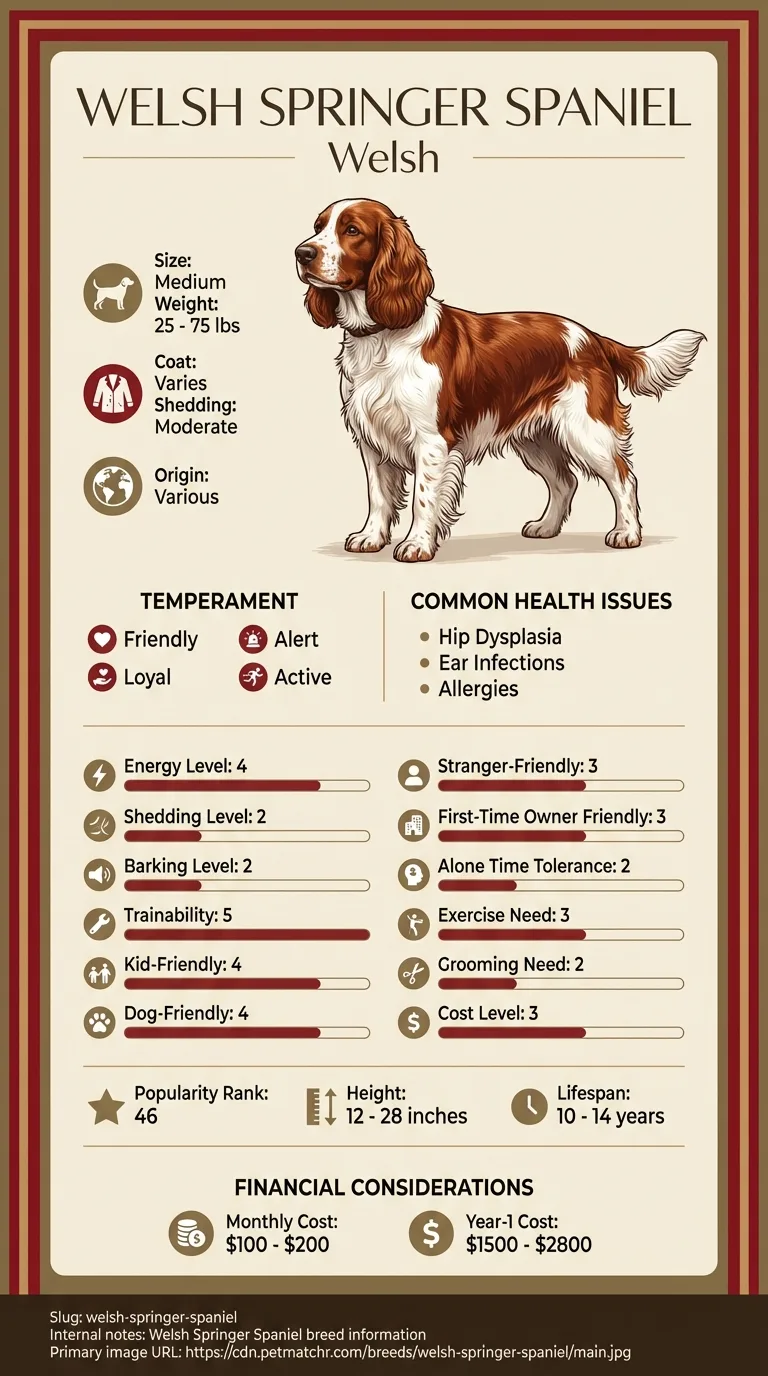
Now apply that to a dog bred to quarter ground all day, rated 4 out of 5 on energy and 2 out of 5 on tolerance for being left alone. Months of enforced confinement is a serious welfare and behavioural problem in this breed specifically, on top of being a large bill. That asymmetry — a trivial monthly cost against a treatment this breed handles particularly badly — is the whole argument for never letting the prevention lapse in this city.
The supporting habits are ordinary. Empty standing water around the property, since containers hold breeding sites for days in this climate. Use the annual test as a genuine checkpoint rather than a formality. And do not skip a month on the theory that a cool spell has bought you one.