DogBreedCompass
← Back to breed profileEvery breed’s cost in Seattle

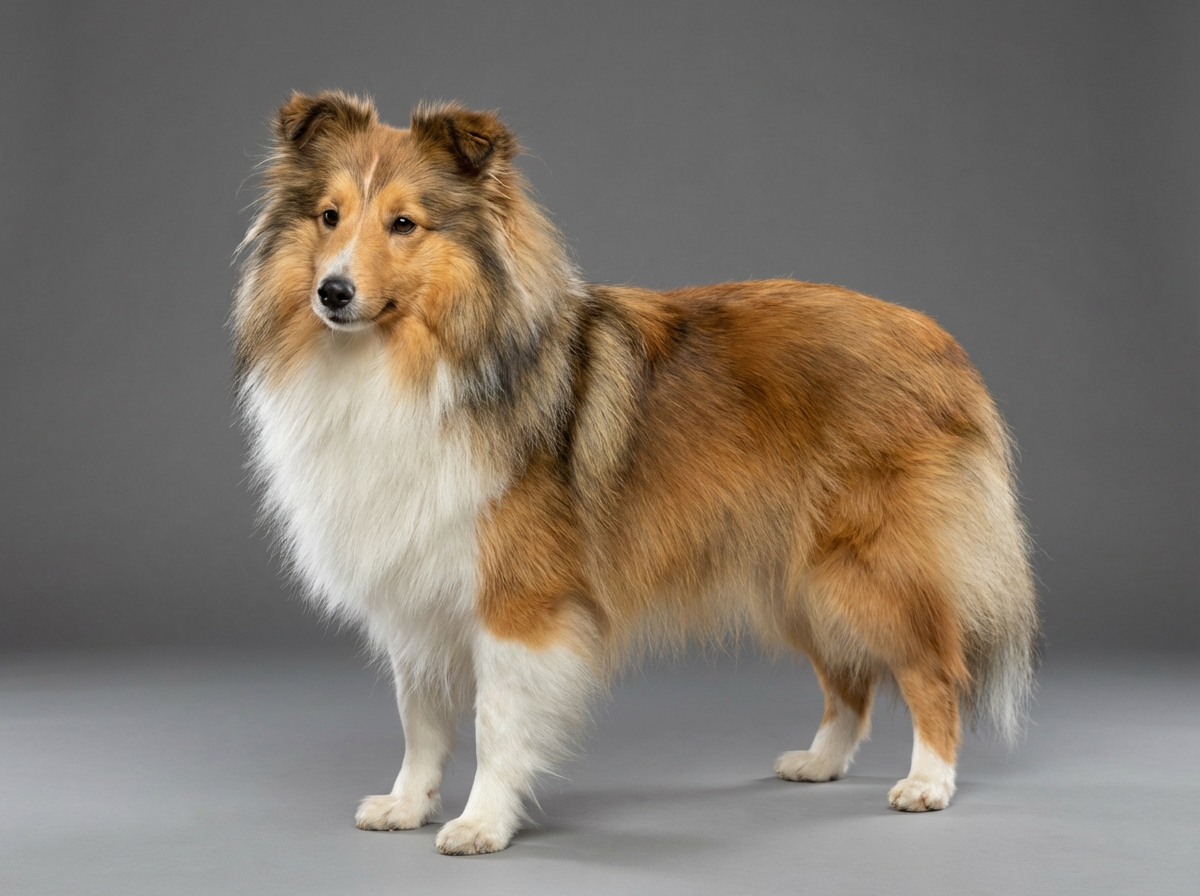
Shetland Sheepdog Cost in Seattle

See Shetland Sheepdog price across all cities →

Quick answer

Shetland Sheepdog cost in Seattle

$98–$183 monthly and $1,342–$2,806 in year one, well above average. The local advantage is that the MDR1 test originated at this state's veterinary school, and awareness among Washington vets is correspondingly high.

The genetic mutation behind MDR1 drug sensitivity in herding breeds was identified by researchers at Washington State University's College of Veterinary Medicine, and the laboratory there has been testing for it ever since. That is a piece of local trivia with an unusually practical consequence: in Washington, the awareness of this problem among veterinarians is higher than almost anywhere else, and a Sheltie owner here is more likely to be asked about it than to have to bring it up.

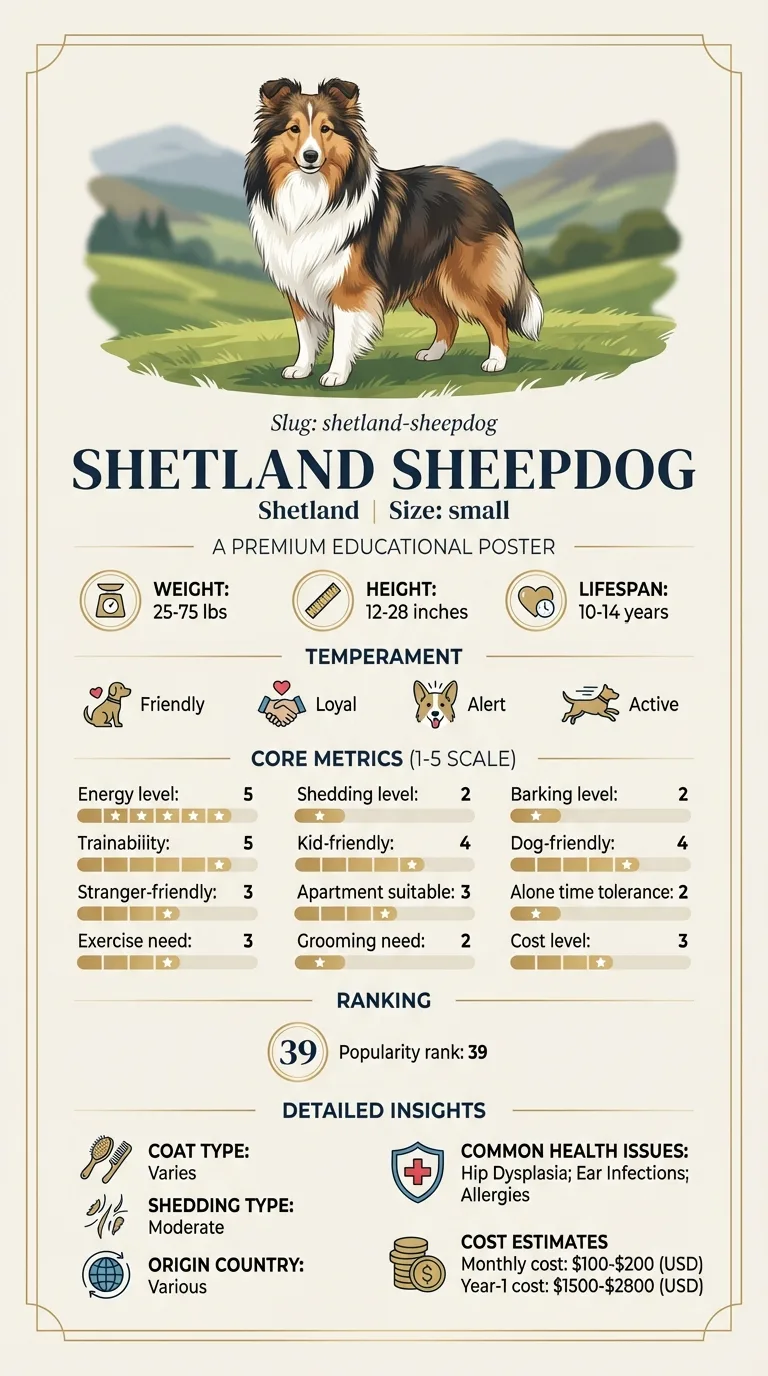
Shetland Sheepdog Cost in Seattle infographic

Why costs vary

Alongside MDR1 the breed carries documented Collie Eye Anomaly, Dermatomyositis, Hypothyroidism and Patellar Luxation. Those are conditions you manage. MDR1 is a condition you simply need to know about, and knowing costs less than a single consultation.

Cost summary

Seattle prices run well above national norms with a long ten-month parasite window, and the highest-value small purchase on the list is a one-off genetic test.

Estimate · source: estimation · confidence: medium · updated 2026-09-06 · not a quote

First year
$1342 - $2806
Ongoing monthly
$98 - $183

First-year expenses

ItemCost range
MDR1 genetic test
A cheek swab or blood sample returning a permanent result, and the single highest-value item on this page.
$60 - $120
Initial costs (exam, sterilization, gear)
Have the MDR1 result in hand before sterilization rather than afterwards, since it changes the drug protocol.
$450 - $760

Monthly expenses

ItemCost range
Food
Portions for a fifteen-to-twenty-five-pound dog at Seattle grocery pricing.
$39 - $66
Grooming and drying in a damp climate
A dense coat in a wet city needs real drying discipline; local salon rates run above national norms.
$40 - $78

Is pet insurance worth it?

MDR1 itself is an inherited trait and will not be covered, which is the clearest possible illustration of why testing rather than insuring is the right response to it.

When insurance makes sense

For everything else. Enrol before anything is recorded, and treat the genetic testing as a separate, small, non-insurable purchase that prevents a category of disaster no policy would help with.

When you might skip it

A household with a reserve sized to Seattle pricing and a dog with clean baselines can self-fund, though local prices set that bar higher than a national average implies.

Ways to save without cutting essentials

One test, done once, is the highest-return spending available to an owner of this breed anywhere, and Seattle makes it easy to get done.

  • Get the MDR1 test before any procedure requiring anesthesia, including sterilization.
  • Keep the result in the chart and a copy with the dog, for the emergency practice that has never met it.
  • Ask about the result even if the vet does not; awareness here is high but not universal.
  • Dry the coat properly after wet walks rather than letting damp undercoat sit against skin.
  • Rake rather than clip; a shaved double coat regrows unevenly and sheds rain worse.

The Conversation to Have Before the Procedure, Not During It

The test itself is a cheek swab or a blood sample, sent to a laboratory, returning one of three results: normal, carrier, or affected. It never needs repeating. For a breed where a substantial share of the population carries the mutation, that is arguably the highest-value few dollars an owner will ever spend on a dog.

What the result changes is the conversation before anesthesia. A sterilization, a dental, a biopsy, an emergency surgery: all of them involve drug choices, and an affected dog needs those choices made differently, with dose adjustments and alternative agents. A veterinarian who knows the status in advance plans around it as a matter of routine. A veterinarian who finds out afterwards is managing a crisis. The paperwork should be in the chart and, ideally, on the dog's tag or collar, because the practice most likely to need it in a hurry is the emergency hospital that has never met you.

The local advantage is real but should not be relied on blindly. Washington's veterinary community is unusually alert to this, and Seattle has a dense population of herding breeds to keep that awareness sharp. Even so, the practice on the other side of a bad night may be staffed by someone who trained elsewhere, and the responsibility for the information travelling with the dog is the owner's. Carrier status is worth understanding too: a carrier is generally clinically unaffected but should be flagged, and matters greatly if the dog is ever bred.

No Income Tax, High Prices, and a Coat That Never Dries

Washington collects no state income tax, but Seattle's general cost of living still shows clearly in service pricing, and consultations, grooming and daycare all run well above national norms. The monthly figure here is among the higher ones on this site.

The parasite window runs about ten months. Mild, damp weather keeps flea pressure going far longer than a cold-winter city, and it is close enough to continuous that many owners here just run it year-round.

Damp is the coat's real adversary in this climate. A long, dense double coat in a city with this many wet days does not dry on its own between walks, and undercoat that stays damp against the skin is where coat problems start. Proper drying after wet walks is not fussiness here, it is maintenance, and thorough raking so air moves through the coat matters as much in Seattle's damp as it does in a hot city's heat. The one thing not to do is clip it, since a shaved double coat regrows unevenly and offers less protection against rain than the original did.

Shetland Sheepdog Cost in Seattle - No Income Tax, High Prices, and a Coat That Never Dries

What a Shetland Sheepdog costs in Seattle: the short answer

A Shetland Sheepdog in Seattle costs what the table below says, and the plan for keeping it there is simple: budget the first-year figure before you buy, then treat the monthly figure as the floor rather than the target.

LineSeattle range
First year$1,342–$2,806
Monthly$98–$183

The two numbers move for different reasons. First-year cost is dominated by one-off items — purchase or adoption, vaccination, neutering, equipment — so it is the number to have saved before the dog arrives. The monthly figure is food, preventatives, grooming and insurance, and it is the one that decides whether ownership is sustainable in Seattle on your income. Steps that reliably lower both: buy from a source that screens for the breed's known conditions, take out insurance before the first claim rather than after, and price local grooming and boarding before you commit.

The Question the Vet Asked First

A Ballard owner booked her eight-month-old Sheltie in for sterilization and was slightly thrown when the practice asked, before anything else, whether the dog had been MDR1 tested. She had not heard of it. They swabbed him the same visit, the result came back carrier, and the surgery went ahead a fortnight later with the protocol adjusted accordingly. She has since spoken to Sheltie owners in three other states who had never been asked the question at all.

Key takeaway: The test costs less than a consultation and never has to be repeated. In the state where it was developed you will probably be asked; everywhere else, you have to ask.

Frequently asked questions

How much does a Shetland Sheepdog cost per month in Seattle?

About $98 to $183, well above the national average, though the absence of a state income tax eases the wider household budget.

What is the first-year figure?

Roughly $1,342 to $2,806, covering the first exam, sterilization, vaccinations and setup gear at local rates.

What is MDR1 and why does it matter so much?

An inherited sensitivity to particular veterinary drugs, including some antiparasitics at higher doses, certain sedatives and anesthetic agents. In an affected dog a standard dose can cause severe neurological reactions.

How is it tested?

A cheek swab or blood sample sent to a laboratory, returning normal, carrier or affected. It is a one-off test that never needs repeating.

What should I do with the result?

Put it in the chart, keep a copy with the dog's records, and consider a note on the collar. The practice most likely to need it urgently is an emergency hospital that has never seen your dog.

What emergency reserve suits Seattle?

About $640 covers a typical significant visit at local pricing, which sits well above national norms.

Quick answers

View more answers
Costs

Shetland Sheepdog cost in Seattle

$98–$183 monthly and $1,342–$2,806 in year one, well above average. The local advantage is that the MDR1 test originated at this state's veterinary school, and awareness among Washington vets is correspondingly high.

Health

Should every Sheltie be tested for MDR1?

Yes. It is a single inexpensive test that never needs repeating, and it is the one item on this breed's health list that can turn a routine procedure into a fatal one.

Related DogBreedCompass guides

Important reminder

This guide is not medical advice. If your dog shows pain, sudden behavior change, or worsening symptoms, consult a licensed veterinarian.

Some links may be affiliate links. We may earn a commission at no extra cost to you. We only suggest products we believe are helpful for dog owners.

Get the 12-month budget for this breed in your city

One sheet with every line item, the emergency fund and when insurance pays off - unlocks on this page.

You get: 12-month budget sheet

No spam. One-click unsubscribe. See our privacy policy.

Preview page 1 before you decide.

Related guides